Capri motiiv — History & Facts
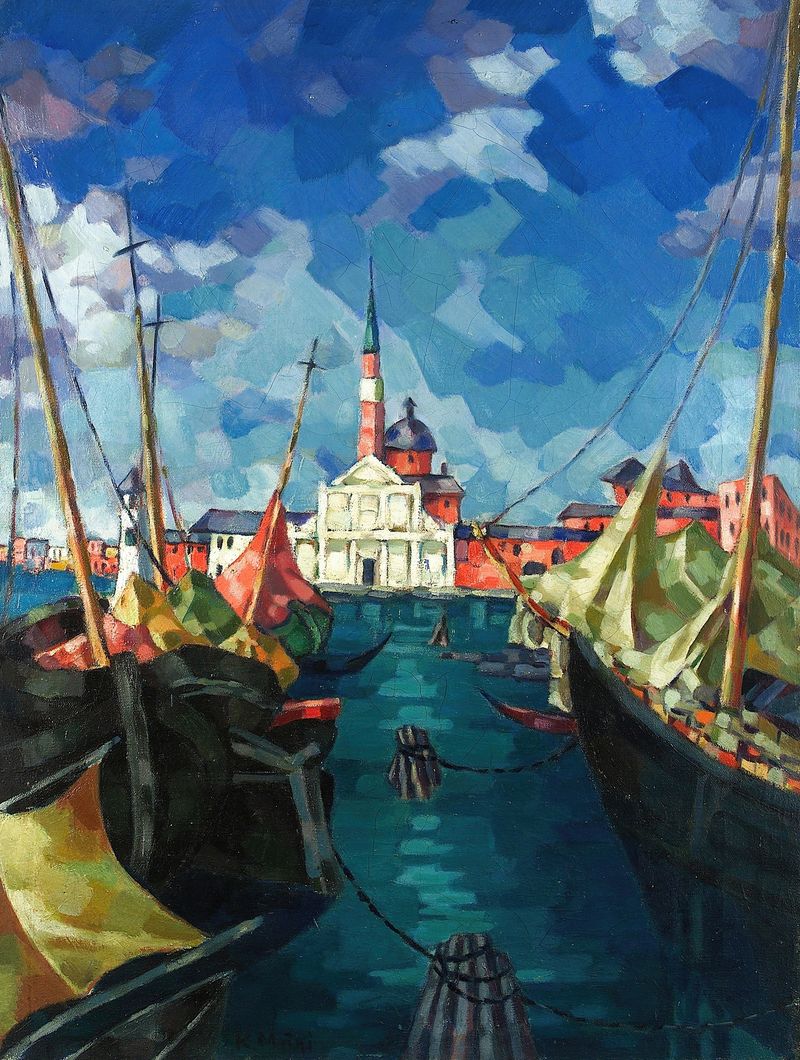
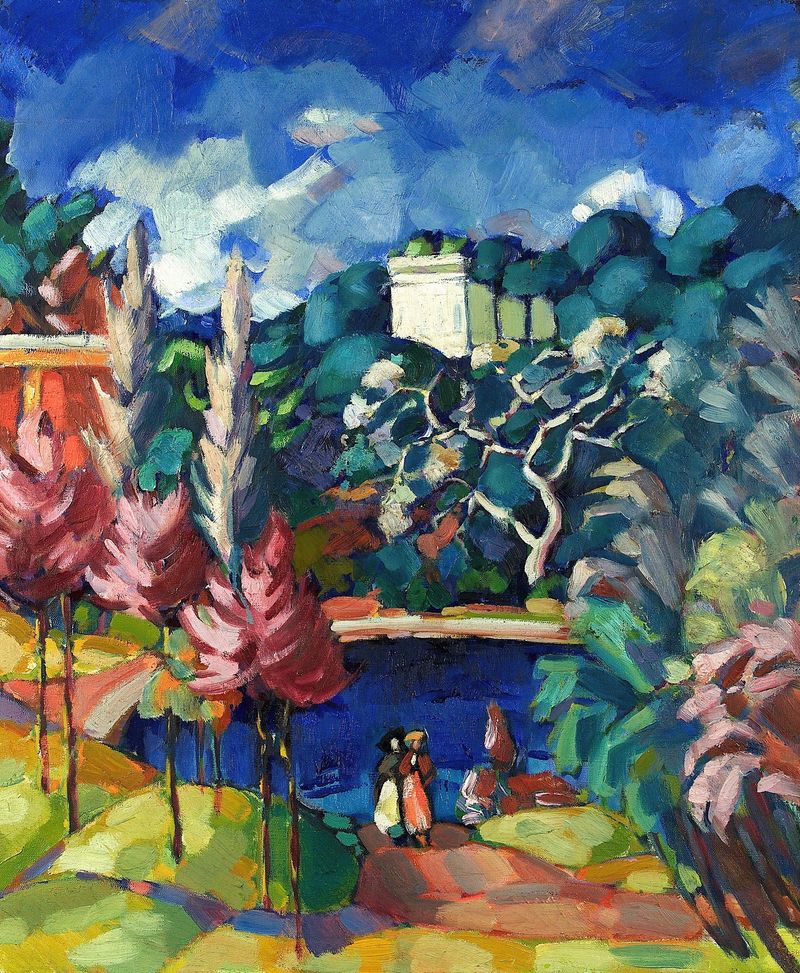
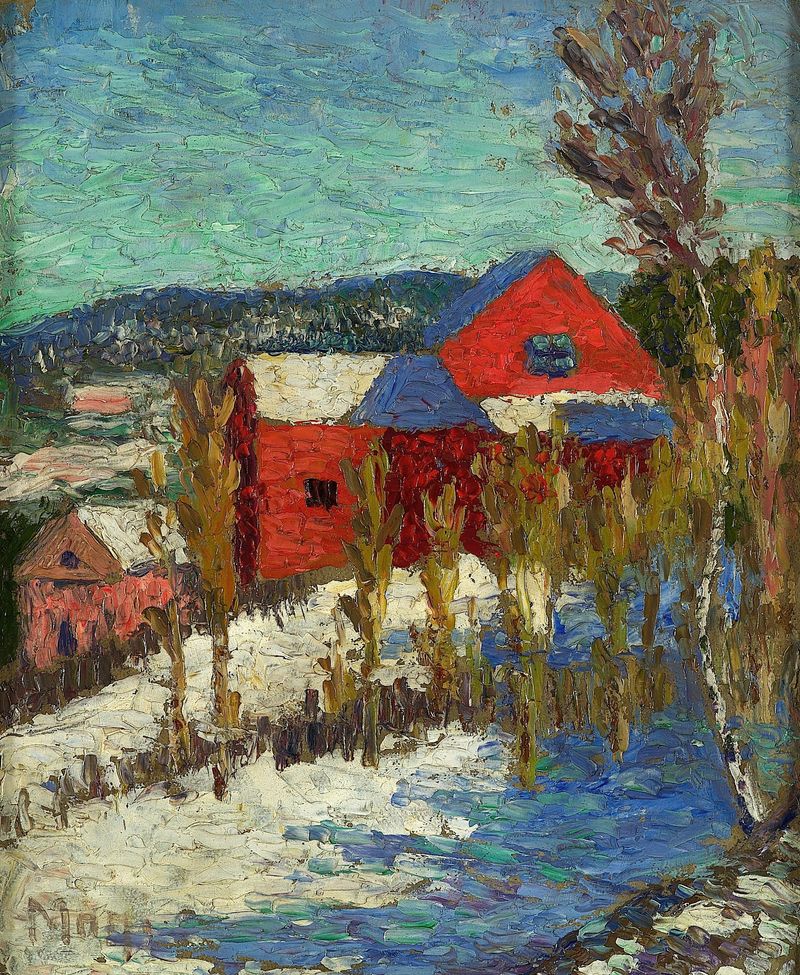
This sentiment resonates powerfully within the layers of color and emotion found in the artwork before us. Each brushstroke seems to whisper secrets of longing and loss, inviting us to explore the depths beneath the surface. Look closely at the vibrant hues that dominate the canvas; a rich palette of blues and golds captures the ethereal beauty of the landscape. Focus on the luminous sky, where soft cloud formations blend seamlessly with the horizon, creating a serene yet haunting atmosphere.
Notice how the interplay of light not only highlights the natural splendor of Capri but also casts shadows that suggest something deeper is at play—a sense of absence amid the idyllic scenery. As you delve deeper into the details, consider the contrast between the inviting beauty of the scene and the underlying sense of melancholy woven throughout. The delicate brushwork evokes a gentle breeze, yet there’s a palpable tension in the unoccupied spaces, hinting at memories of what once was. The shimmering water reflects both the light and the weight of loss, suggesting that this paradise is tinged with bittersweet reminiscence. Created between 1921 and 1922, this work emerged during a significant period in the artist's life, as he resided in Estonia grappling with personal hardships amid a changing world.
Mägi was influenced by the vibrant color theories emerging in European art, yet he infused his landscapes with emotional depth, reflecting his own experiences of separation and nostalgia. This painting stands as both an homage to beauty and a testament to the pain that often accompanies it.