
Fountain, Villa Borghese — History & Facts
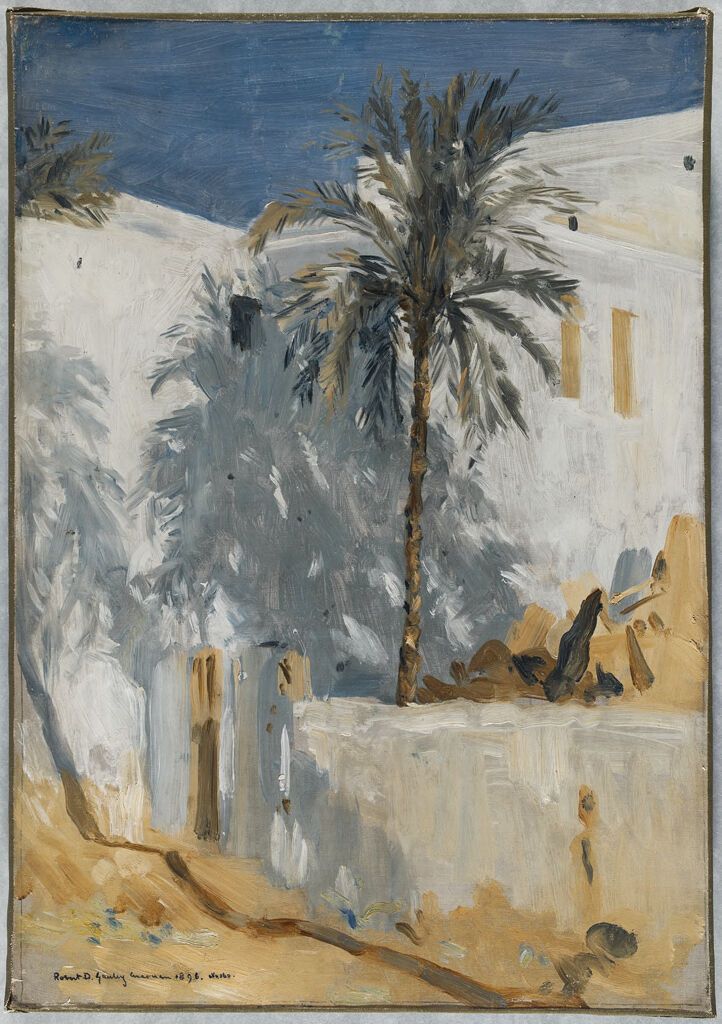
When did color learn to lie? The vibrant hues of a garden can mask a deeper longing, creating a bittersweet melody in nature’s symphony. Look to the right at the gentle cascade of water, shimmering in a spectrum of blues and greens. The fountain stands as a focal point, intricately carved and alive with movement, drawing the eye with its playful splashes. Notice how the light dances across the surface, creating glimmers that contrast with the shadowy recesses, inviting you to venture closer yet reminding you of the solitude often found within beauty. Beneath the surface, one can sense an undercurrent of melancholy.
Each droplet that falls echoes the passage of time, the fleeting nature of joy, and the quiet solitude that gardens often embody. The lush foliage surrounding the fountain serves as both a frame and a barrier, suggesting that while beauty can be intoxicating, it may also conceal the loneliness lurking just beyond the vibrant blooms. In 1896, Gauley painted this work during a time of personal reflection and artistic exploration. Living amidst the thriving artistic community of Paris, he navigated the shifts in style and perception that characterized the late 19th century.
His choice to depict such a serene yet emotionally charged scene reflects not only his own artistic journey but also resonates with a broader exploration of beauty and sorrow in art at this time.
More Artworks by Robert David Gauley
Browse all →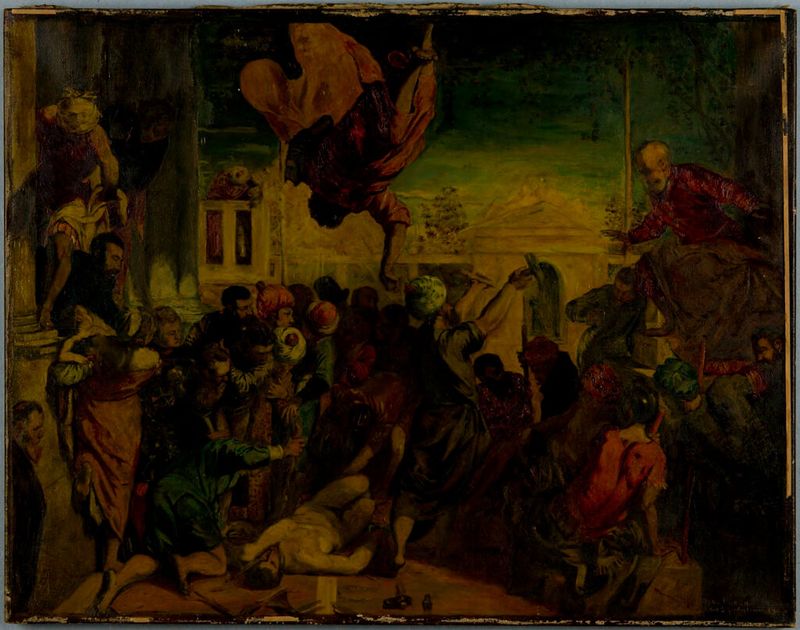
Saint Mark Rescuing a Slave, after Tintoretto
Robert David Gauley
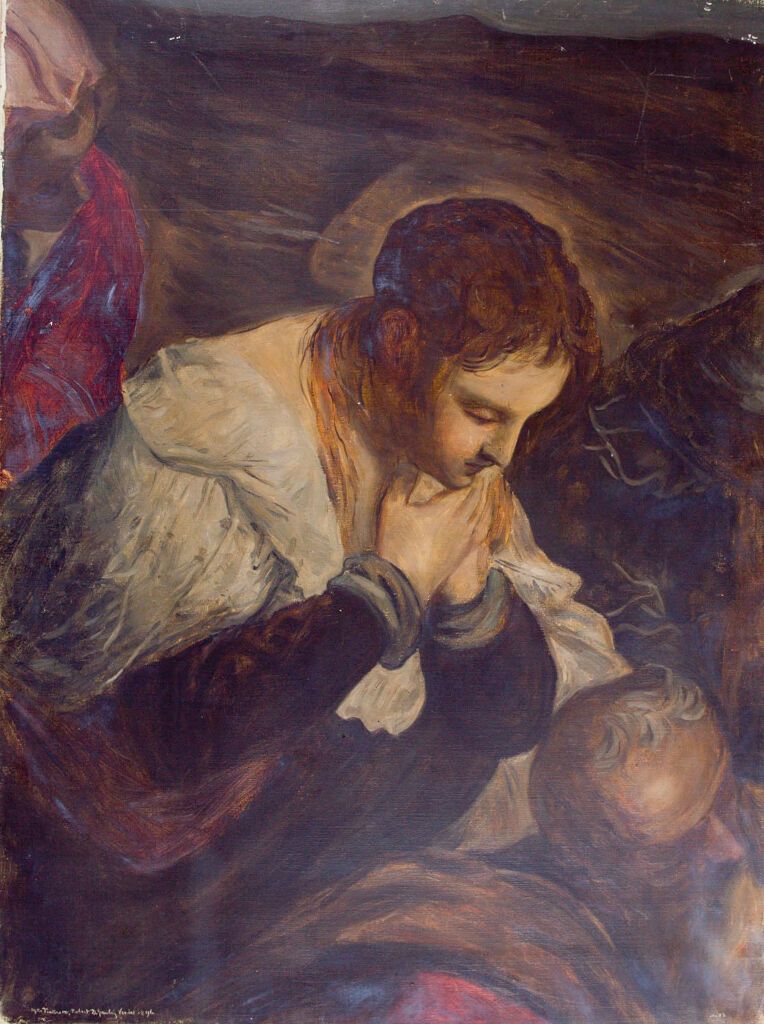
Three Figures in Procession, after Tintoretto
Robert David Gauley
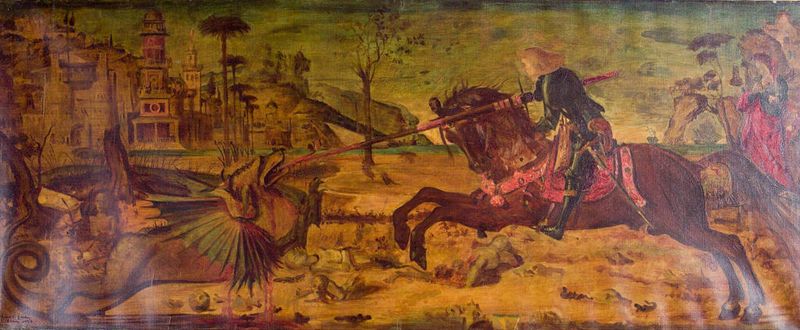
St. George Killing the Dragon, after Carpaccio
Robert David Gauley
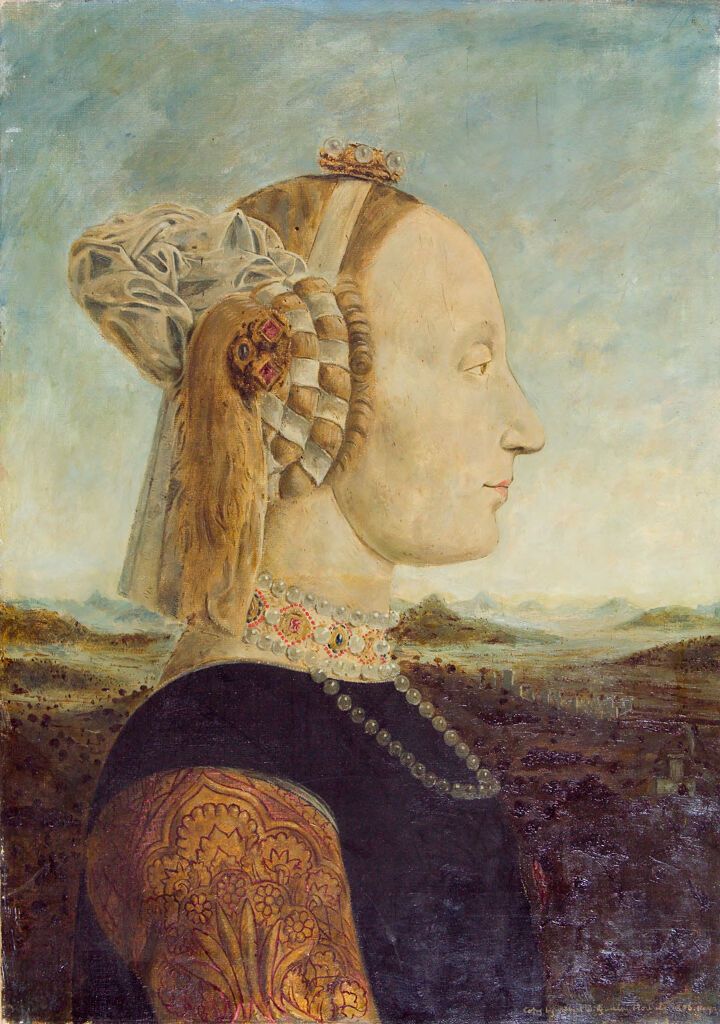
Battista Sforza, Duchess of Urbino, after Piero della Francesca
Robert David Gauley
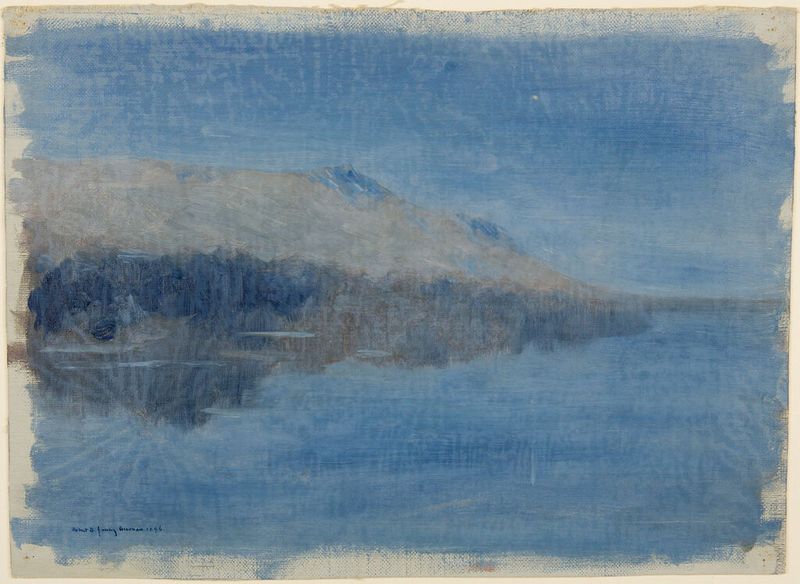
The Nile at Assouan, Moonlight
Robert David Gauley
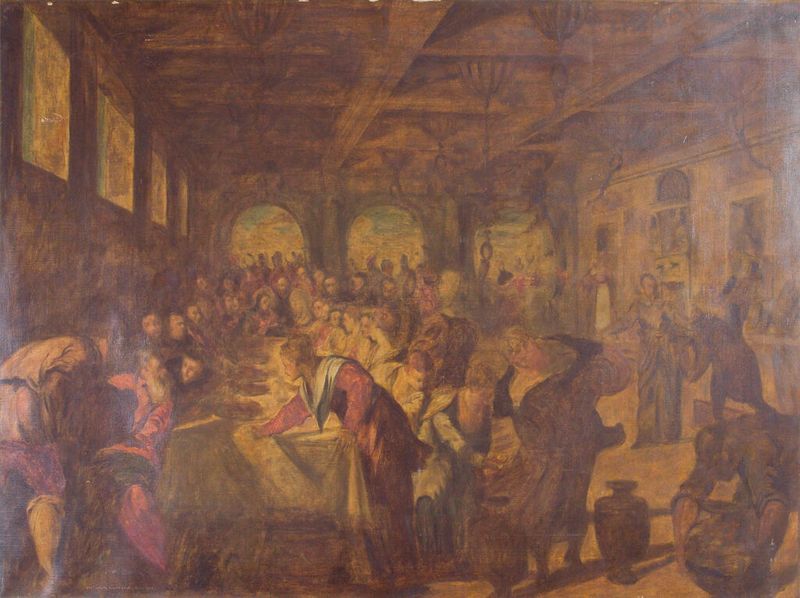
Wedding Feast at Cana, after Tintoretto
Robert David Gauley
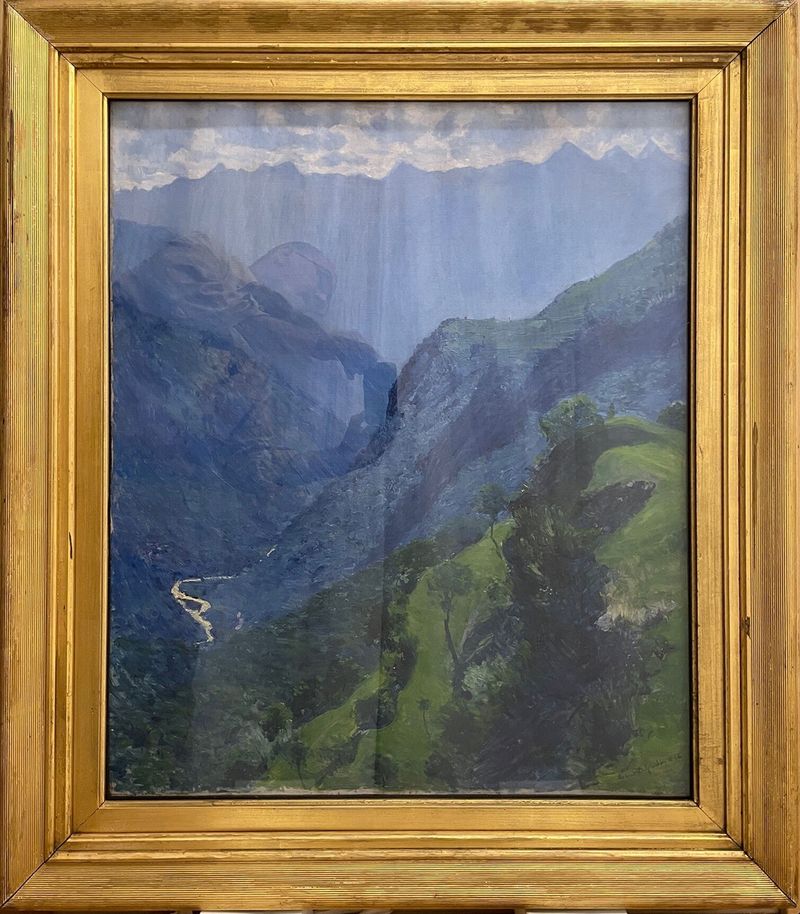
Mountain Pass
Robert David Gauley
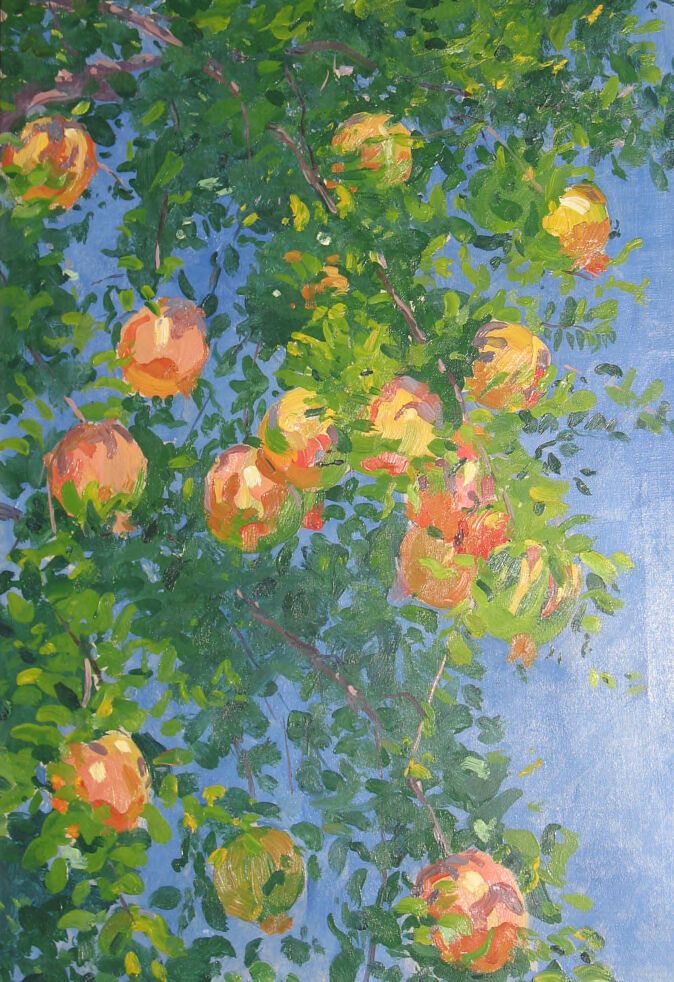
Pomegranates, Granada
Robert David Gauley
Buildings, Assouan
Robert David Gauley





