
Upturned teapot — History & Facts
A teapot lies toppled, its belly catching the light like a flash of memory, the lid set aside as if the story has just paused. The eye is drawn first to the gleaming metal, rendered with broad, confident strokes that flicker across the surface, suggesting both the weight of the object and the fleeting nature of the moment. The darkness inside the pot is absolute, a void that contrasts with the riot of golds and ochres that dance across its exterior.
Here, Adolph von Menzel invites us to linger on the ordinary, to find drama in the accidental arrangement of things—a teapot upturned, its function suspended, the world momentarily held in suspense. Painted in 1856, this still life belongs to a period when artists across Europe were rethinking the boundaries between everyday observation and painterly bravura. The loose, almost sketch-like handling of the brush recalls the immediacy of Manet's early still lifes, yet Menzel’s approach is distinct: the teapot is not merely an object, but a stage for light and shadow, for the play between surface and depth. The handle, spout, and lid are all described with just enough detail to be convincing, but never so much as to lose the sense of movement—the sense that this is a moment snatched from the flow of time. Little is recorded about this particular work beyond its appearance at Sotheby's, London, in 2009.
Yet its date anchors it firmly within the world of mid-nineteenth-century Europe, a time when the genre of still life was enjoying a quiet resurgence among artists eager to demonstrate technical skill and to meditate on the material world. Such paintings were often made for private collectors who prized both their decorative appeal and their subtle invitation to contemplation. As you look again at the upturned vessel, consider how much story can be found in the simplest of things—how an everyday object, caught in a shaft of light, can become a moment of revelation.
More Artworks by Adolph von Menzel
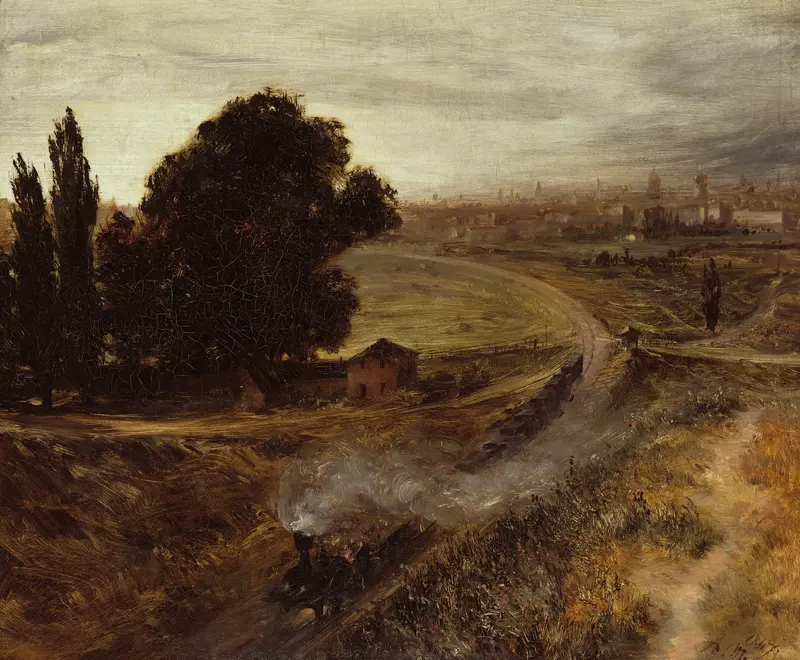
The Berlin-Potsdam Railway
Adolph von Menzel
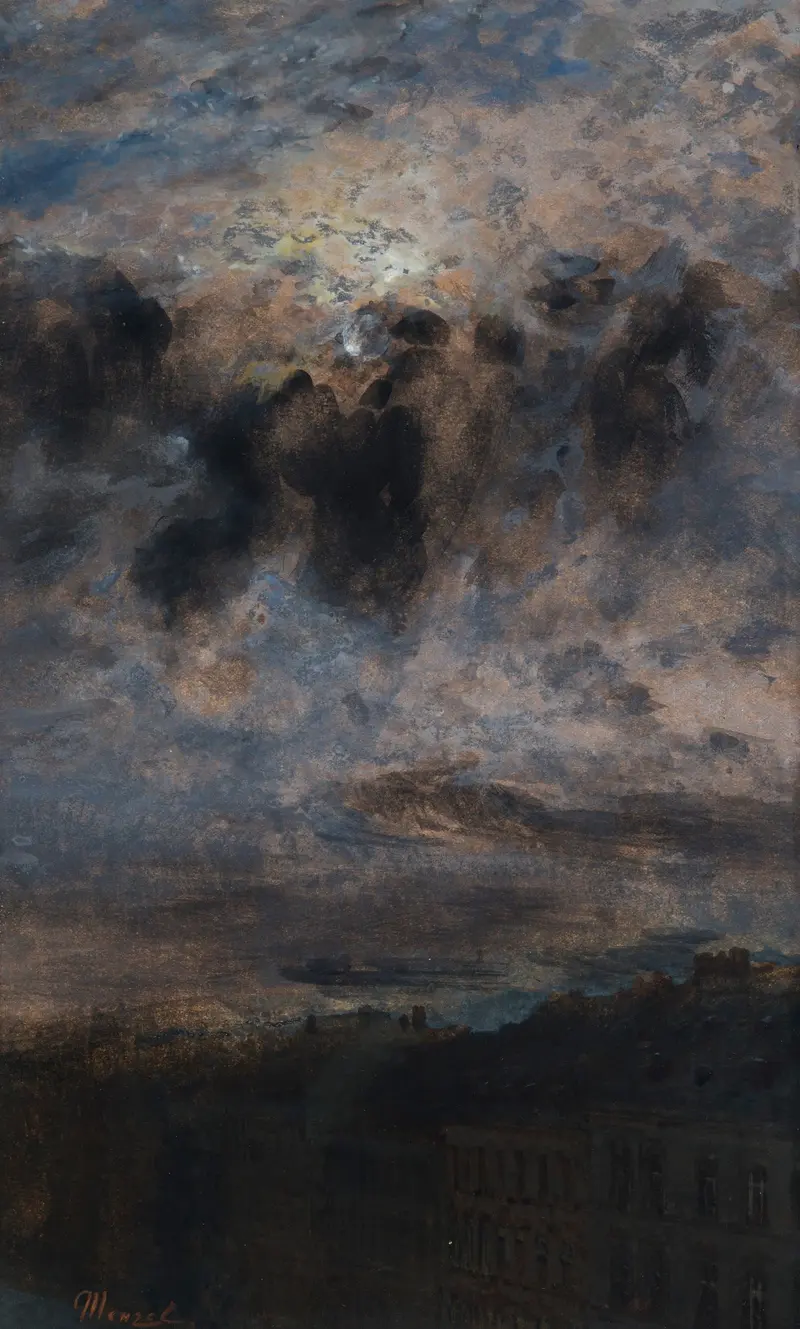
Mondschein über den Dächern von Berlin
Adolph von Menzel
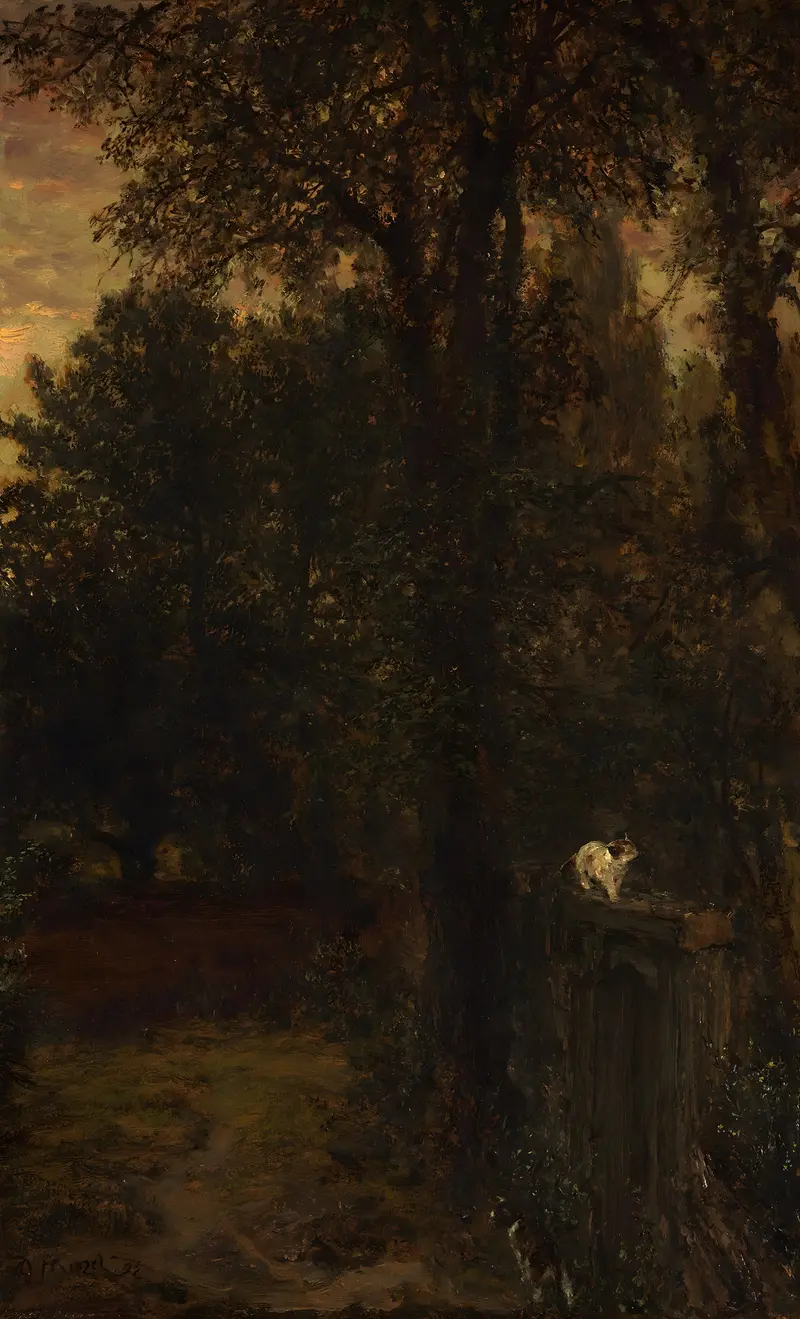
Landscape
Adolph von Menzel
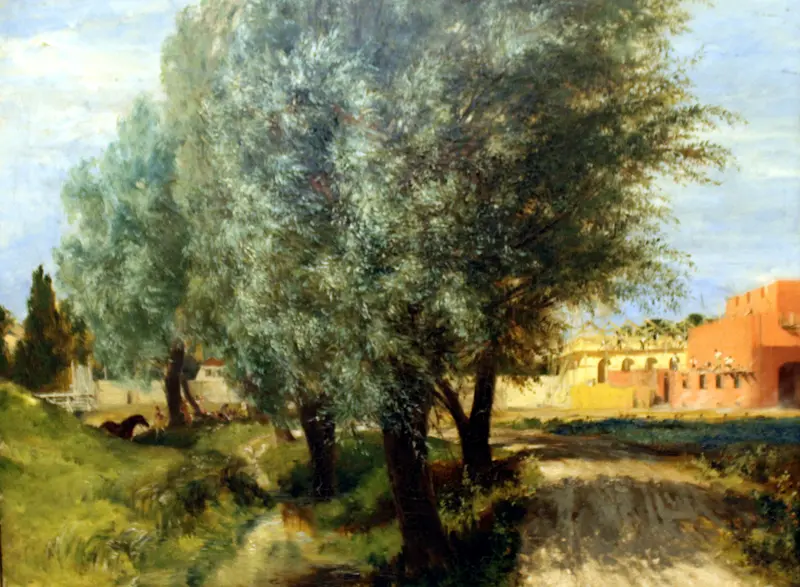
Building Site with Willows
Adolph von Menzel
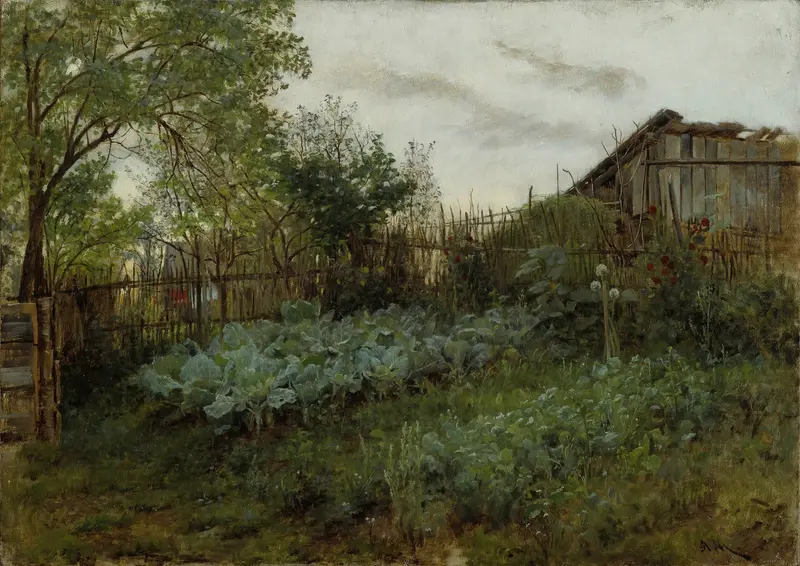
The Back Garden
Adolph von Menzel
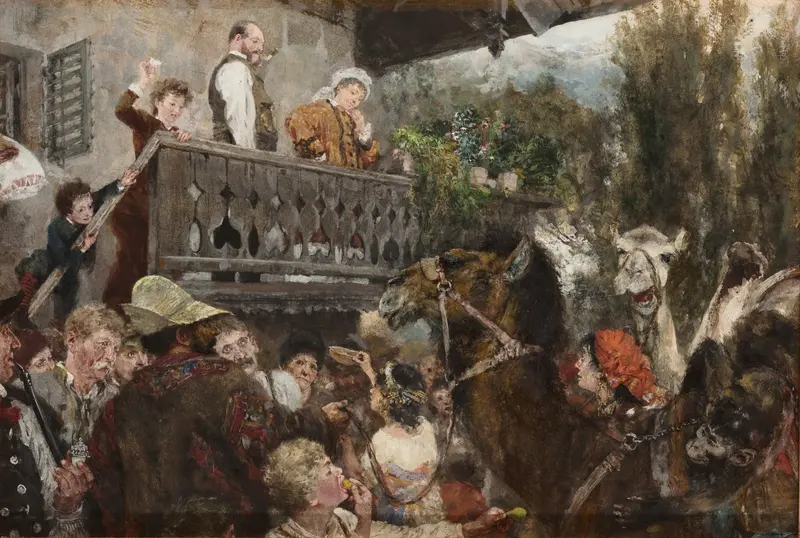
The wandering circus (Camel drivers in Partenkirchen)
Adolph von Menzel
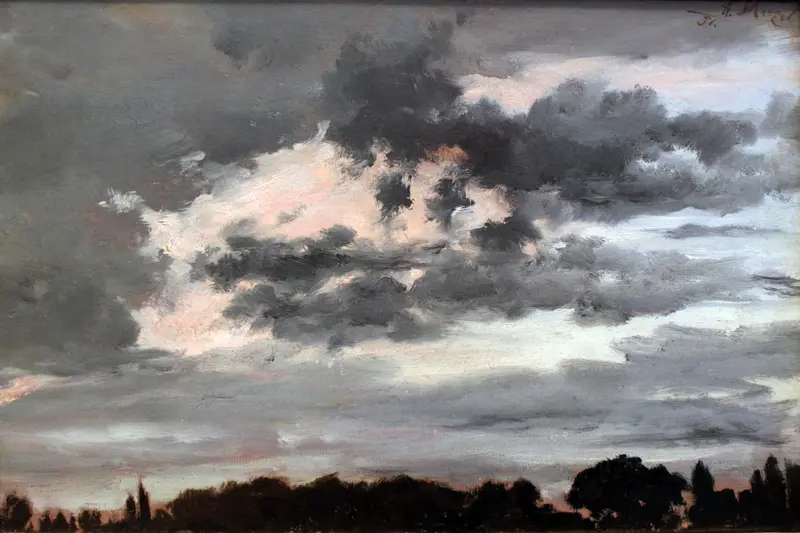
Cloud Study
Adolph von Menzel
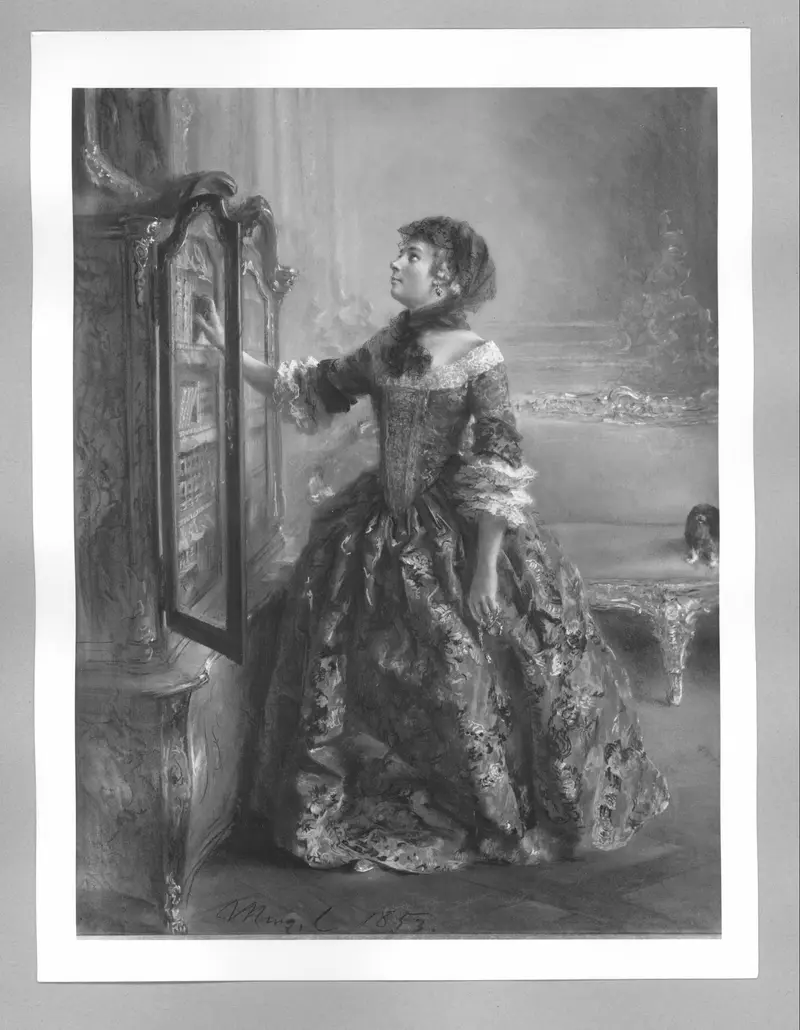
Adolf Friedrich Erdmann Menzel Dame in Rokoko Kostüm vor einem Bücherschrank (Prinzessin Amalie von Hohenzollern) 2320 Führermuseum
Adolph von Menzel
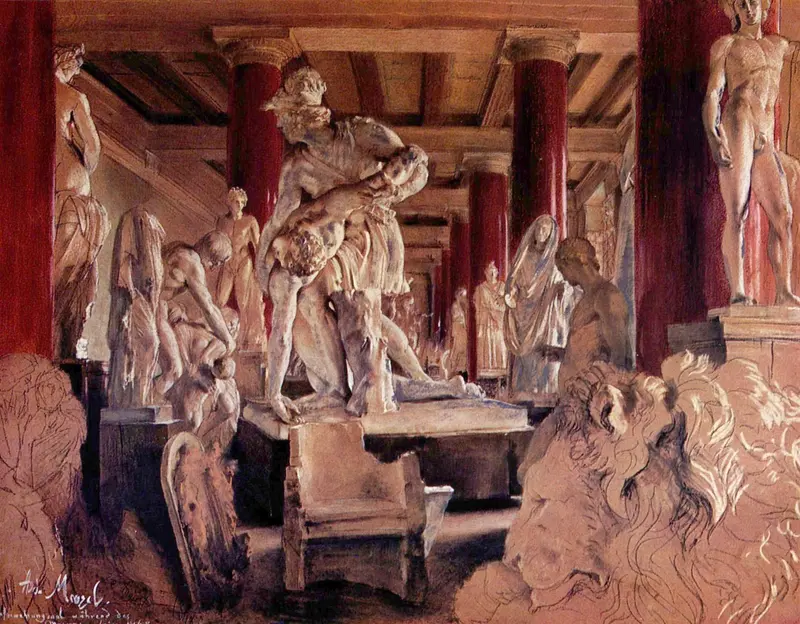
Aufbewahrungssaal während des Museumsumbaus Adolf Friedrich Erdmann von Menzel (Alte Nationalgalerie, Berlin)
Adolph von Menzel
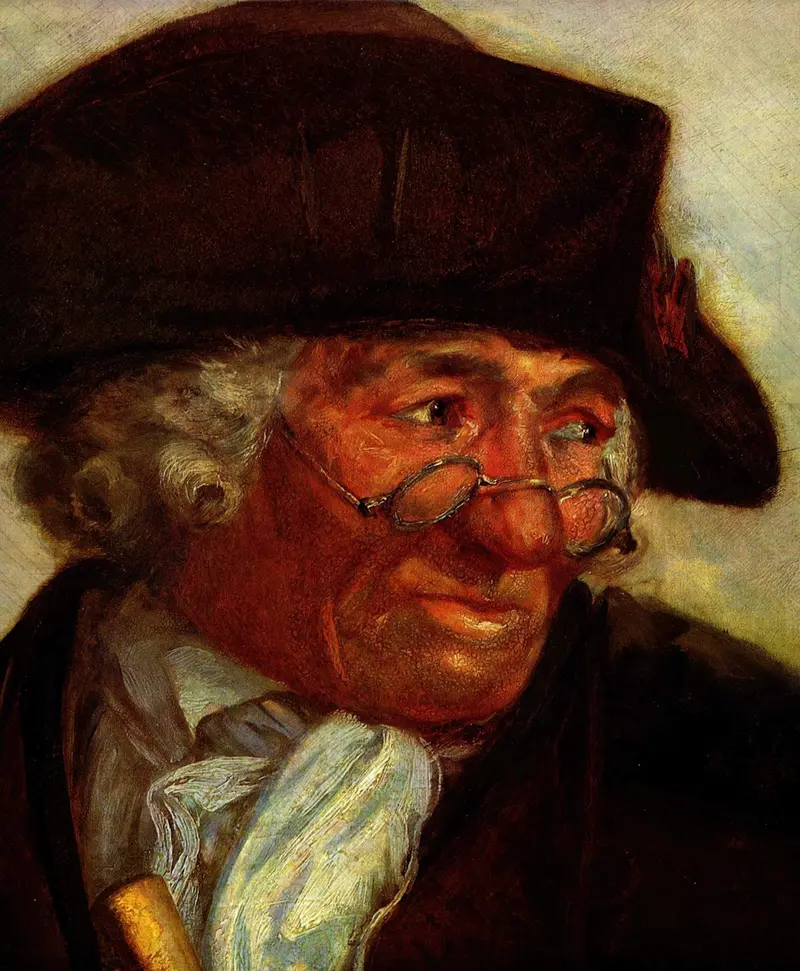
Chodowiecki on the Jannowitz Bridge
Adolph von Menzel





