
Upukerora River — History & Facts
The Upukerora River offers a striking visual metaphor for the tumult of nature and the human experience intertwined within its flow. Each curve of the river and whisper of the wind echoes the chaotic undercurrents of life, inviting viewers to contemplate the depths beneath the shimmering surface. Look to the center where the river meanders, its azure and emerald hues juxtaposed with the jagged cliffs that rise steeply on either side. Notice how Chevalier captures the interplay of light and shadow—a brilliant sun breaks through the clouds, illuminating patches of the turbulent water while leaving others cloaked in mystery.
The artist’s deft brushwork conveys movement, as if the viewer stands at the river's edge, feeling the rush of water and wind. Beneath this idyllic scene lies a tension between serenity and chaos. The vibrant colors of the landscape mask a deeper struggle, hinting at the tumultuous forces shaping the natural world. The rugged cliffs symbolize the unforgiving nature of life, while the river’s winding path suggests the need to navigate its unpredictable currents.
Chevalier masterfully balances beauty with the rawness of nature, a reminder that within tranquility often lies a hidden storm. In 1866, Chevalier painted this work during his travels in New Zealand, where he sought to capture the breathtaking landscapes that were rapidly drawing the attention of the art world. This period marked a shift in the representation of nature in art, as artists began to embrace realism and the sublime, responding to both modernity and the romanticism of landscape painting. Chevalier's experiences in this untamed land deeply influenced his approach, blending observation with an emotive interpretation of the environment around him.
More Artworks by Nicholas Chevalier
Browse all →
Coast near Dunedin
Nicholas Chevalier
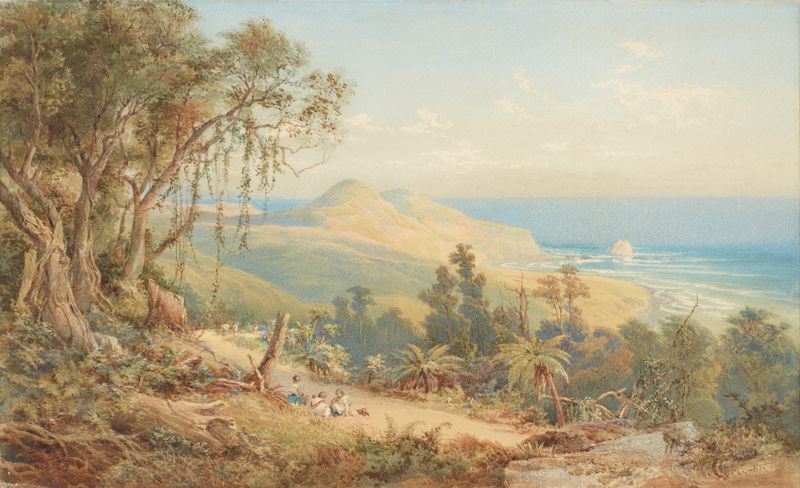
Sandfly Bay, Otago
Nicholas Chevalier

Buckler Burn at the head of Wakatipu Lake
Nicholas Chevalier

Mr MacKellar’s Station, the Waimea Plains, Southland
Nicholas Chevalier
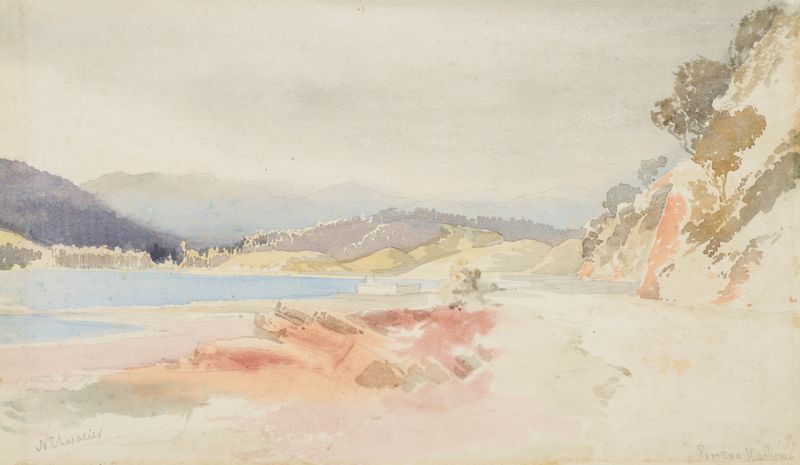
Porirua Harbour
Nicholas Chevalier
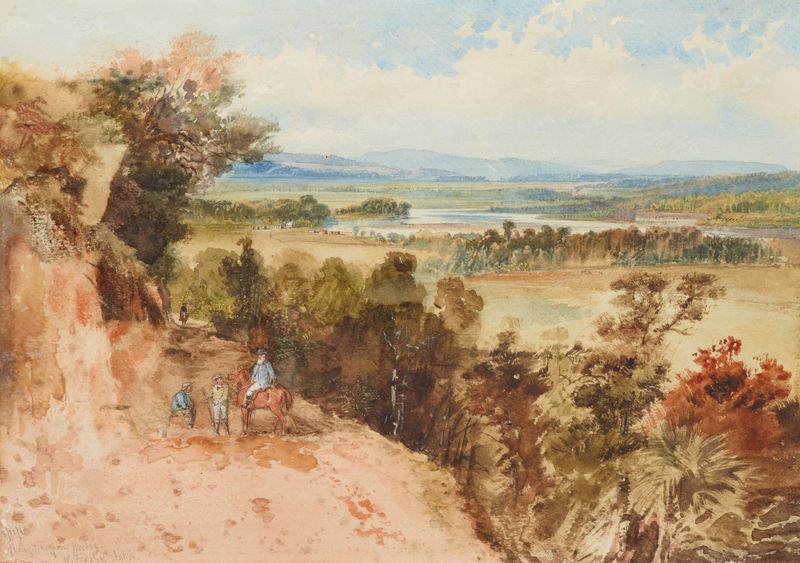
Rangitikei from Westoe, W. Fox Esq’s Station
Nicholas Chevalier

The Upper Rangitikei
Nicholas Chevalier
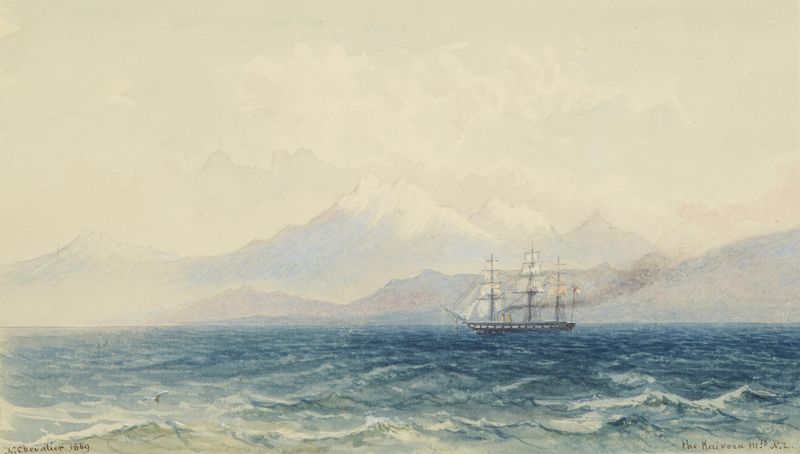
The Kaikoura Mountains, N.Z.
Nicholas Chevalier

Upper Hutt Valley
Nicholas Chevalier

The Tararua Mountains and the Waipoua River
Nicholas Chevalier





