
Urwaldansicht in den Bergen — History & Facts
Did the painter know this moment would outlive them? In Urwaldansicht in den Bergen, the essence of rebirth permeates the verdant landscape, suggesting a timeless dance of nature that transcends the artist's own existence. Look to the left at the towering trees, their trunks rich with texture and depth, spiraling upward toward a sky that hints at both dawn and dusk. Notice how the light filters through the dense foliage, casting dappled shadows on the forest floor—a masterful interplay that invites the viewer into this secluded realm. The subtle gradients of green and earthy browns evoke a sense of tranquility, while the delicate brushwork conveys a softness that speaks to the gentle touch of nature itself. In this scene, the juxtaposition of life and decay emerges through the fallen branches and vibrant ferns coexisting harmoniously.
Each element tells a story of rebirth; the lush undergrowth thrives amid the remnants of the old, emphasizing nature’s resilience. The ethereal quality of the light suggests an awakening, a reminder that beauty often rises from what has been lost. Ferdinand Keller painted Urwaldansicht in den Bergen in 1858, during a period when the Romantic movement was deeply influencing the art world. Living in Europe, he experienced the shifting values of nature and industry, and his work reflects a longing for the sublime aspects of untamed landscapes.
This piece encapsulates the era's fascination with nature’s beauty, serving as a poignant reminder of humanity's connection to the wild, even in changing times.
More Artworks by Ferdinand Keller
Browse all →
Markt in Rio
Ferdinand Keller
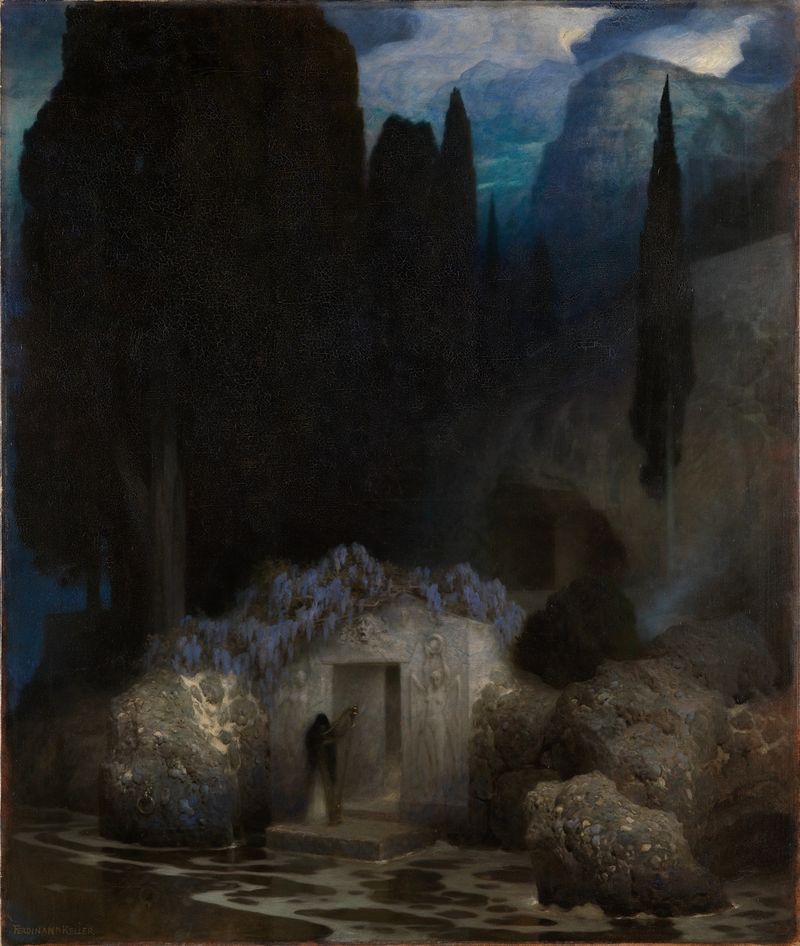
Böcklins Grab
Ferdinand Keller

Reisende in Brasilien
Ferdinand Keller
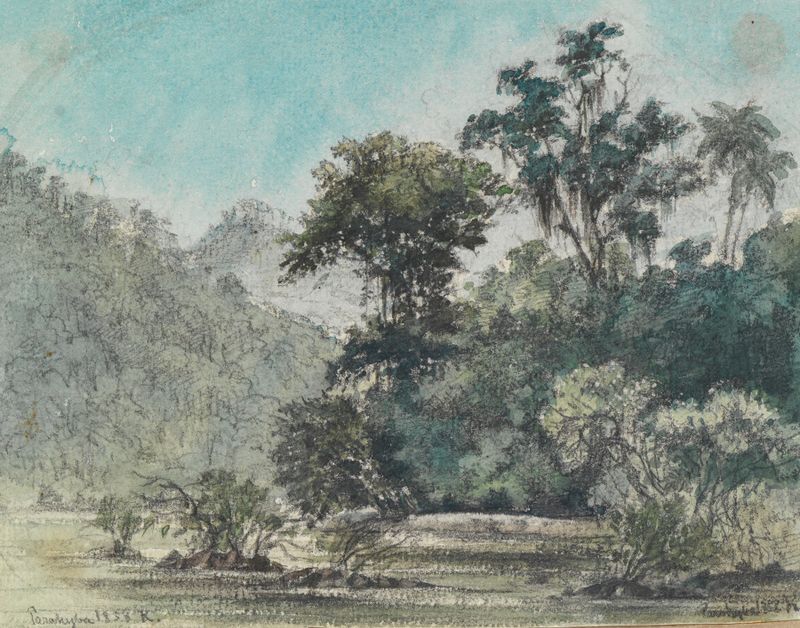
Blick auf das bewaldete Flussufer
Ferdinand Keller

Seestück- Segel und Ruderboote auf bewegtem Meer
Ferdinand Keller
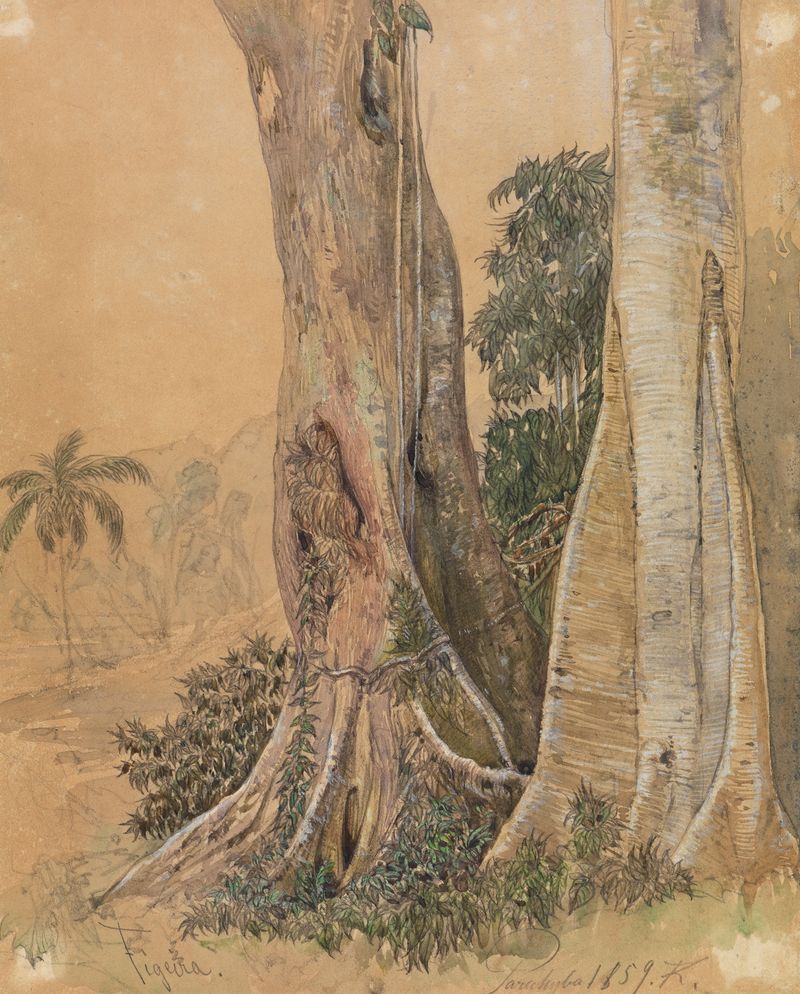
Figeira-Stämme am Ufer des Parahyba
Ferdinand Keller

Flusslauf mit aufragender Felswand
Ferdinand Keller
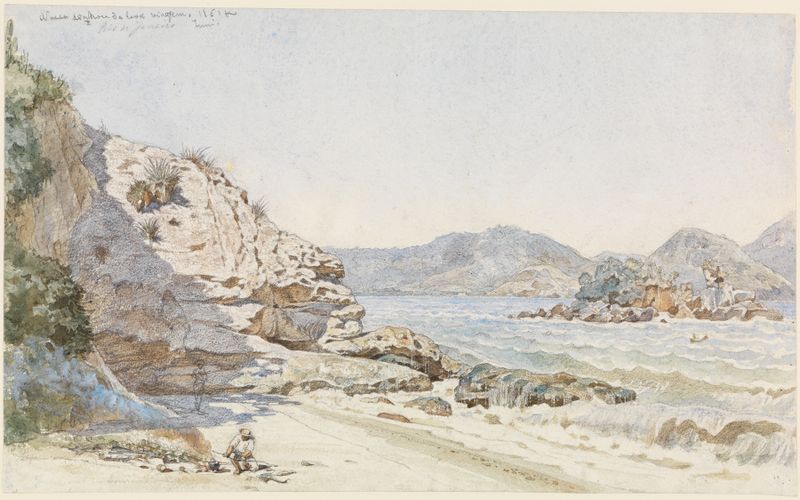
Meeresbucht bei Rio de Janeiro
Ferdinand Keller
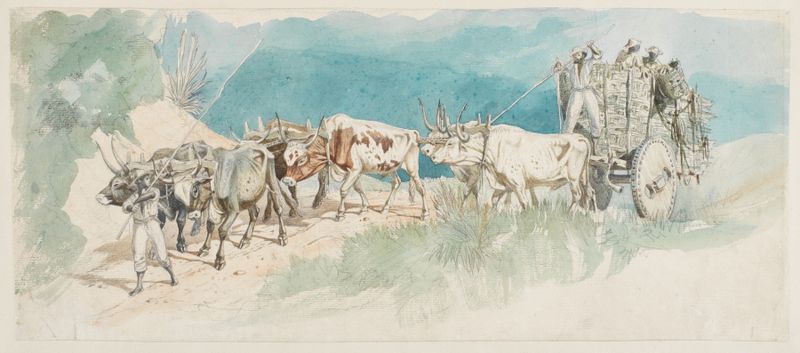
Zweiradgespann, von sechs Büffeln gezogen
Ferdinand Keller
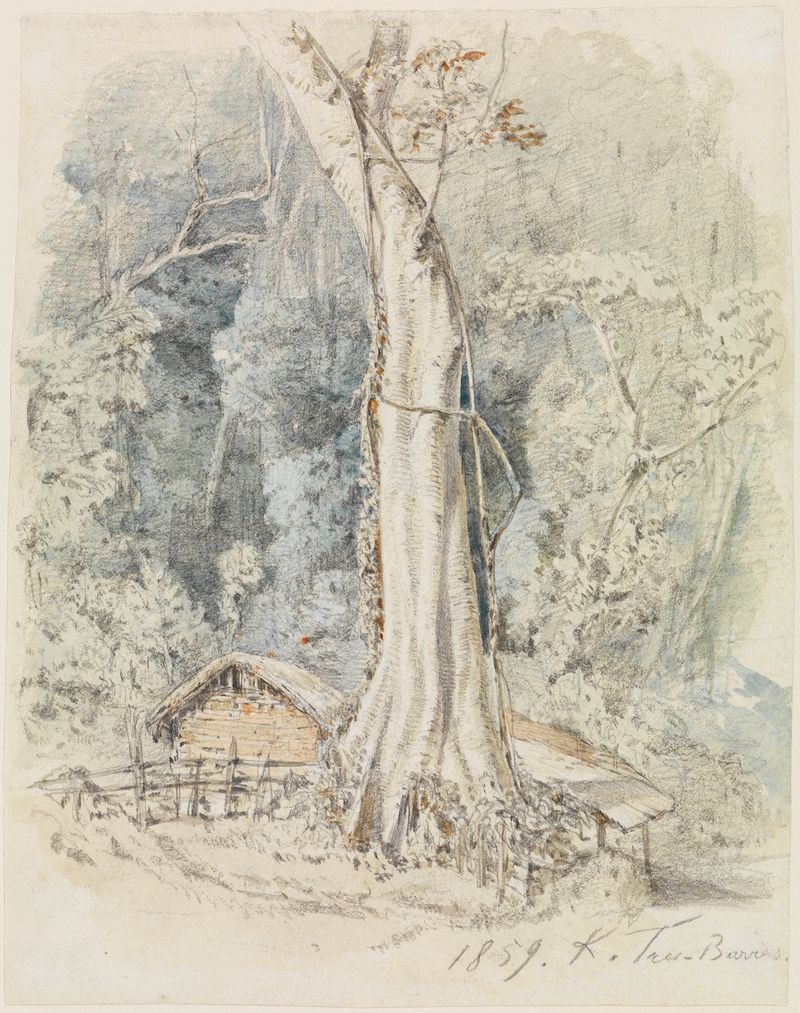
Haus mit Unterstand im Urwald bei Tres-Barras
Ferdinand Keller





