Uzistorf — History & Facts
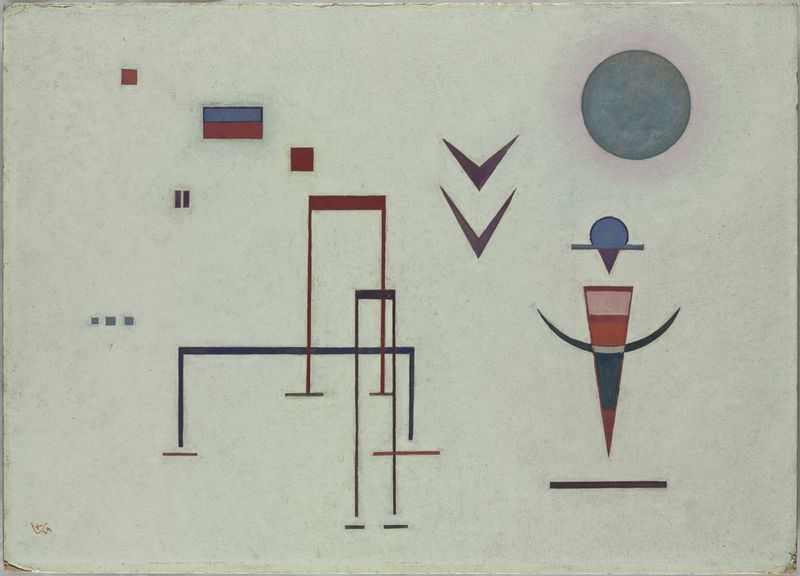
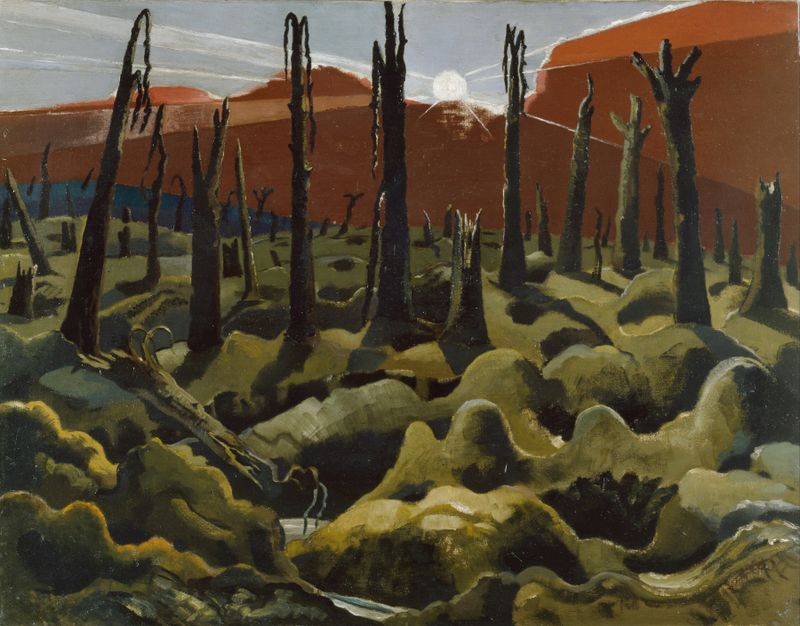
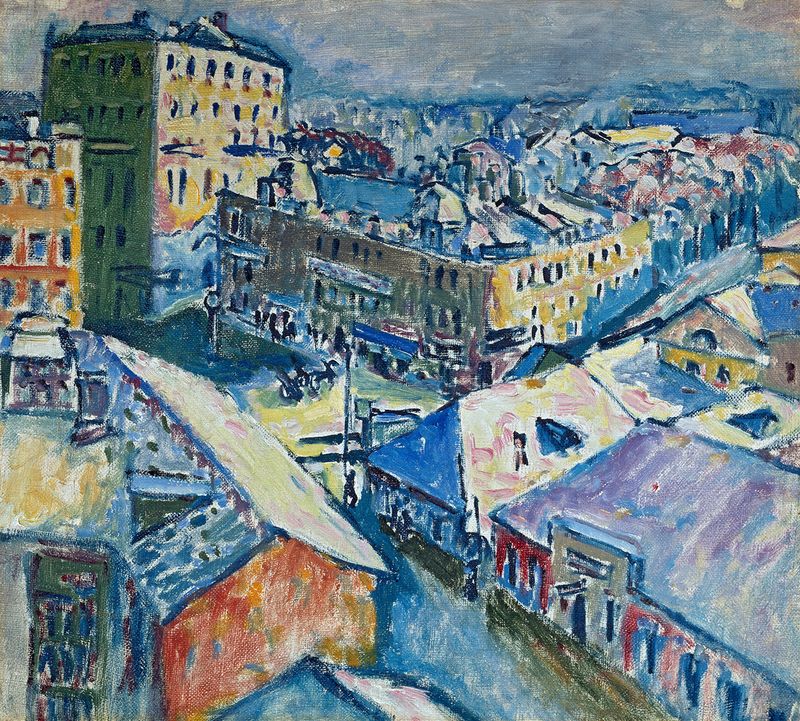
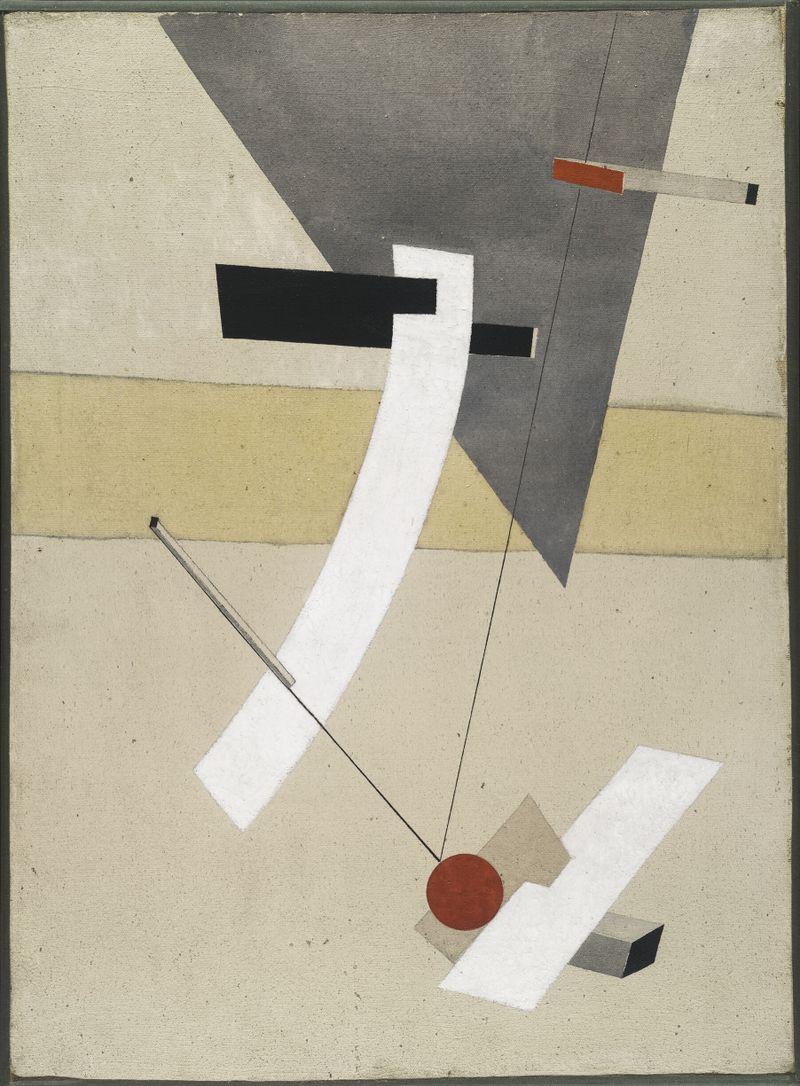
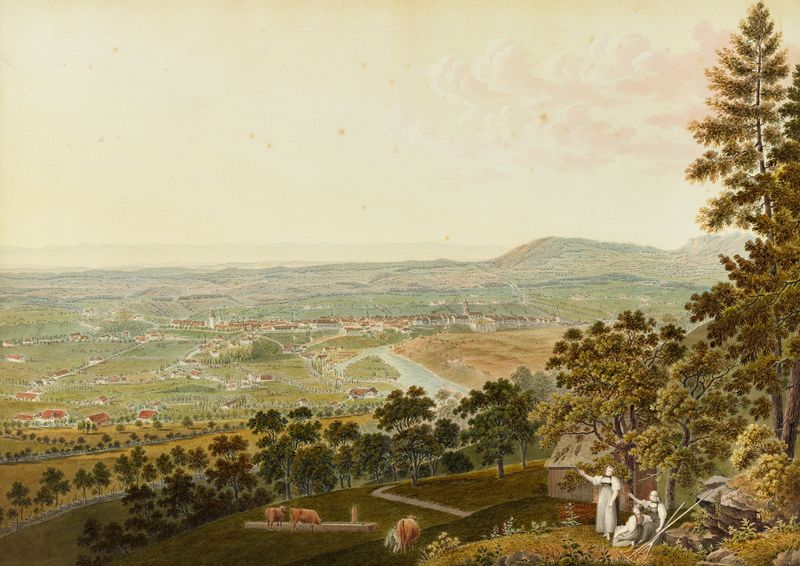
Who listens when art speaks of silence? In the intricate layers of Uzistorf, the viewer is invited to embark on a spiritual journey, where faith transforms silence into a resonant echo. Look closely at the muted palette that envelops the canvas; gentle grays and soft browns blend seamlessly, creating a somber yet contemplative atmosphere. The focal point emerges as an abstract form, subtly illuminated at its edges, drawing your gaze inward. Notice how the delicate brushwork evokes a sense of texture, contrasting with the smoothness of the background, suggesting a dialogue between chaos and tranquility. Within this quiet composition lies profound meaning.
The interplay of light and dark represents the duality of faith and doubt, while the abstract forms hint at both the visible and invisible realms. Each stroke appears to whisper secrets of belief, inviting the observer to reflect on personal moments of introspection. The overall effect resonates with the tension between absence and presence, embodying the essence of faith as a silent guide through life's uncertainties. Created during a time of personal exploration, Weibel painted Uzistorf in a period marked by artistic experimentation.
Though the exact date remains unknown, his work reflects broader movements in contemporary art that sought to transcend traditional boundaries. The artist’s engagement with spirituality and the human condition during this era highlights a quest for deeper understanding, positioning him as a significant figure in the conversation about faith in modern art.
More Artworks by Jakob Samuel Weibel
Browse all →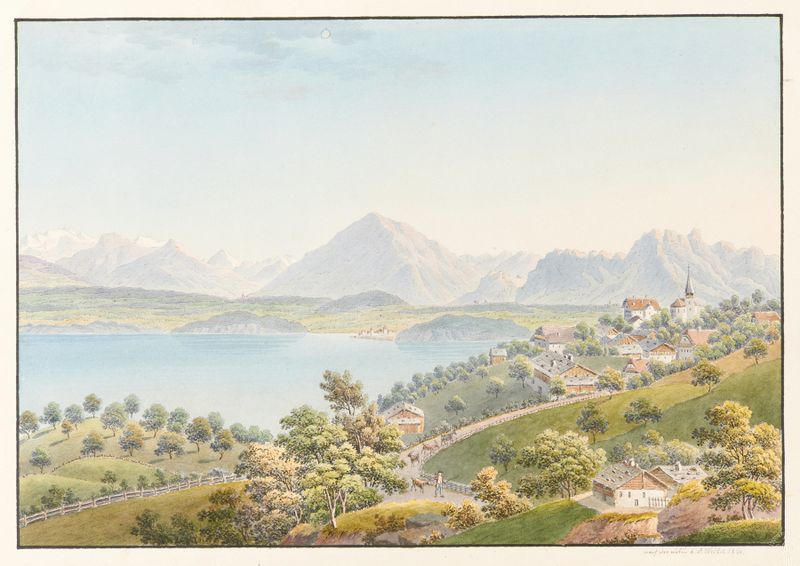
Vue dessiné depuis le Village de Sigriswil, audessus du Lac de Thoune
Jakob Samuel Weibel
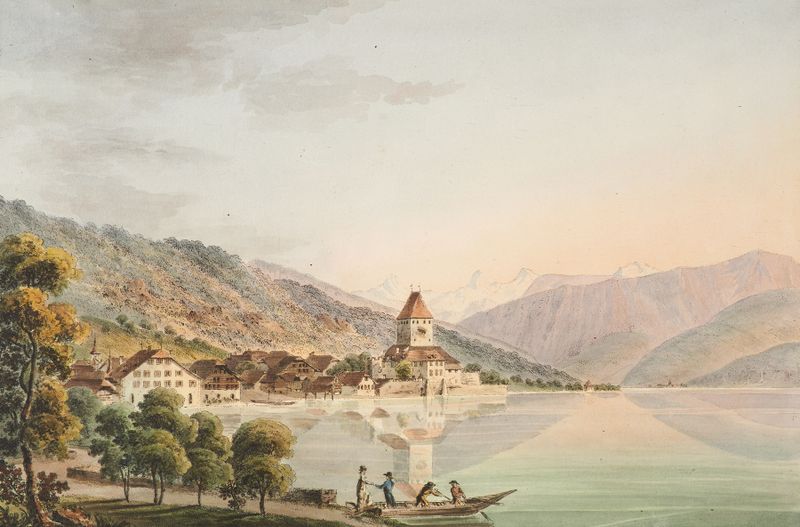
Vûe du Chateau d’Oberhofen au Lac de Thoune
Jakob Samuel Weibel
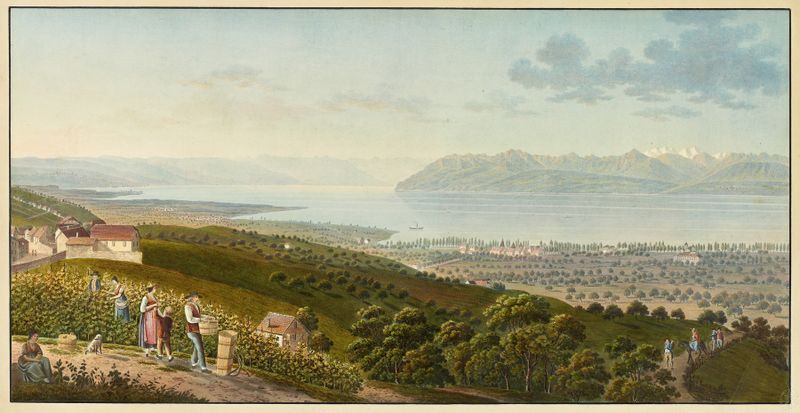
Vue genérale du Lac de Geneve
Jakob Samuel Weibel
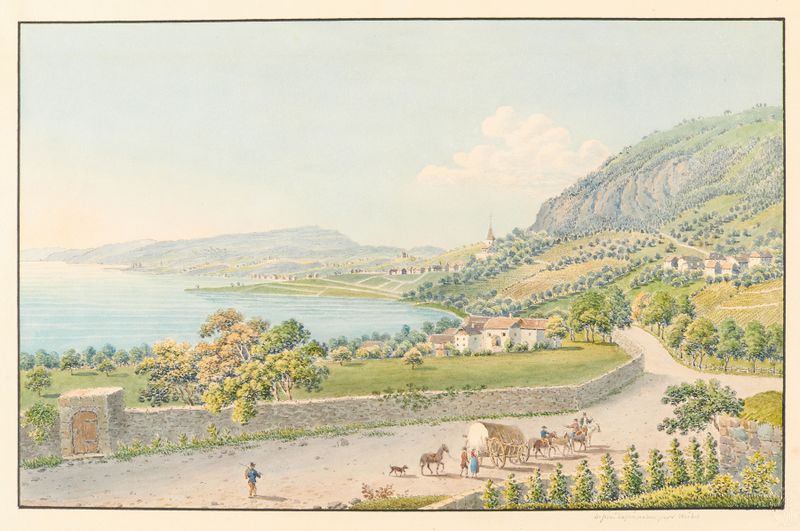
Vue des environs de Montreux et de Clarens
Jakob Samuel Weibel
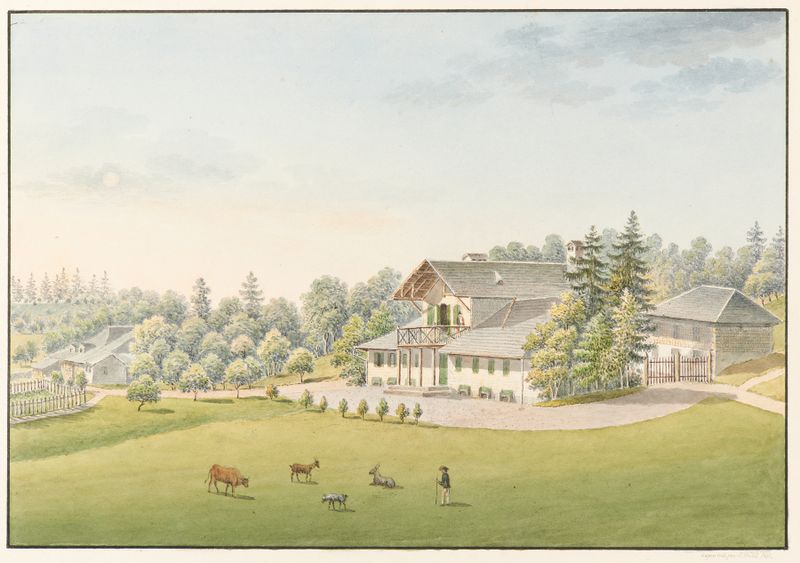
Vue du nouveau Châlet de Vernand
Jakob Samuel Weibel
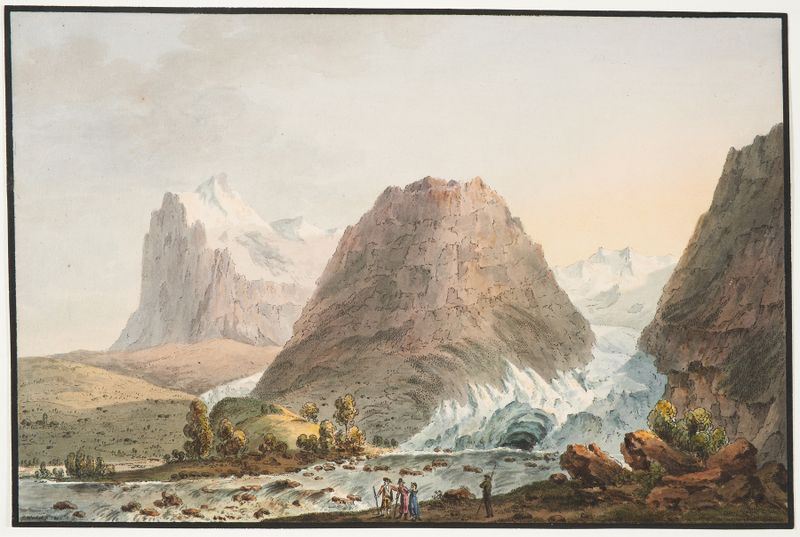
Vûe des Glacieres de Grindelwald
Jakob Samuel Weibel
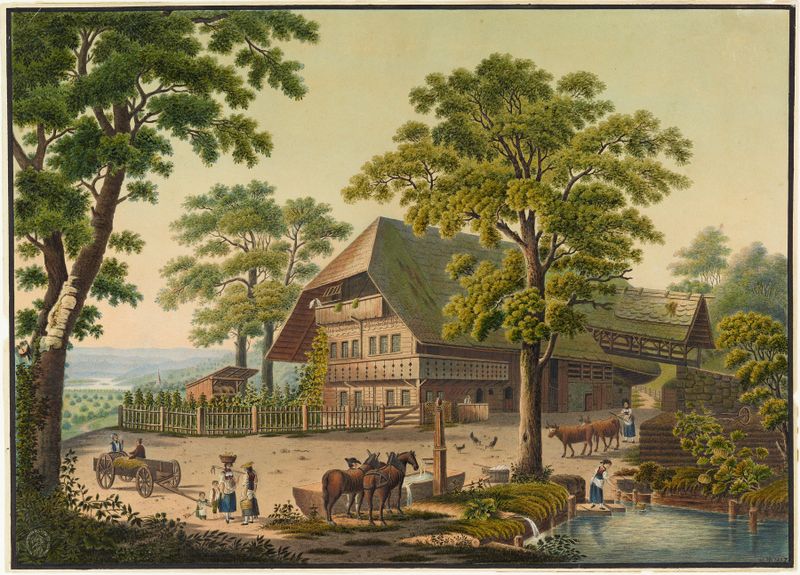
Maison de paysan près Wichtrach
Jakob Samuel Weibel
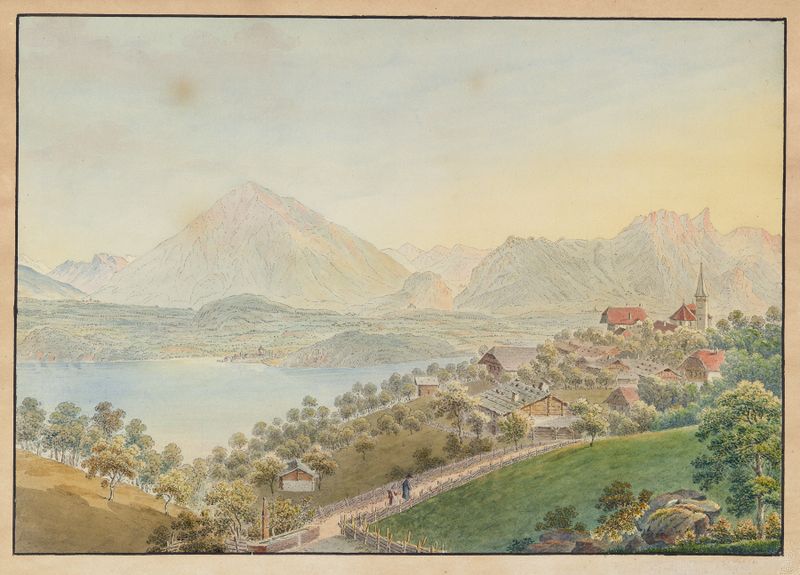
Ansicht von Sigriswil mit Niesen und Thunersee
Jakob Samuel Weibel
Ansicht Berns und der Aare vom Gurten aus
Jakob Samuel Weibel

Lausanne Ville capitale du Canton de Vaud
Jakob Samuel Weibel