Vaandeldrager met een gevleugelde slang — History & Facts
In the space between the vibrant colors and intricate details, one can sense a profound transformation at play—a rebirth that hints at deeper truths waiting to emerge. Focus on the central figure, a winged serpent, draped with meticulous care. The serpent's scales shimmer in rich greens and golds, each hue capturing the light in a dance of renewal. Notice how the delicate wings stretch outward, suggesting both freedom and ascendance, while the figure's hand firmly grasping a torch signifies enlightenment and hope.
The background is subtly melded with soft earth tones, allowing the imagery of the serpent to leap forward, creating a dynamic contrast that captivates the viewer's attention. Delve into the significance of the textures and symbols interwoven into the composition. The serpent, often a representation of rebirth in various cultures, echoes the duality of life and death, while the torch illuminates the path toward knowledge and resurrection. The tension exists here, between the ethereal nature of the creature and the corporeal promise of enlightenment it offers.
Each detail serves as a small yet vital testament to the interconnectedness of myth and the quest for understanding, urging viewers to reflect on their own journeys of growth. Painted in 1520 during a period of significant change in Europe, the artist was influenced by the interplay of Renaissance ideals and the emergence of new philosophies. This artwork, created in Nuremberg, reflects a world transitioning from medieval constraints towards a more enlightened perspective, paralleling the artist's own exploration of human experience through symbolism and allegory.
More Artworks by Hans Sebald Beham
Browse all →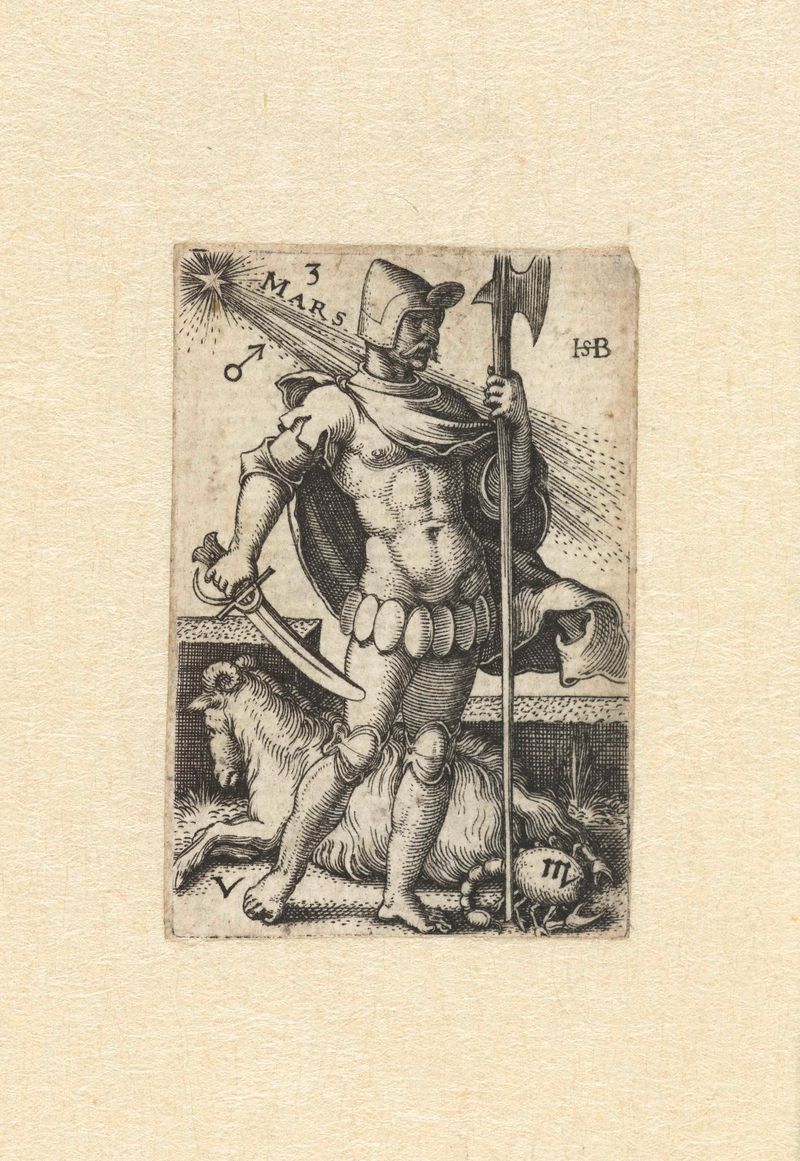
Mars met sterrenbeelden Ram en Schorpioen
Hans Sebald Beham

Achilles in gevecht met Hector
Hans Sebald Beham
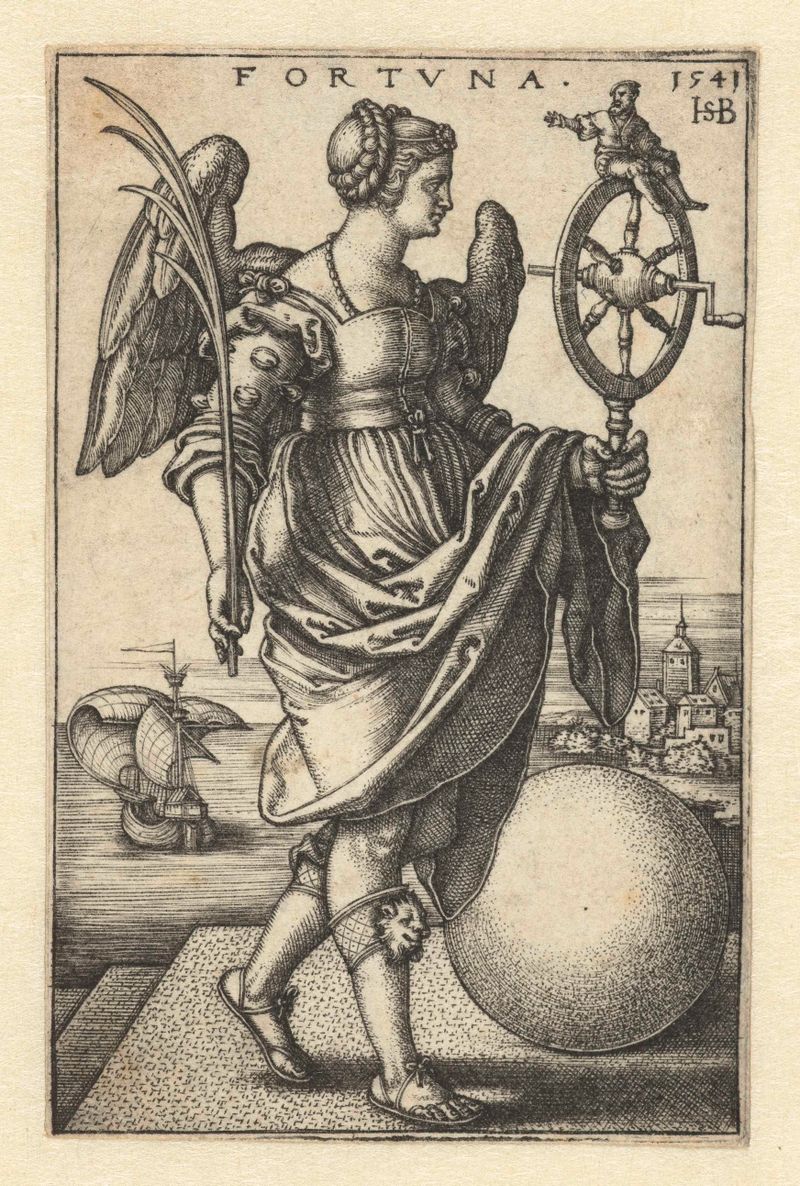
Fortuna
Hans Sebald Beham

Hercules worstelt met Antaeus
Hans Sebald Beham

Twee muzikanten met schalmey en doedelzak
Hans Sebald Beham

Voorzichtigheid (Prudentia)
Hans Sebald Beham

Hercules in gevecht met de Trojanen
Hans Sebald Beham
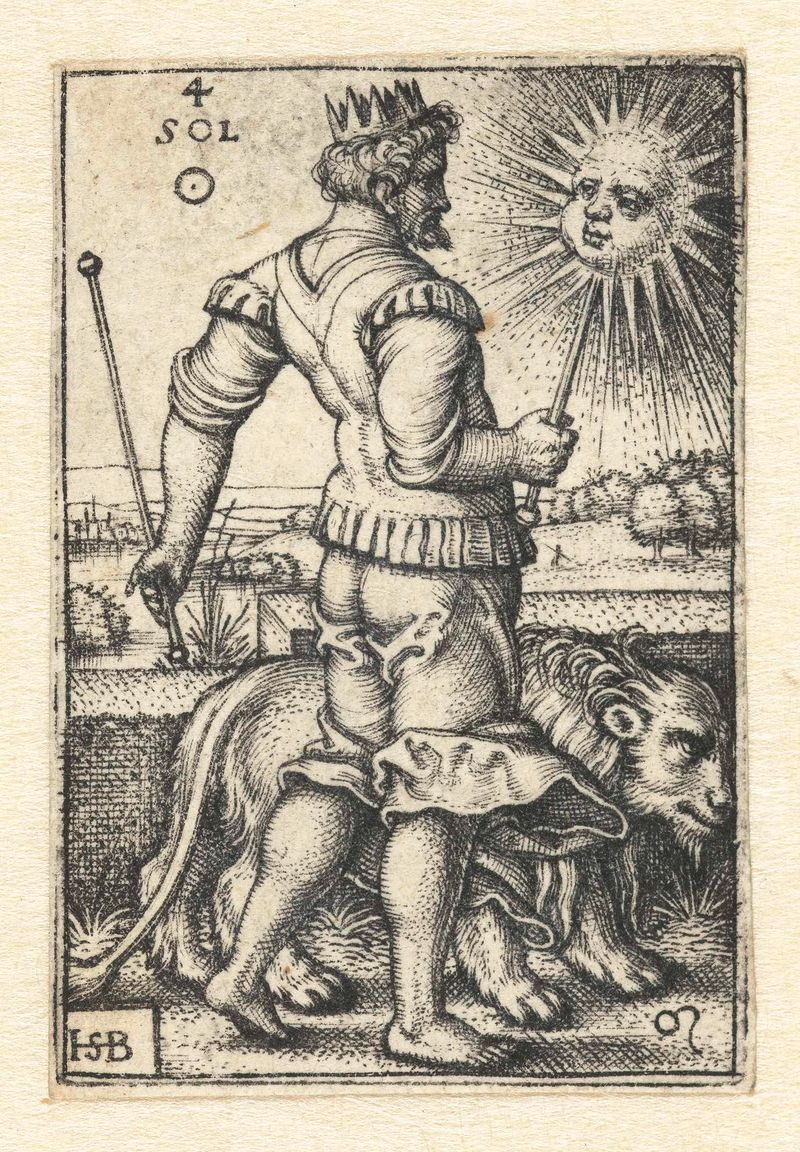
Apollo (Sol) met sterrenbeeld Leeuw
Hans Sebald Beham
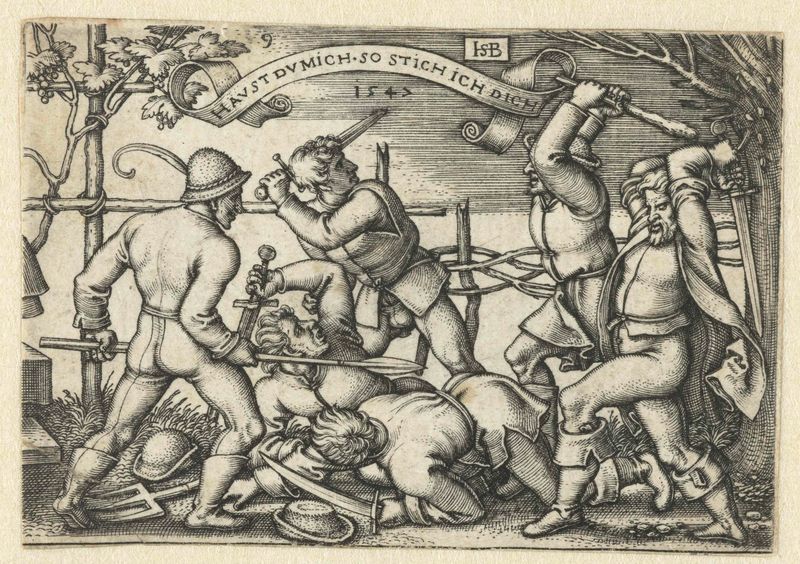
Vechtende boeren met zwaarden
Hans Sebald Beham
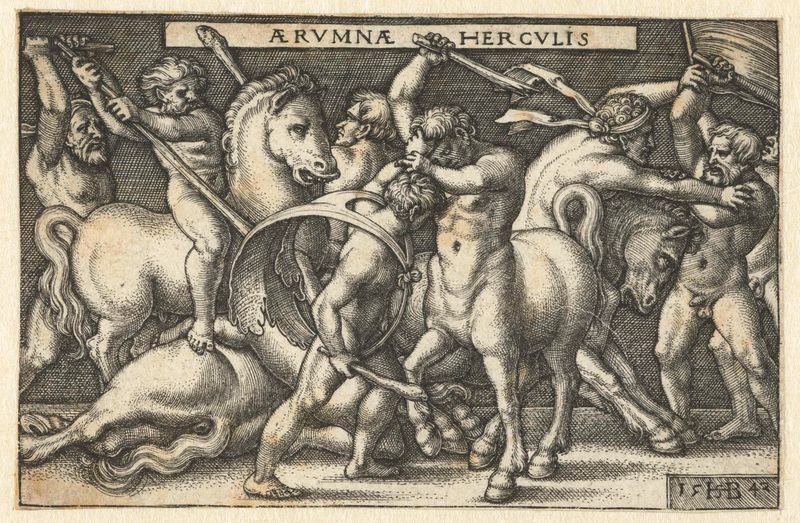
Hercules in gevecht met centaurs
Hans Sebald Beham