
Valkenier en metgezel — History & Facts
In Valkenier en metgezel, movement transforms into a symphony of intention and skill, evoking emotions that pulse through the canvas. Look to the left at the falconer, poised in elegant stillness, his garment rich with color and texture. Notice how the shimmering gold of his cloak contrasts with the earthy tones surrounding him, drawing the eye immediately. The falcon, perched with a regal air upon his gloved hand, embodies both power and restraint, its sharp gaze directed outward, hinting at untamed freedom.
The gentle brushstrokes create a sense of fluidity, making the entire scene vibrate with an undercurrent of anticipation. As the viewer immerses themselves, hidden meanings reveal themselves. The falcon symbolizes not just mastery over nature, but also the human desire to control and tame the wild. The companionship of the falconer’s attendant suggests themes of loyalty and the subtle dynamics of human relationships—a dance of trust between man and creature, echoed in their postures and expressions.
Through the careful arrangement of figures and the deft use of light, a sense of quiet contemplation emerges, inviting us to ponder the balance between domination and harmony. The work was created between 1483 and 1487 by an artist known as the Meester van het Amsterdamse Kabinet, during a period when Northern Renaissance art flourished. The artist was deeply entrenched in the exploration of naturalism and detail, reflecting the changing dynamics of society and culture in the Netherlands at the time. This piece captures not just a moment, but an era marked by an increasing appreciation for the intricate relationships between humanity and the natural world.
More Artworks by Meester van het Amsterdamse Kabinet
Browse all →
De Heilige Familie bij de rozenstruik
Meester van het Amsterdamse Kabinet

Hertenjacht
Meester van het Amsterdamse Kabinet
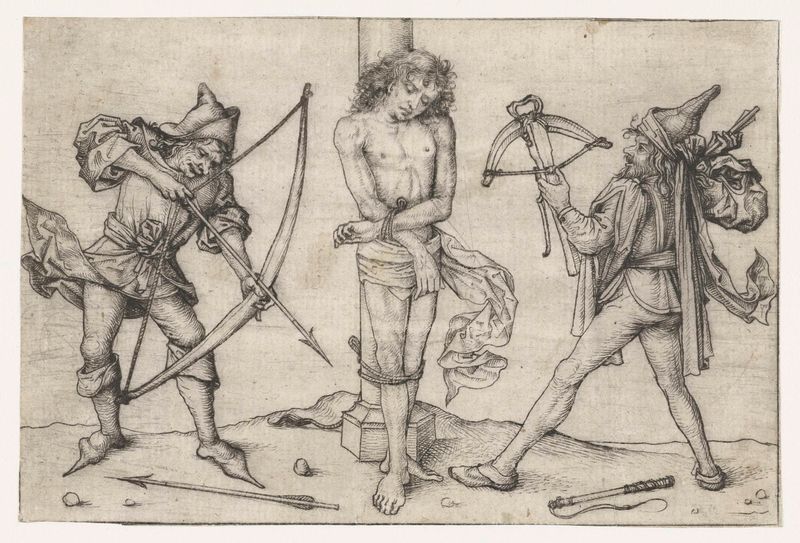
Heilige Sebastiaan met boogschutters
Meester van het Amsterdamse Kabinet

Het lichaam van Christus ondersteund door twee engelen
Meester van het Amsterdamse Kabinet

Heilige Anna-te-Drieën
Meester van het Amsterdamse Kabinet

Heilige Barbara (grote versie)
Meester van het Amsterdamse Kabinet
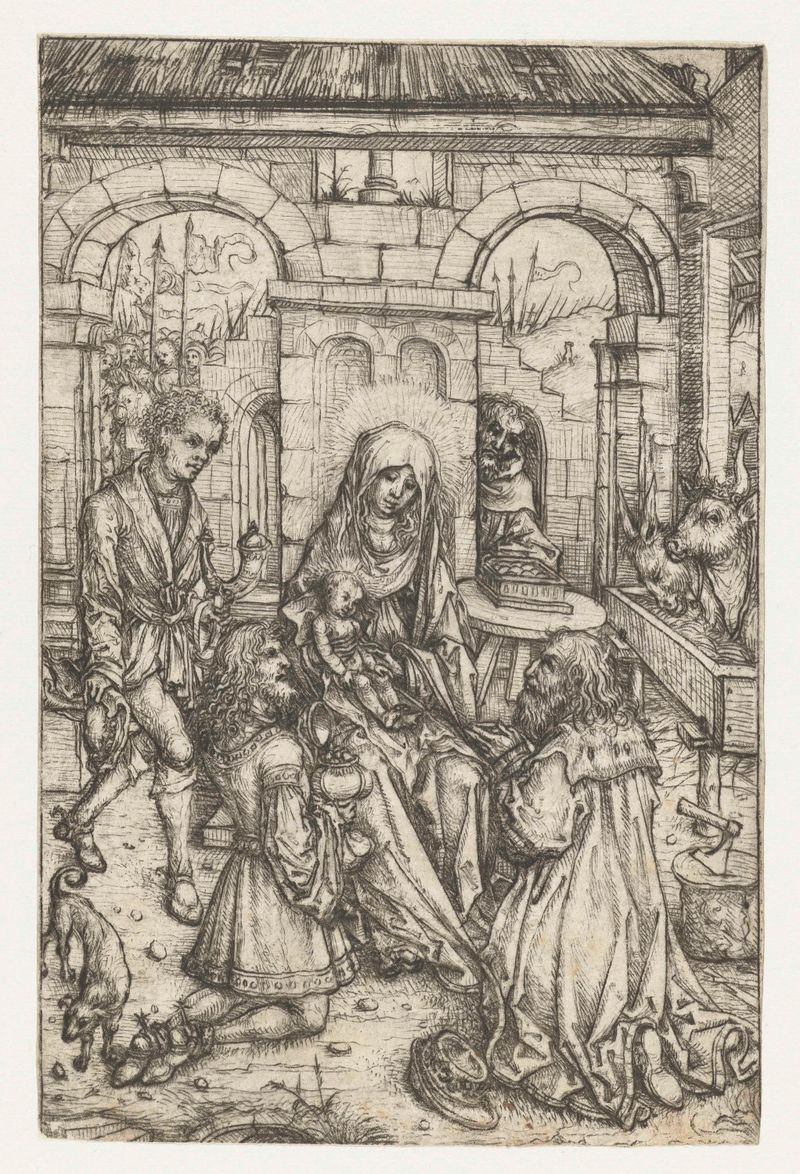
Aanbidding der koningen
Meester van het Amsterdamse Kabinet
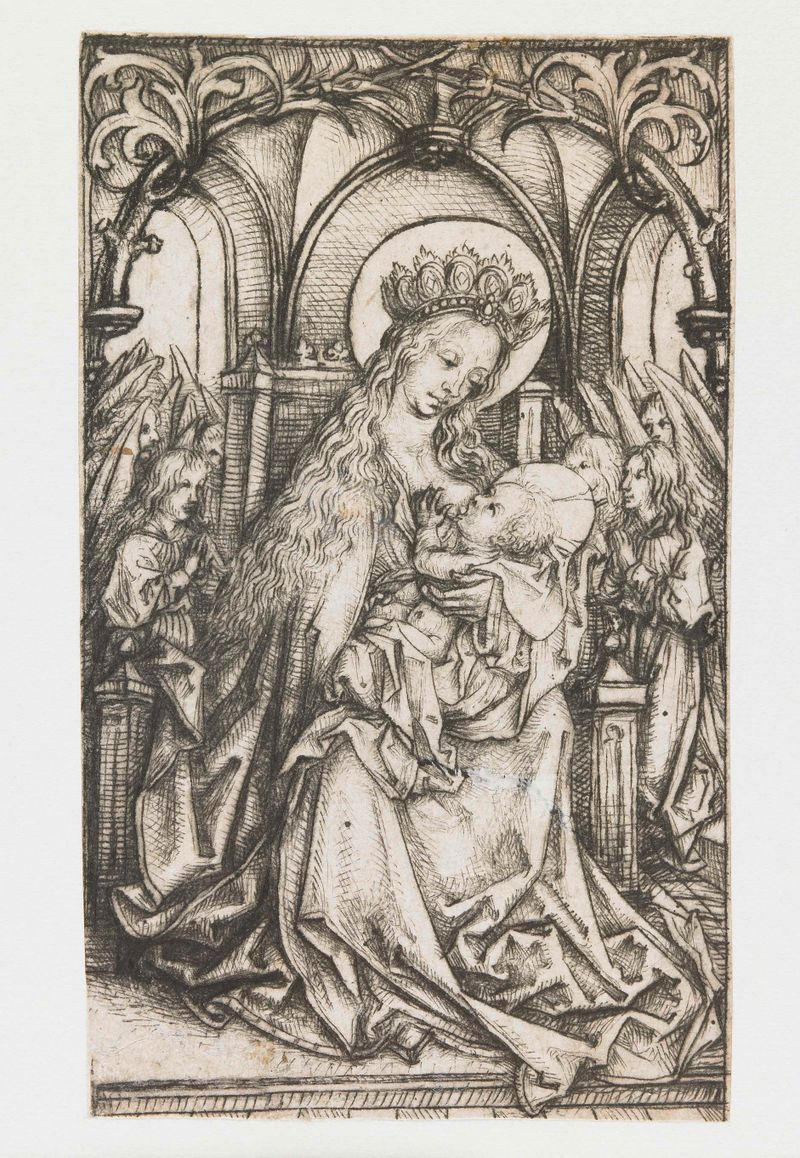
Tronende Madonna door engelen aanbeden
Meester van het Amsterdamse Kabinet

Het zegenend Christuskind
Meester van het Amsterdamse Kabinet
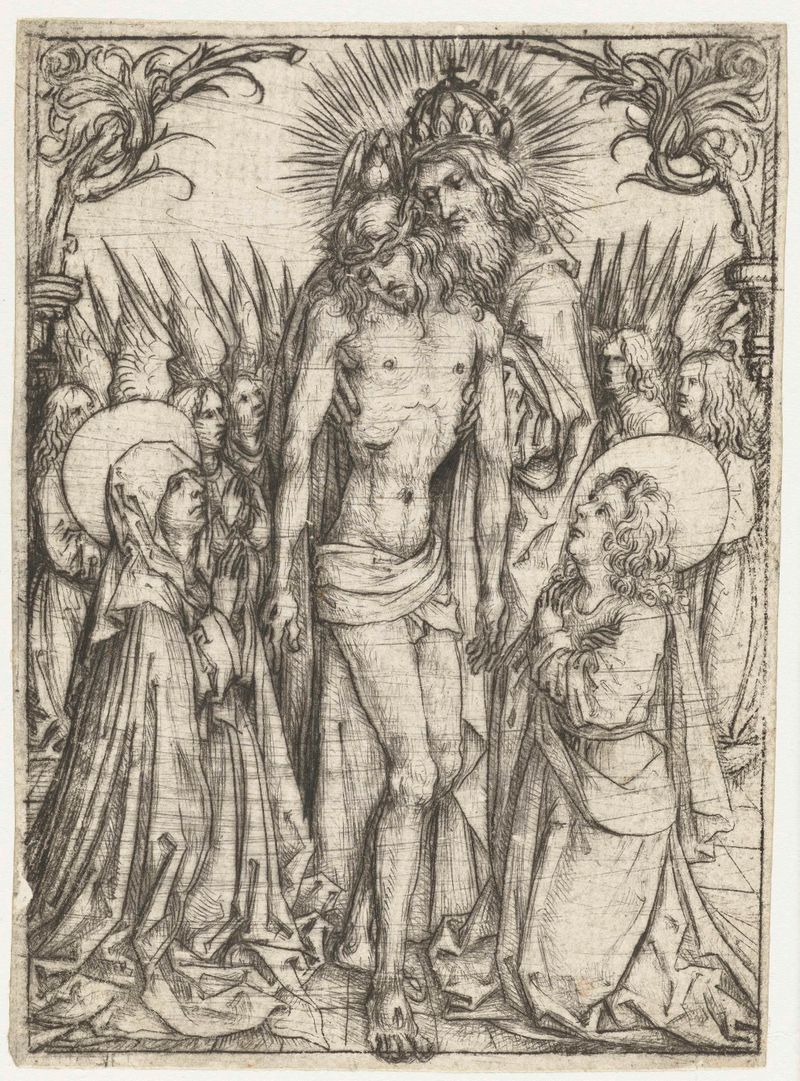
Aanbidding van de Heilige Drieëenheid door Maria, Johannes de Evangelist en engelen
Meester van het Amsterdamse Kabinet





