
Vallée par temps gris, Châteauneuf — History & Facts
In the quiet embrace of nature, the transcendent beauty of a landscape speaks more profoundly than words ever could. Look to the center of the canvas, where muted greens and grays blend together, evoking an overcast sky hovering protectively over the valley below. The brushstrokes, bold yet gentle, create a palpable texture that invites you to run your fingers across the surface. Notice how the trees stand steadfast against the looming clouds, their silhouettes silhouetted by the soft glow of a hidden sun, which breathes life into the surrounding stillness. The interplay of color and form reveals a deeper emotional undertone, suggesting a longing for serenity amidst the chaos of existence.
The subtle contrast between the vibrant earth and the somber sky conveys a tension that reflects human vulnerability, capturing the essence of a moment suspended in time. Each stroke seems to whisper a story of resilience, as nature's beauty stands as a testament to transcendence beyond the ordinary. In 1907, Paul Sérusier painted this work while immersed in the post-impressionist movement, which sought to explore color and emotion within art. At this time, the artist was deeply influenced by the works of his contemporaries, notably Gauguin, who championed the idea of painting as a means of spiritual expression.
Sérusier's experiences in Brittany and a desire to capture the essence of the landscape culminated in Vallée par temps gris, Châteauneuf, a piece that resonates with the harmony of nature and the soul's search for connection.
More Artworks by Paul Sérusier
Browse all →
Bretonnes, Réunion Dans Le Bois Sacré
Paul Sérusier
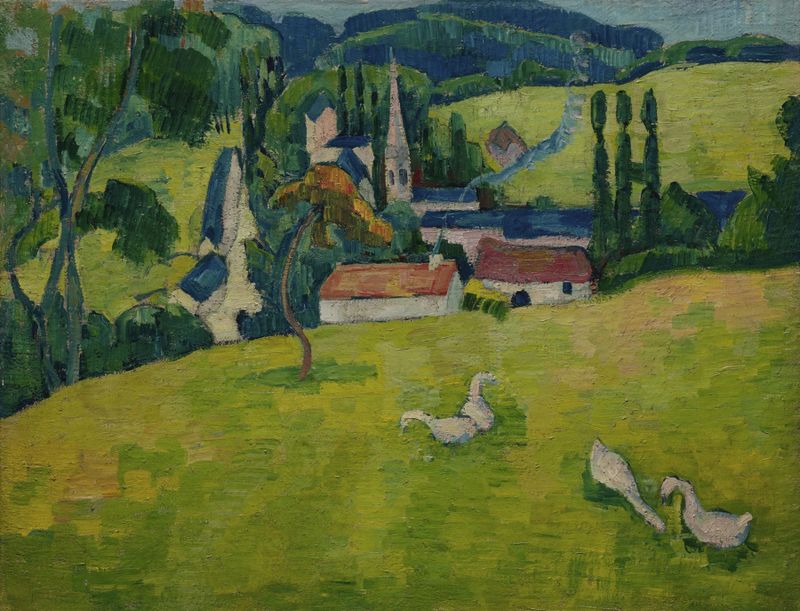
Pont-Aven, Le Pouldu
Paul Sérusier

Farmhouse at Le Pouldu
Paul Sérusier
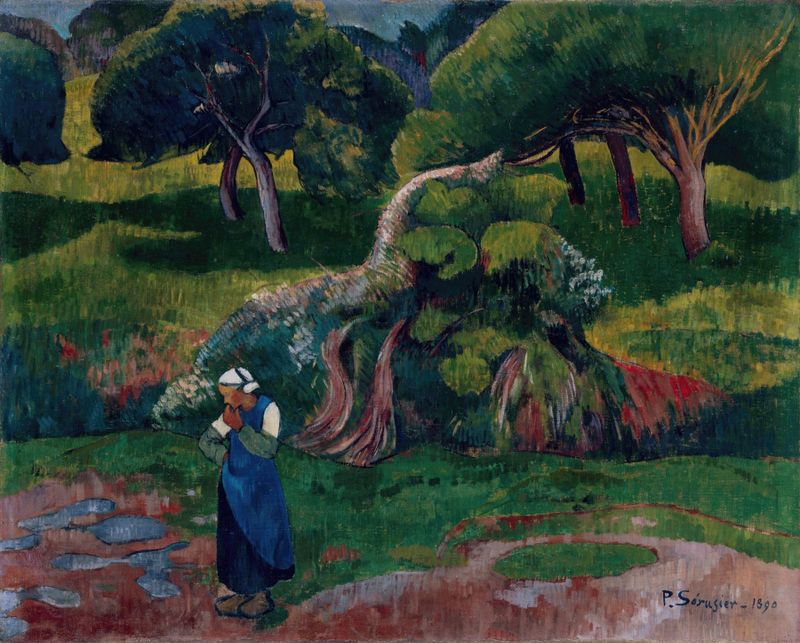
Landscape at Le Pouldu
Paul Sérusier
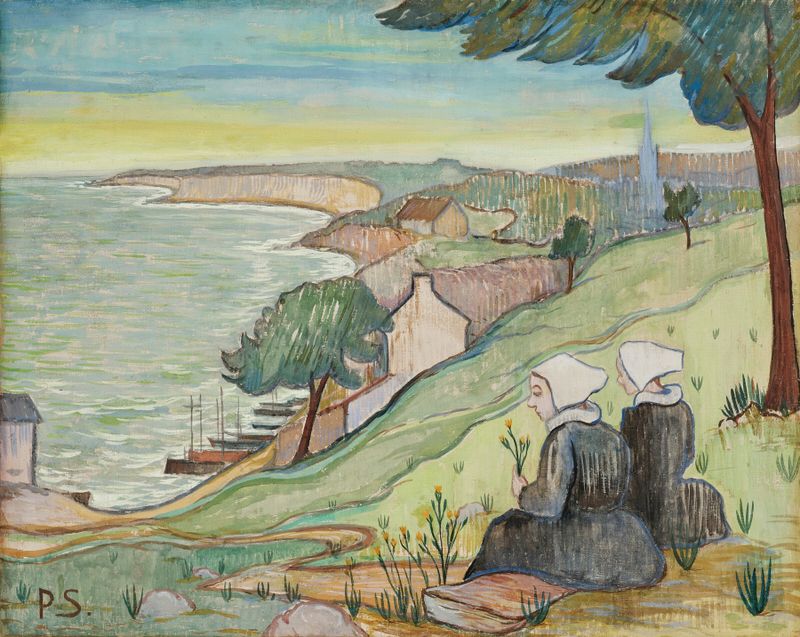
Bretonnes au Pouldu
Paul Sérusier
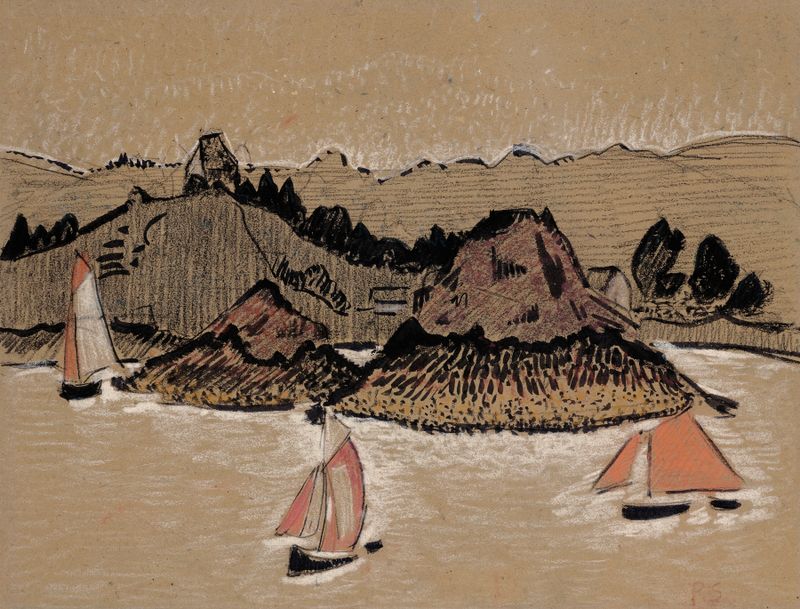
Trois bateaux sur le Trieux
Paul Sérusier
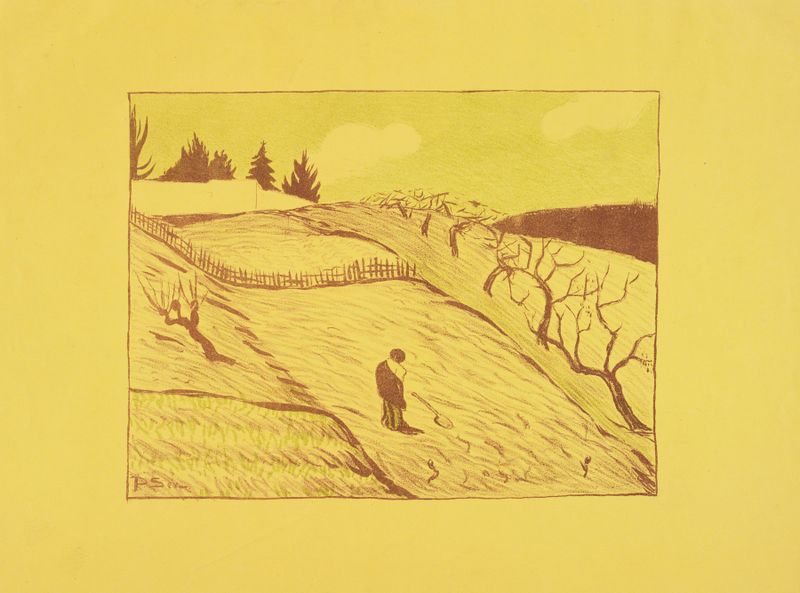
La fin du jour (The End of the Day)
Paul Sérusier
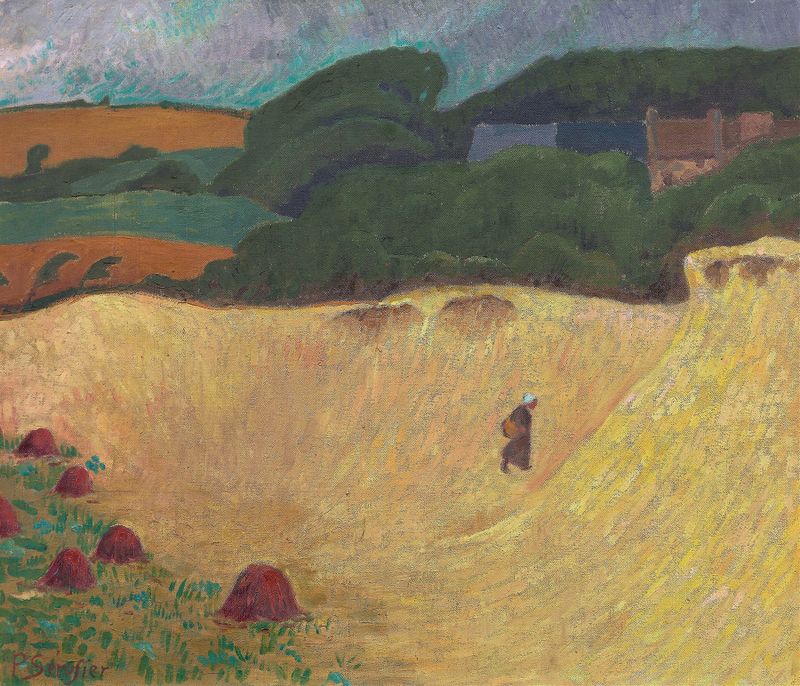
The Beach of Les Grands Sables at Le Pouldu
Paul Sérusier

The Harvest of Buckwheat
Paul Sérusier
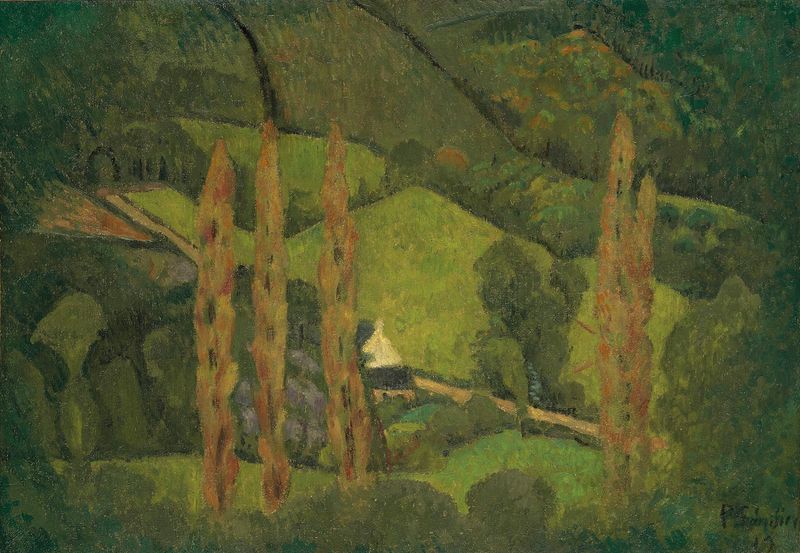
Paysage vert, Vallée de Châteauneuf
Paul Sérusier





