
Vûe de Vevey — History & Facts
What secret hides in the quiet of the canvas? Beneath the tranquil surface of Vûe de Vevey, a world of awakening whispers patiently, waiting to be uncovered. Focus on the serene expanse stretching across the canvas, where the gentle contours of the Swiss landscape unfold. The vibrant greens of the hills cradle the still waters of Lake Geneva, inviting the viewer's gaze to dance along the horizon. Notice how the soft light filters in, kissing the peaks with warmth, while casting deeper shadows that suggest the passage of day into twilight.
The meticulous attention to detail in the trees and buildings evokes a profound sense of place, grounding the ethereal beauty in a tangible reality. Delve deeper into the hidden meanings woven into this landscape. The stillness of the scene speaks to a quietude that contrasts with the tumultuous events of the 18th century, where the encroachment of industrialization loomed large. Each brushstroke reflects a yearning for a simpler time, a meditative space that invites reflection amidst chaos.
The placement of the figures, almost dwarfed by nature’s grandeur, hints at humanity's humble relationship with the environment, evoking themes of solitude and connection. During the creation of Vûe de Vevey, Johann Ludwig Aberli resided in the Swiss region he lovingly depicted. Painted around the late 18th century, a period marked by increasing artistic exploration and the rise of landscape painting, he sought to capture the awakening beauty of nature in a time when the world was on the brink of profound change. This work stands as a testament to both his skill and the era's quest for tranquility amid transformation.
More Artworks by Johann Ludwig Aberli
Browse all →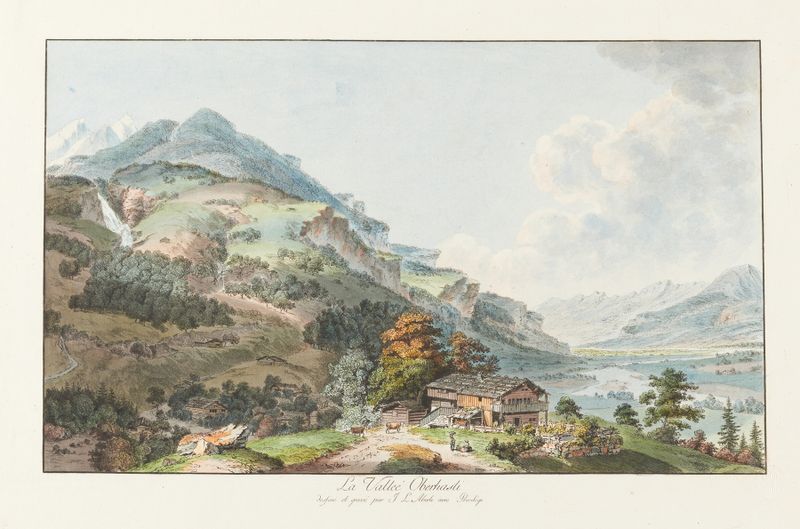
La Vallée Oberhasli
Johann Ludwig Aberli
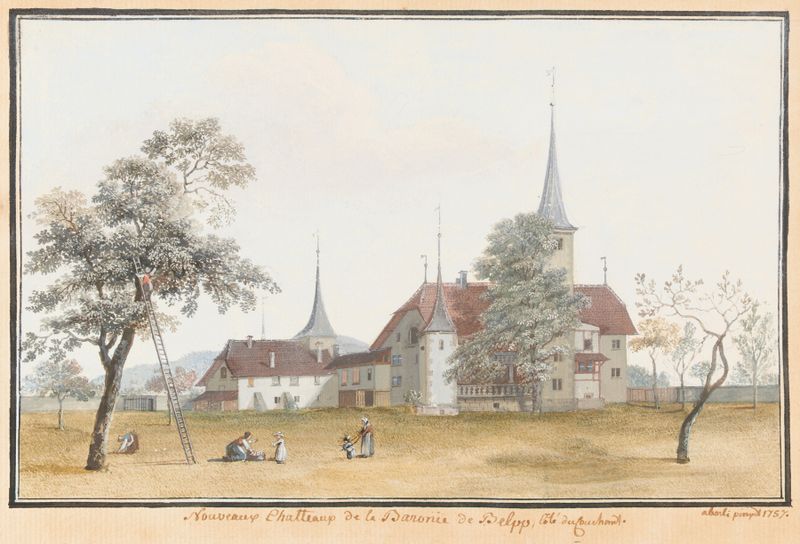
Nouveaux Chatteaux de la Baronie de Belpp; Côté du Couchant
Johann Ludwig Aberli
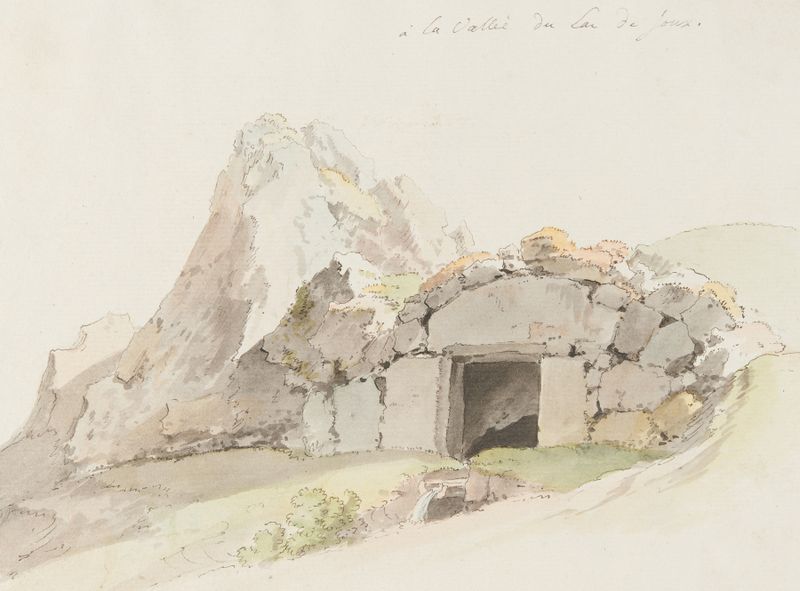
à la Vallèe du Lac de Joux
Johann Ludwig Aberli
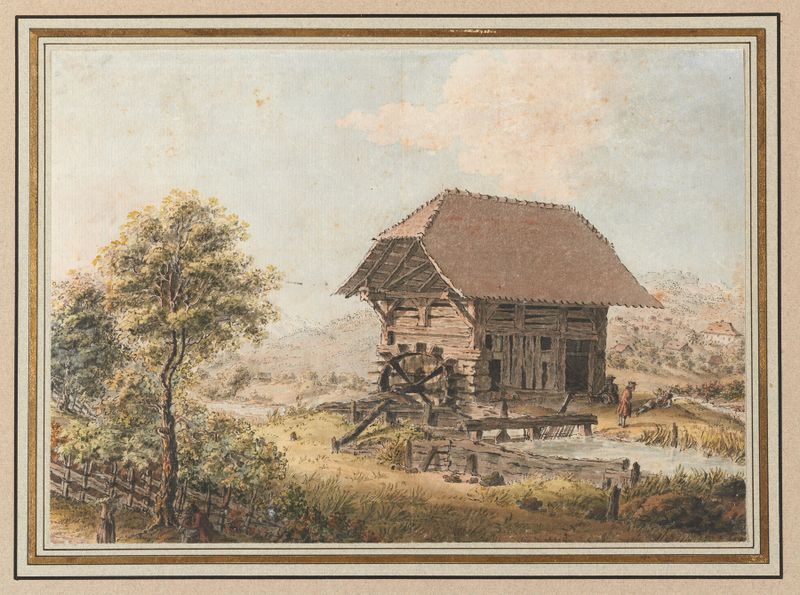
Ansicht einer Mühle im Berner Mittelland
Johann Ludwig Aberli
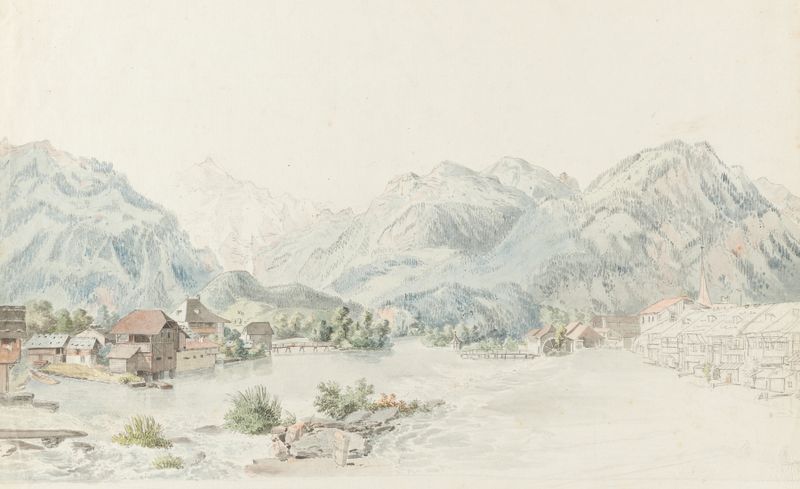
Ansicht von Unterseen
Johann Ludwig Aberli
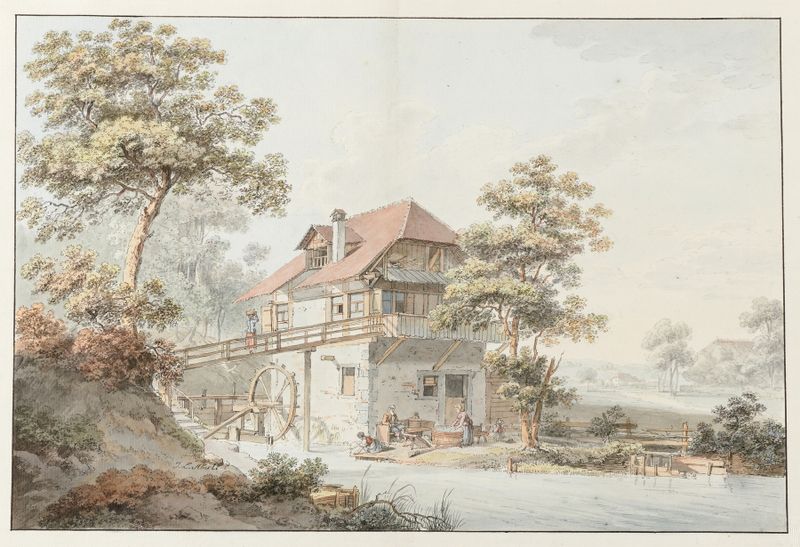
Ansicht einer Mühle im Berner Mittelland.
Johann Ludwig Aberli
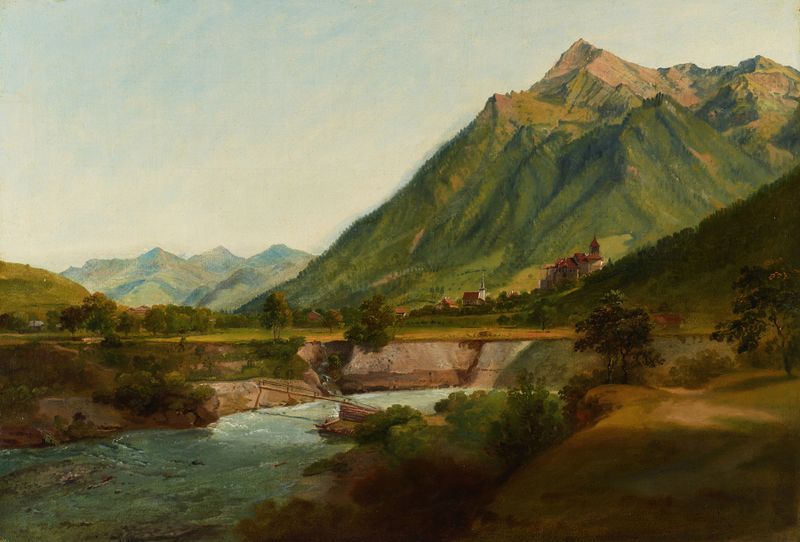
Vue du Château de Wimmis et des environs
Johann Ludwig Aberli
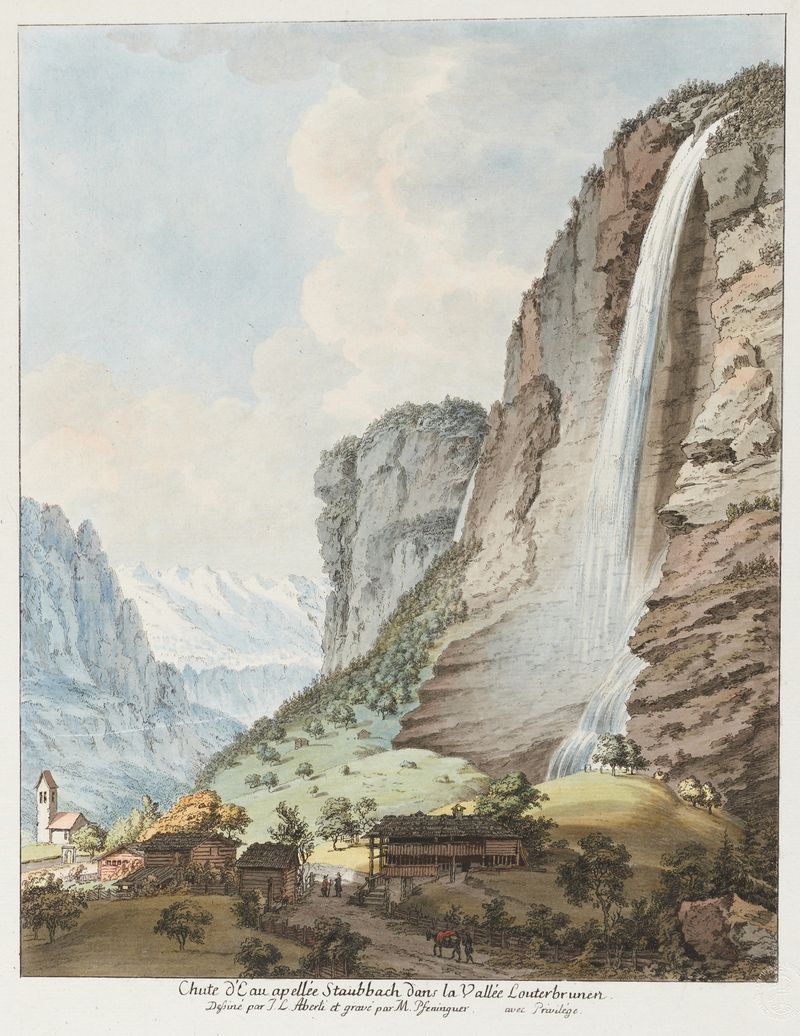
Chute d’Eau apellée Staubbach dans la Vallée Louterbrunnen
Johann Ludwig Aberli
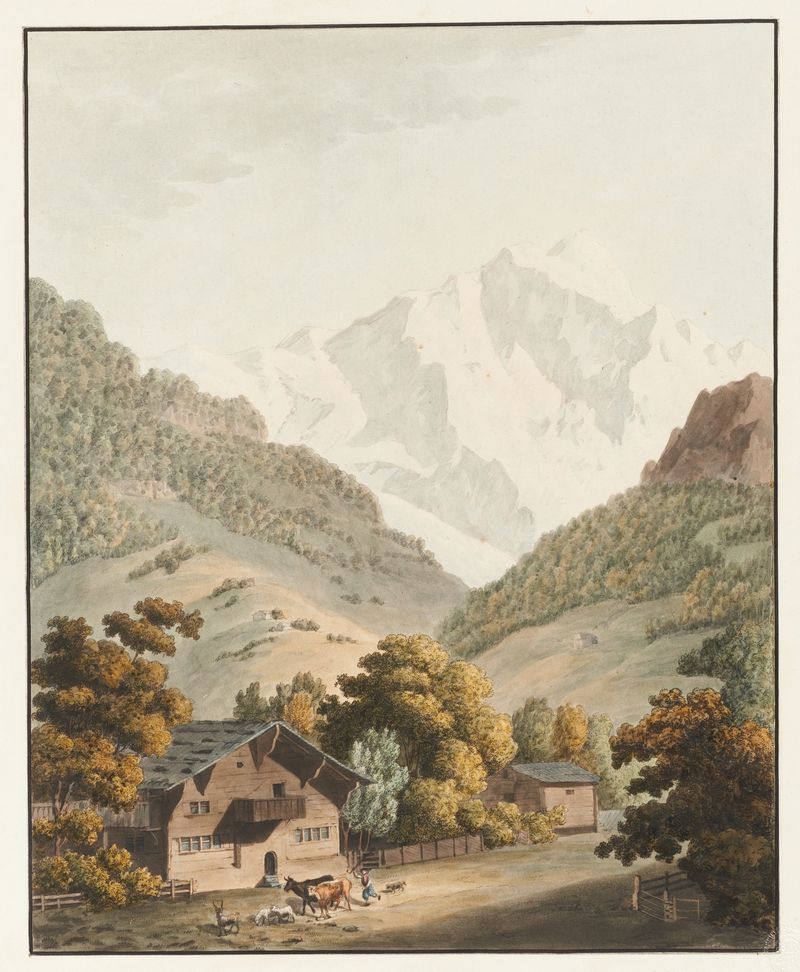
Vue du Jungfrau-Horn
Johann Ludwig Aberli
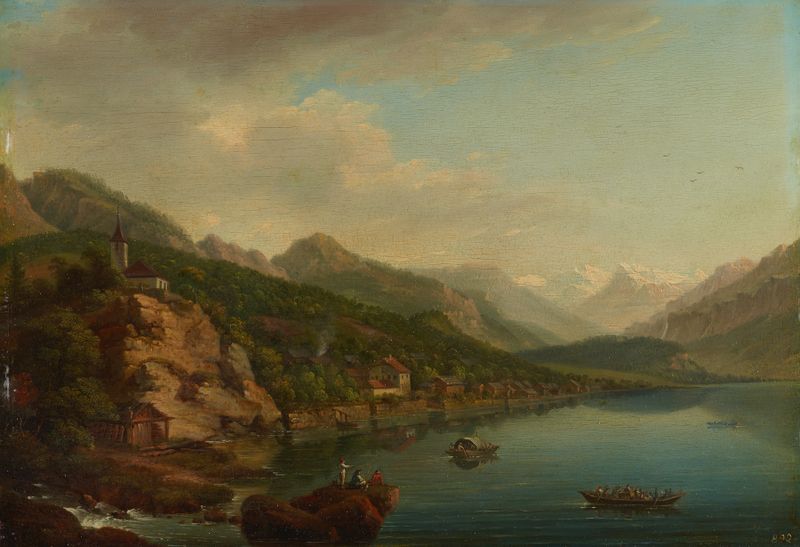
Vue du Village et du Lac de Brientz
Johann Ludwig Aberli





