
Vûe des Environs de Thoun — History & Facts
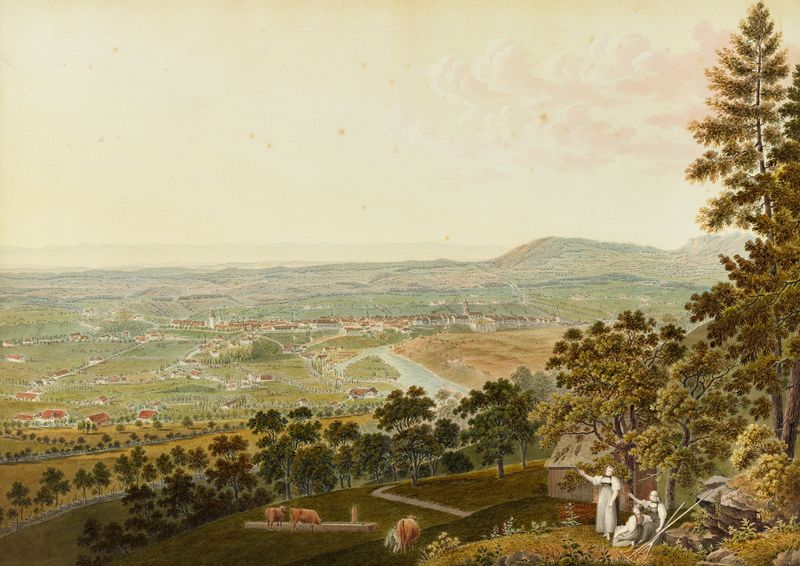
Could beauty survive in a century of chaos? The answer echoes through the serene landscape captured in this striking work, where tranquility meets a hint of melancholy. Look to the left at the gentle rise of the hills, their soft curves enveloped in a wash of muted greens and browns. Notice how the sky transitions from a somber gray to a luminous ivory, suggesting the fragile dawn of a new day. Each brushstroke reveals the artist’s deft hand, with the delicate layering of color creating depth and inviting the viewer to wander into the tranquil outskirts of Thoun.
The composition, with its harmonious balance of land and sky, speaks to a moment suspended in time — an invitation to reflect and breathe amidst the chaos of life. Delve deeper, and you may sense the poignant contrast between the vibrant life of nature and the stillness of the scene. The subtle play of light hints at an unseen turmoil beneath the surface, as if the calm exterior belies the tumultuous world beyond its borders. Each tree, each ripple in the water, seems to whisper stories of resilience, capturing the essence of fleeting beauty while also evoking a profound sense of longing for what may be lost. Created in the early 19th century, this landscape reflects an era where romanticism and a connection to nature flourished, even as societal upheavals loomed nearby.
Weibel, a Swiss painter, embraced the picturesque charm of his homeland, seeking solace in the natural world as industrialization began its relentless march. His work stands as a testament to the enduring allure of the landscape, a reminder that even amid chaos, beauty finds a way to endure.
More Artworks by Jakob Samuel Weibel
Browse all →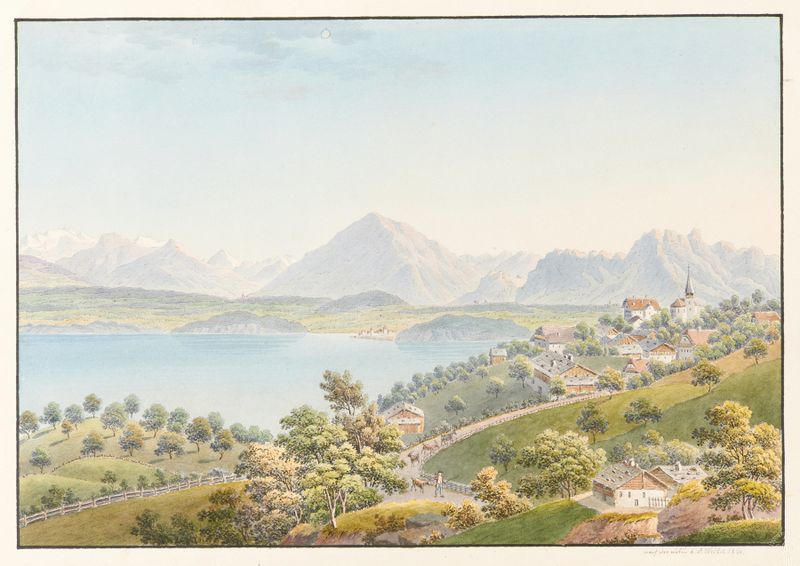
Vue dessiné depuis le Village de Sigriswil, audessus du Lac de Thoune
Jakob Samuel Weibel
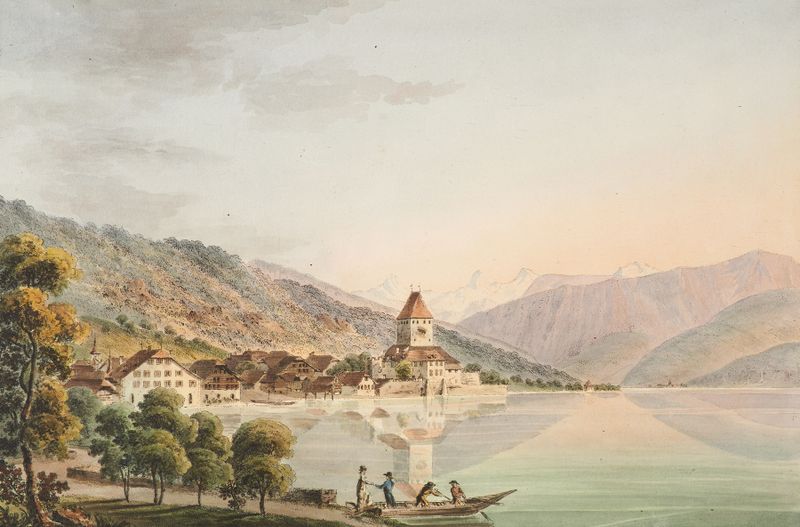
Vûe du Chateau d’Oberhofen au Lac de Thoune
Jakob Samuel Weibel
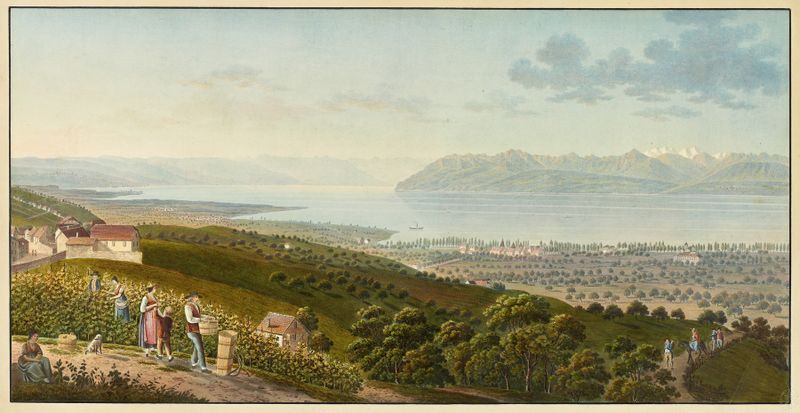
Vue genérale du Lac de Geneve
Jakob Samuel Weibel
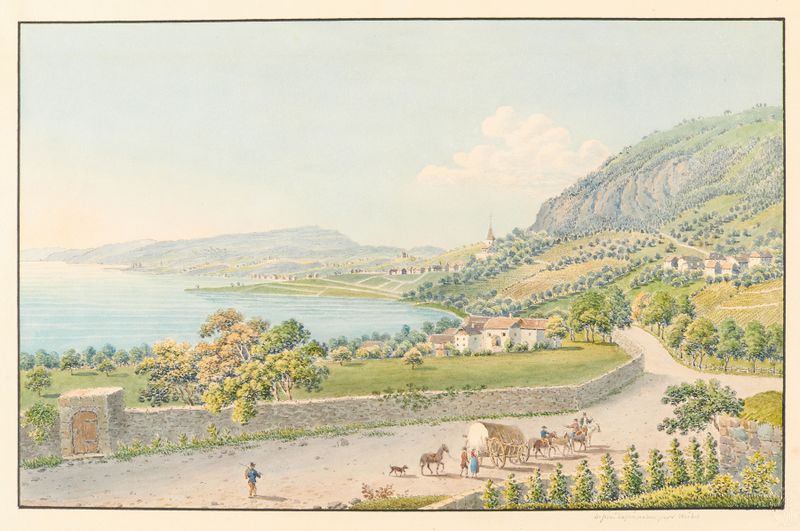
Vue des environs de Montreux et de Clarens
Jakob Samuel Weibel
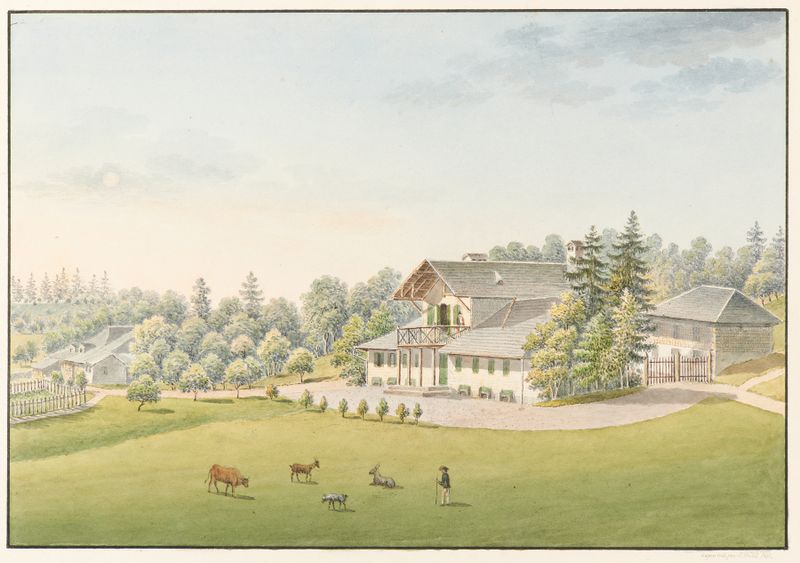
Vue du nouveau Châlet de Vernand
Jakob Samuel Weibel
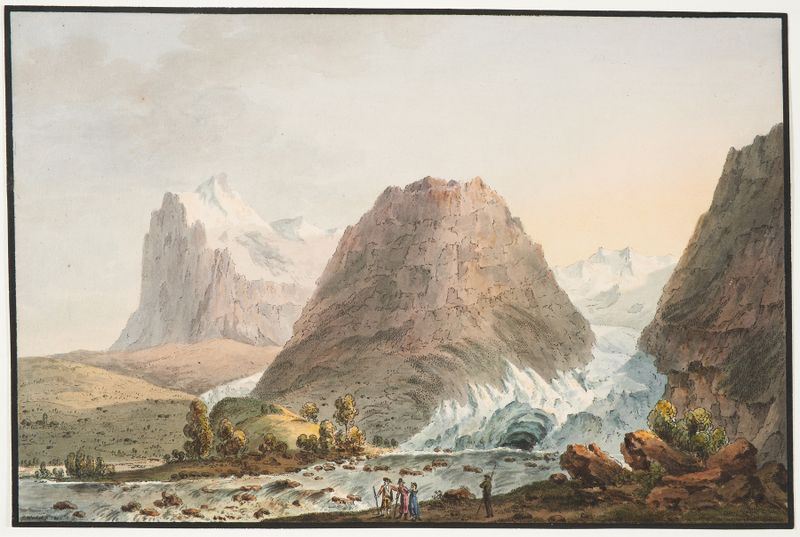
Vûe des Glacieres de Grindelwald
Jakob Samuel Weibel
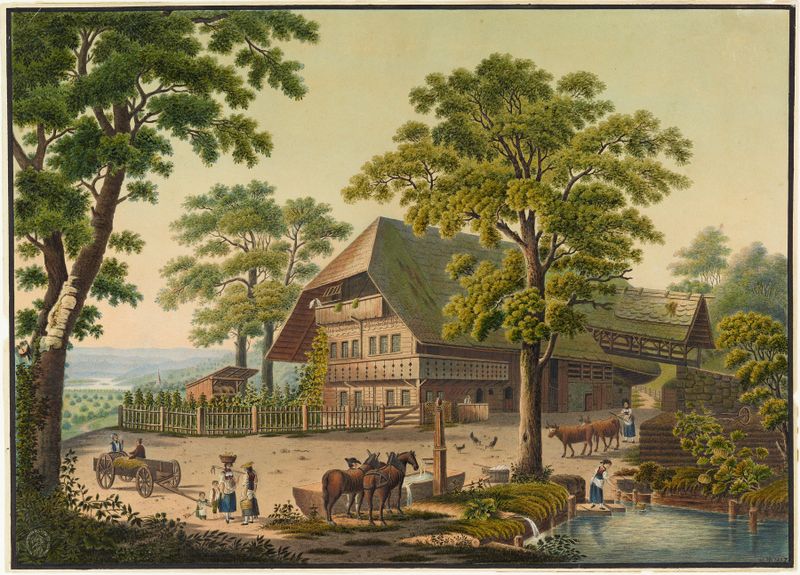
Maison de paysan près Wichtrach
Jakob Samuel Weibel
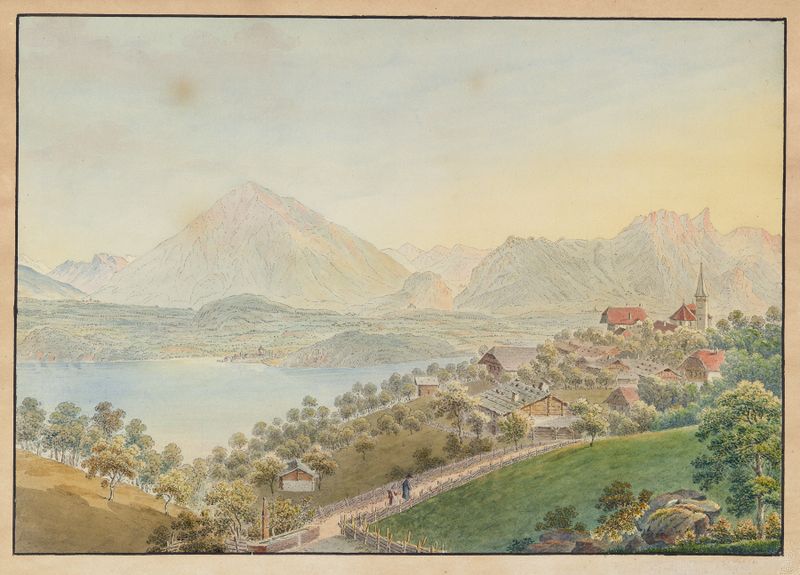
Ansicht von Sigriswil mit Niesen und Thunersee
Jakob Samuel Weibel
Ansicht Berns und der Aare vom Gurten aus
Jakob Samuel Weibel

Lausanne Ville capitale du Canton de Vaud
Jakob Samuel Weibel





