
Vûe dessinée à Mouri prés de Berne — History & Facts
In this quiet anticipation, we find the depths of existence reflected in art, revealing layers of meaning intertwined with destiny. Look to the horizon where soft hues of blue and green blend seamlessly, forming a tranquil backdrop. The gentle strokes of Aberli's brush delineate rolling hills that cradle the village, inviting the viewer's eye to wander through the meticulously rendered rooftops and winding paths. The composition, balanced yet dynamic, draws attention to the interplay of light and shadow, hinting at the ebb and flow of time within this pastoral scene. As you explore the intricate details of Vûe dessinée à Mouri prés de Berne, notice how the delicate twinkle of sunlight on the water evokes a sense of fleeting moments, while the stillness of the village suggests permanence.
The juxtaposition of vibrant life against the serene landscape speaks to the duality of existence; there is both a celebration and a stillness that defines our paths — a testament to the inexorable passage of fate. Created in an undetermined year amidst a shifting art world during the 18th century, Aberli captured a slice of life near Berne, Switzerland. At this time, he was deeply influenced by the burgeoning interest in landscape as a genre, reflecting the Romantic ideal of nature's beauty and its connection to human experience. This painting illustrates not only the natural beauty of the region but also the artist's vision of a world longing to be understood through the quiet lens of destiny.
More Artworks by Johann Ludwig Aberli
Browse all →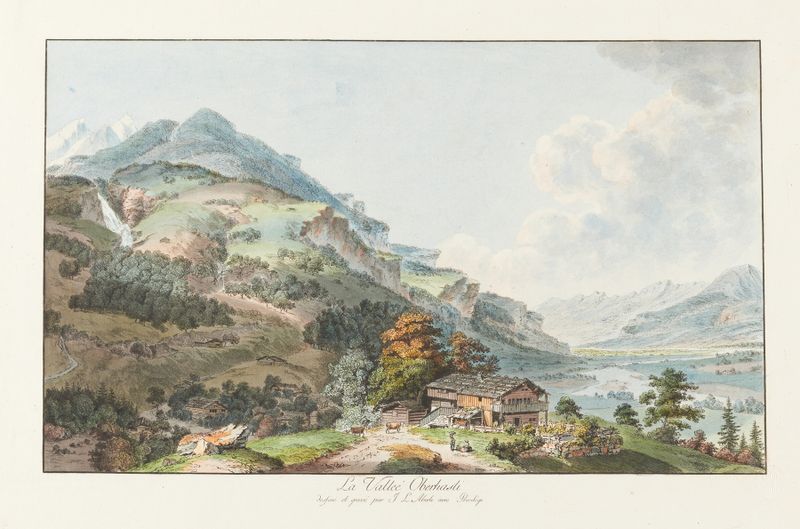
La Vallée Oberhasli
Johann Ludwig Aberli
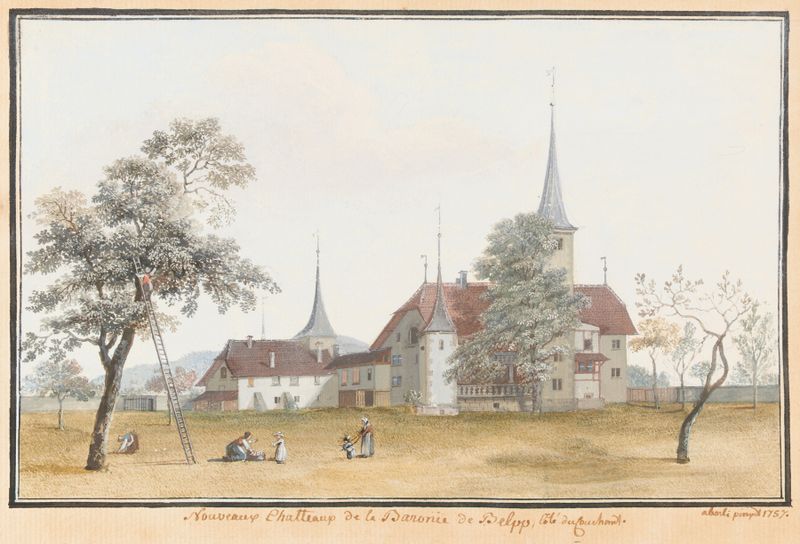
Nouveaux Chatteaux de la Baronie de Belpp; Côté du Couchant
Johann Ludwig Aberli
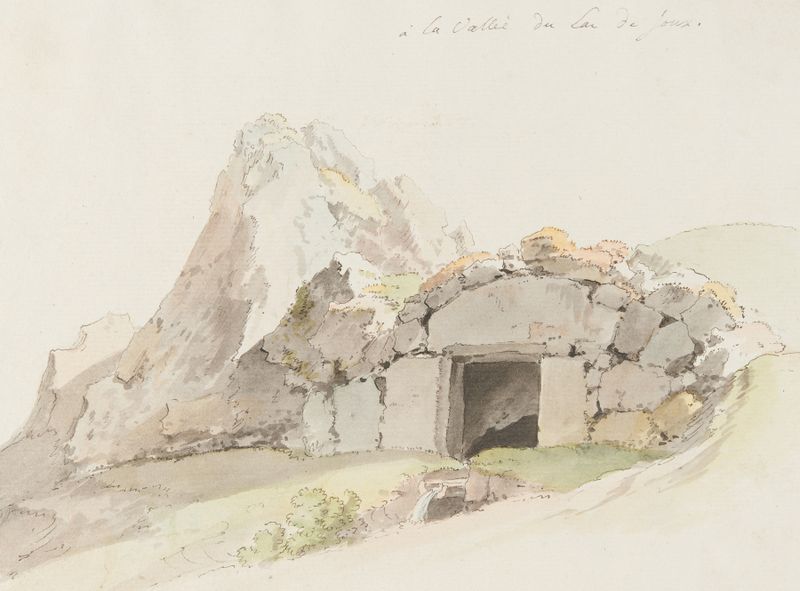
à la Vallèe du Lac de Joux
Johann Ludwig Aberli
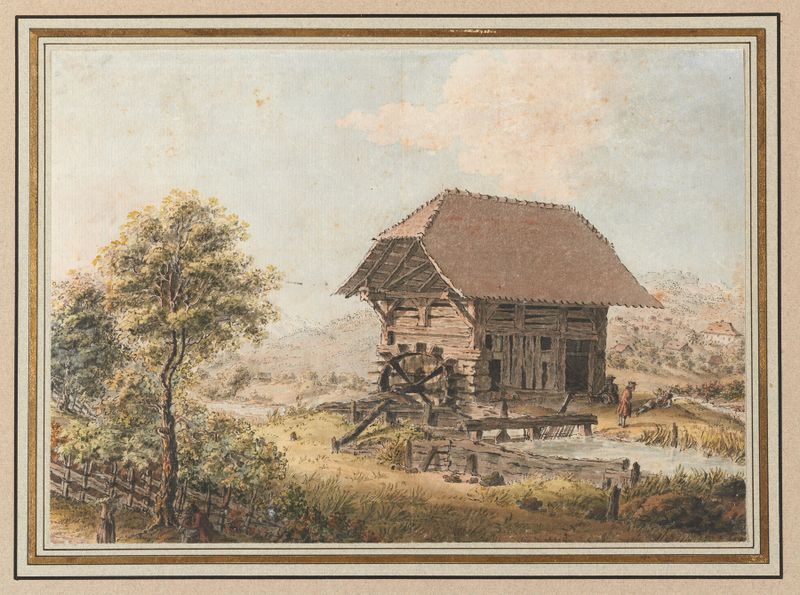
Ansicht einer Mühle im Berner Mittelland
Johann Ludwig Aberli
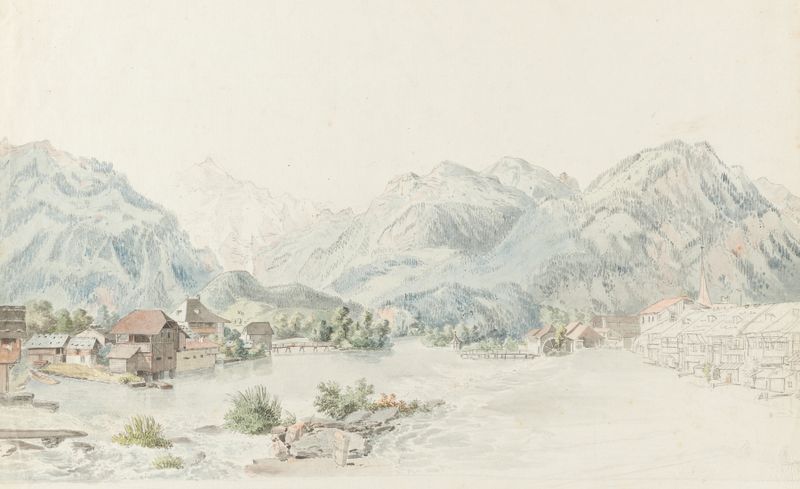
Ansicht von Unterseen
Johann Ludwig Aberli
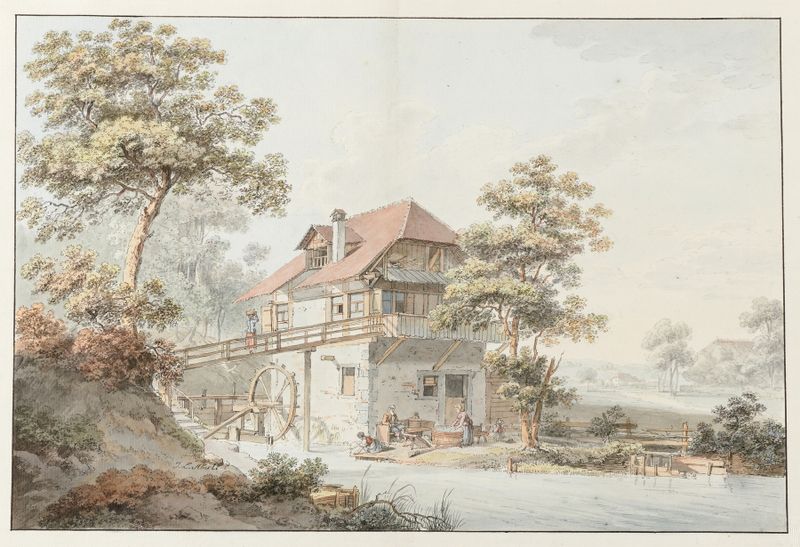
Ansicht einer Mühle im Berner Mittelland.
Johann Ludwig Aberli
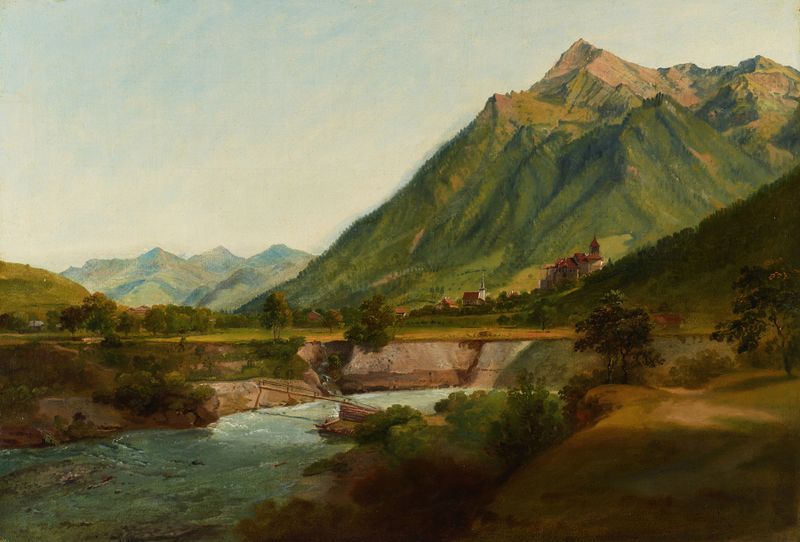
Vue du Château de Wimmis et des environs
Johann Ludwig Aberli
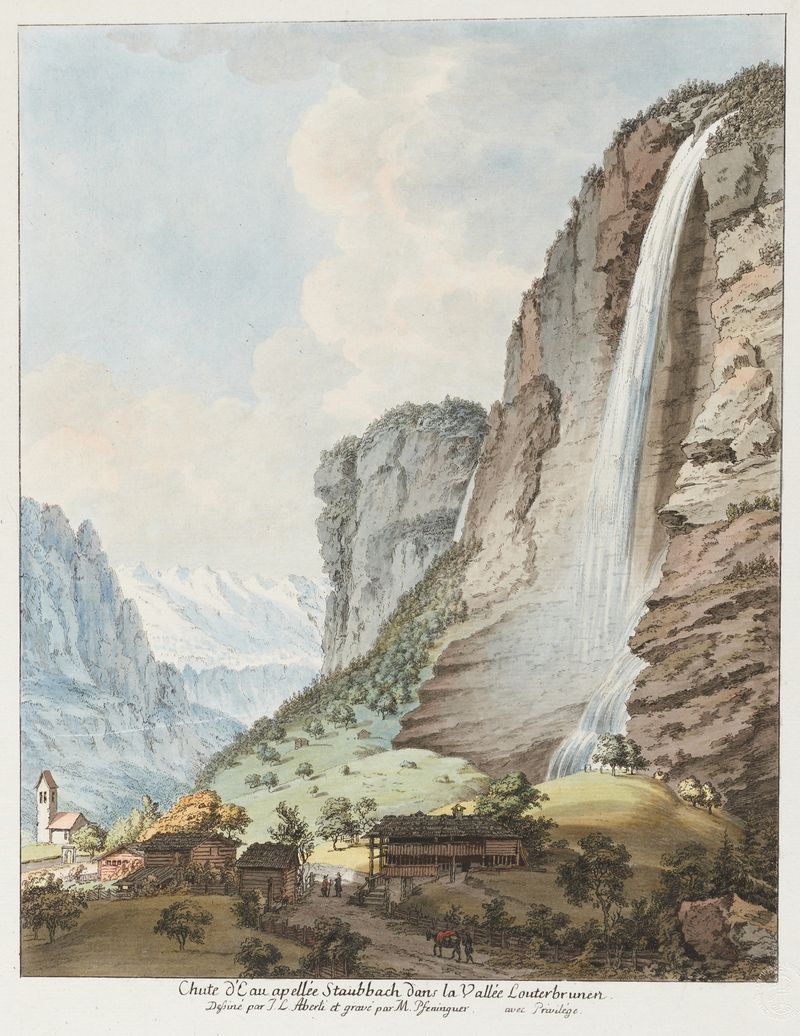
Chute d’Eau apellée Staubbach dans la Vallée Louterbrunnen
Johann Ludwig Aberli
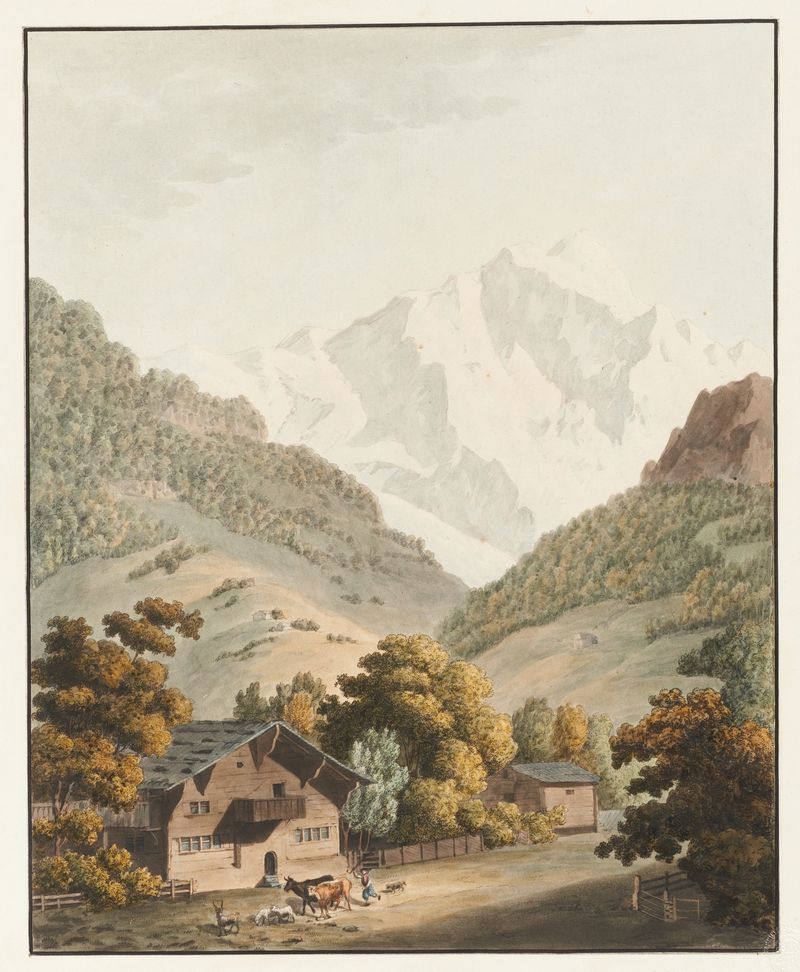
Vue du Jungfrau-Horn
Johann Ludwig Aberli
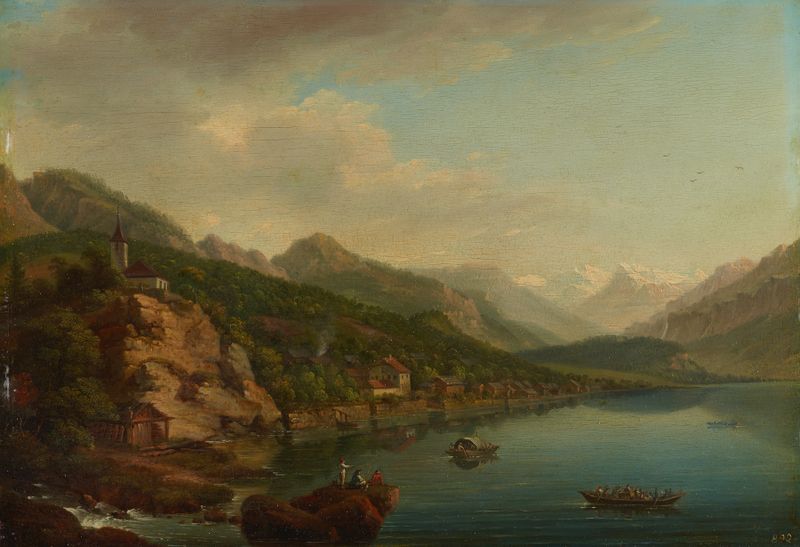
Vue du Village et du Lac de Brientz
Johann Ludwig Aberli





