
Vûe du chateau de Spietz sur le lac de Thoun — History & Facts
Who listens when art speaks of silence? In a world brimming with noise, the stillness of a landscape carries unspoken fears and hidden stories. Look closely at the shimmering surface of the Lake Thun, where Rieter's brushstrokes dance to evoke a serene yet haunting tranquility. Notice how the mist envelops the distant peaks, creating a sense of uncertainty, as if the mountains themselves are cradling secrets. The castle, perched solemnly along the shore, commands attention with its stark architectural lines that contrast with the soft, fluid contours of nature; it stands as a sentinel of both beauty and unease. Delve deeper into the subtle interplay of light and shadow, where the soft hues of dawn suggest an awakening, yet the encroaching darkness of the shadows evokes a creeping sense of dread.
The color palette oscillates between calm blues and muted grays, amplifying the tension between the idyllic setting and an underlying fear that something lies beneath the surface. Each stroke reveals the isolation inherent in this landscape, drawing parallels between the physical beauty and the emotional weight it bears. During the years from 1915 to 1945, Rieter was deeply influenced by the tumultuous events shaping Europe, particularly the impacts of two World Wars. Living in Switzerland, a nation nestled between conflict, he turned inward, capturing the poignant stillness of his surroundings while grappling with the fear and uncertainty of the times.
It was an era where art became a refuge, and through his landscapes, Rieter whispered to a world desperately seeking solace.
More Artworks by Heinrich Rieter
Browse all →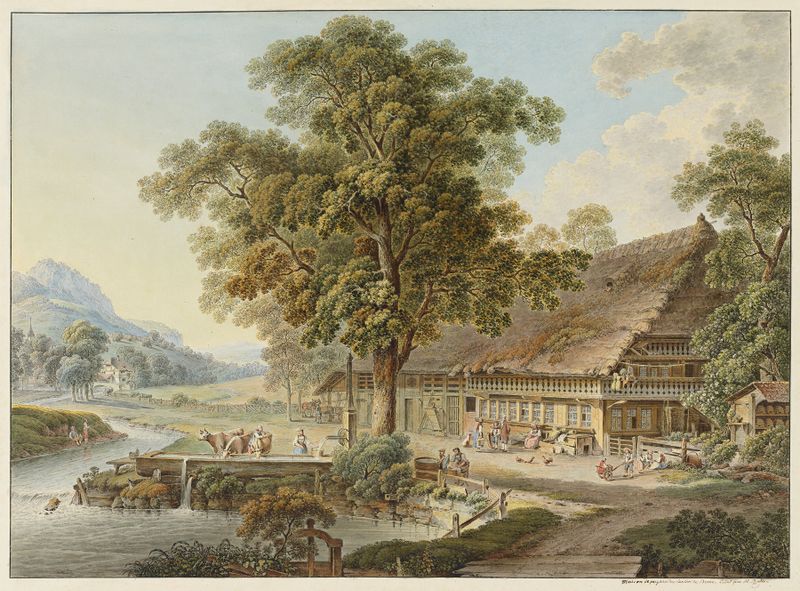
Maison de paysan du Canton de Berne
Heinrich Rieter
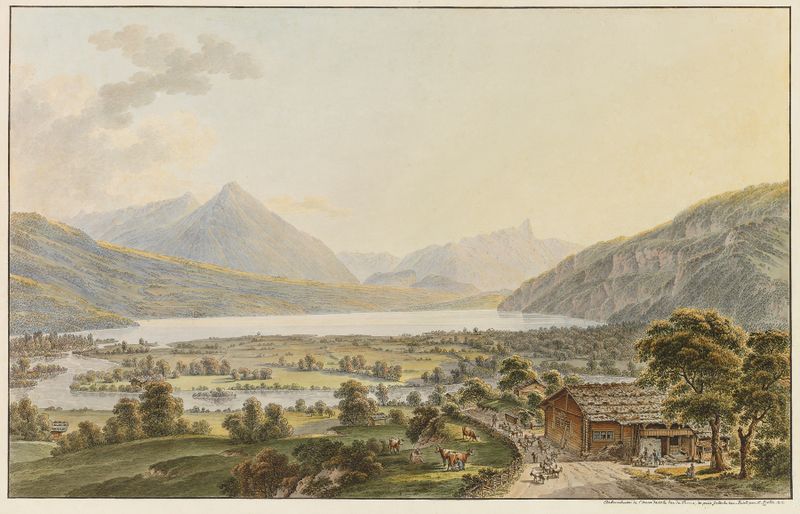
Embouchure de l’Aare dans le lac de Thoun
Heinrich Rieter

Vue de Morat sur le lac du même nom
Heinrich Rieter

Vûe prise à Iseltwald, sur le lac de Brientz
Heinrich Rieter
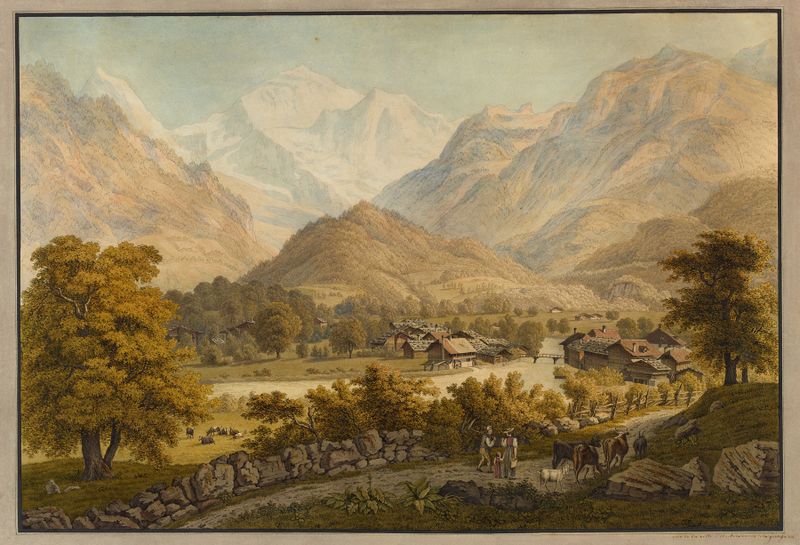
vue de la ville d’Unterseen & de la jungfrau
Heinrich Rieter

La Maison du Paysan
Heinrich Rieter
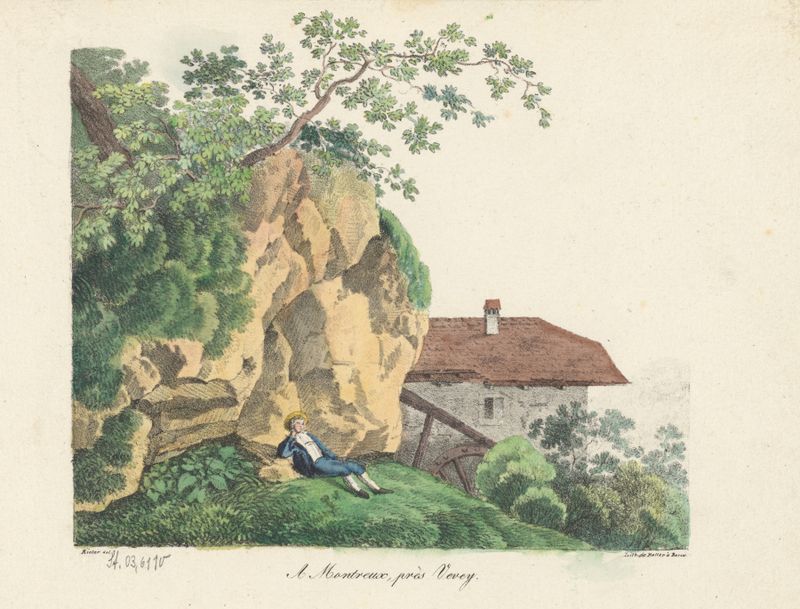
Haller (Bern)
Heinrich Rieter
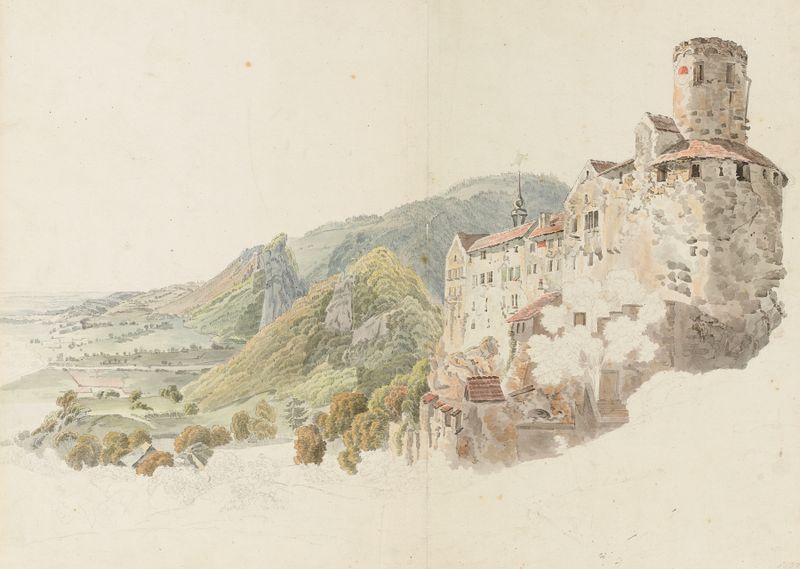
Etude du Chatau de Pechbourg dans le Canton de Soleure
Heinrich Rieter
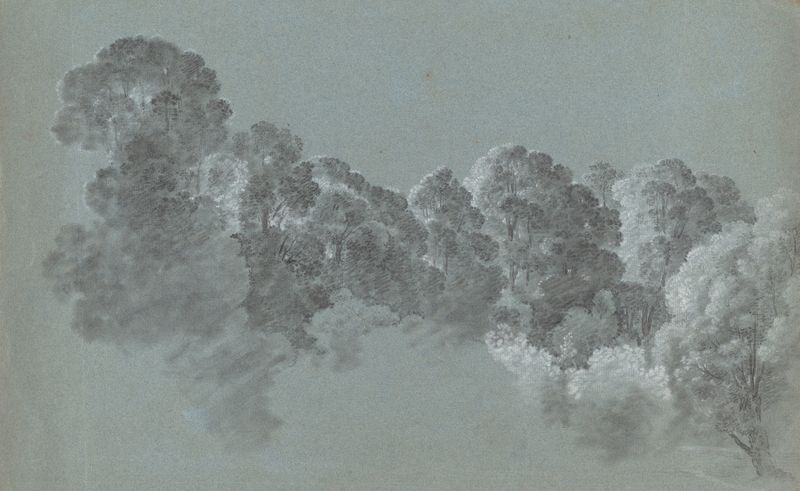
Forest Treetops Struck by Light
Heinrich Rieter
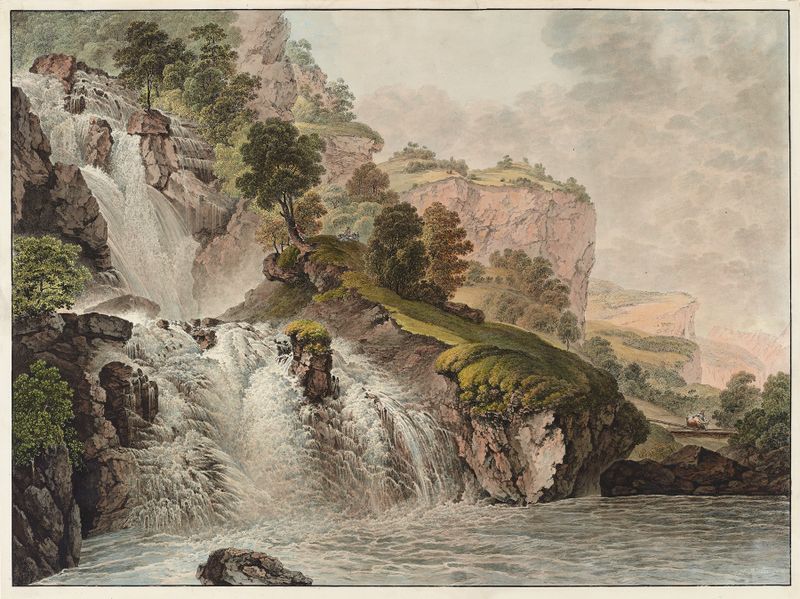
Derniere Cascade du Reichenbach dans la vallèe d’Oberhasli
Heinrich Rieter





