
Vûe du Chateau de Wimmis et des environs — History & Facts
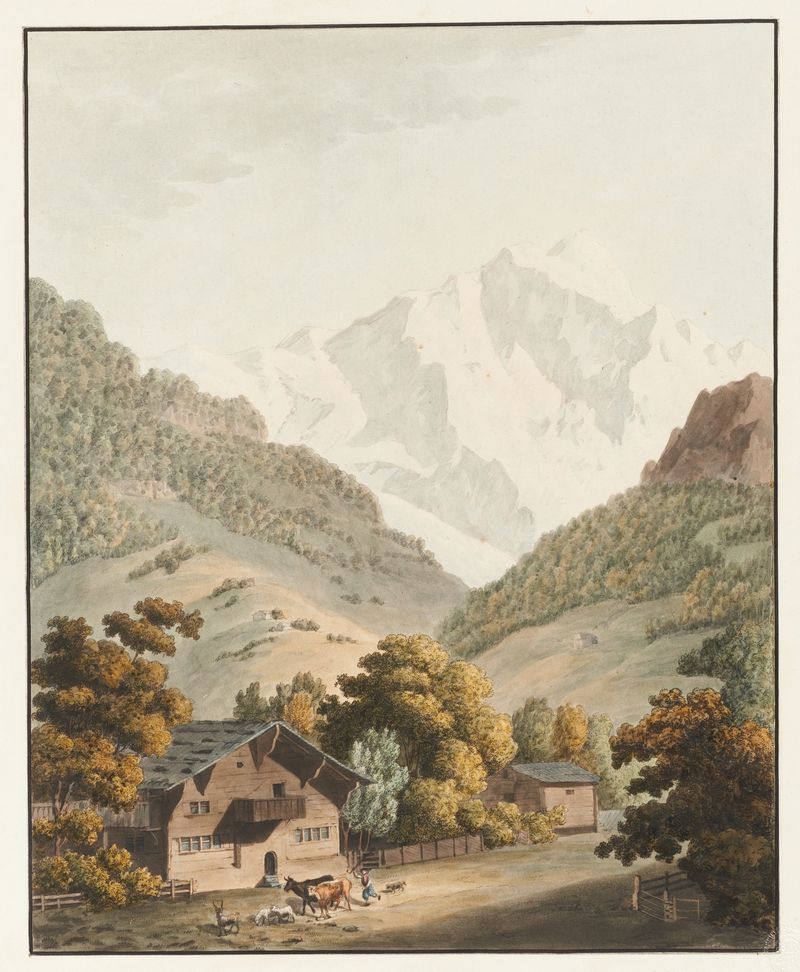
When did color learn to lie? In the mesmerizing vistas captured by Johann Ludwig Aberli, we are invited to question the very nature of perception, as hues awaken a reality both serene and deceptive. Look to the foreground, where delicate strokes breathe life into the lush landscape. The vivid greens of the meadows are interspersed with small, almost ethereal, blooms that draw the eye toward their intricate details. Notice how the gentle gradation of blue in the sky bleeds softly into the warm tones of the distant hills, creating a harmonious balance that guides you deeper into the scene.
The composition invites exploration, suggesting pathways hidden in these rolling hills, while the interplay of shadow and light adds an air of tranquility. In the details lie the painting's emotional resonances. The contrasting yet harmonious colors evoke a sense of awakening, as though the landscape itself whispers secrets of renewal and growth. The distant chateau, perched atop a hill, stands not just as a structure but as a symbol of stability amidst the changing tides of nature.
This tension between permanence and transience underpins the work, reflecting a deep yearning for connection to both place and time. Created in Switzerland during the 18th century, Aberli’s work emerged in a period when landscape painting was flourishing, capturing the sublime beauty of nature with newfound realism. While the exact date of this piece remains unspecified, his landscapes offered viewers an idealized yet authentic glimpse into the world around them, as the Romantic era began to embrace emotional depth and individual experience within nature.
More Artworks by Johann Ludwig Aberli
Browse all →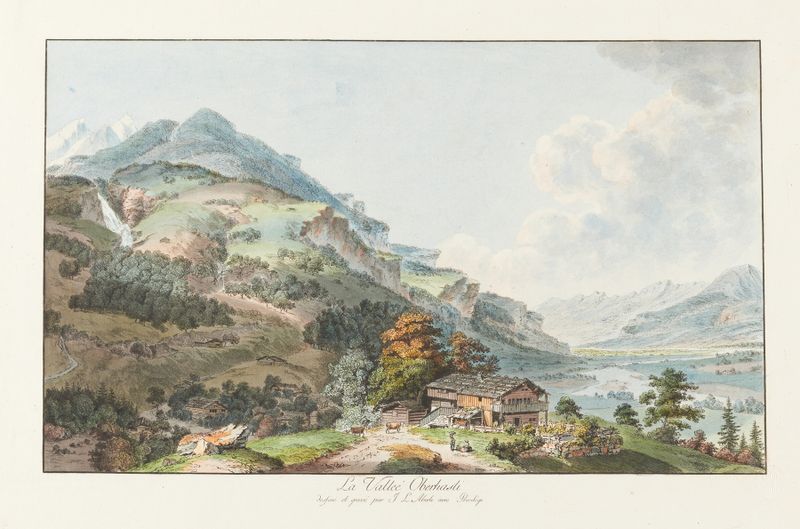
La Vallée Oberhasli
Johann Ludwig Aberli
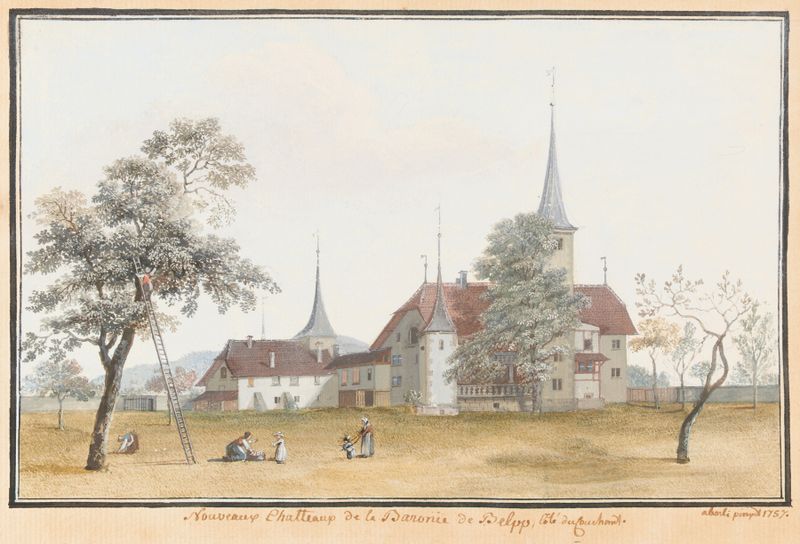
Nouveaux Chatteaux de la Baronie de Belpp; Côté du Couchant
Johann Ludwig Aberli
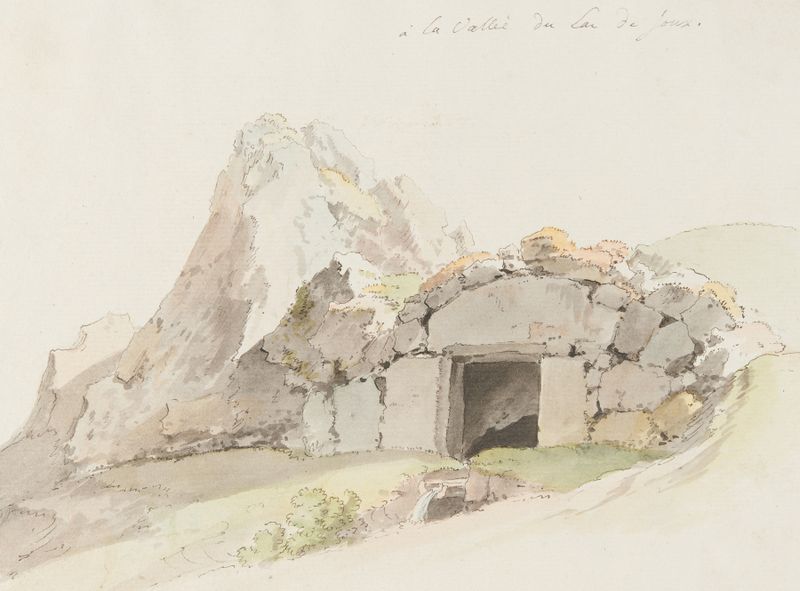
à la Vallèe du Lac de Joux
Johann Ludwig Aberli
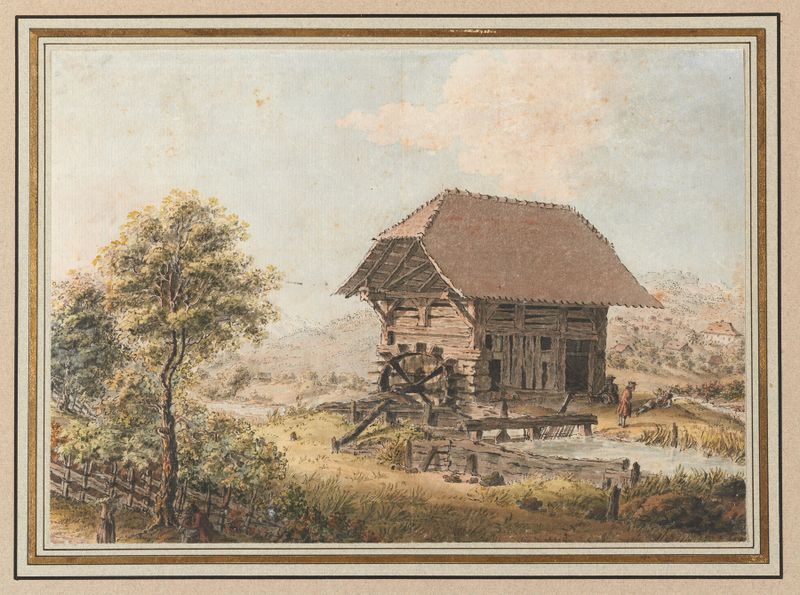
Ansicht einer Mühle im Berner Mittelland
Johann Ludwig Aberli
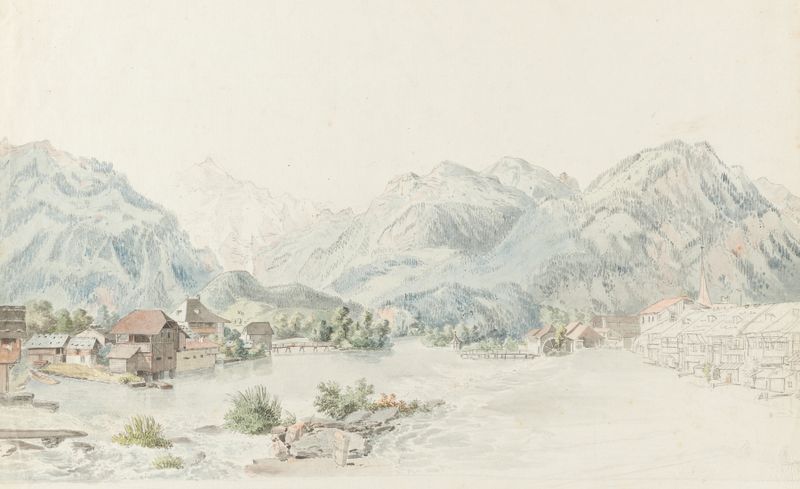
Ansicht von Unterseen
Johann Ludwig Aberli
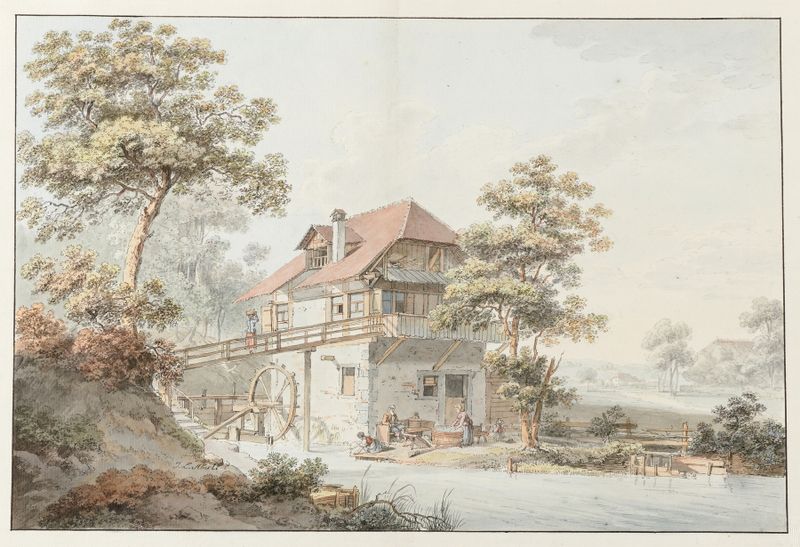
Ansicht einer Mühle im Berner Mittelland.
Johann Ludwig Aberli
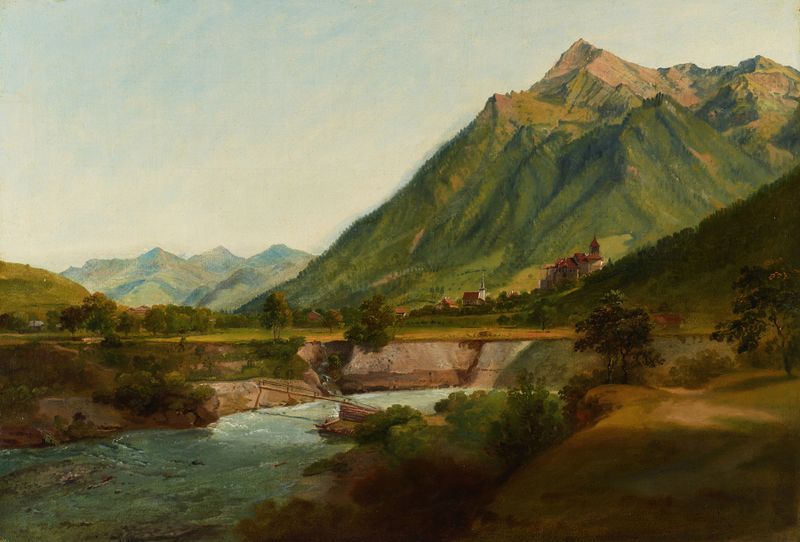
Vue du Château de Wimmis et des environs
Johann Ludwig Aberli
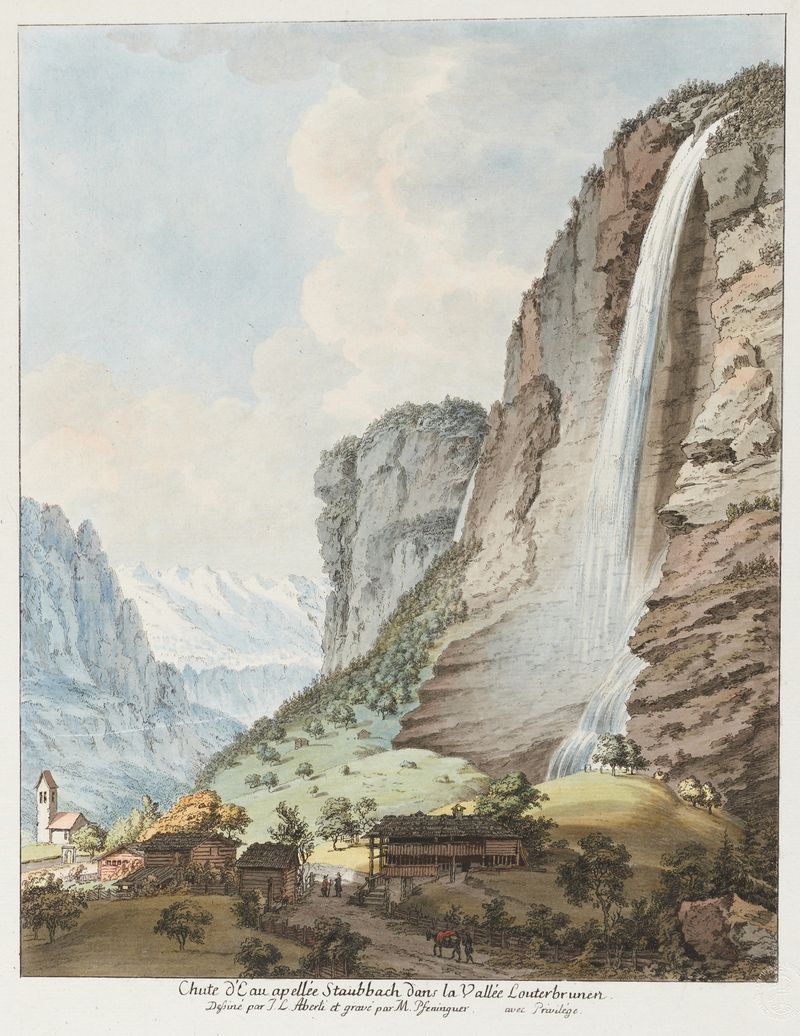
Chute d’Eau apellée Staubbach dans la Vallée Louterbrunnen
Johann Ludwig Aberli
Vue du Jungfrau-Horn
Johann Ludwig Aberli
Vue du Village et du Lac de Brientz
Johann Ludwig Aberli





