Veduta di Venezia — History & Facts
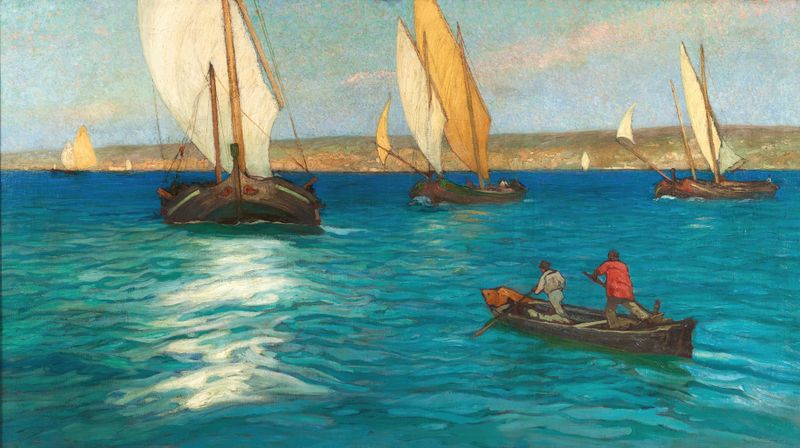
Did the painter know this moment would outlive them? The shimmering canals of Venice, alive with whispers of history and dreams unfulfilled, seem to beckon us closer, inviting us to linger in their beauty. Look to the left at the gentle ripples on the water’s surface, where the reflections of grand architecture sway softly. The palette reveals a harmonious blend of soft blues and warm golds, creating a sense of tranquility that defines the scene. Notice how the delicate brushwork captures the intricate details of the buildings, their ornate facades bathed in the gentle embrace of early morning light, as if time itself has paused to appreciate their splendor. The emotional tension nestled within the piece lies in the contrast between the serene beauty of the landscape and the underlying sense of transience.
The boats, drifting lazily along the canal, evoke a feeling of yearning, suggesting the passage of time that affects all who inhabit this timeless city. Subtle details, like the figures on the shore and their contemplative poses, invite viewers to reflect on their own relationship with fleeting moments and cherished memories. Pietro Fragiacomo painted Veduta di Venezia during the 1890s, a period characterized by an increasing fascination with capturing the ephemeral beauty of nature and urban life. At this time, he was deeply engaged with the Impressionist movement, drawing inspiration from his surroundings in Venice amidst the changing tides of art history.
As a resident of this iconic city, Fragiacomo sought to immortalize its enchanting essence, a legacy that resonates long after the brushstrokes dried.