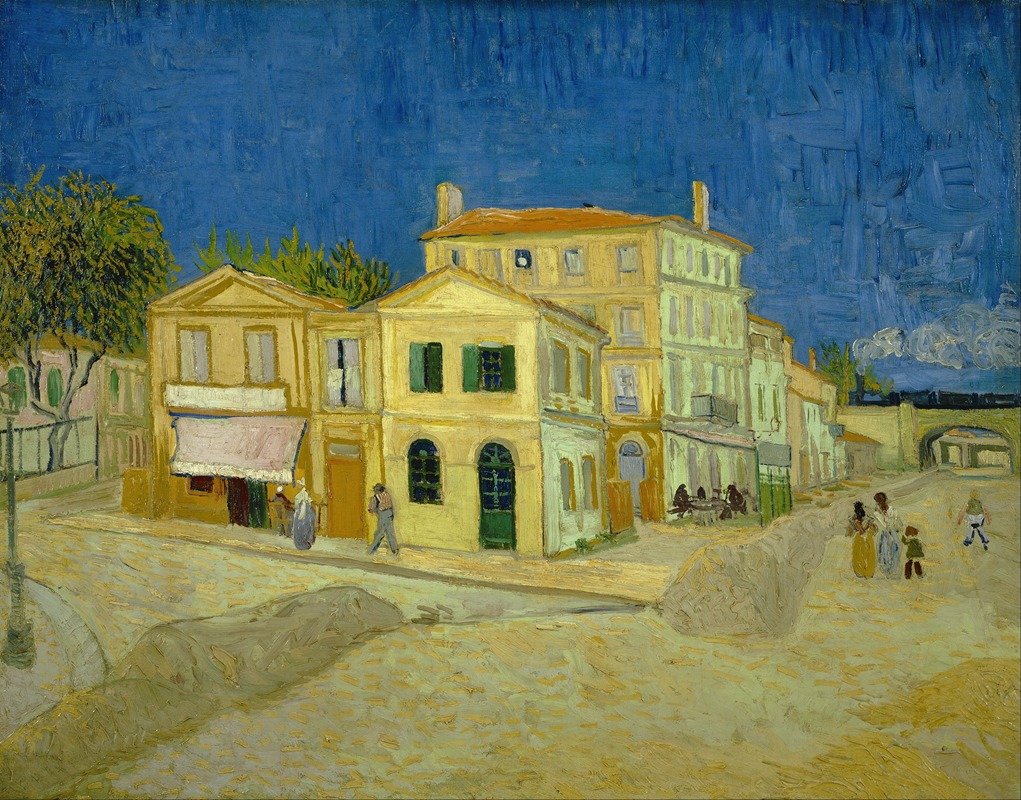
Discover insights about this artwork
Veduta of the Aqueduct and Aranciera of the Villa Borghese, Rome — History & Facts
In Veduta of the Aqueduct and Aranciera of the Villa Borghese, Rome, Ippolito Caffi presents a vibrant landscape filled with lush greenery and architectural elements. The painting showcases the majestic aqueduct, which stands tall against a backdrop of blue skies. The Aranciera, or orange garden, is depicted with its orderly rows of trees, creating a sense of harmony within the composition.
The colors are rich and varied, with deep greens, warm earth tones, and bright blues that bring the scene to life. Caffi's technique is evident in the detailed rendering of the aqueduct's stonework and the delicate foliage of the orange trees. The use of light and shadow adds depth to the painting, enhancing the three-dimensional quality of the structures. The artist's brushwork is fluid, capturing the essence of the landscape while maintaining a sense of realism.
This work exemplifies the Romantic style, focusing on the beauty of nature and architecture. Ippolito Caffi was an Italian painter known for his landscapes and architectural views. He often traveled to capture the beauty of various Italian sites, and this painting reflects his love for Rome. An interesting fact about this work is that it highlights the importance of the Villa Borghese as a cultural and historical site, showcasing its architectural beauty and the natural environment surrounding it.
Caffi's ability to blend these elements makes this piece a significant representation of 19th-century Roman art.
More Artworks by Ippolito Caffi
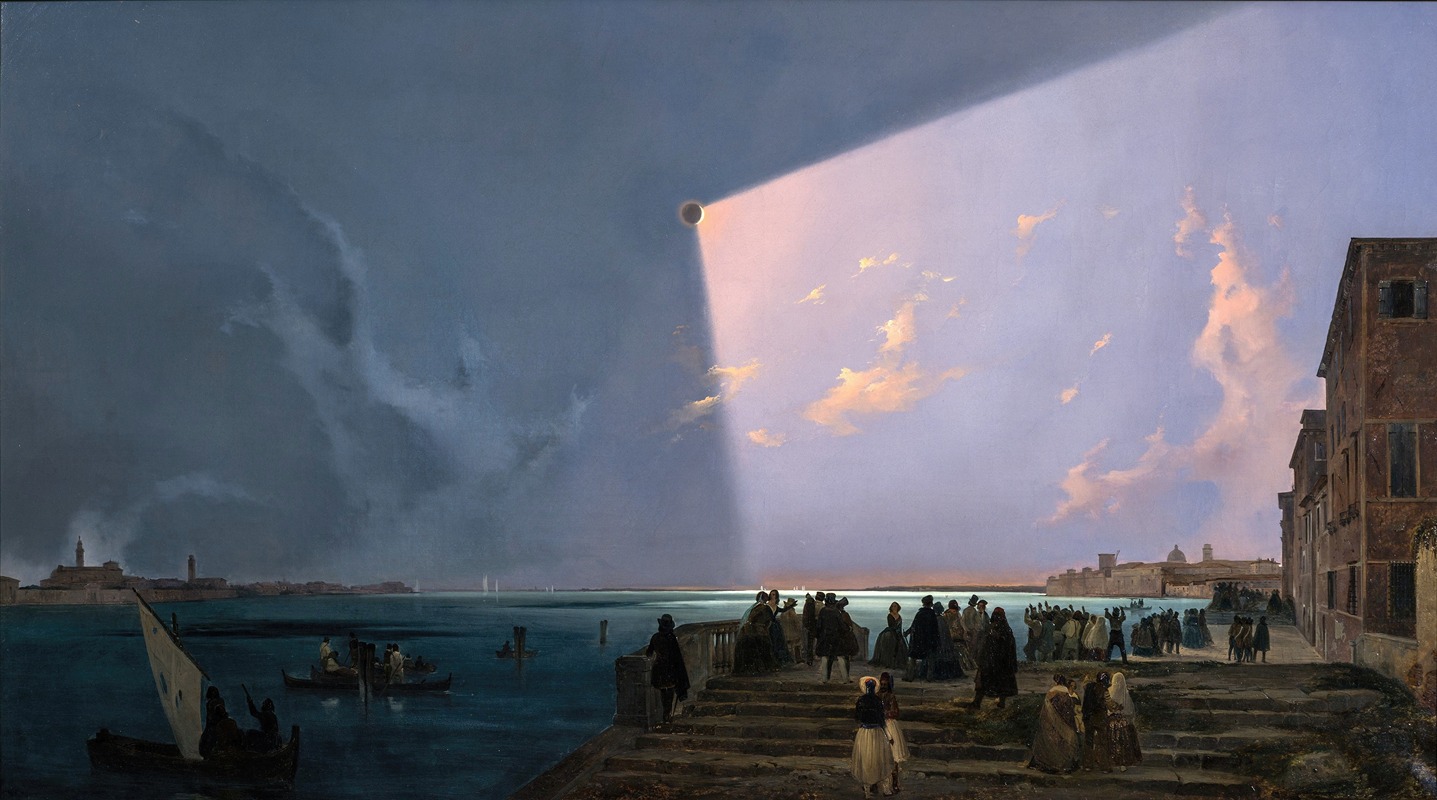
The Eclipse of the Sun in Venice, July 6
Ippolito Caffi
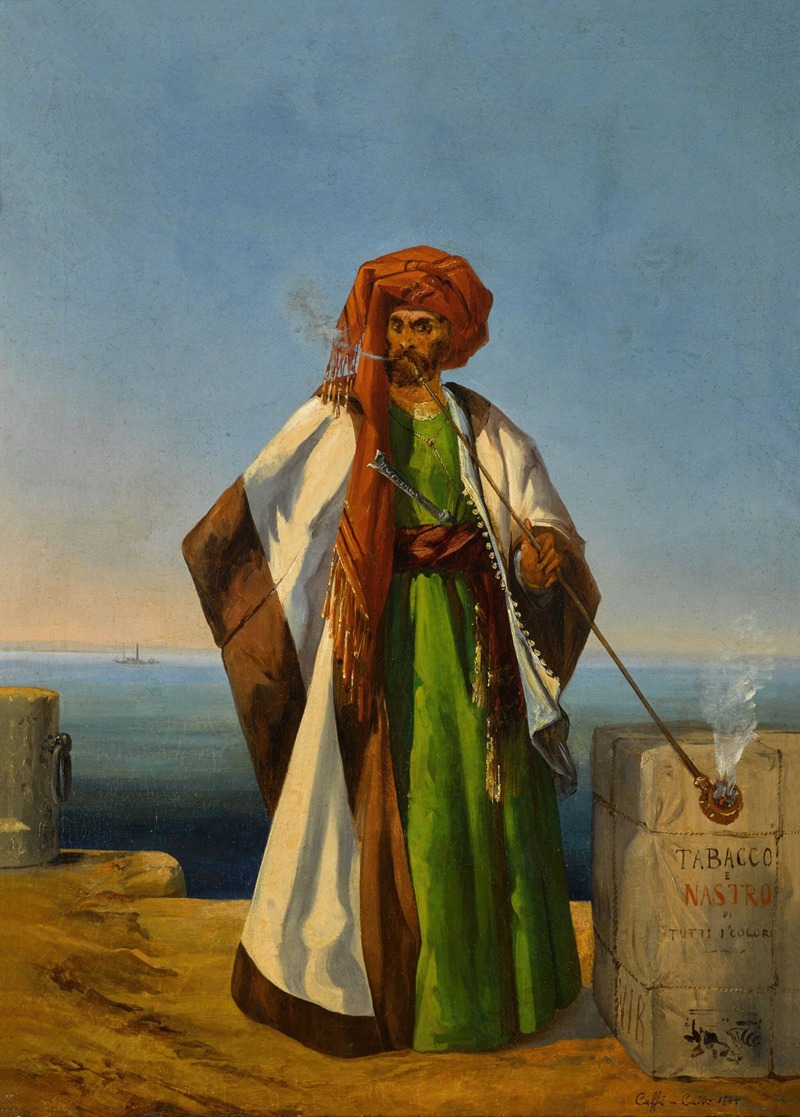
A Tobacco Merchant
Ippolito Caffi
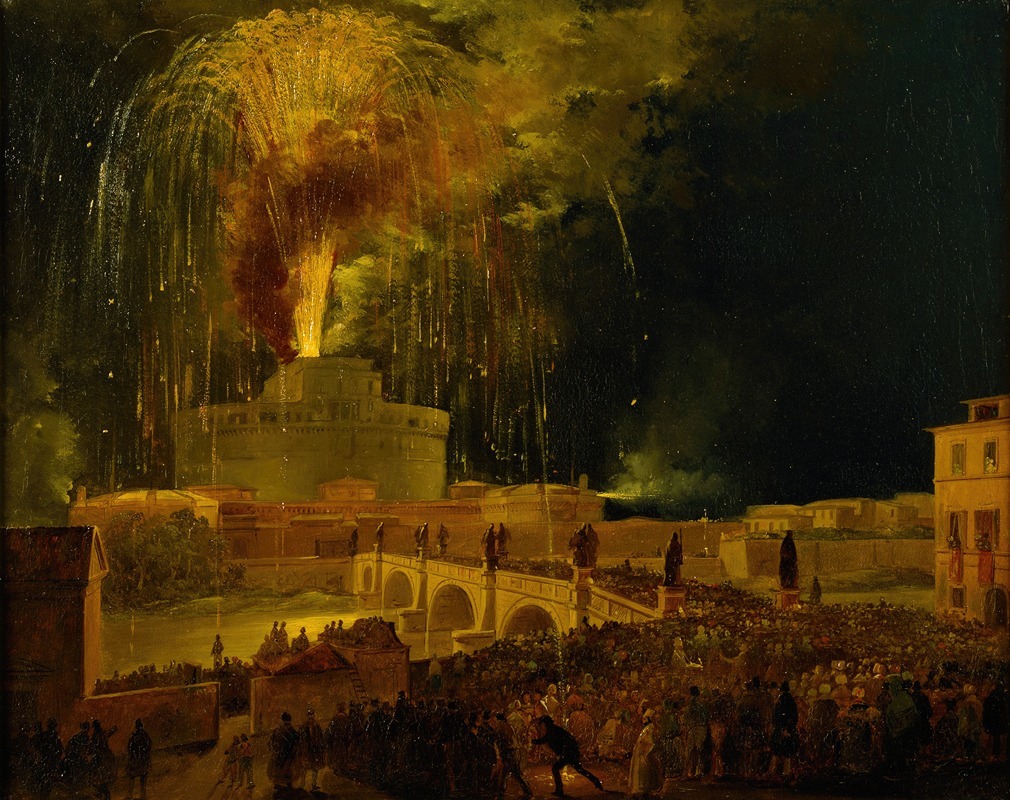
La Girandola Fireworks From Castel Sant’angelo In Rome
Ippolito Caffi
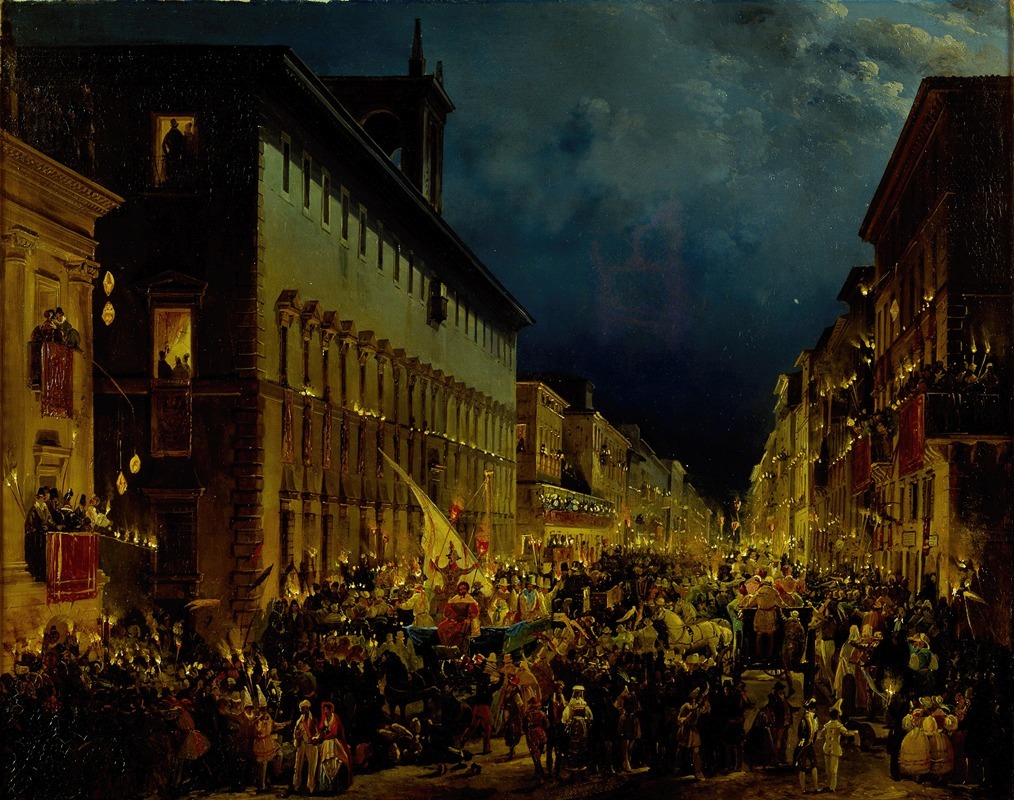
Moccoli Evening In Rome
Ippolito Caffi
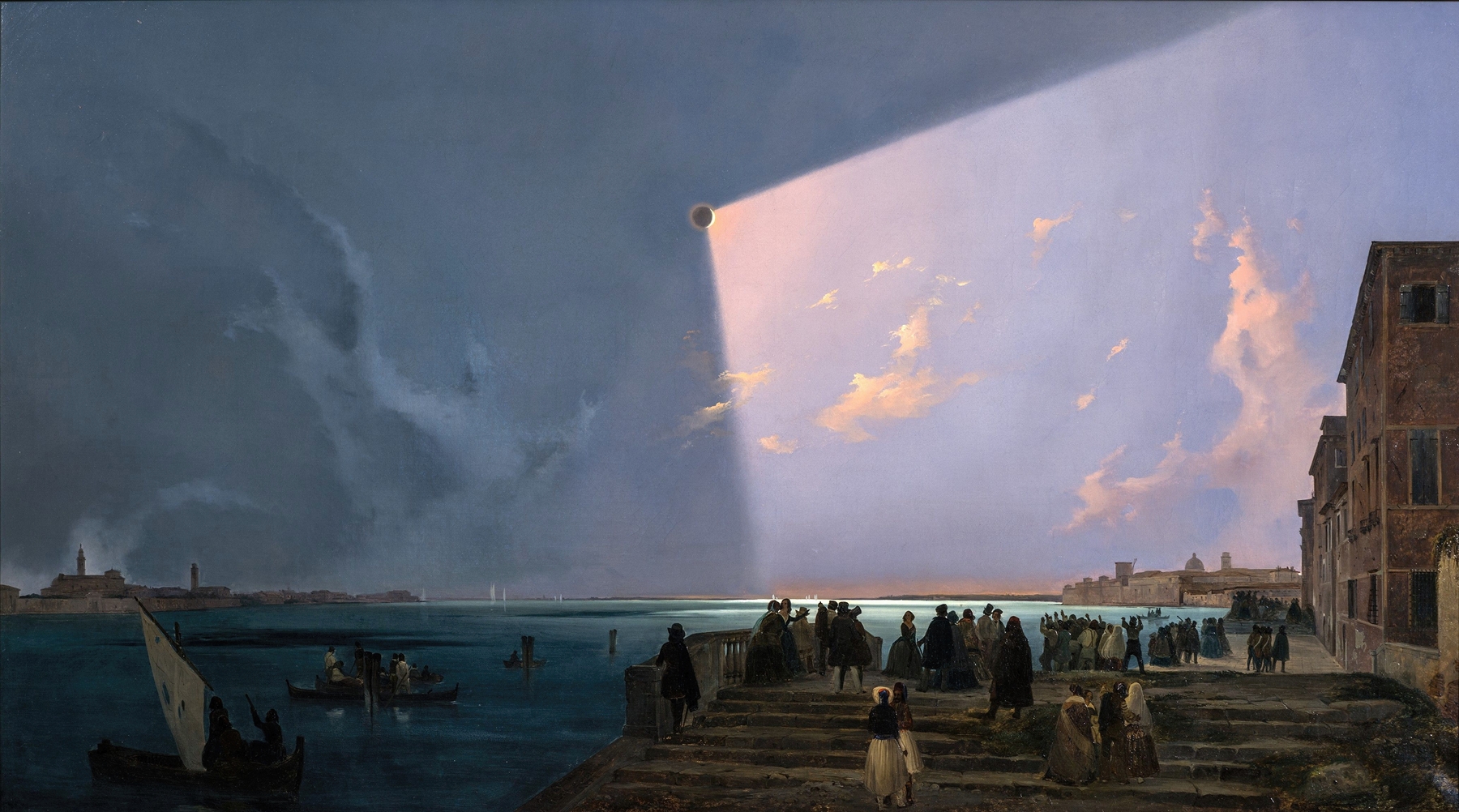
The Eclipse of the Sun in Venice, July 6, 1842
Ippolito Caffi
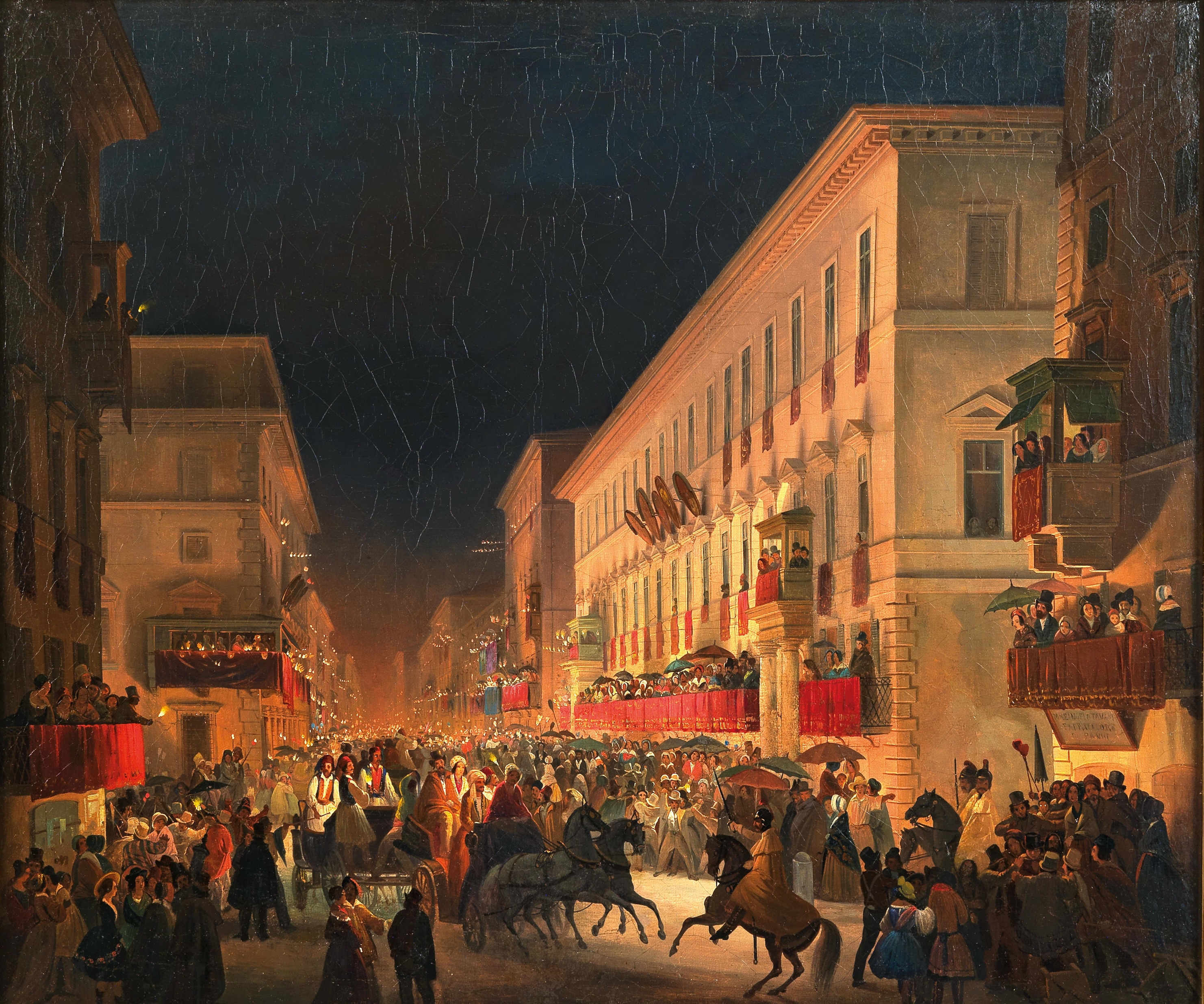
Carnival In Rome, The Feast Of Moccoletti
Ippolito Caffi
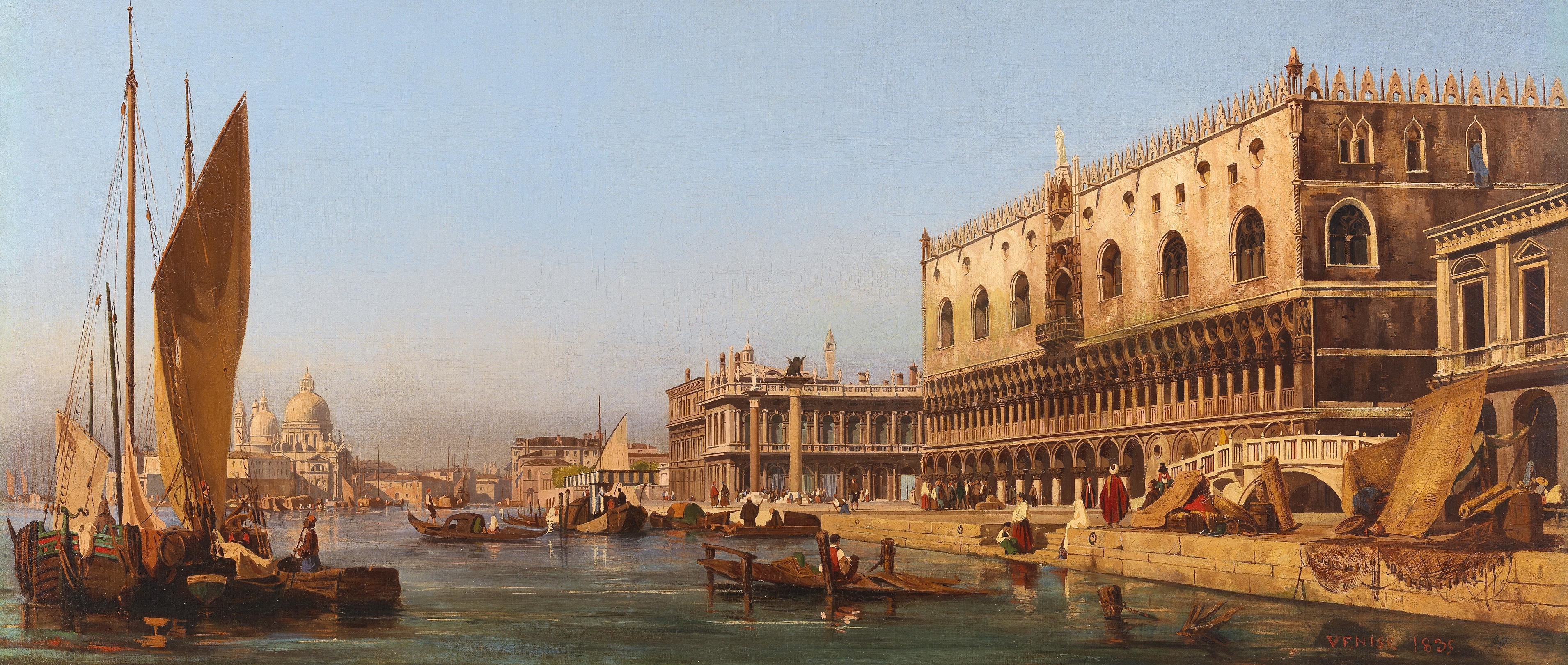
Venice, The Doge’s Palace And The Molo
Ippolito Caffi
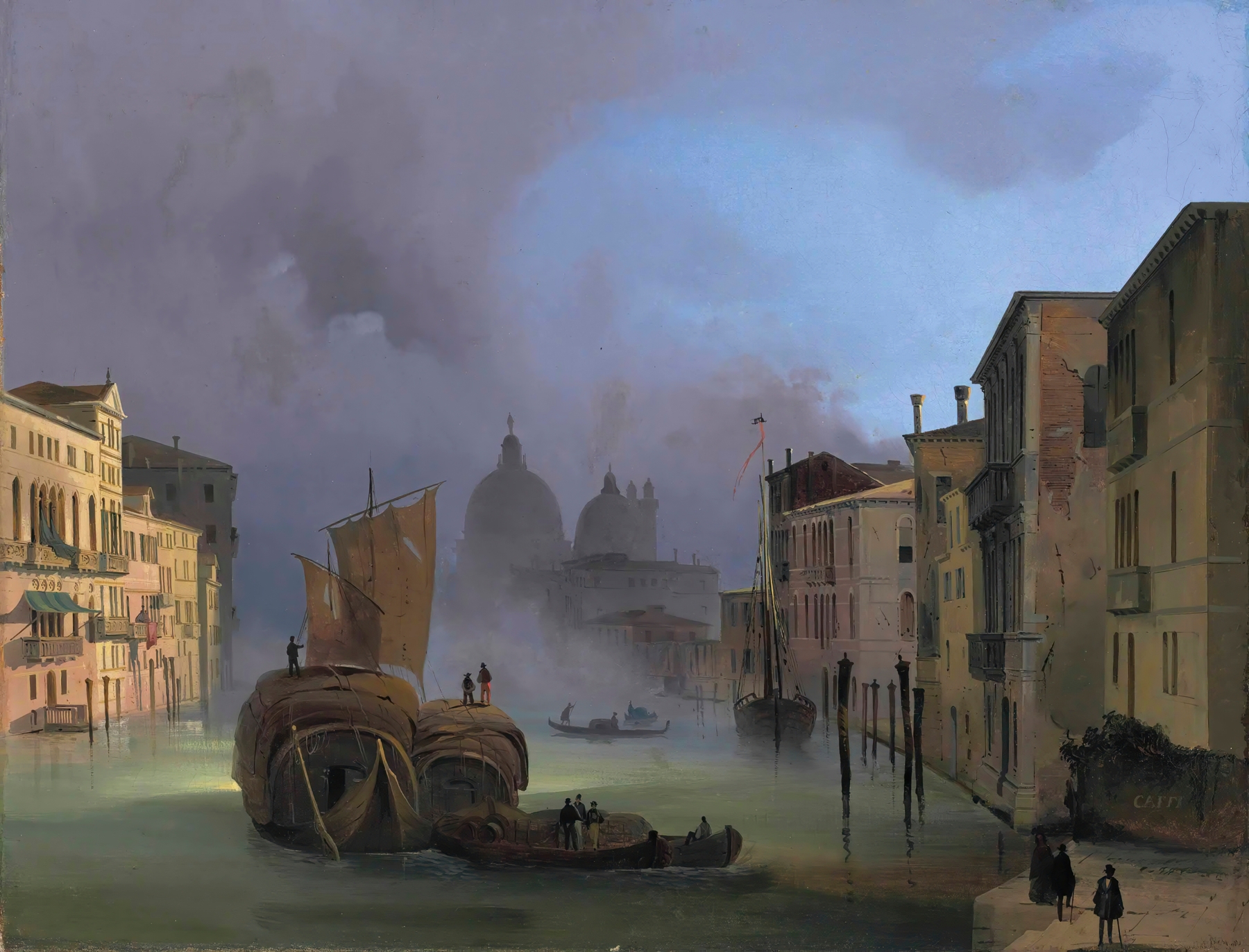
The Grand Canal, Venice, From The Ponte Dell’accademia, With Santa Maria Della Salute
Ippolito Caffi
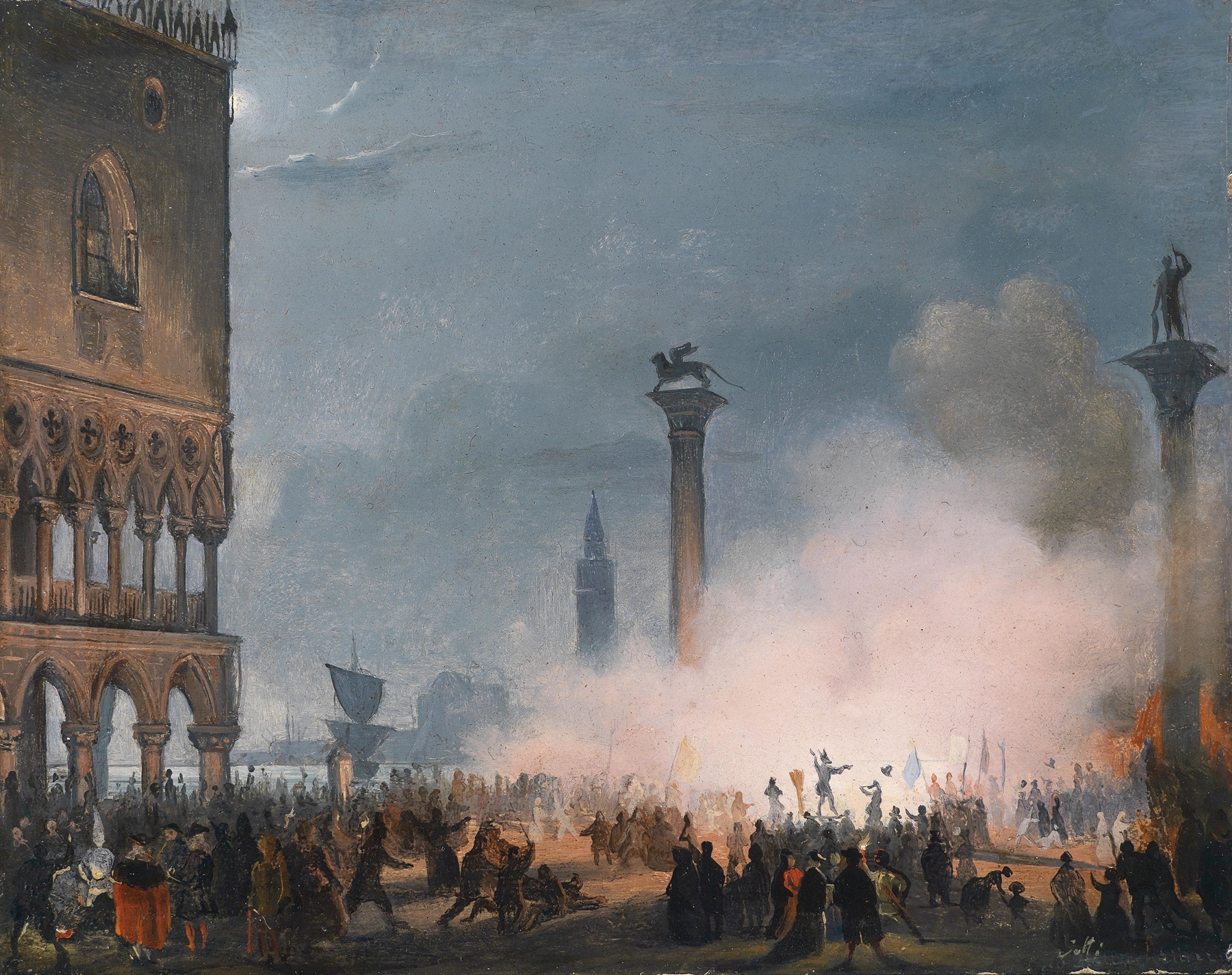
Venedi Piazzetta bei Nacht
Ippolito Caffi
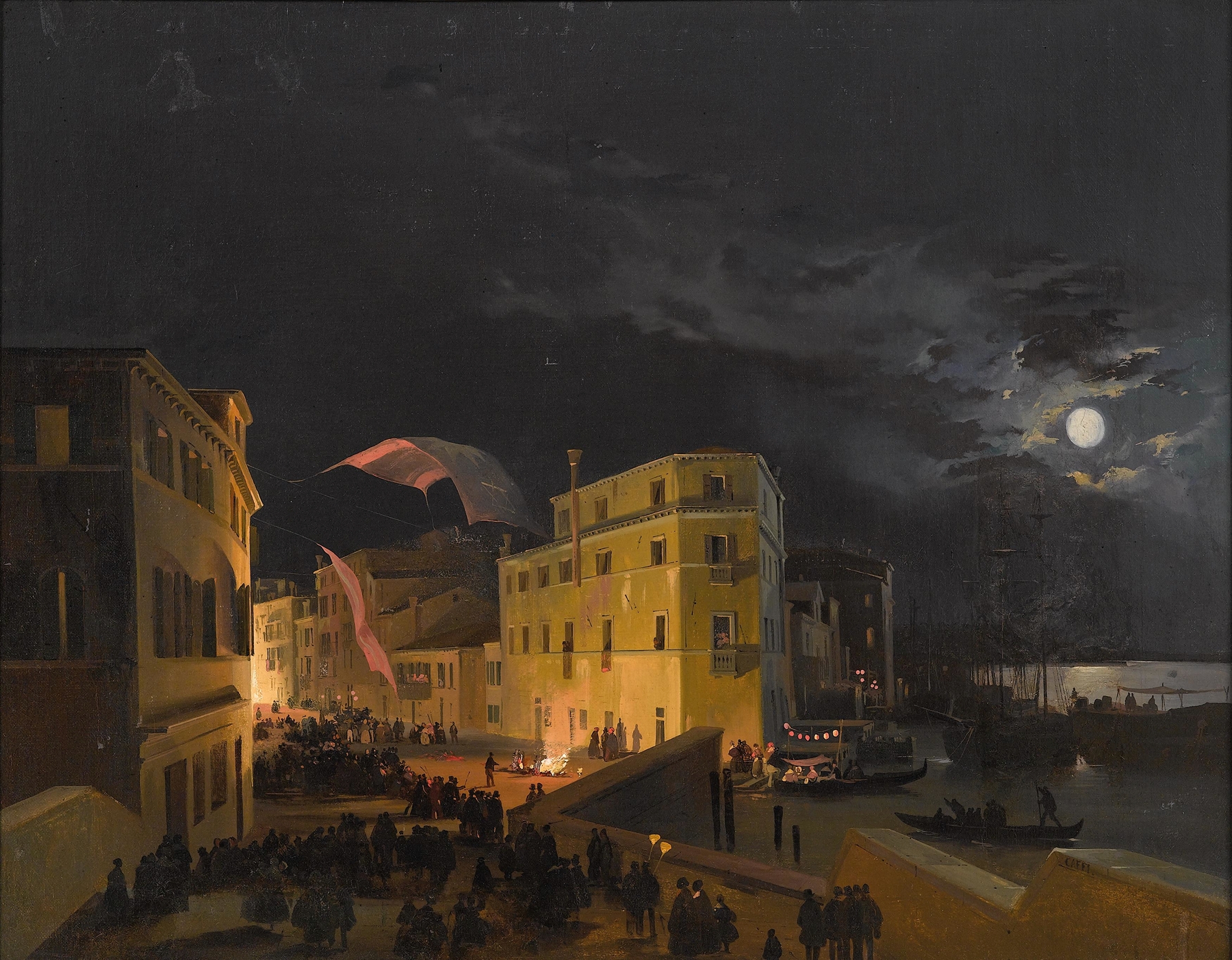
Festival in Venice
Ippolito Caffi