
Venetian Motif — History & Facts
In a realm where silence reigns, the emptiness of a setting speaks volumes, weaving intricate narratives from the void left behind. Look to the center of the canvas where delicate shades of blue and gold intertwine, capturing the essence of water and light. Notice how the brushstrokes are fluid yet intentional, creating a tranquil surface that invites the viewer to drift into its depths. The composition, framed by soft, sweeping lines, suggests a fleeting moment in time, while the color palette evokes a sense of nostalgia, as if recalling a distant memory lost in the fog of life. The juxtaposition of vibrancy and stillness reveals an underlying tension.
The almost ethereal quality of the water contrasts sharply with the stark absence of figures, inviting contemplation on solitude and the human experience. Each element in the painting holds significance: the gentle ripples hint at movement, while the expansive emptiness speaks to the heart's yearning for connection amidst isolation. Karl Kaufmann painted this work during a period of introspection, likely in the early 20th century. At this time, he grappled with the evolving landscape of modern art, seeking to immerse himself in the beauty of natural settings.
His exploration of emptiness not only reflects his artistic vision but also aligns with a broader cultural shift towards abstraction and emotional depth in art.
More Artworks by Karl Kaufmann
Browse all →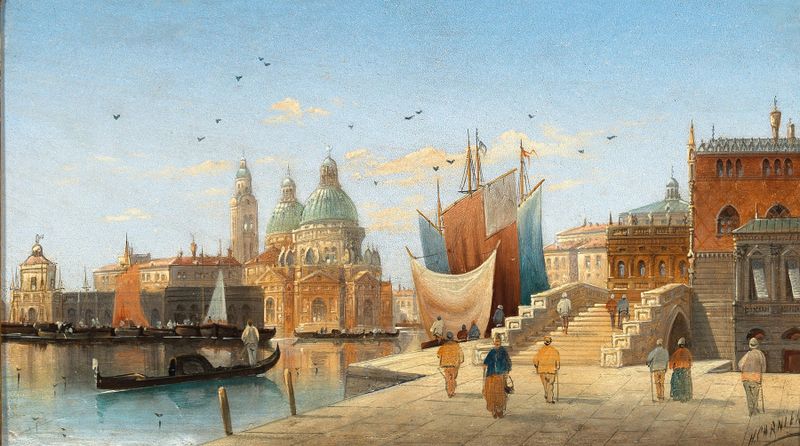
Venice, a View of Santa Maria della Salute
Karl Kaufmann
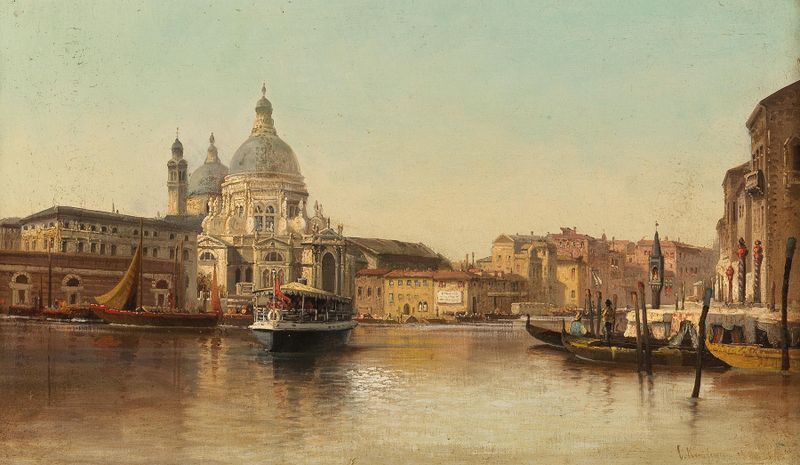
Venedig, Kanal Grande mit Blick auf Santa Maria della Salute
Karl Kaufmann
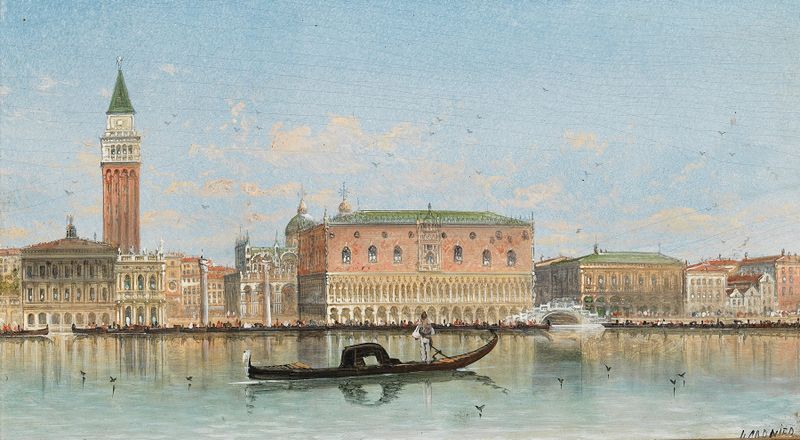
Venice, a View of St Mark’s Colum
Karl Kaufmann

Venedig Mit Santa Maria Della Salute
Karl Kaufmann
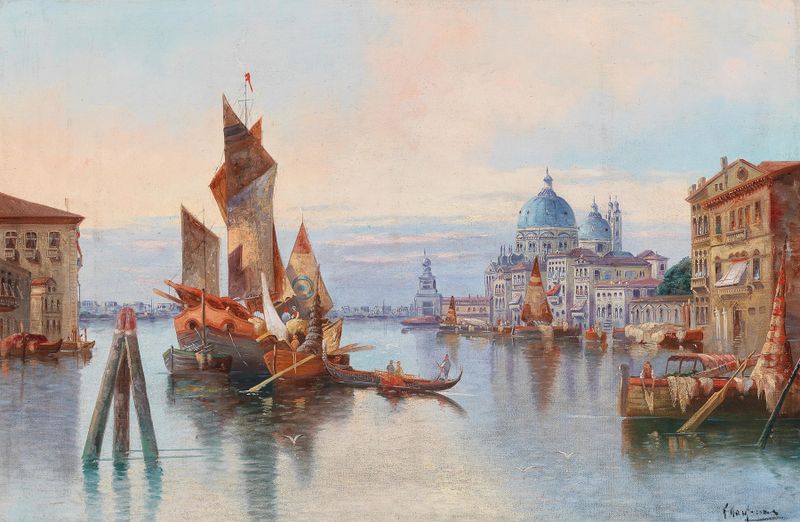
Venice, A View of Santa Maria della Salute
Karl Kaufmann
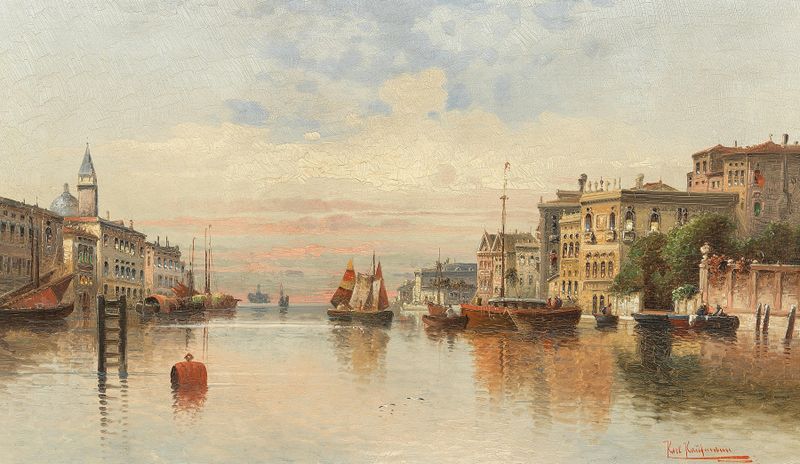
Venice, a View of a Canal
Karl Kaufmann

Fishermen By The Coast
Karl Kaufmann

Venice, Canal Scene
Karl Kaufmann
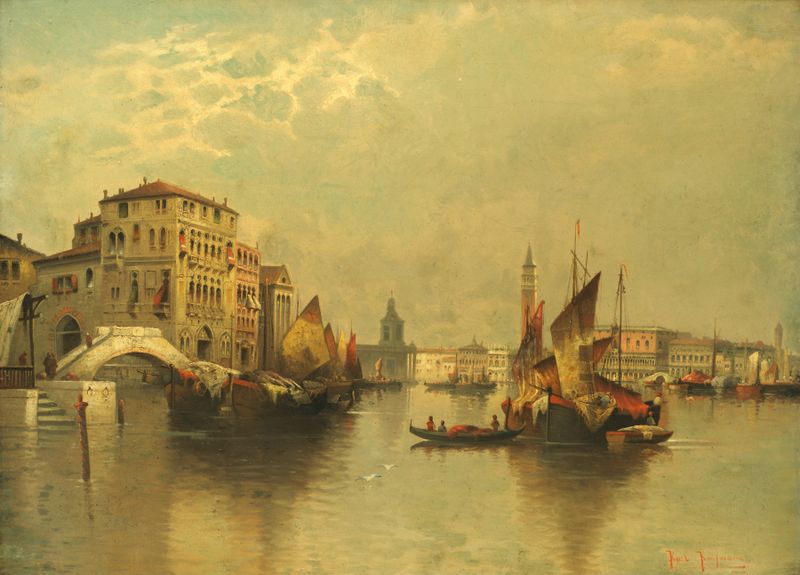
View of Venice
Karl Kaufmann
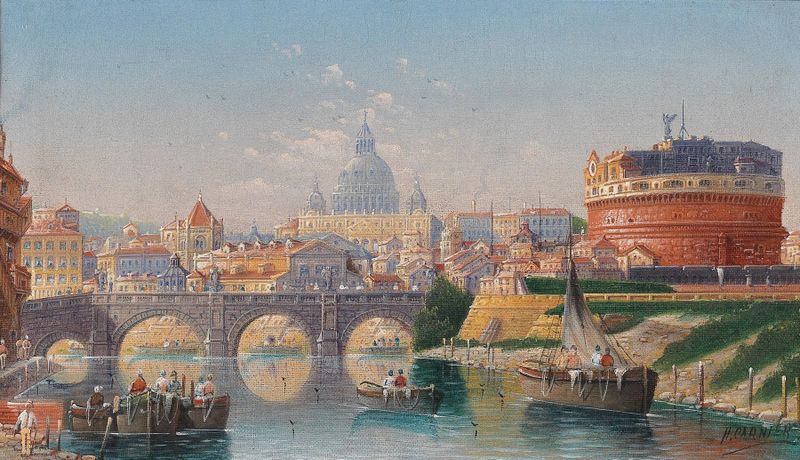
Rome, View Of The Castel Sant’angelo
Karl Kaufmann





