
Venice — History & Facts
In the hands of a skilled artist, the tumult of loss transforms into a poignant tapestry of beauty. Look to the center where a soft, shimmering canal meanders through the canvas, reflecting the vibrant hues of the buildings that line its banks. The artist employs a delicate balance of warm and cool colors, imbuing the scene with life while evoking a sense of nostalgia. Notice how the light dances across the water’s surface, creating a shimmering effect that draws the viewer in, inviting contemplation of the fleeting moments captured in time. Within this serene setting lies a deeper narrative.
The juxtaposition of the vibrant city against the fluidity of water hints at the ephemeral nature of existence. The brushstrokes, both fluid and chaotic, suggest an emotional undercurrent — the sense of something lost yet simultaneously cherished. Each building stands strong, yet their reflections quiver in the water, symbolizing the transient quality of life and the memories we hold onto. In 1896, the artist worked diligently in Boston, inspired by European influences and his own experiences.
This period saw a blend of Impressionism and American arts, where artists sought to capture the spirit of a moment rather than its exact details. The world was changing rapidly, and through works like this, the artist grappled with themes of beauty and loss against a backdrop of modernity.
More Artworks by Denman Waldo Ross
Browse all →
Portrait of a Seated Young Man
Denman Waldo Ross
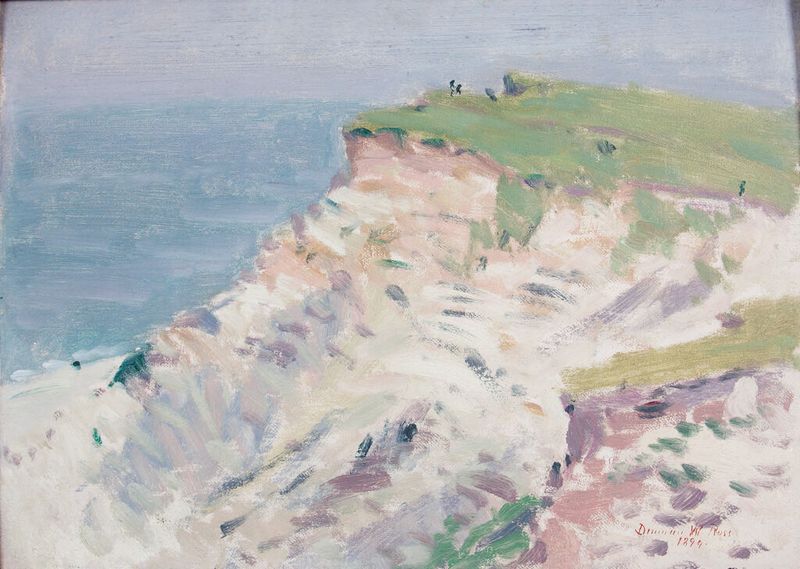
Highland Light, North Truro, Massachusetts
Denman Waldo Ross
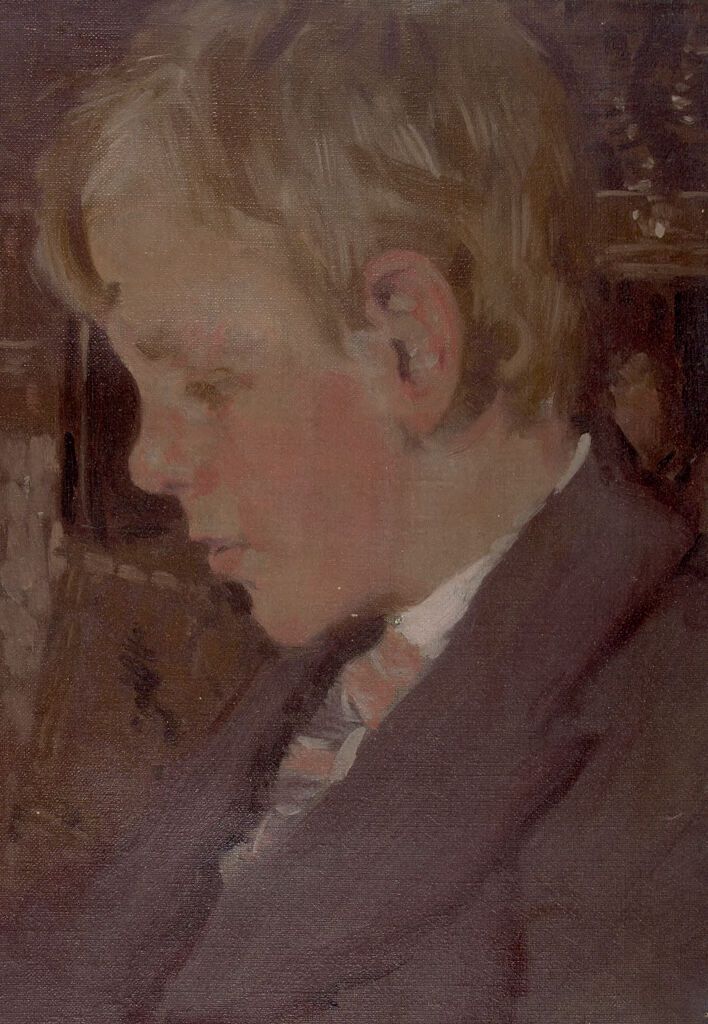
Profile Portrait of a Boy in Suit and Tie
Denman Waldo Ross
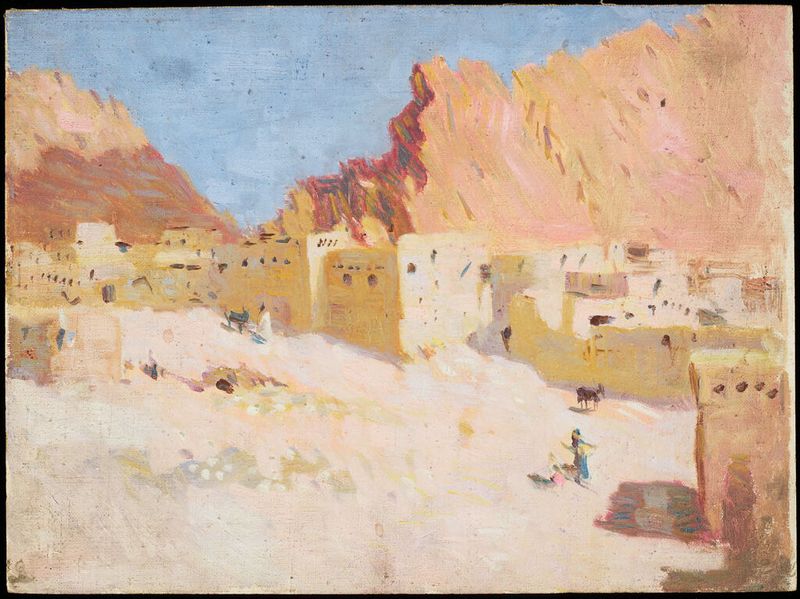
El Kantara, Near Biskra, Algeria
Denman Waldo Ross
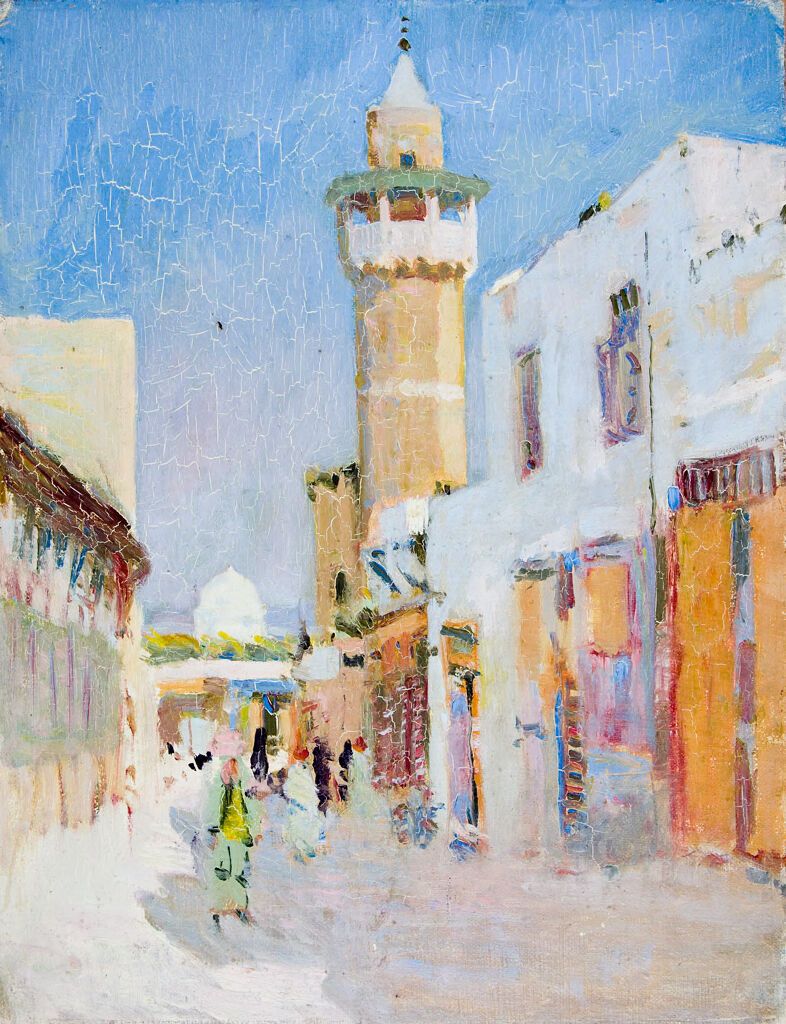
Tunis Street Scene
Denman Waldo Ross
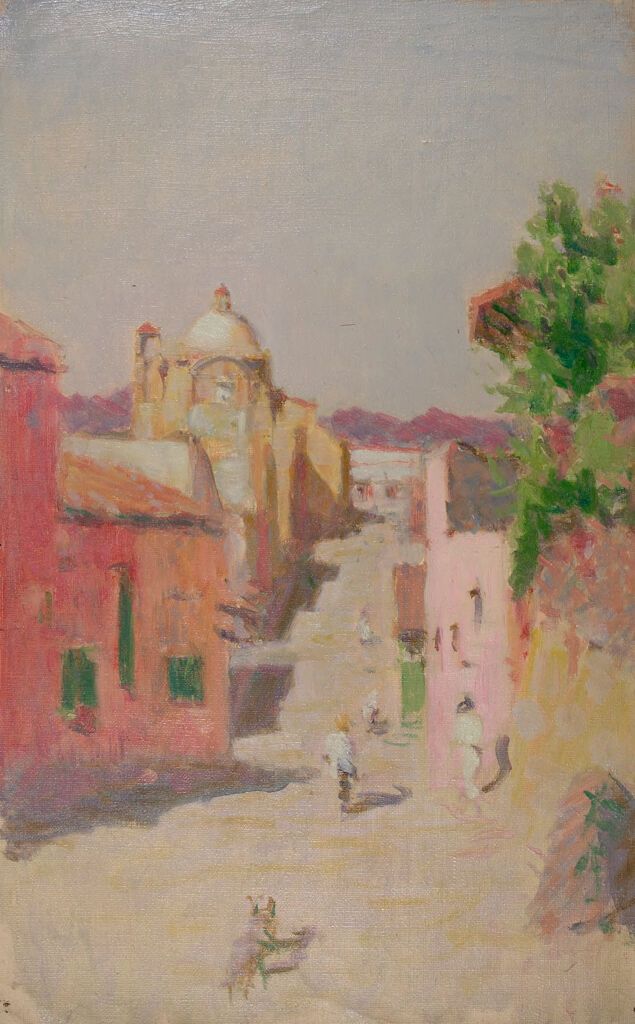
Street Scene with Animal and Figures
Denman Waldo Ross
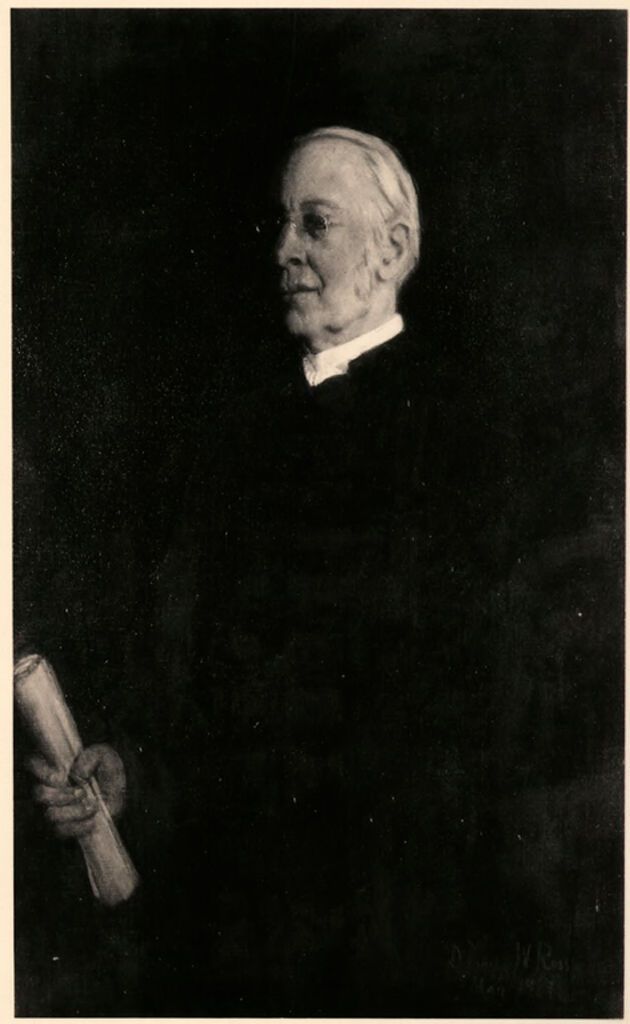
Charles William Eliot (1834-1926)
Denman Waldo Ross
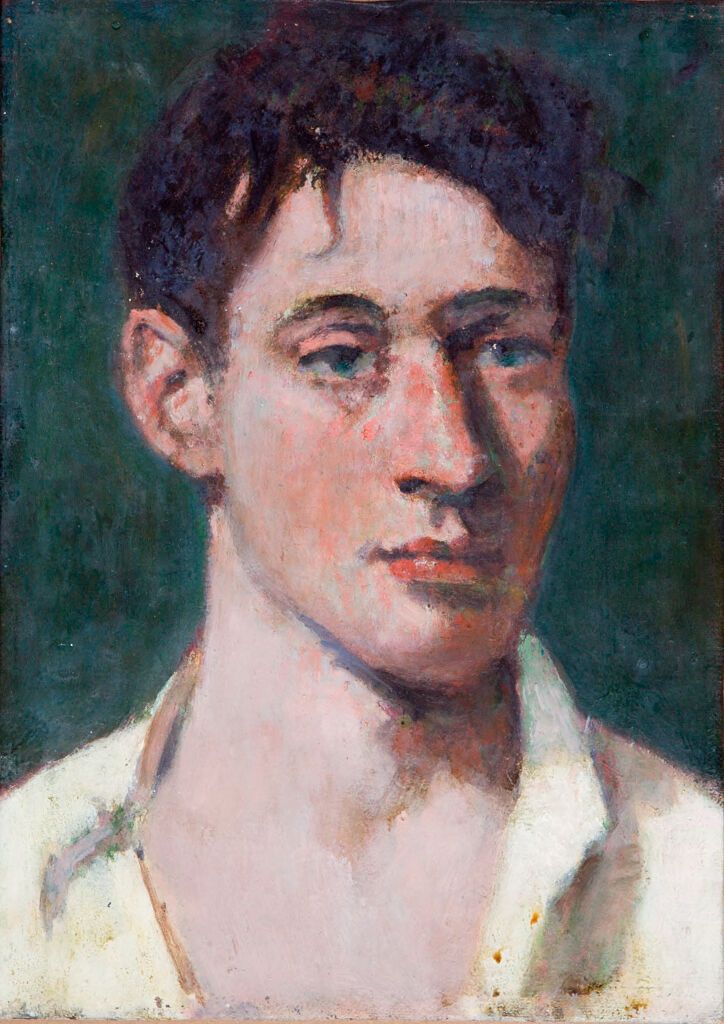
Portrait of a Young Man in White Shirt
Denman Waldo Ross
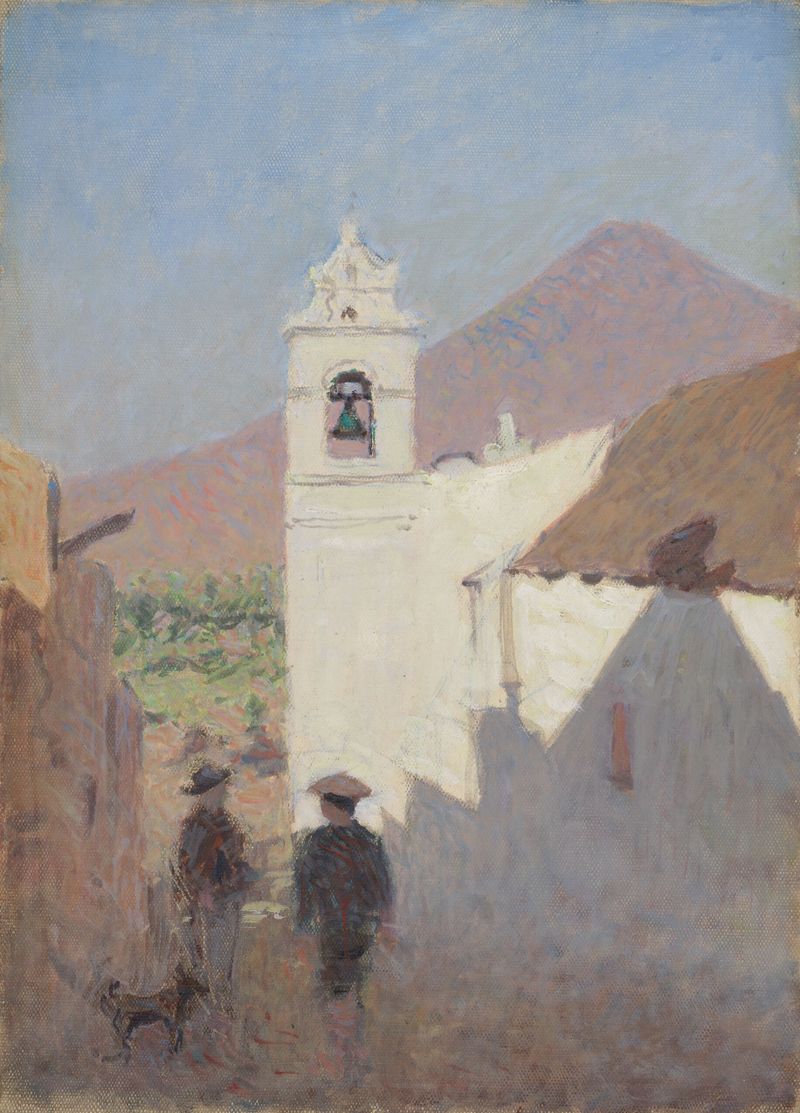
Village Near Arequipa, Peru
Denman Waldo Ross

York Harbor, Maine
Denman Waldo Ross





