
Venice — History & Facts
What if silence could speak through light? In Otto Henry Bacher’s Venice, the interplay of colors and reflections captures a profound dialogue between tranquility and vibrancy, inviting us to ponder the delicate balance between chaos and calm. Look to the lower left, where a shimmering canal reflects the golden hues of the setting sun. The soft strokes of Bacher’s brush create a fluidity that mimics the water's gentle movement, drawing your eye along the winding path that leads toward the distant horizon. Notice how the buildings, bathed in warm light, stand as silent witnesses against the cool tones of the twilight sky, illustrating a harmony that transcends the mere physicality of the city. The contrasting elements evoke deeper emotional tensions within the scene.
The stillness of the water juxtaposes the vibrant life of the city, suggesting an underlying tension between the bustling human experience and the serenity found in nature. Subtle details, such as the gentle ripples on the surface and the way shadows cradle the structures, emphasize the fragility of this balance, reminding viewers that beauty often resides in the quiet moments of existence. Created in 1880, this piece reflects Bacher's deepening engagement with Impressionism during his time in Venice. As an American artist living abroad, he found inspiration in the city's unique interplay of light and water, a theme central to his work.
Amidst the rise of urbanization and industrialization, the artist captured a moment suspended in time, revealing a world where silence, light, and life converge.
More Artworks by Otto Henry Bacher
Browse all →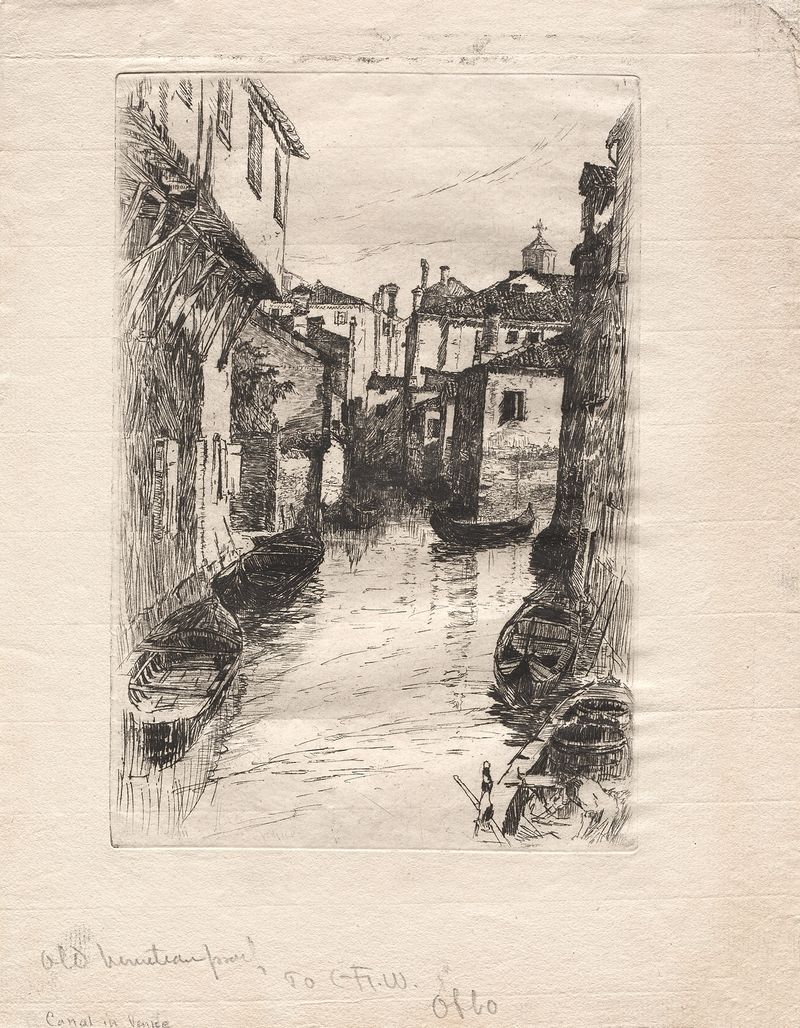
Canal in Venice
Otto Henry Bacher
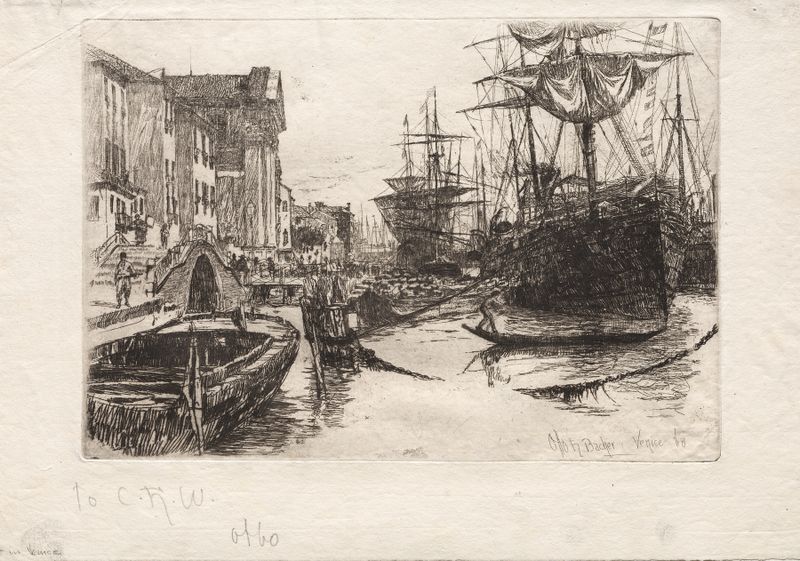
View in Venice
Otto Henry Bacher
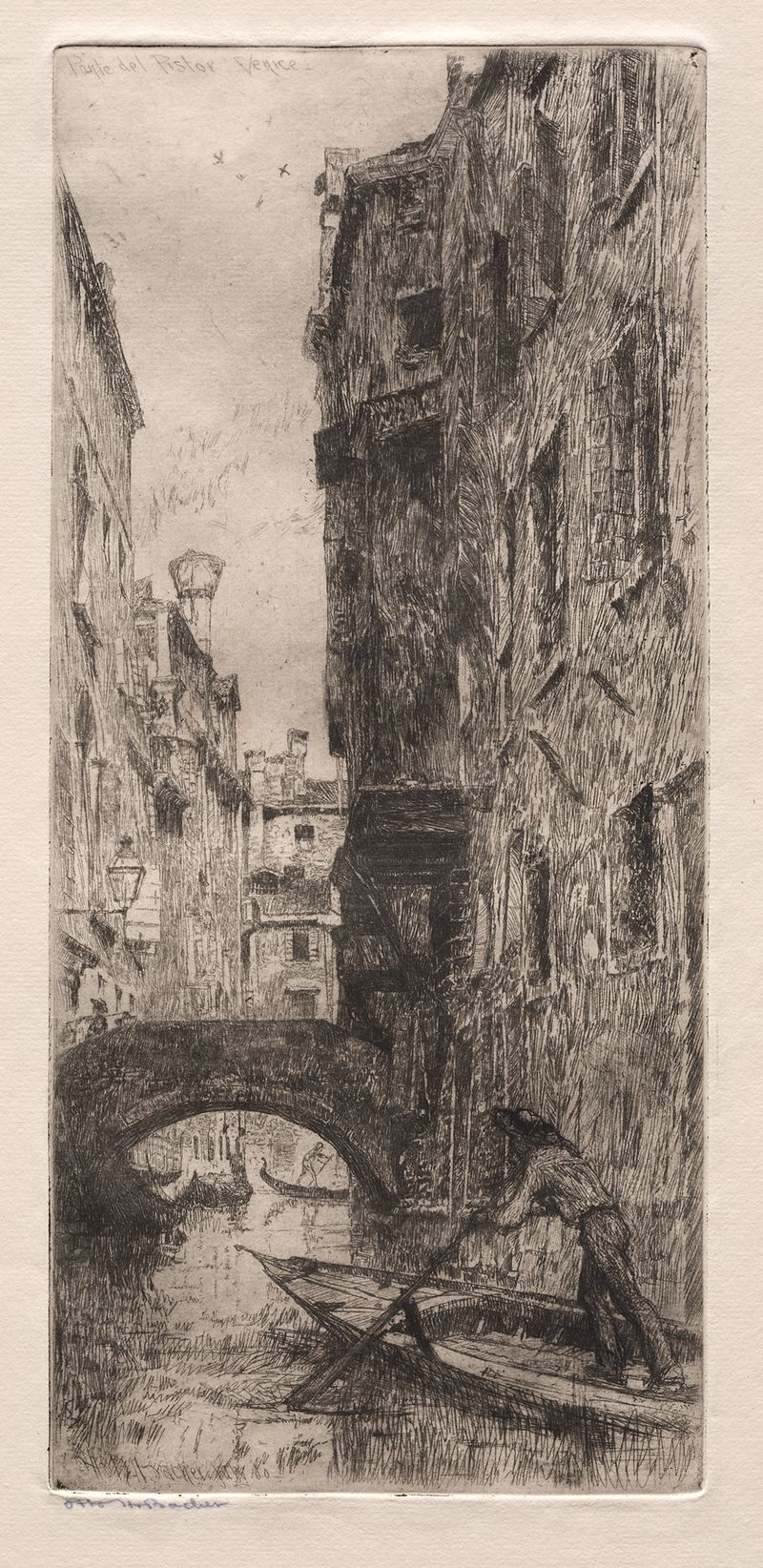
Ponte del Pistor, Venice
Otto Henry Bacher
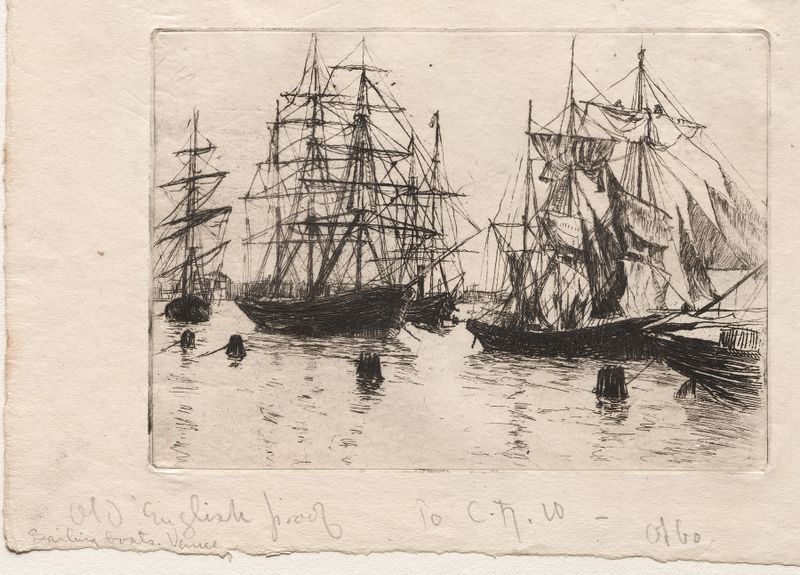
Sailing Boats, Venice
Otto Henry Bacher
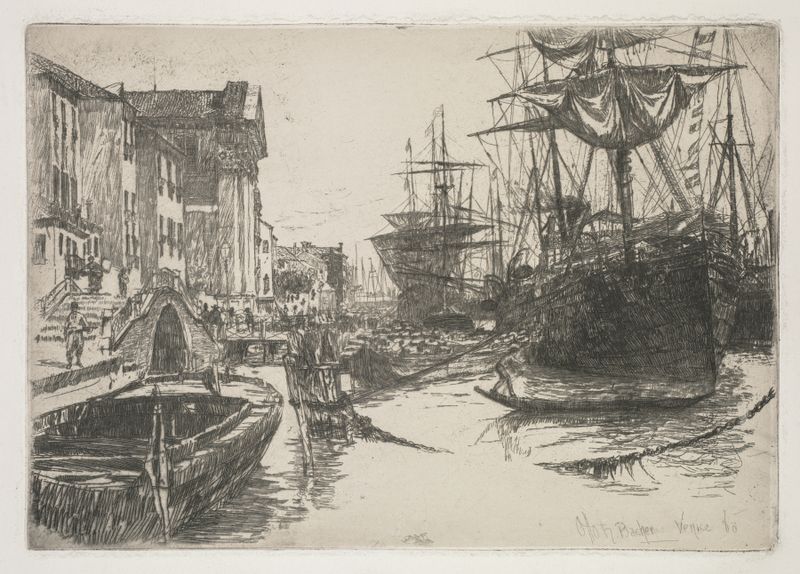
Fondamenta della Zattere
Otto Henry Bacher
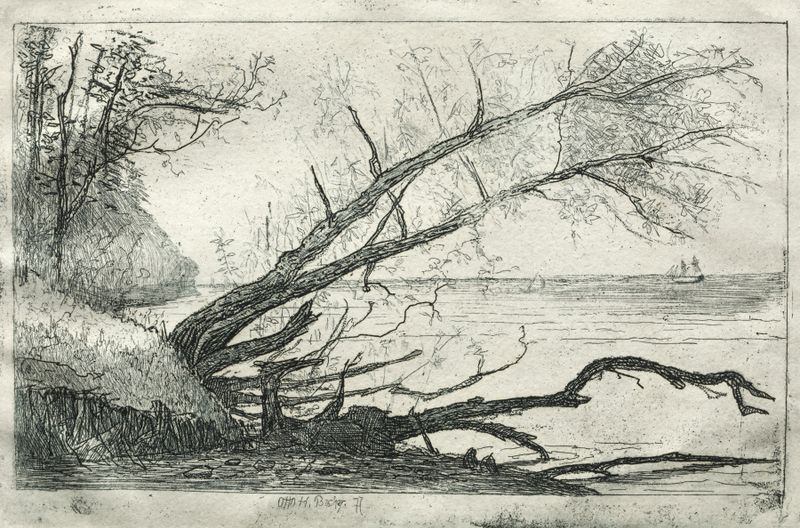
Old Sycamore
Otto Henry Bacher
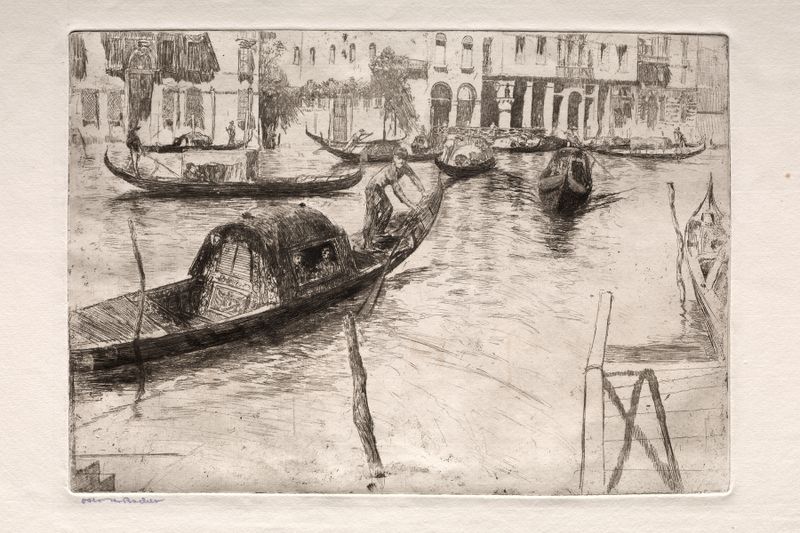
Traghetto San Felice
Otto Henry Bacher
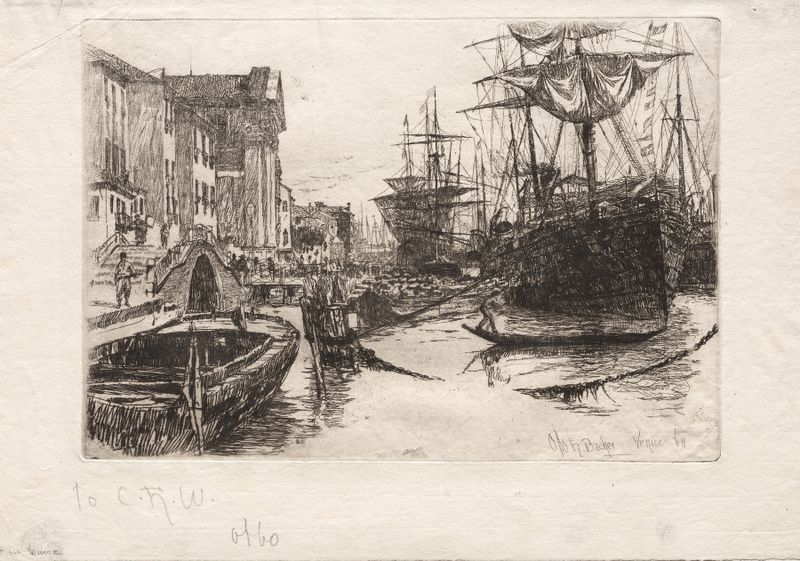
View in Venice
Otto Henry Bacher
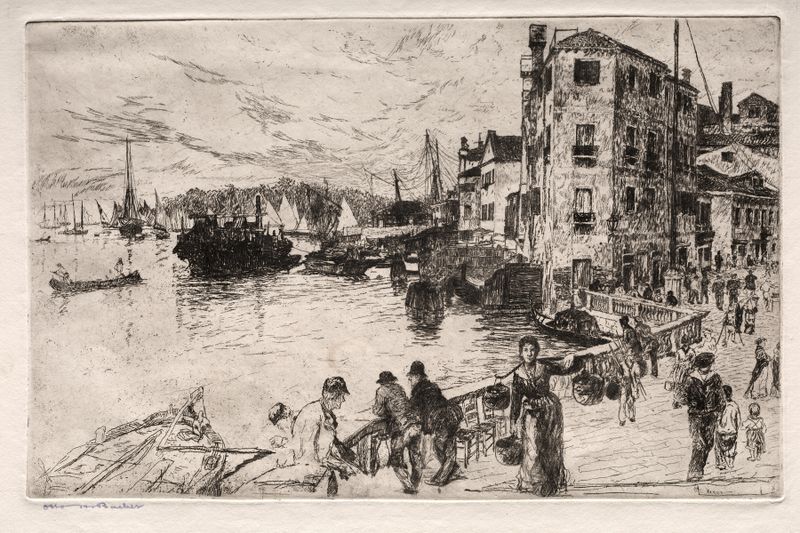
Castello Quarters, Riva
Otto Henry Bacher
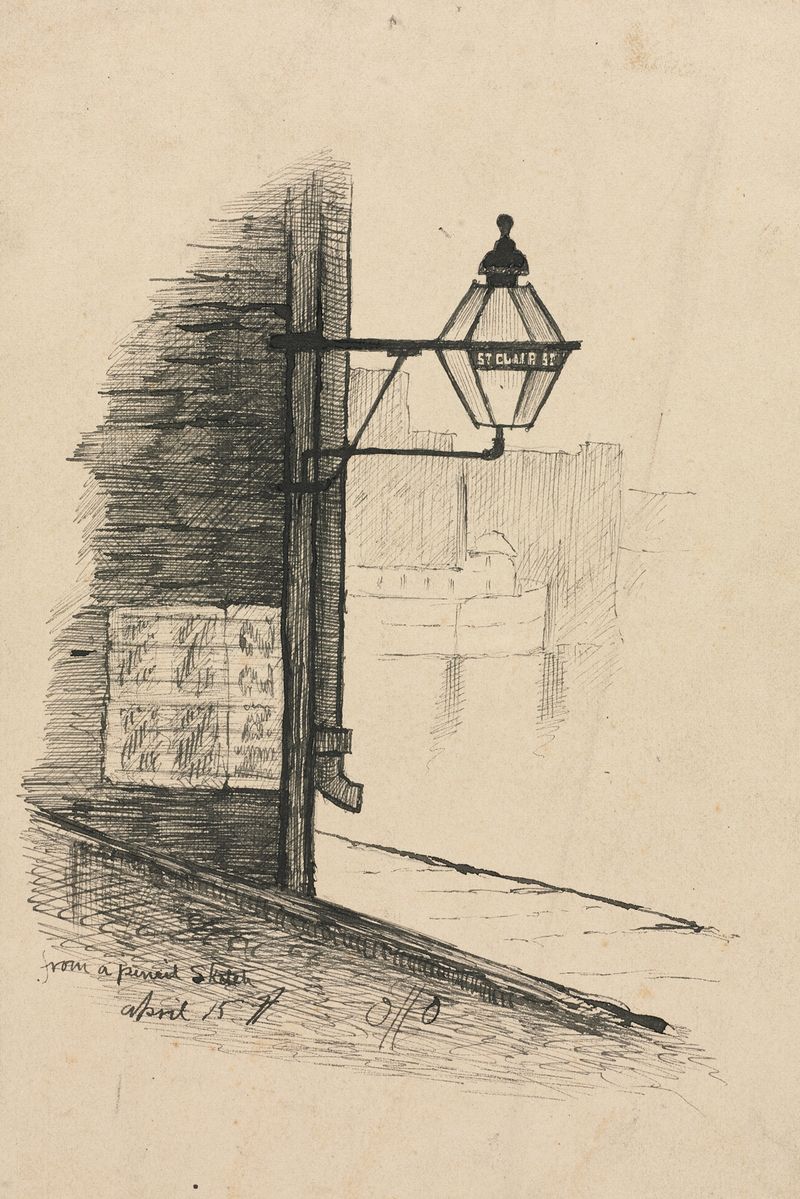
St. Clair Street, Cleveland
Otto Henry Bacher





