
Venice — History & Facts
Can beauty exist without sorrow? In the delicate interplay of light and shadow, a world unfolds where faith and longing intertwine seamlessly. Look to the left at the soft, muted tones of the sky, where gentle pastels merge into the emerging blue of the Venetian canals. Focus on the silent figures that inhabit the foreground, their forms bathed in the warm glow of the setting sun. Notice how the brushstrokes evoke both the fluidity of water and the stillness of a moment caught in time, emphasizing the ethereal beauty of a city that exists on the edge of dreams and reality. Beneath the serene surface lies a tension; the juxtaposition of the vibrant life of Venice and the haunting solitude of the figures suggests a deeper narrative.
The reflections in the water mirror not only the cityscape but also the emotional landscapes of those who wander its streets. Here, joy and melancholy dance together, each stroke revealing a story of faith in beauty amidst the passage of time. Otto Henry Bacher created this work in 1880 while living in Venice, a city that profoundly influenced his artistic vision. During this period, Bacher was immersed in the world of American Impressionism, striving to capture the ephemeral qualities of light and atmosphere.
The vibrant cultural climate of late 19th-century Europe fostered his exploration of beauty, yet the undercurrents of loss and nostalgia often informed his perspective, enriching his portrayal of this iconic city.
More Artworks by Otto Henry Bacher
Browse all →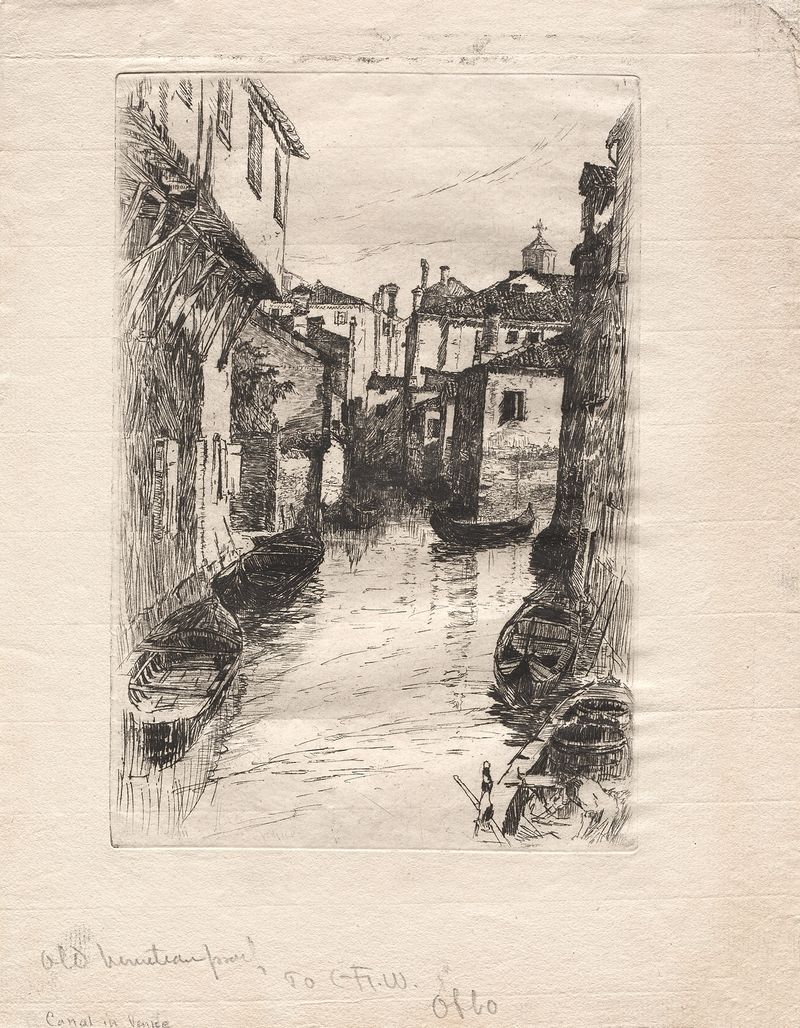
Canal in Venice
Otto Henry Bacher
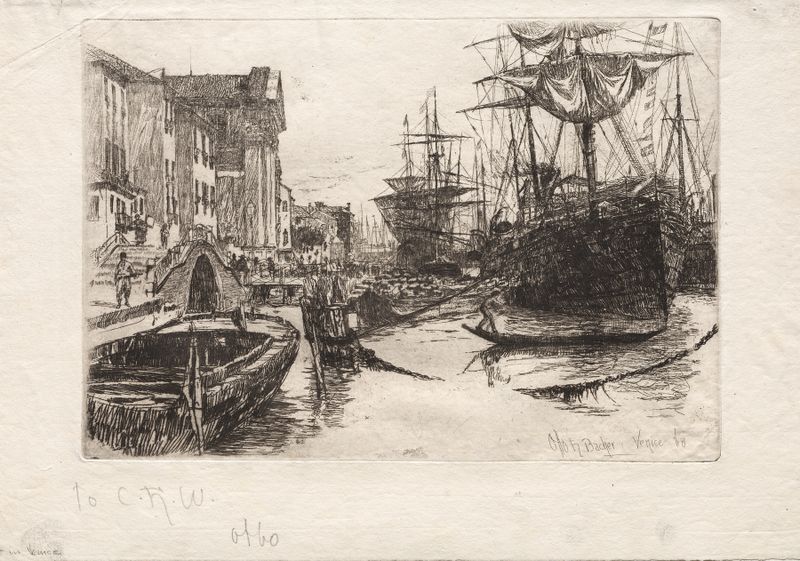
View in Venice
Otto Henry Bacher
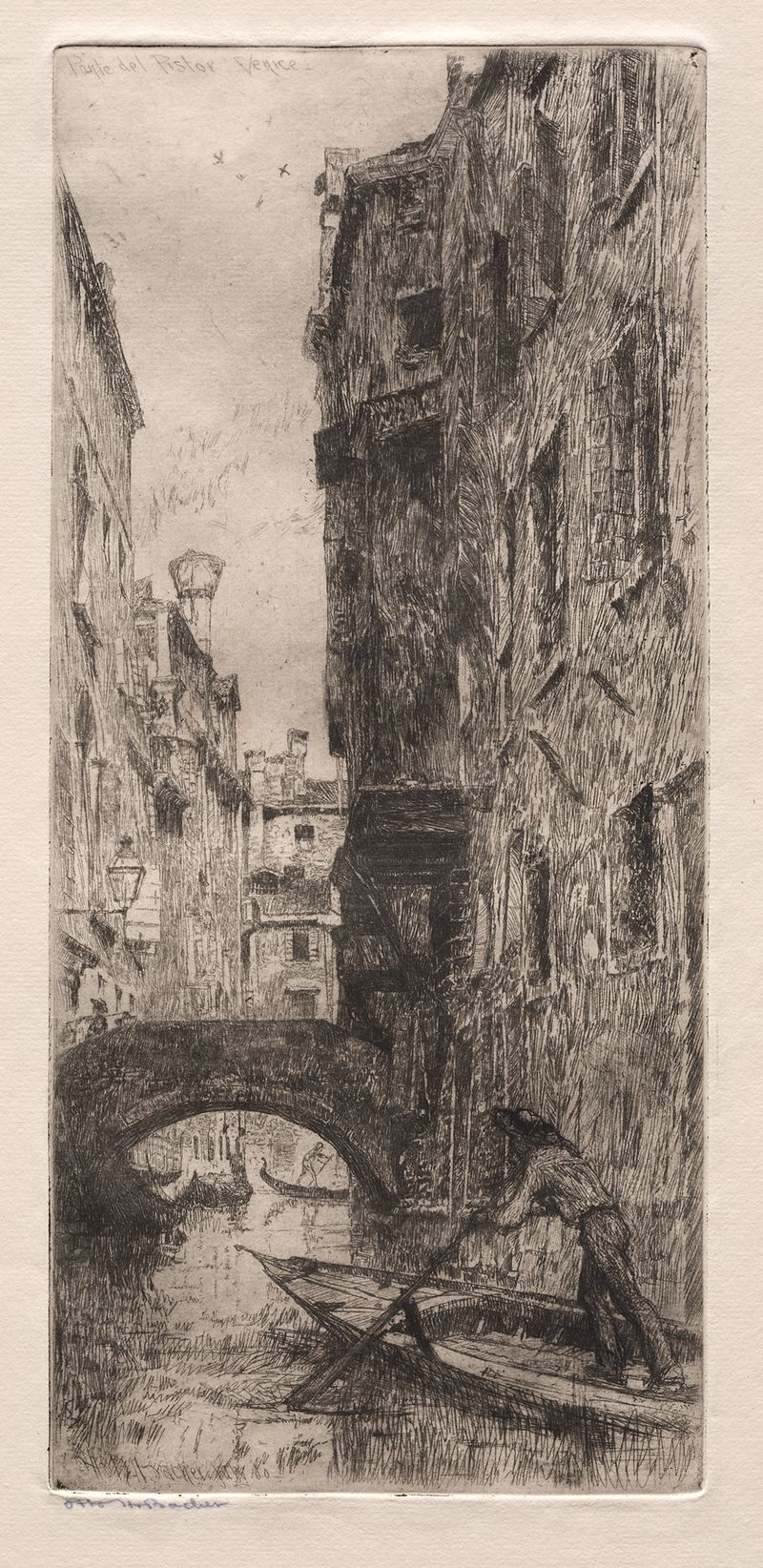
Ponte del Pistor, Venice
Otto Henry Bacher
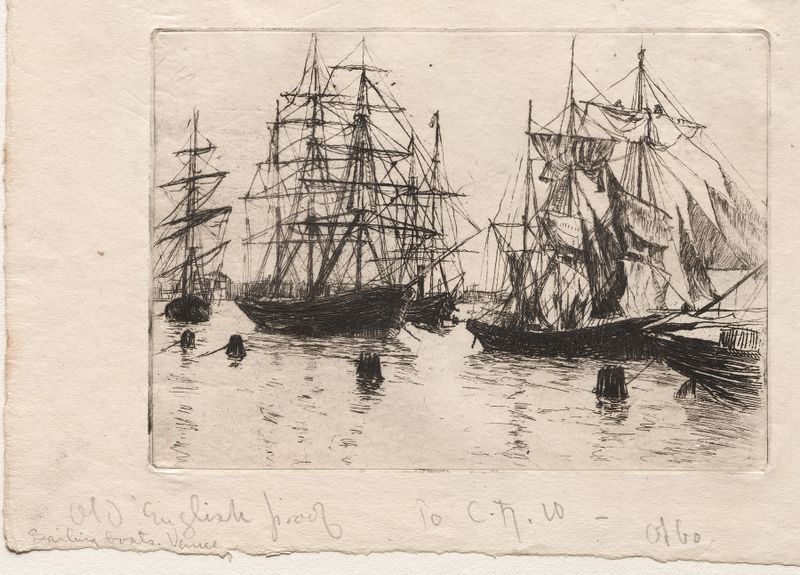
Sailing Boats, Venice
Otto Henry Bacher
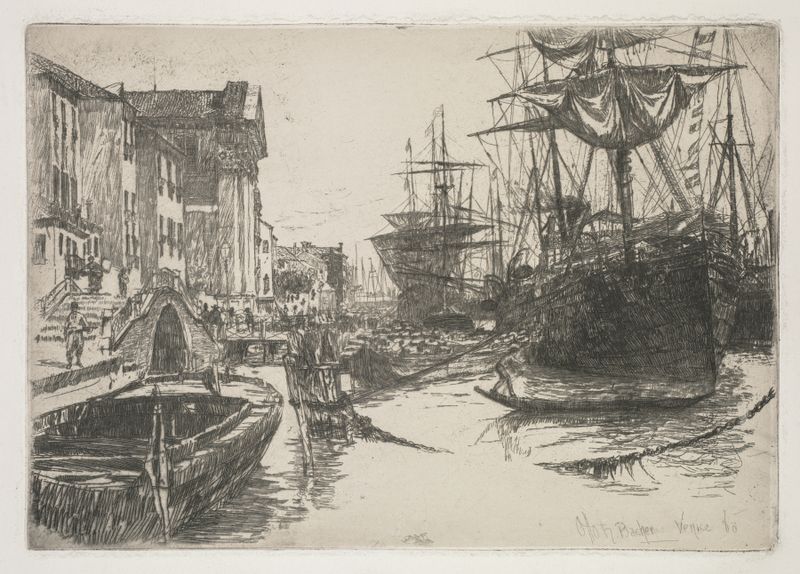
Fondamenta della Zattere
Otto Henry Bacher
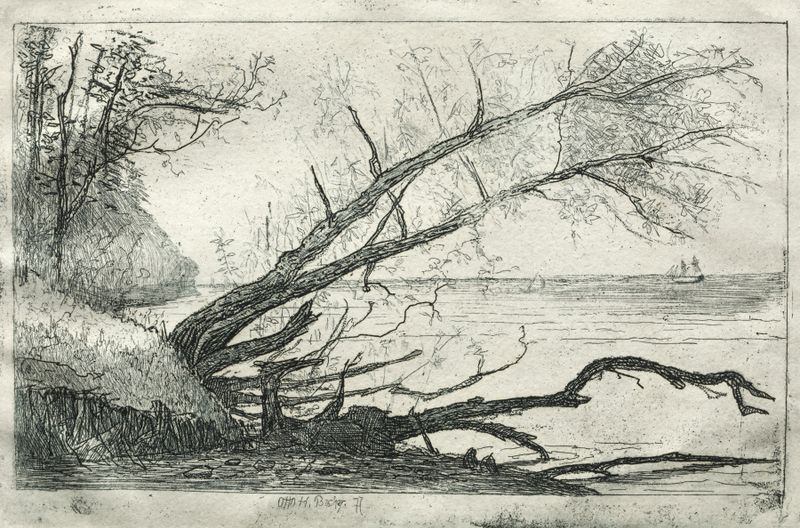
Old Sycamore
Otto Henry Bacher
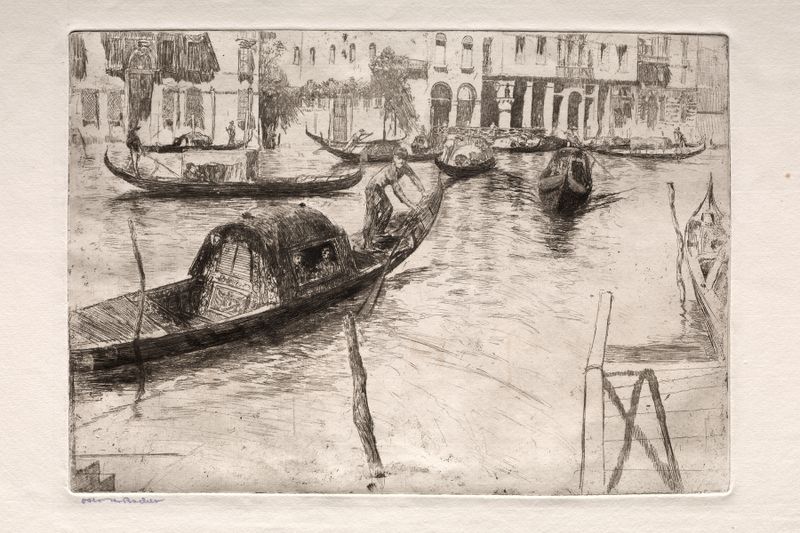
Traghetto San Felice
Otto Henry Bacher
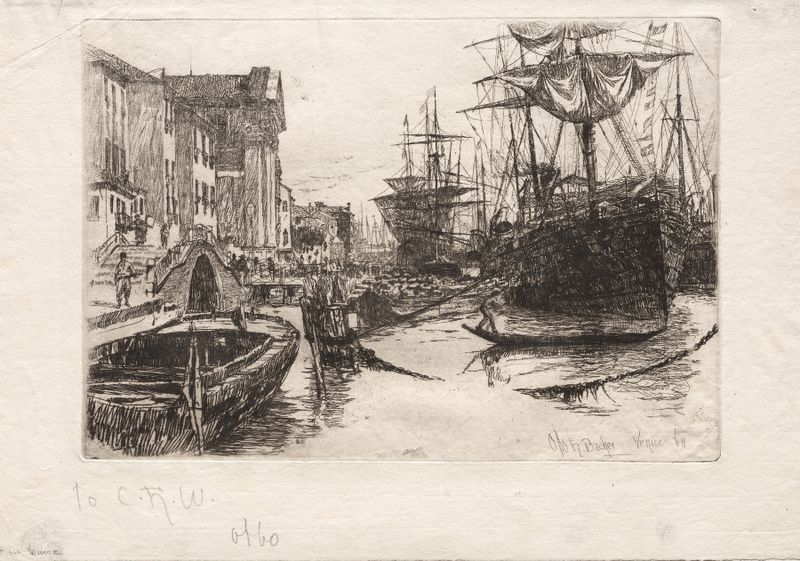
View in Venice
Otto Henry Bacher
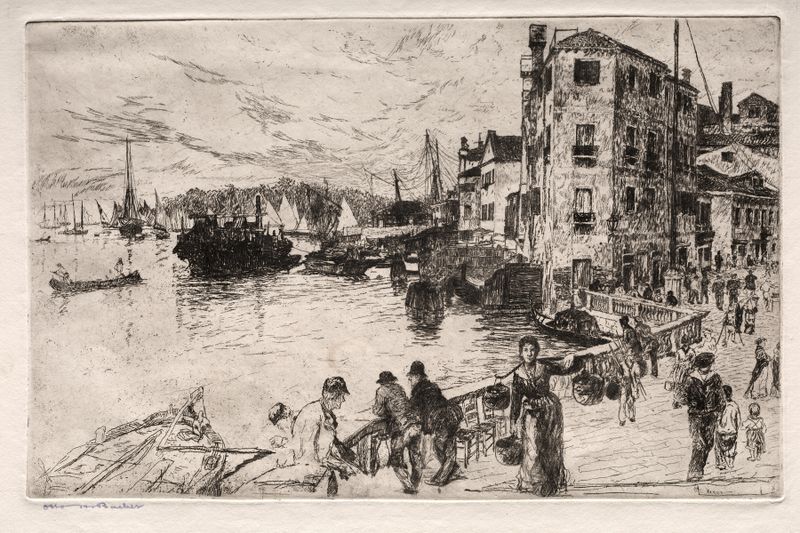
Castello Quarters, Riva
Otto Henry Bacher
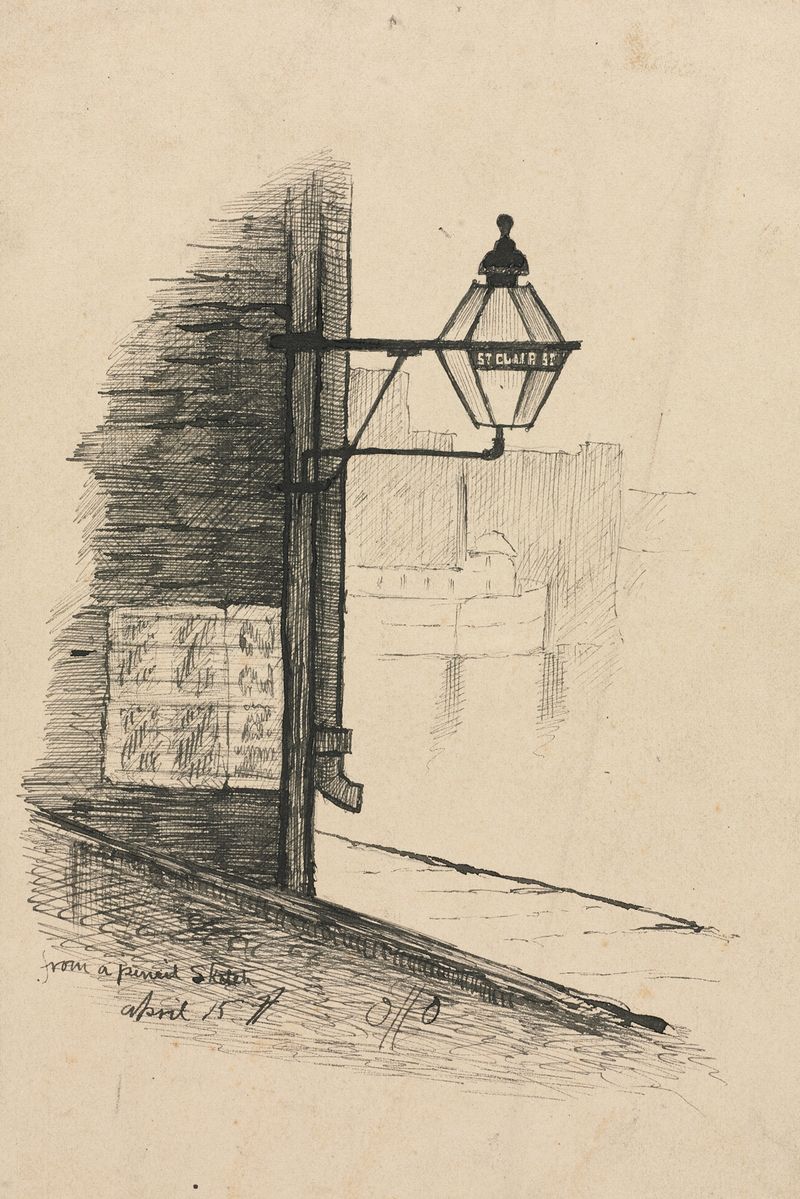
St. Clair Street, Cleveland
Otto Henry Bacher





