Venice, A View Of San Marco From The Bacino — History & Facts
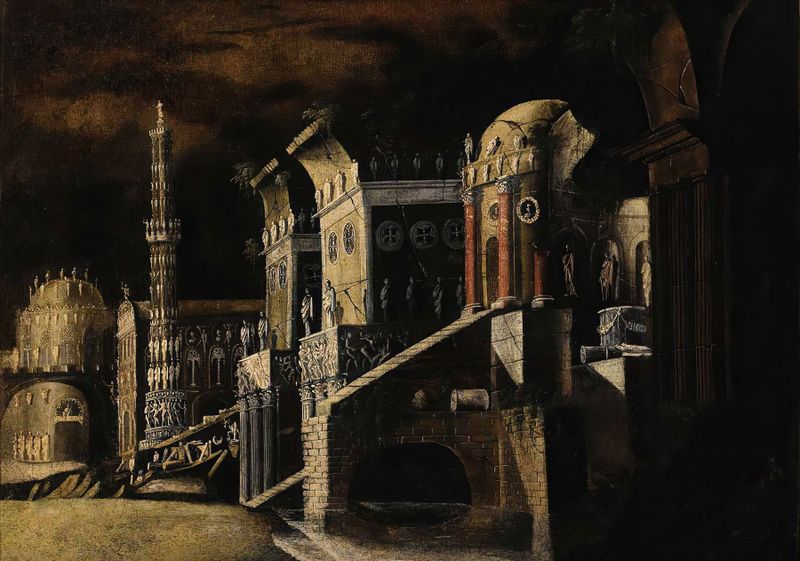
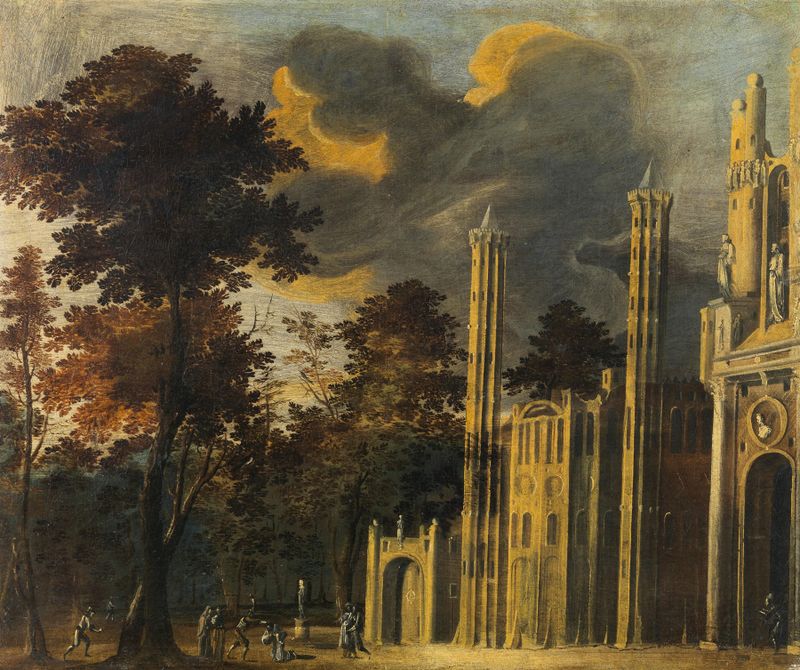
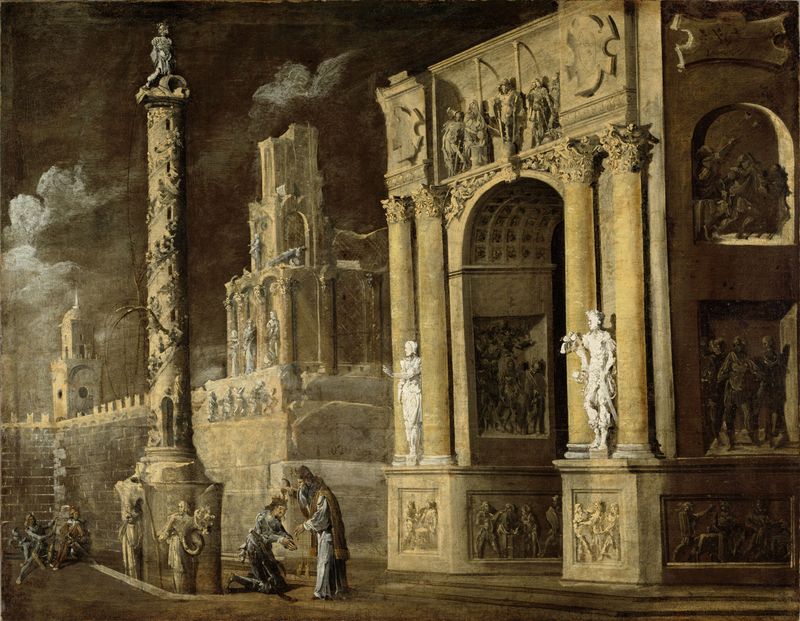
Can beauty exist without sorrow? In the delicate interplay of light and shadow, Venice, A View Of San Marco From The Bacino captures a fleeting moment where the sublime meets the transient, inviting contemplation of truth beneath its serene surface. Look closely to the foreground, where gentle ripples dance across the water, mirroring the soft pastels of the sky. The majestic silhouette of San Marco rises in the background, poised with architectural grace. Notice how the interplay of vibrant blues and soft pinks creates a harmonious contrast, while the delicate brushstrokes evoke the fluidity of the shimmering lagoon, encapsulating both the vibrancy and fragility of this iconic city. Within this scene, there lies a tension between the tranquility of the setting and the impermanence that defines Venice.
The radiant sunset hints at the inevitable passage of time, while the distant figures, almost ghost-like, suggest fleeting lives intertwined with the city's history. This juxtaposition of beauty and melancholy reflects a deeper truth about existence—everything we cherish is, in essence, ephemeral. The artist crafted this work during a period when Venice was both a center of beauty and a beacon of change. Active in the early 17th century, François de Nomé found inspiration in the city's shifting landscapes, as burgeoning artistic movements began to reshape the world around him.
His depiction of San Marco speaks to a moment in time where tradition met the dawning intricacies of modernity, capturing a Venice that was as vibrant as it was vulnerable.