
Venice, the Grand Canal — History & Facts
Who listens when art speaks of silence? In Venice, the Grand Canal, the stillness of water becomes a canvas for contemplation, inviting the viewer to pause and connect with the divine. Look to the left where the sunlight glimmers over the gentle waves of the canal, casting a delicate shimmer that dances with life. The precise brushstrokes create a palpable texture in the water, while the architectural elegance of the buildings looms just beyond, their warm hues harmonizing with the cool reflections. Focus on the boats, tethered by their weighted existence, seemingly frozen in time yet echoing the whispers of a bustling past. As your eyes wander through the composition, the duality of movement and stillness emerges.
The vibrant reflections, merging sky and structure, signify a fleeting moment of beauty, while the muted colors of the distant buildings evoke a sense of nostalgia. This contrast underscores the divine nature of the scene, capturing the ephemeral in a world that often rushes by, reminding us of the power of serenity amid chaos. Carabain painted this piece in 1913, during a period marked by both personal and artistic transformation. Living in Paris, he was deeply influenced by the Impressionist movement, which sought to capture the immediacy of light and atmosphere.
This work not only reflects his mastery of technique but also encapsulates the essence of a Venice that continues to inspire awe, revealing layers of depth and silence within a vibrant city, just before the onset of global turmoil.
More Artworks by Jacques François Carabain
Browse all →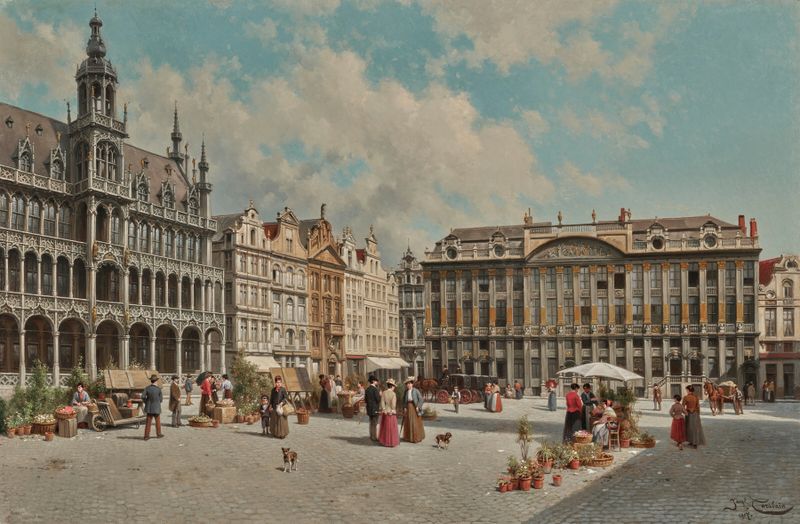
La Grand Place, Brussels
Jacques François Carabain
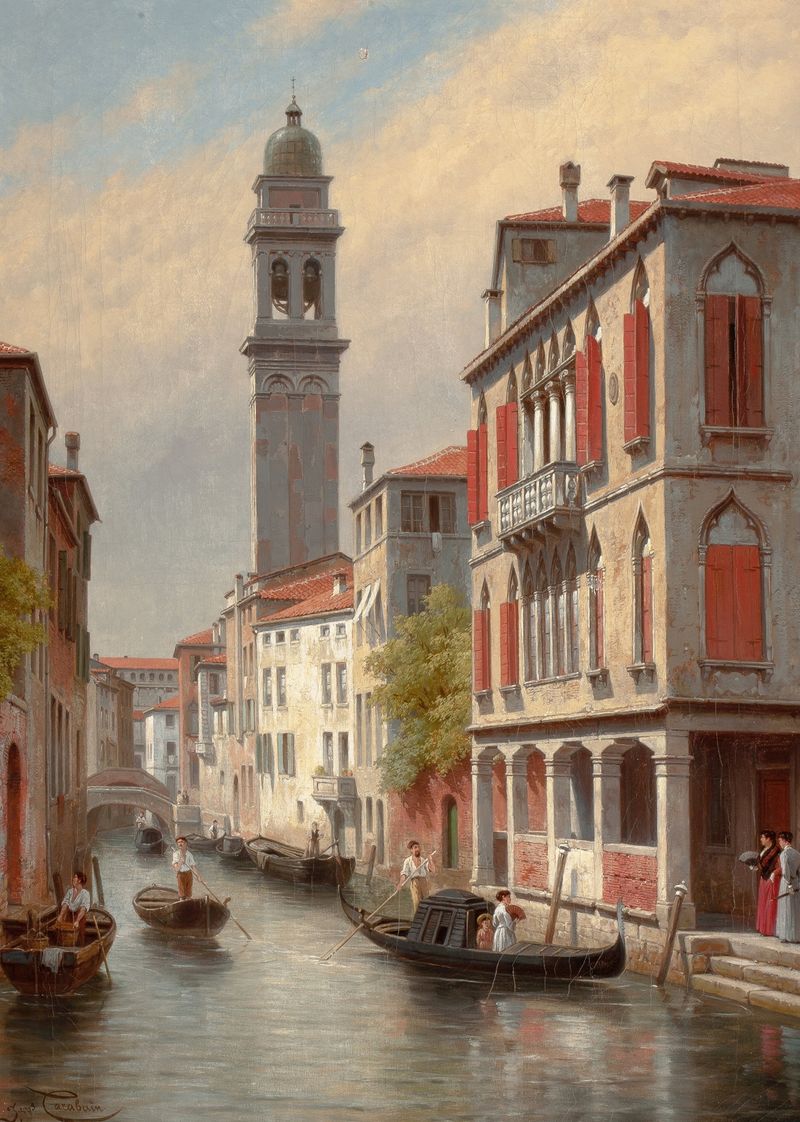
Une Vue a Venise, San Giorgio dei Greci, Italie
Jacques François Carabain
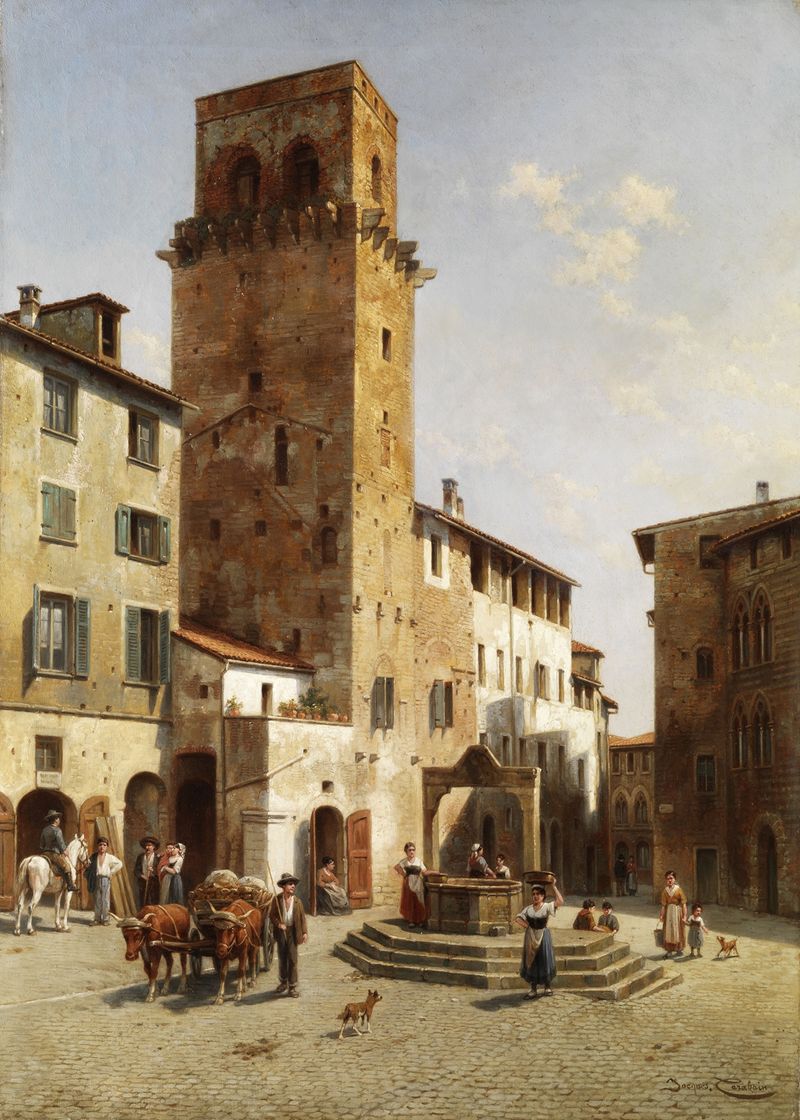
Platz in San Gimignano
Jacques François Carabain

The town square of Braunschweig
Jacques François Carabain
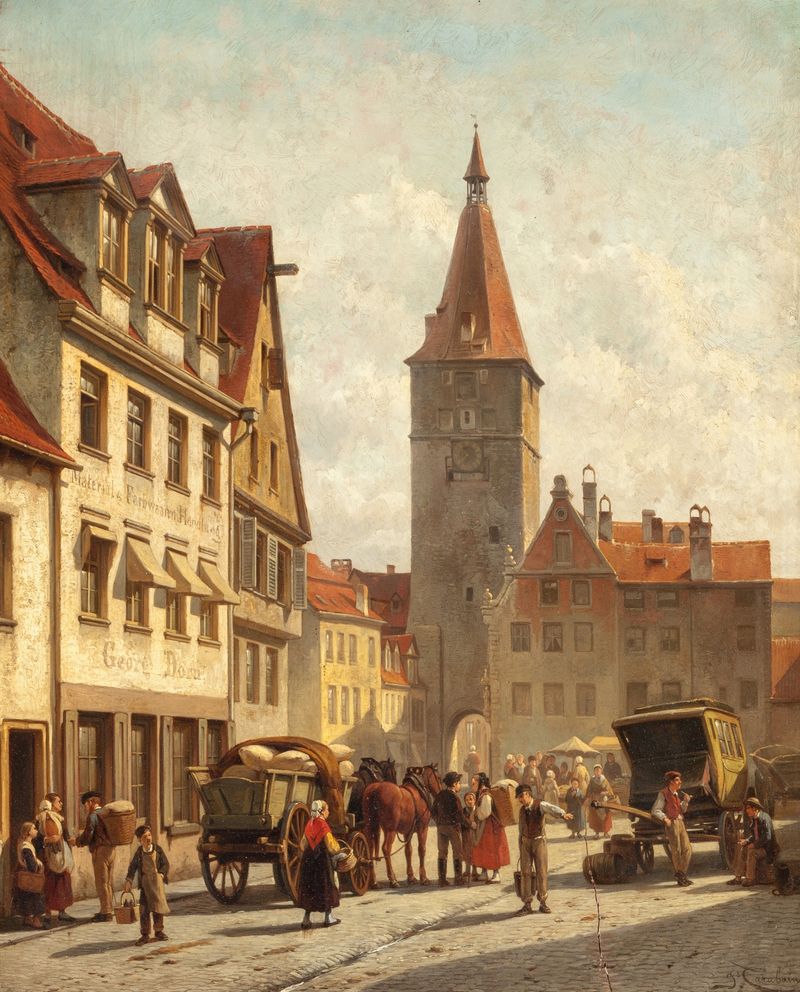
Market Day, Nuremberg, Germany
Jacques François Carabain
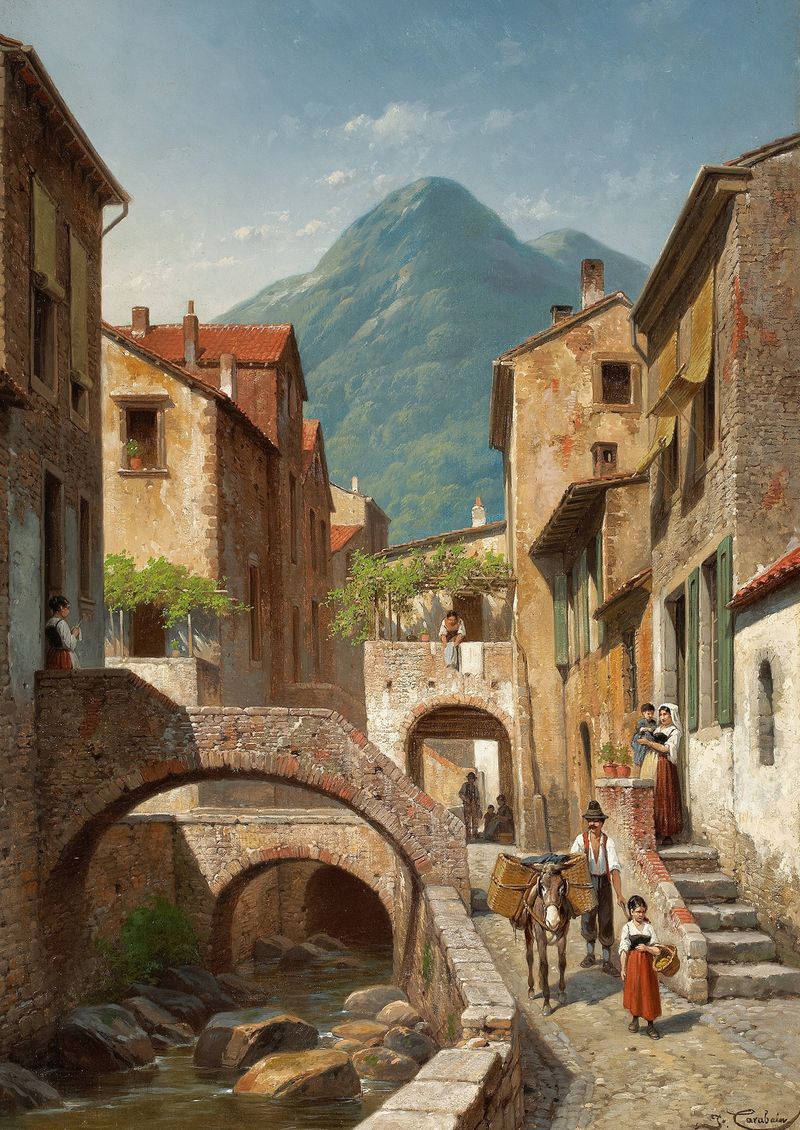
Italian Village Scene
Jacques François Carabain
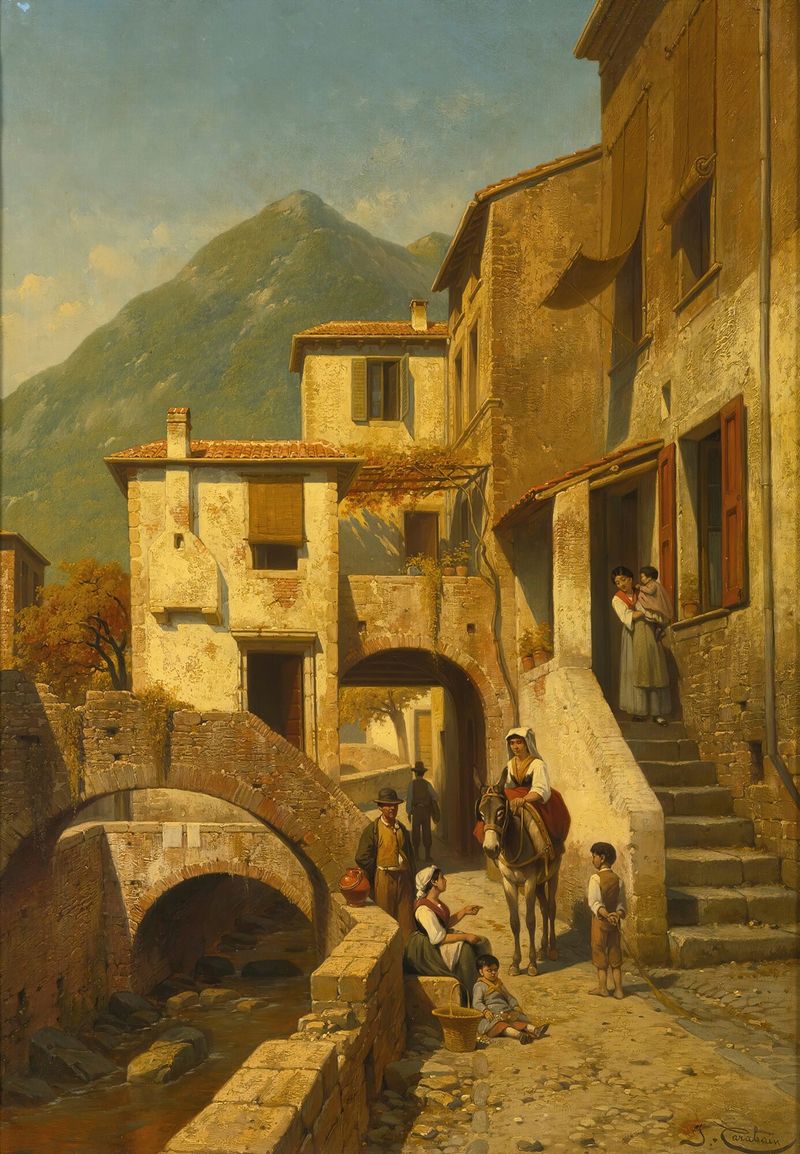
Rue A Monte-Rosso, Bord De La Mediterrane, Italie
Jacques François Carabain
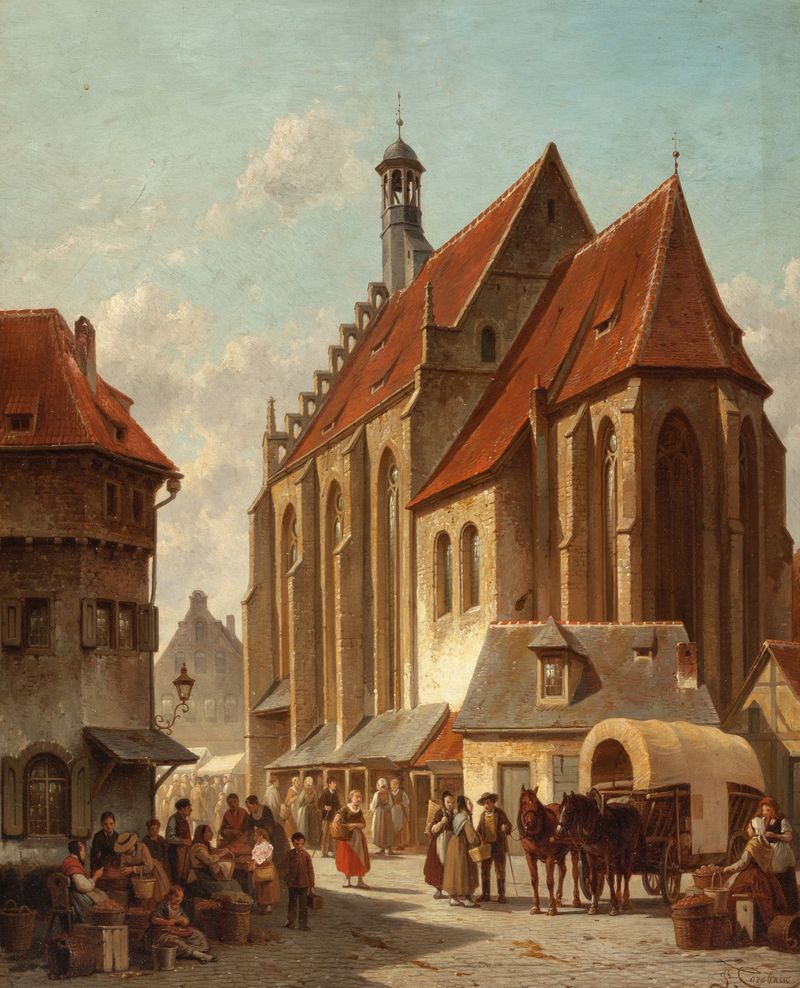
Scene in a Flemish Marketplace
Jacques François Carabain
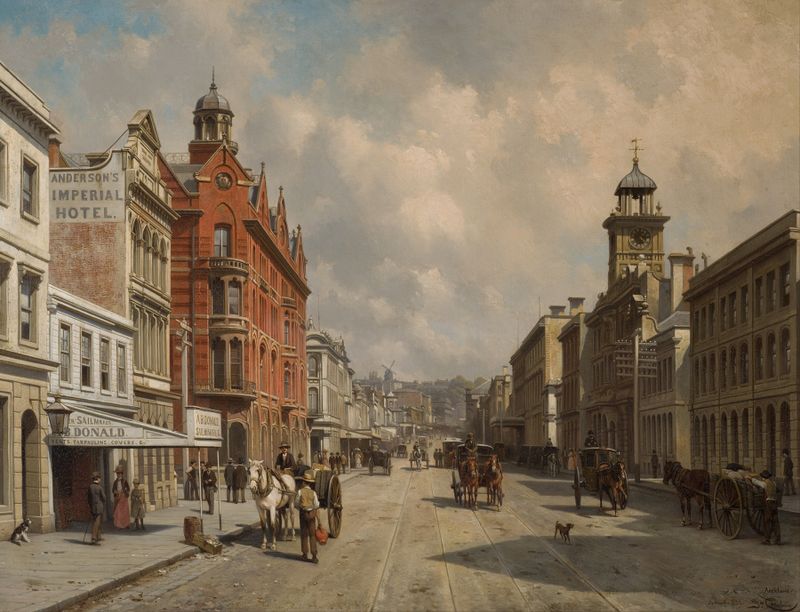
Queen Street, Auckland
Jacques François Carabain





