
Italian Village Scene — History & Facts
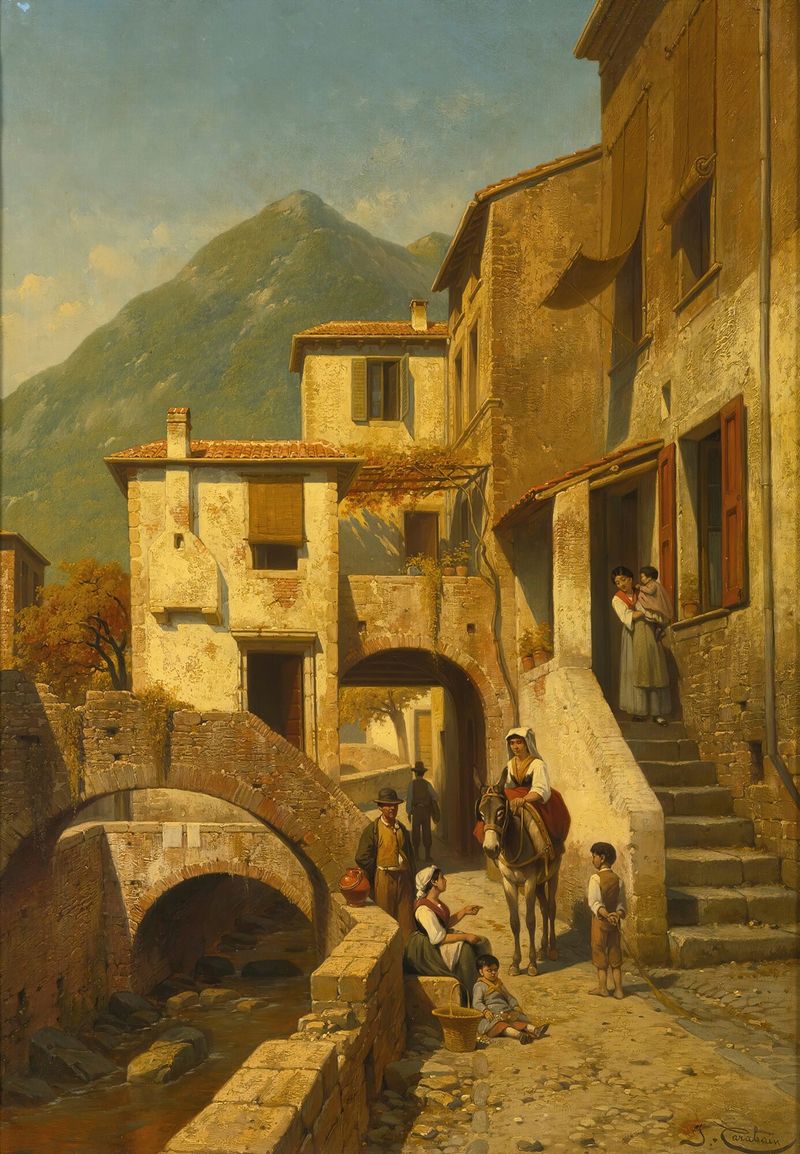
When did color learn to lie? In a world woven with light and shadow, what is seen may not always bear the truth of what is felt. Each hue holds its own secret, revealing layers of revelation beneath the surface. Look to the vibrant greens of the hillside, where every stroke breathes life into the village nestled below. The foreground is alive with rustic buildings, their ochre and terracotta facades glowing warmly under a gentle sun.
Notice how the painter juxtaposes the stillness of the village against the sweeping, dynamic sky, where layers of blue and white swirl in a playful dance, suggesting both serenity and impending change. The emotional tension in this work lies in the contrast between the idyllic village and the vibrant, tumultuous skies above. The serene life below is quietly at odds with the charged atmosphere that looms, hinting at transformation or disruption. These nuances evoke a sense of nostalgia yet stir curiosity about the life stories hidden in the houses' walls, allowing viewers to ponder the lives led within their confines. During the period in which this piece was created, Carabain was exploring the nuances of rural life in Italy, capturing the essence of its landscapes and communities.
Working primarily in the mid-19th century, he was part of a movement that embraced realism and impressionism, enabling him to convey not only the beauty of the scenes but also the deeper truths they encapsulated. At this time, the art world was experiencing significant shifts, with artists seeking to document the everyday and the overlooked in ways that were both honest and evocative.
More Artworks by Jacques François Carabain
Browse all →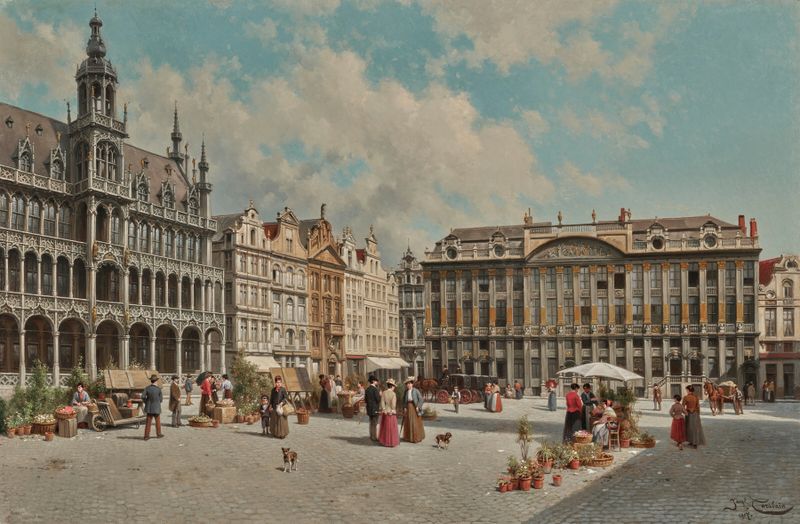
La Grand Place, Brussels
Jacques François Carabain
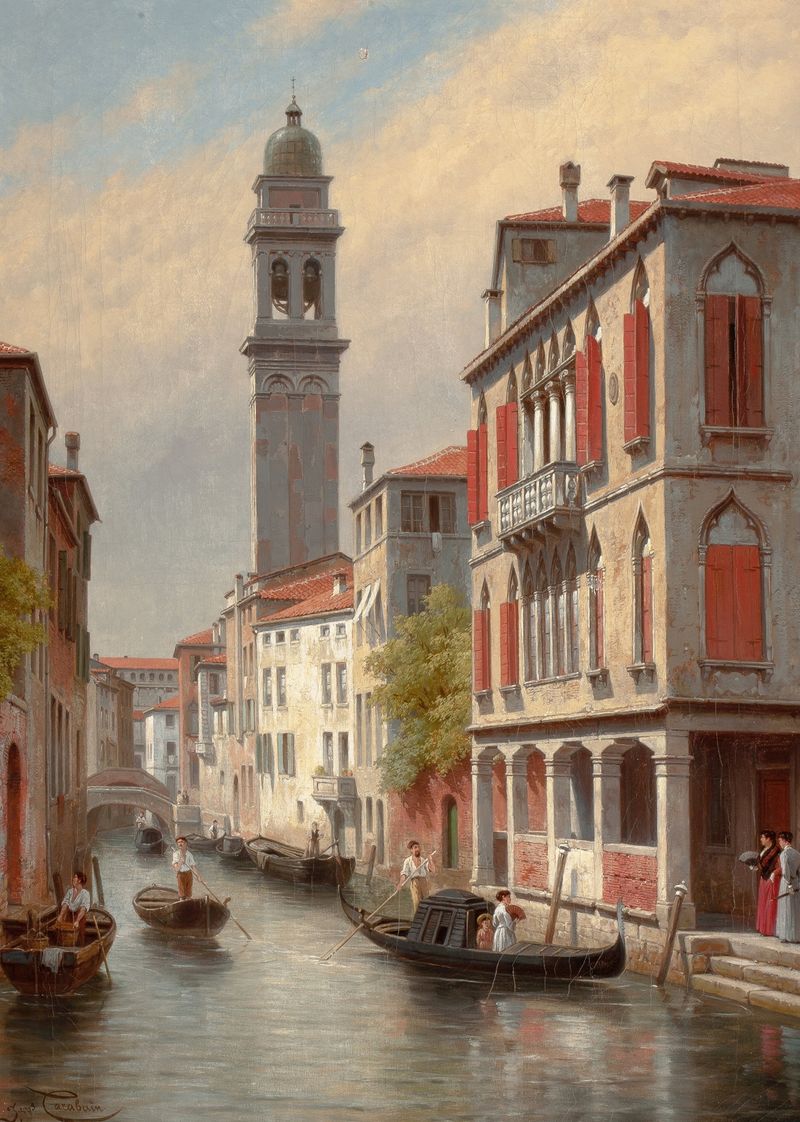
Une Vue a Venise, San Giorgio dei Greci, Italie
Jacques François Carabain
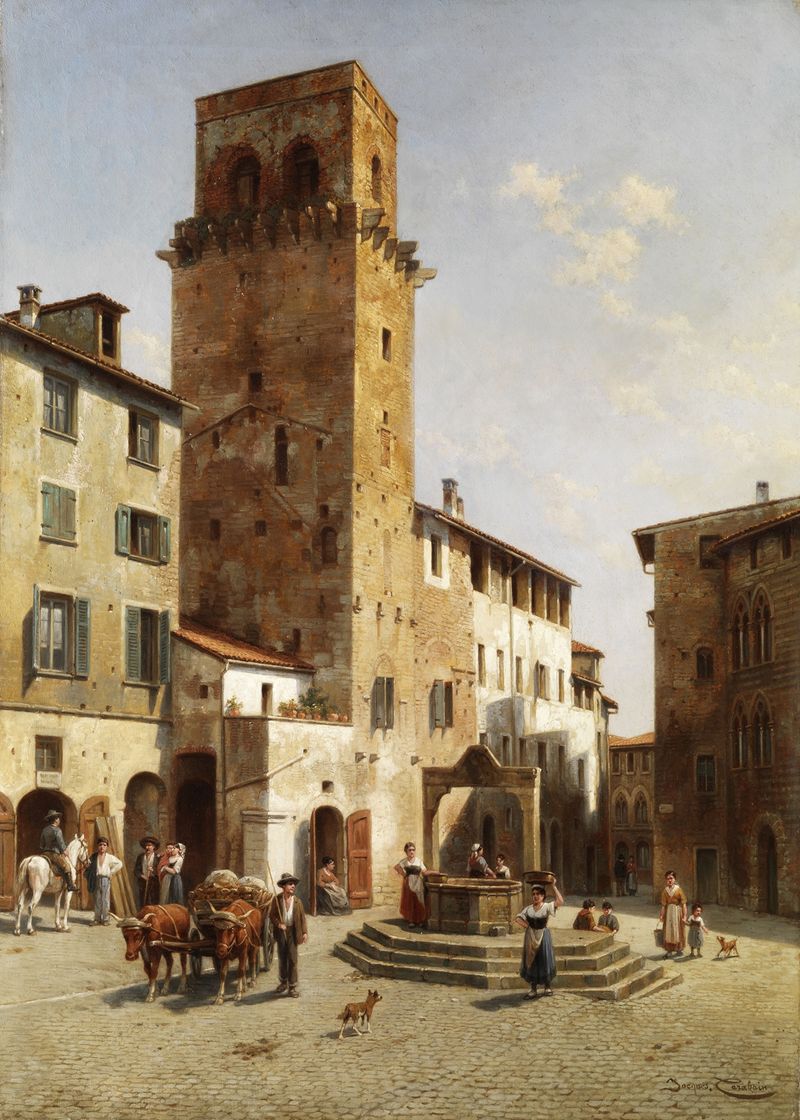
Platz in San Gimignano
Jacques François Carabain

The town square of Braunschweig
Jacques François Carabain

Venice, the Grand Canal
Jacques François Carabain
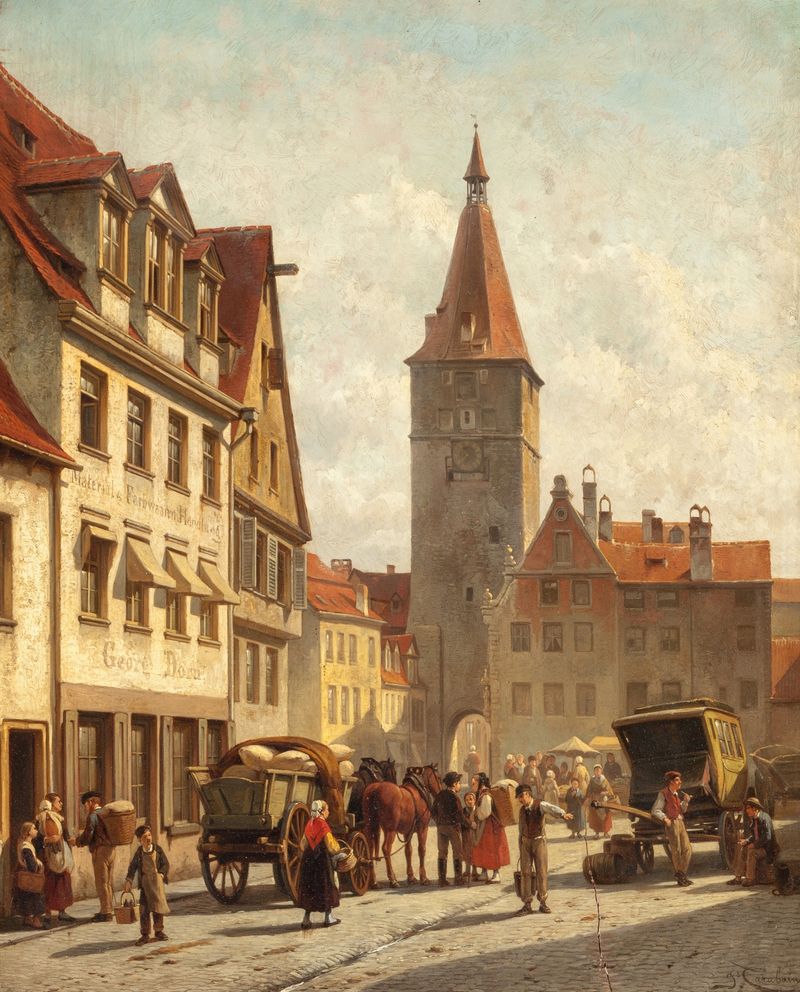
Market Day, Nuremberg, Germany
Jacques François Carabain
Rue A Monte-Rosso, Bord De La Mediterrane, Italie
Jacques François Carabain
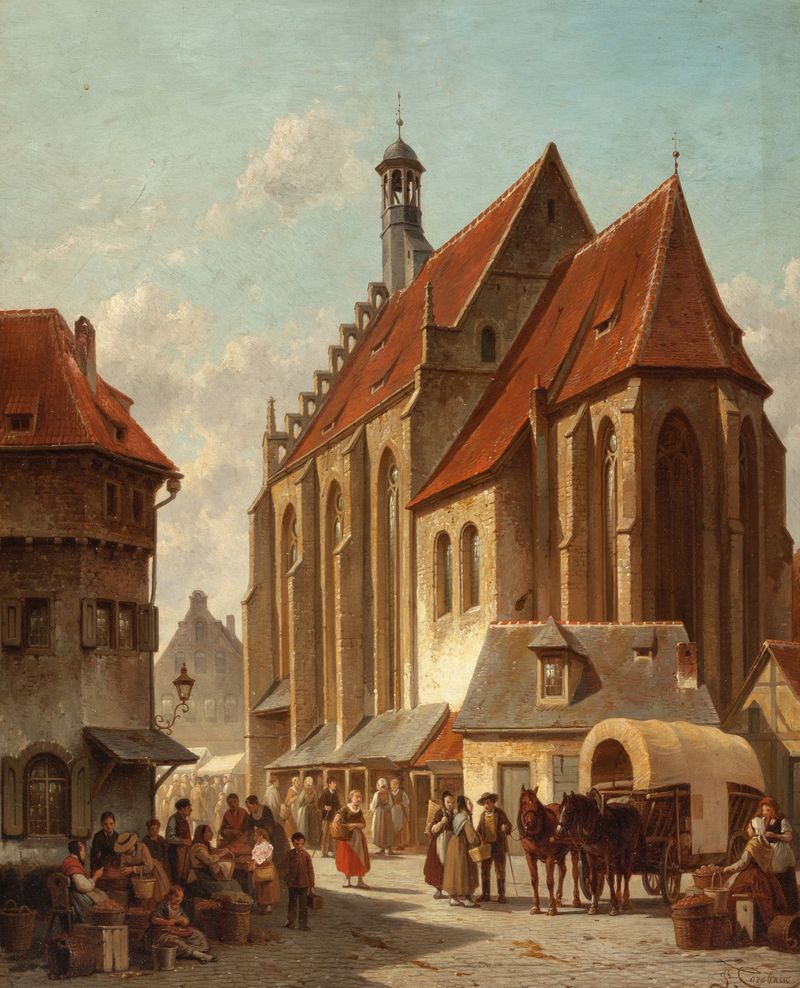
Scene in a Flemish Marketplace
Jacques François Carabain
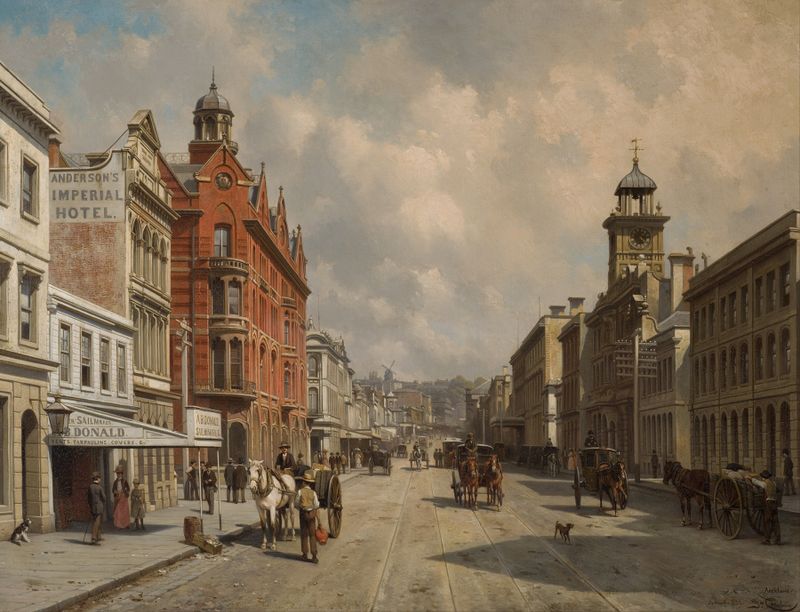
Queen Street, Auckland
Jacques François Carabain





