
Venice, View of San Giorgio Maggiore — History & Facts
When the British aristocracy fell in love with Venice in the early 18th century, Canaletto became the painter of their dreams—and Venice, View of San Giorgio Maggiore is one of the works that fueled this craze. The city’s Grand Tour visitors clamored for souvenirs, and Canaletto responded by producing multiple versions of its most iconic vistas. This painting, created in 1727, is part of a series that helped define the Venetian veduta, or view painting, and its popularity was such that it was soon imitated and even forged. Here, Canaletto chooses a tranquil moment: the sunlit basin of San Marco, with the church of San Giorgio Maggiore gleaming across the water.
Gondolas and merchant boats glide across the shimmering lagoon, their sails catching the light, while the elegant façade of Palladio’s church dominates the horizon. The artist’s precise brushwork captures every architectural detail, from the bell tower’s shadow to the ripples in the canal. Unlike the dramatic, bustling scenes of Guardi, Canaletto offers a sense of calm order, using perspective and clarity to turn the cityscape into a stage set for Venetian life. The exact commission for this work is unknown, but paintings like it were eagerly snapped up by British collectors, often as souvenirs of their travels.
Canaletto’s reputation soared in the 1720s and 1730s, and his studio produced many versions of this view to meet demand. Over the centuries, the painting has changed hands through private collections and auctions, reflecting the enduring appeal of Venice’s watery vistas. Today, Venice, View of San Giorgio Maggiore stands as both a record of a city at its height and a testament to Canaletto’s skill in turning urban reality into art.
More Artworks by Canaletto

The Grand Canal, Venice, looking north-west from the Ca' Corner to the Ca' Contarini degli Scrigni, with the campanile of Santa Maria della Carità
Canaletto

Venice, Bacino di San Marco on Ascension Day
Canaletto

Windsor Castle
Canaletto

The Grand Canal looking North-East from the Palazzo Dolfin-Manin to the Rialto Bridge
Canaletto

Venice: The Campo SS. Giovanni e Paolo
Canaletto

Venice: The Grand Canal from the Rialto to the Palazzo Foscari
Canaletto
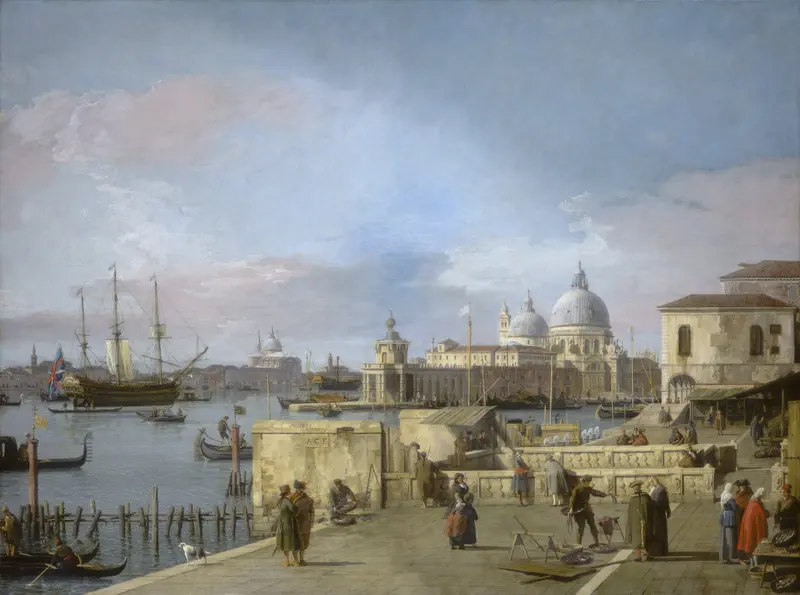
Venice: The Molo towards the Dogana and Santa Maria della Salute
Canaletto

Venice: The Piazzetta
Canaletto

London: The Thames from Somerset House Terrace towards Westminster
Canaletto
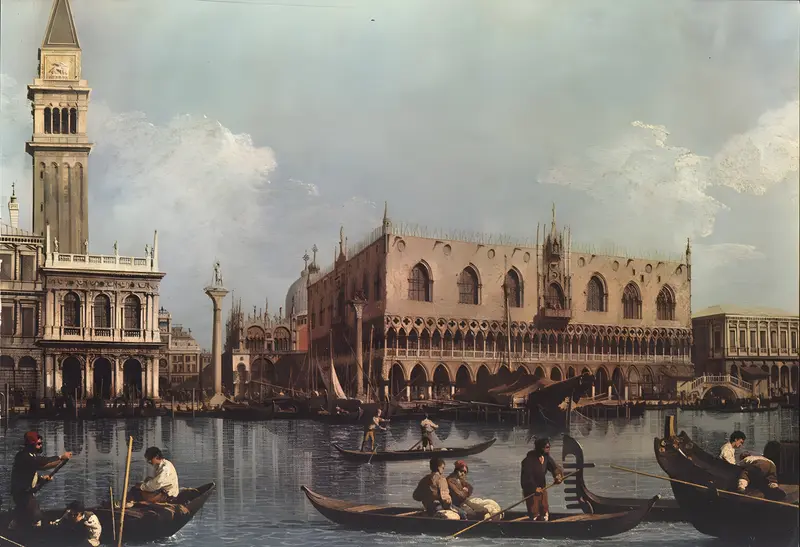
View of the Bacino di San Marco from the Punta della Dogana
Canaletto




