
Venise et le Campanile au clair de lune — History & Facts
In a moment suspended between reality and dream, the essence of movement breathes life into stillness, capturing both the fleeting and the eternal. Focus on the canvas's left side, where the luminous moon casts a gentle glow over the tranquil waters, drawing your eye toward the Campanile, its towering silhouette reflected in the shimmering tide. The rich blues and soft whites blend seamlessly, creating a serene contrast against the shadowy buildings. Notice how the brushwork captures the delicate ripples, suggesting a soft breeze that dances across the surface, inviting you into a world where time drifts lazily, yet joyfully. The juxtaposition of light and darkness carries profound emotional weight.
The moon signifies hope and tranquility, while the shadows of Venice's architecture hint at history and solitude. Each wave in the water not only reflects light but also represents transience—the impermanence of time and life. The interplay between the celestial and the earthly speaks of a deeper connection, where moments of stillness can reveal the underlying currents of existence. Painted between 1870 and 1890, this work emerged during a pivotal time in Ziem's career, as he became renowned for his evocative landscapes.
Living in France, he embraced the Impressionist movement while also retaining elements of realism, reflecting the cultural shifts of his era. His depictions of Venice, particularly under moonlight, resonated with the romanticism of the time, capturing the allure of the city as both a physical and emotional landscape.
More Artworks by Félix Ziem
Browse all →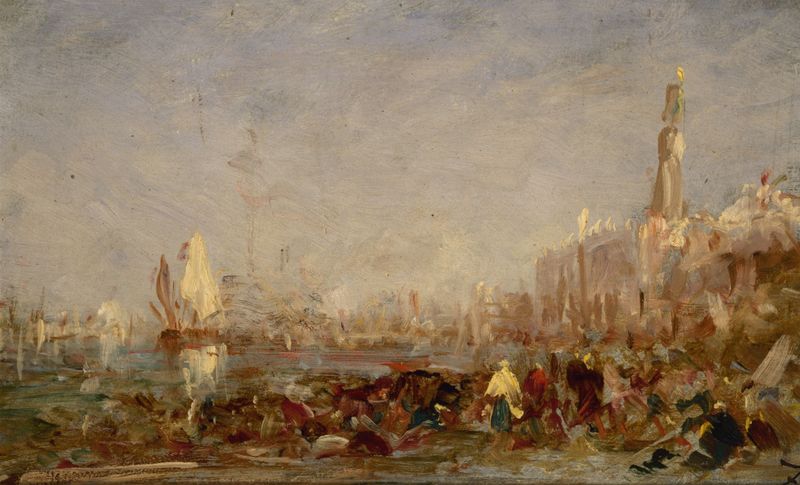
Venise
Félix Ziem
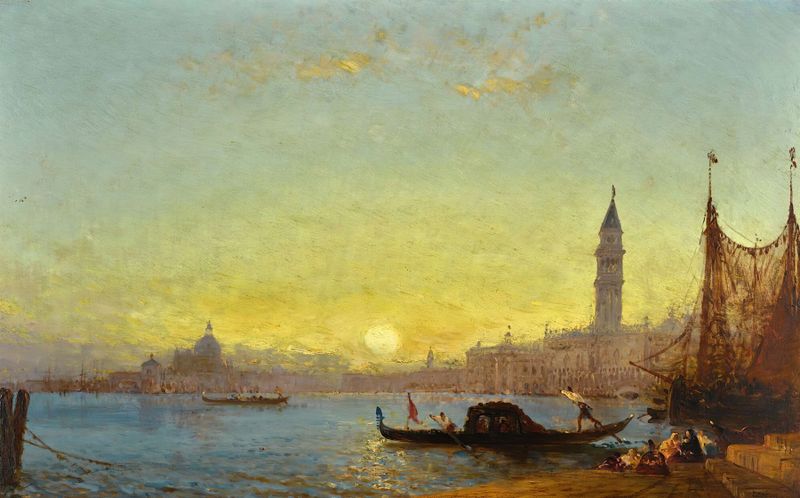
Coucher De Soleil À Venise
Félix Ziem
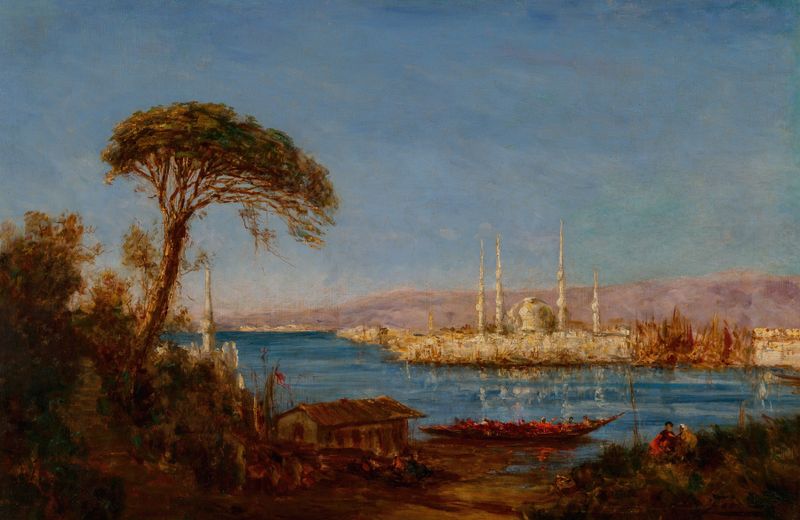
Constantinople
Félix Ziem
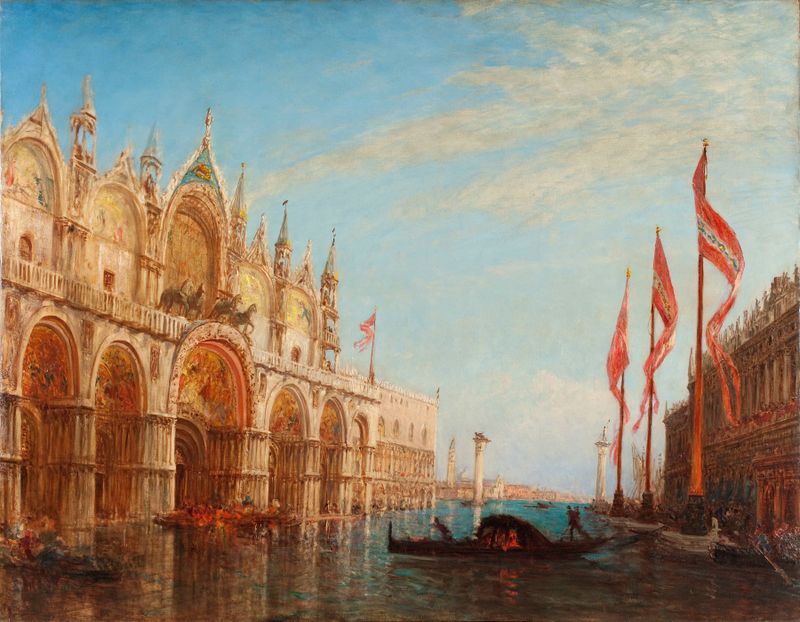
La place Saint-Marc, inondation de 1863
Félix Ziem
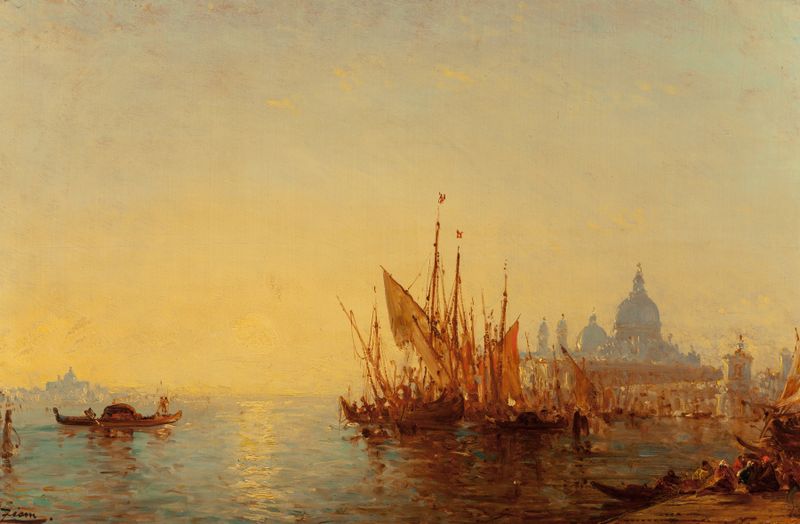
Bacino di San Marco
Félix Ziem
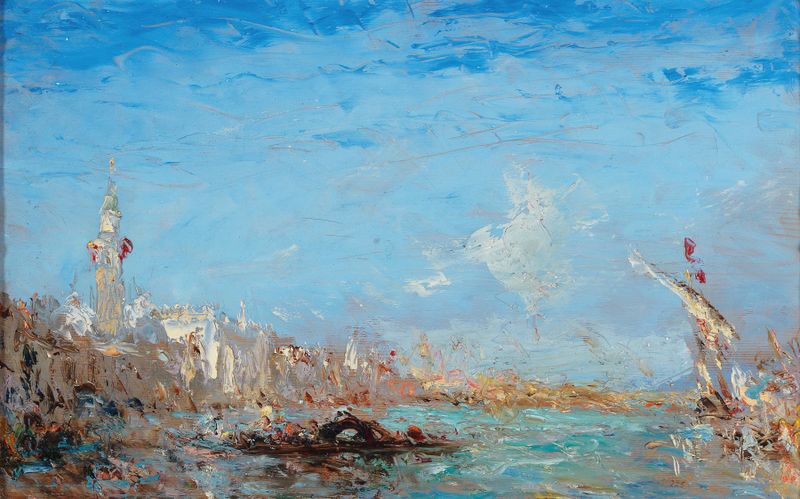
Canal Grande
Félix Ziem
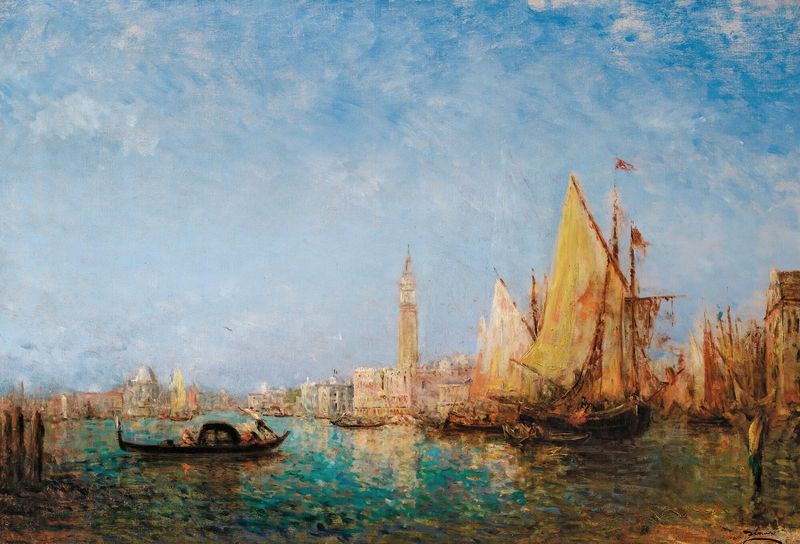
Le Palais Du Doge, Venise
Félix Ziem
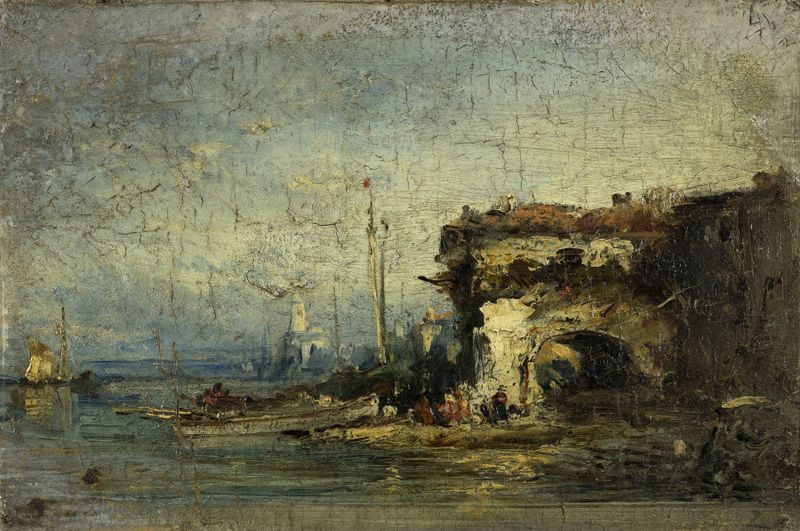
Vue d’Italie; la vieille porte
Félix Ziem
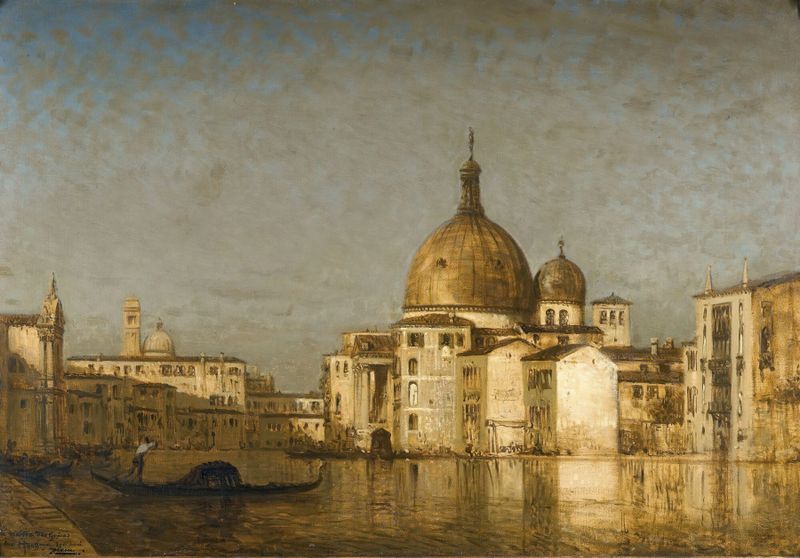
San Simeone Piccolo Au-Delà Du Grand Canal, Venis
Félix Ziem
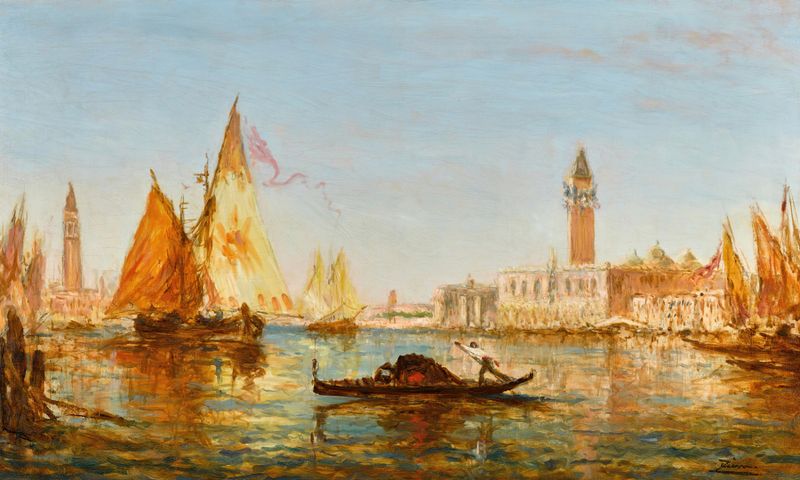
Venise, gondole et voiliers devant le Palais des doges et San Giorgio Maggiore
Félix Ziem





