
Venise, Le Jardin Français Au Clair De Lune — History & Facts
Could beauty survive in a century of chaos? This question lingers in the air, much like the serene moonlight reflected on the tranquil waters of the garden captured in this painting. Look to the center, where the luminous moon hangs like a pearl over the landscape, illuminating the delicate foliage and the still water below. Notice how the soft blues and silvers blend effortlessly, creating a dreamlike quality, while the vibrant greens of the foliage offer a contrasting burst of life. The brushwork is textured yet fluid, allowing the viewer to feel the gentle breeze that stirs the scene, as if nature itself breathes in tandem with the viewer's heartbeat. Beneath the calm surface lies an underlying tension — the chaos of the era.
The lush, idyllic setting evokes a sense of tranquility, yet the moonlight casts shadows that hint at hidden anxieties. The juxtaposition of serenity against the backdrop of societal upheaval reflects the artist's exploration of beauty amid turmoil. Every leaf and ripple suggests the fragility of peace, inviting contemplation on the transitory nature of both art and life. Created between 1880 and 1890, this piece emerged during a time of great change in Europe, both politically and artistically.
Félix Ziem, known for capturing landscapes that evoke both nostalgia and meditation, found inspiration in the contrasts of urbanization and nature. As the world around him became increasingly chaotic, he sought solace in the beauty of spaces like this, reflecting a collective yearning for tranquility amidst the tumult.
More Artworks by Félix Ziem
Browse all →
Venise
Félix Ziem
Coucher De Soleil À Venise
Félix Ziem
Constantinople
Félix Ziem
La place Saint-Marc, inondation de 1863
Félix Ziem
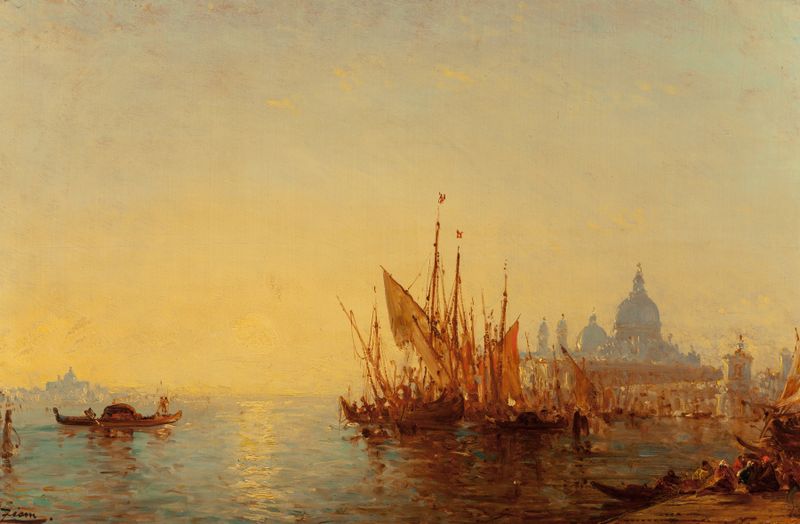
Bacino di San Marco
Félix Ziem
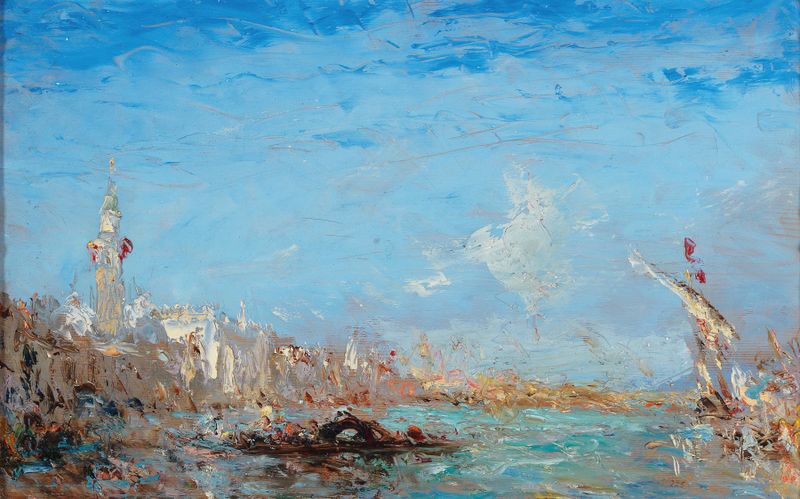
Canal Grande
Félix Ziem
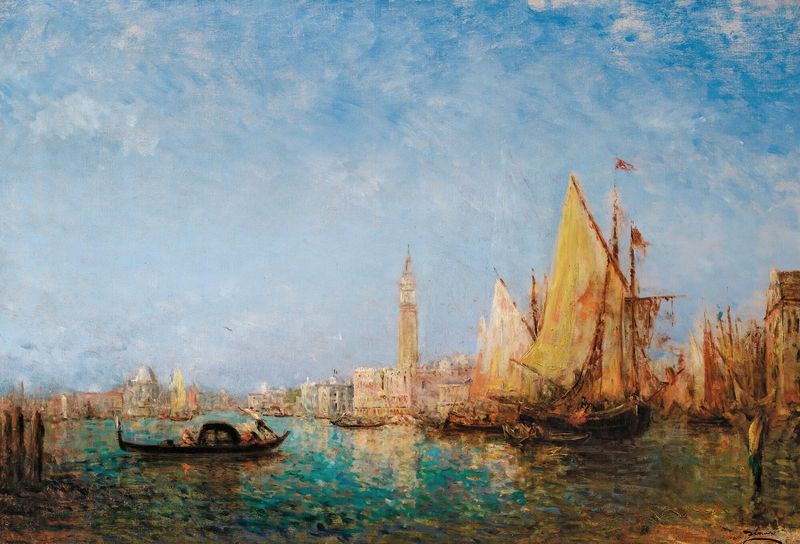
Le Palais Du Doge, Venise
Félix Ziem
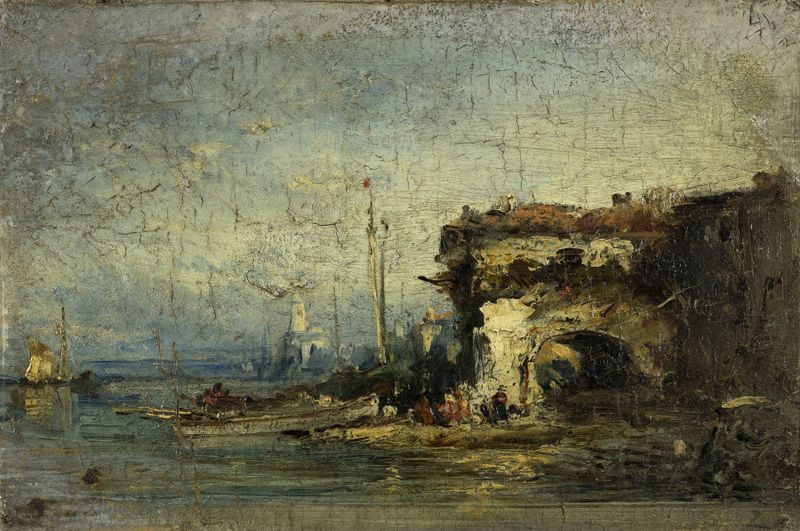
Vue d’Italie; la vieille porte
Félix Ziem
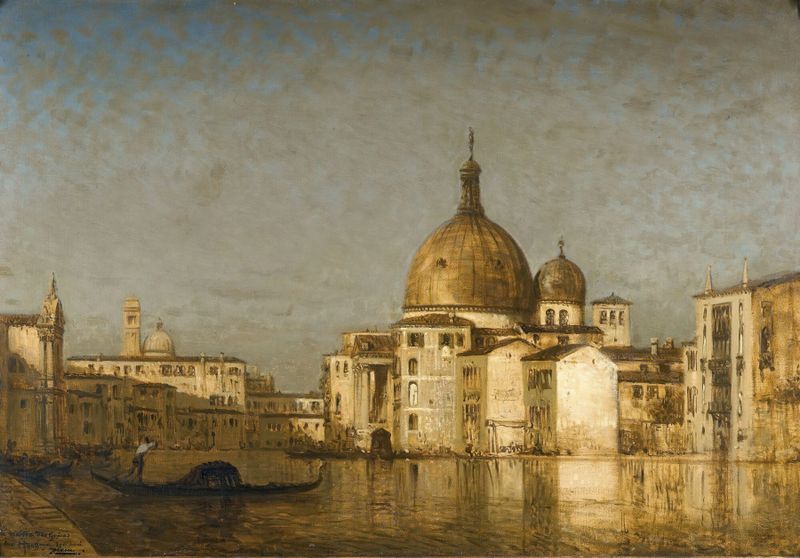
San Simeone Piccolo Au-Delà Du Grand Canal, Venis
Félix Ziem
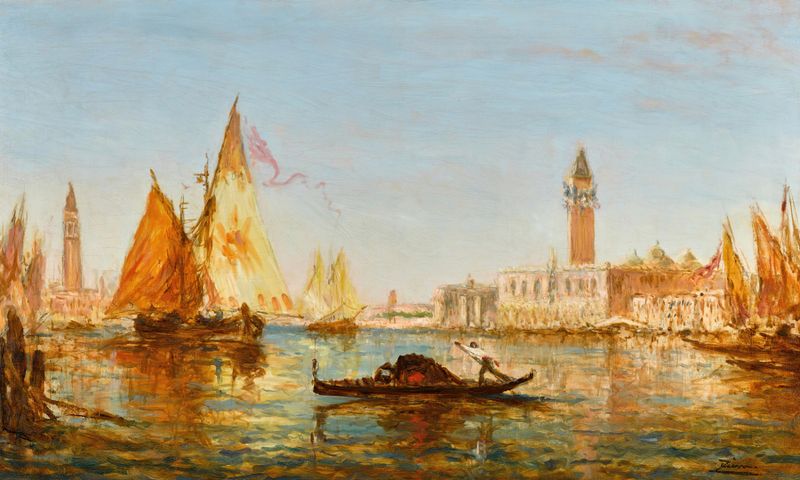
Venise, gondole et voiliers devant le Palais des doges et San Giorgio Maggiore
Félix Ziem





