Venus en Cupido — History & Facts
In this delicate moment captured in the 16th century, a sense of longing envelops the viewer, inviting introspection of love and desire. Look to the center of the canvas where Venus and Cupid intertwine gracefully, their forms elegantly posed against a backdrop that exudes warmth and intimacy. The soft, muted colors—gentle pinks and creamy whites—contrast with the vibrant reds of Cupid’s wings, guiding the eye toward the tender embrace shared between the two figures. Notice how the light softly illuminates Venus’s serene expression, casting gentle shadows that heighten the intimacy of the scene, drawing us into their world of quiet yearning. Within this intimate portrayal lies a complex web of emotions.
The juxtaposition of Venus’s calm demeanor and Cupid’s playful energy hints at the tension between love’s tranquility and its fervent passion. The delicate flowers at the bottom of the painting symbolize fleeting beauty, suggesting that love is both precious and impermanent. Each small detail, from the intricate curls in Venus’s hair to the delicate arch of Cupid’s bow, speaks to the timeless nature of longing, inviting us to reflect on our own experiences of desire. Hans Sebald Beham created this work between 1510 and 1550, a period marked by significant developments in the Northern Renaissance.
Working in Nuremberg, he was deeply influenced by humanism and the revival of classical themes. During this time, artists were beginning to explore more personal and emotional subjects, moving away from strictly religious themes, and Venus en Cupido embodies this shift toward a focus on individual feelings and relationships.
More Artworks by Hans Sebald Beham
Browse all →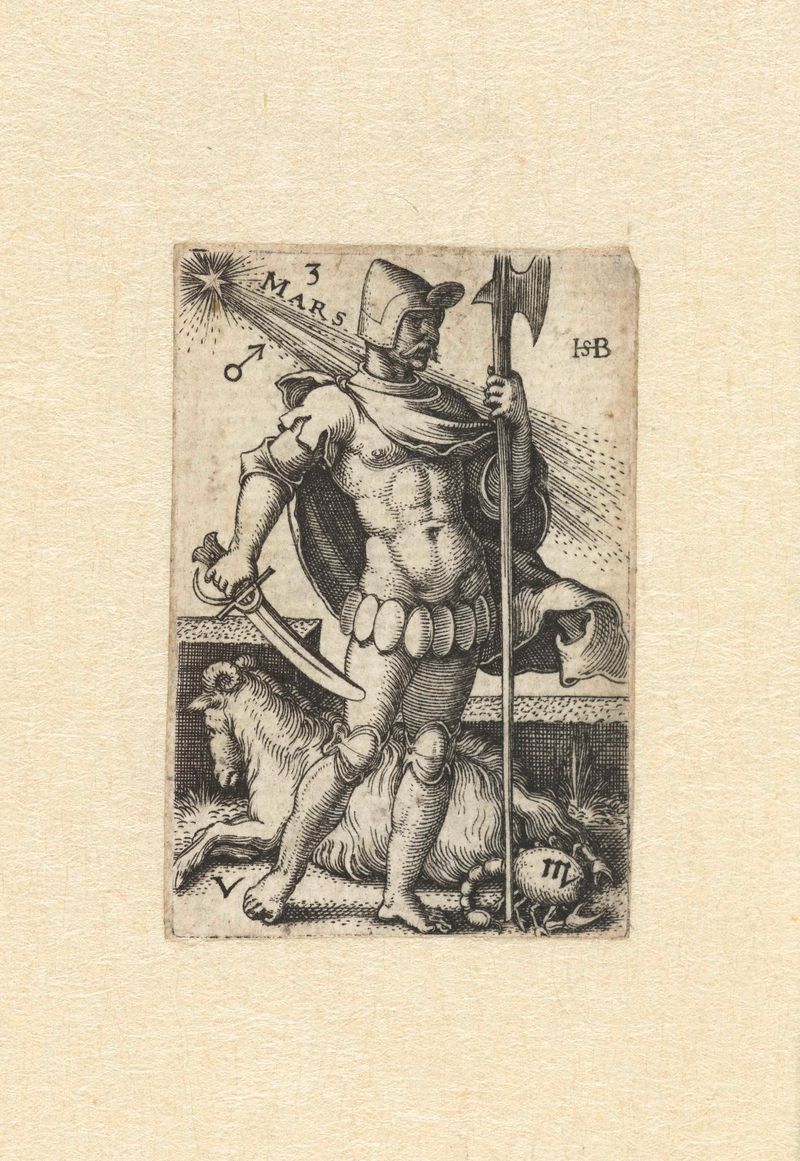
Mars met sterrenbeelden Ram en Schorpioen
Hans Sebald Beham

Achilles in gevecht met Hector
Hans Sebald Beham
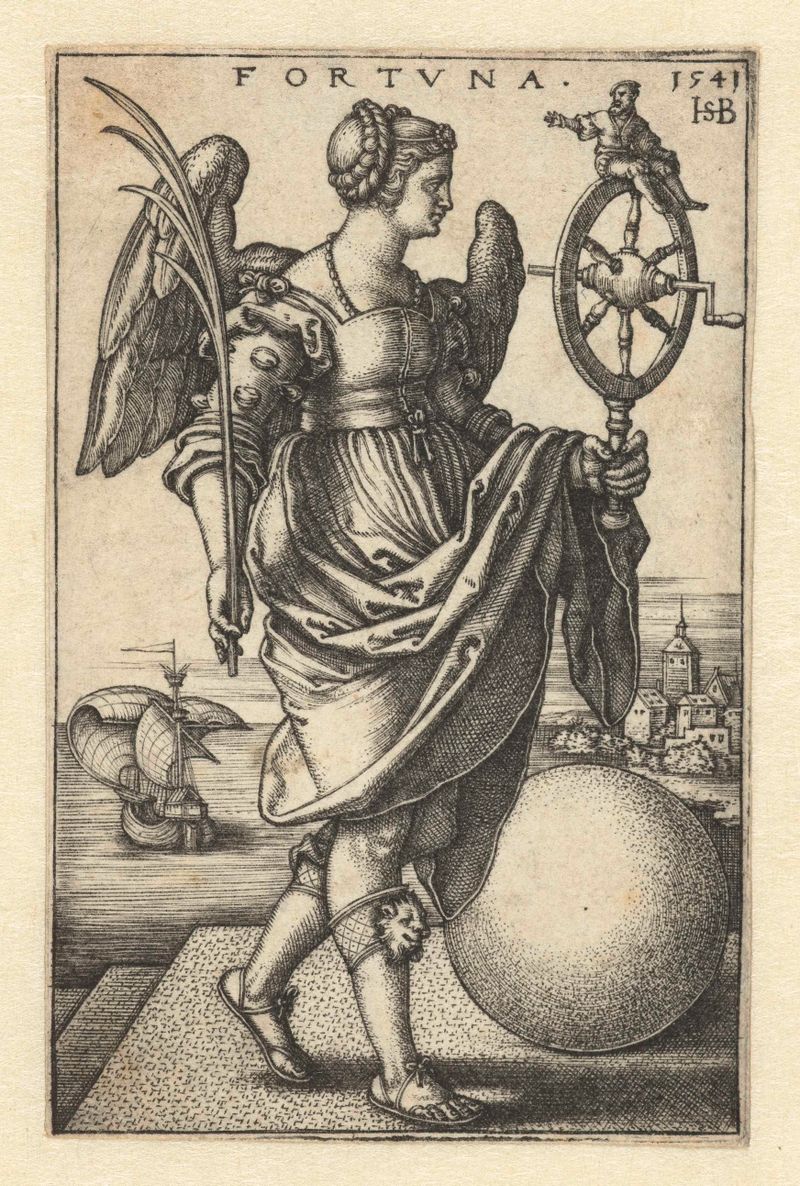
Fortuna
Hans Sebald Beham

Hercules worstelt met Antaeus
Hans Sebald Beham

Twee muzikanten met schalmey en doedelzak
Hans Sebald Beham

Voorzichtigheid (Prudentia)
Hans Sebald Beham

Hercules in gevecht met de Trojanen
Hans Sebald Beham
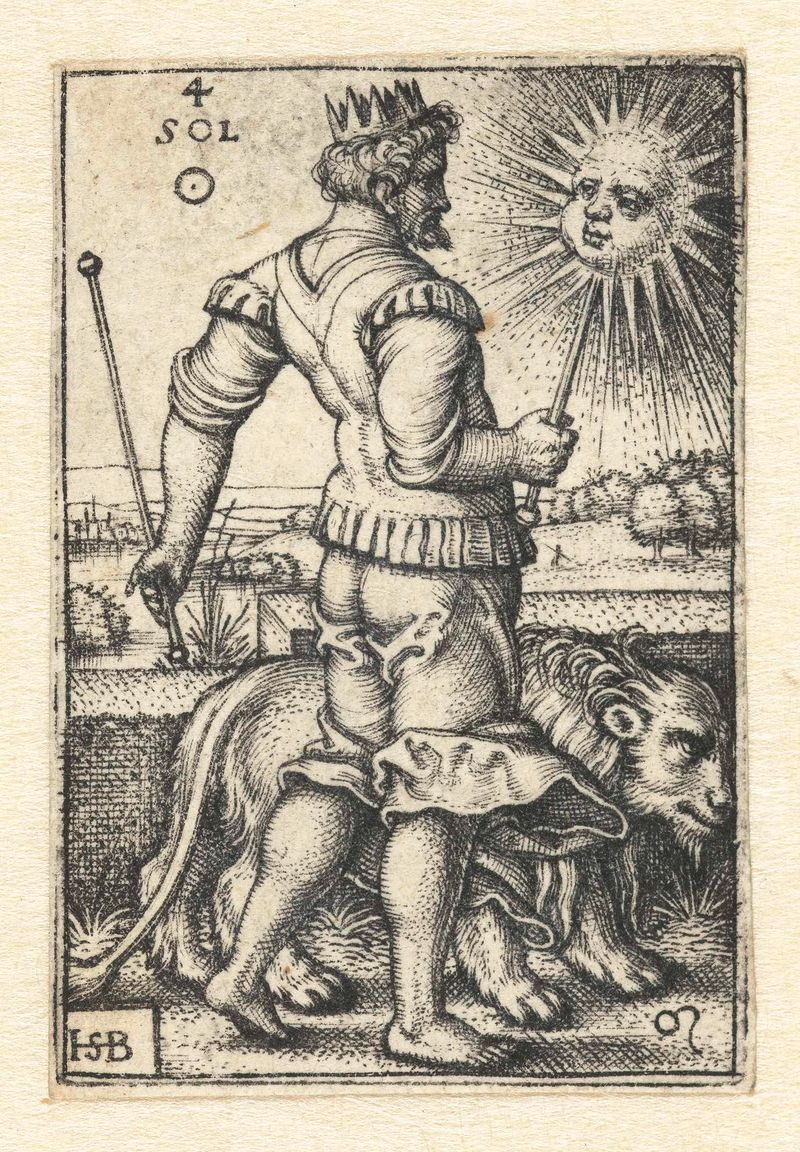
Apollo (Sol) met sterrenbeeld Leeuw
Hans Sebald Beham
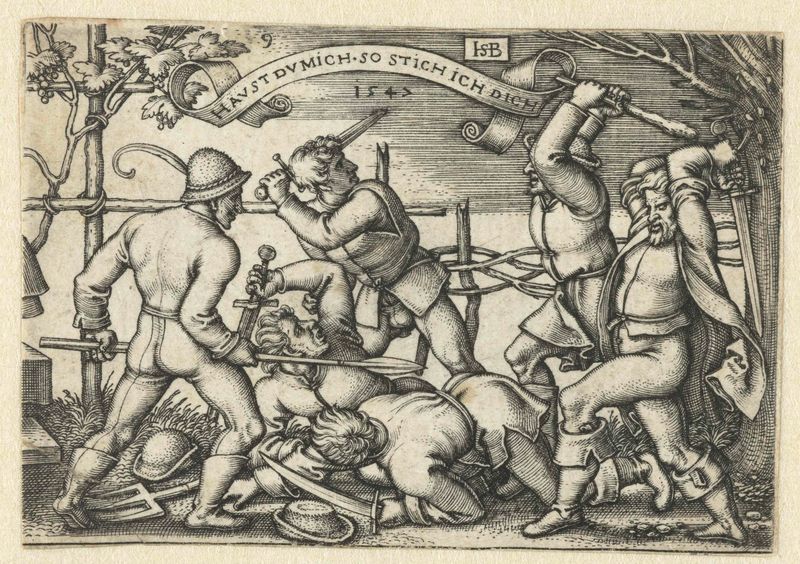
Vechtende boeren met zwaarden
Hans Sebald Beham
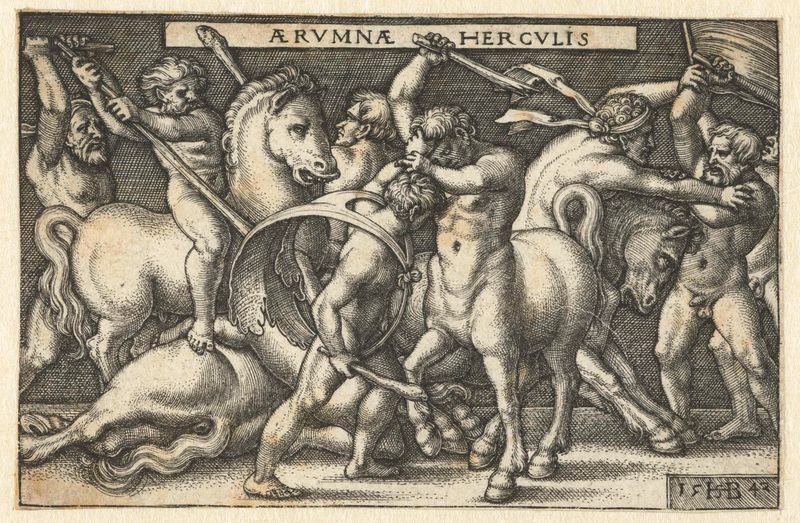
Hercules in gevecht met centaurs
Hans Sebald Beham