
Verödeter Friedhof — History & Facts
When did color learn to lie? In the chilling embrace of desolation, an empty graveyard stands silent, cloaked in muted tones that suggest both loss and reverence. Each hue bears witness to the passage of time, as the viewer grapples with the divine contrast between life and the void. Focus first on the stark, leafless trees, their twisted branches reaching upward as if pleading with an unseen deity. Notice how the somber palette—grays, browns, and melancholy greens—imbues the scene with an unsettling serenity.
The way the light falls softly across the tombstones hints at the presence of lingering spirits, and the subtle interplay of shadow creates depth, suggesting stories long forgotten yet palpable in the air. The emotional tension within this work lies in its juxtaposition of nature and humanity’s inevitable fate. The starkness of the grave markers, some crumbling and others well-kept, reflects the universal cycle of remembrance and decay. The emptiness simultaneously evokes mourning and the hope of resurrection, inviting viewers to consider their own mortality and the divine implications of what lies beyond this life. Joseph Selleny painted Verödeter Friedhof in 1847 during a period marked by Romanticism's fascination with nature and the sublime.
At this time, he was grappling with personal and artistic challenges, seeking to convey profound truths through landscape. The era was ripe with a burgeoning interest in the ethereal, and Selleny's work encapsulates this quest, capturing the essence of a world where the boundaries between life and the divine blur into a haunting harmony.
More Artworks by Joseph Selleny
Browse all →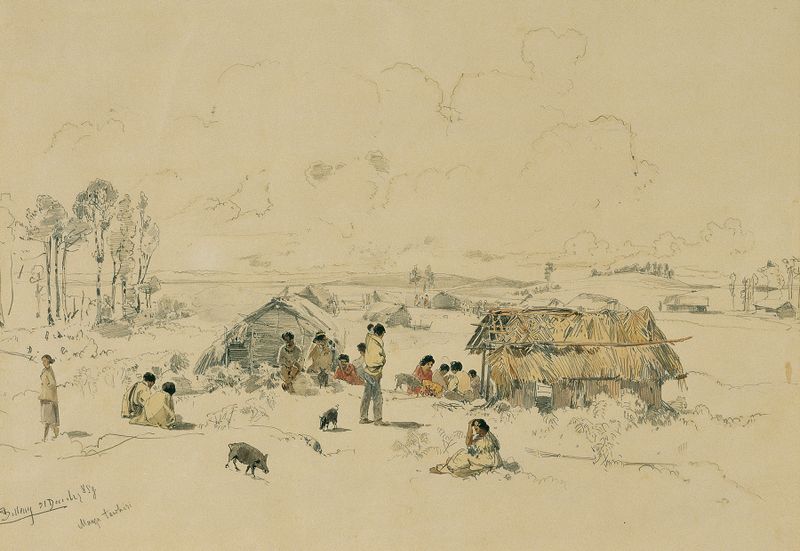
Maori-Dorf am Fluss Mangatawhiri, Auckland (Neuseeland)
Joseph Selleny
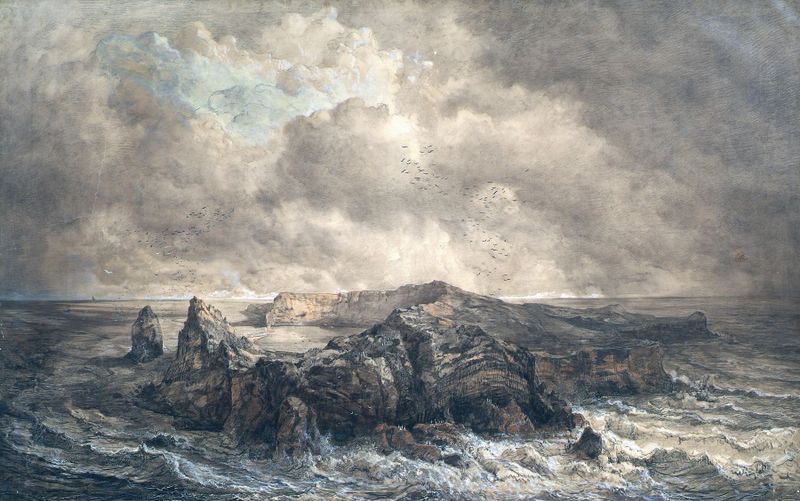
Die Insel St. Paul im Indischen Ozean
Joseph Selleny
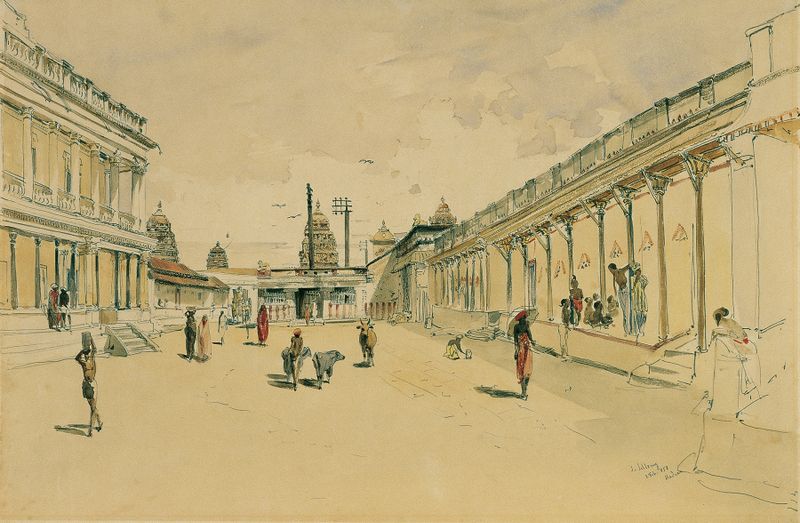
Straße in Madras mit einem Tempel
Joseph Selleny
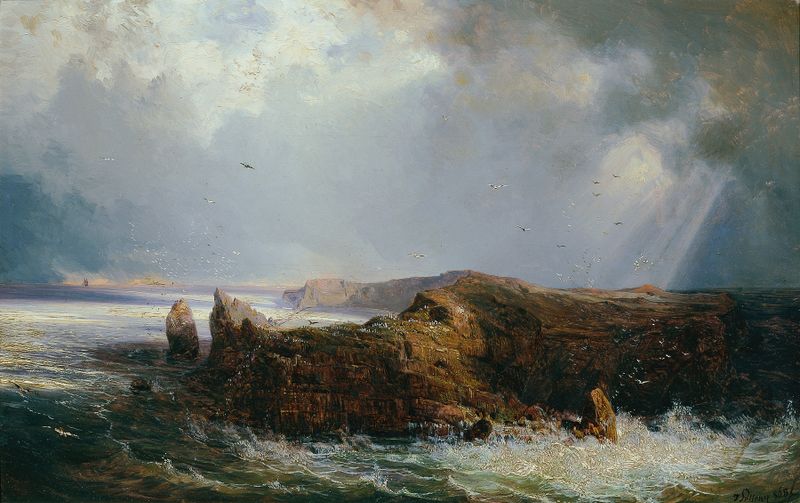
Die Insel St. Paul im Indischen Ozean
Joseph Selleny
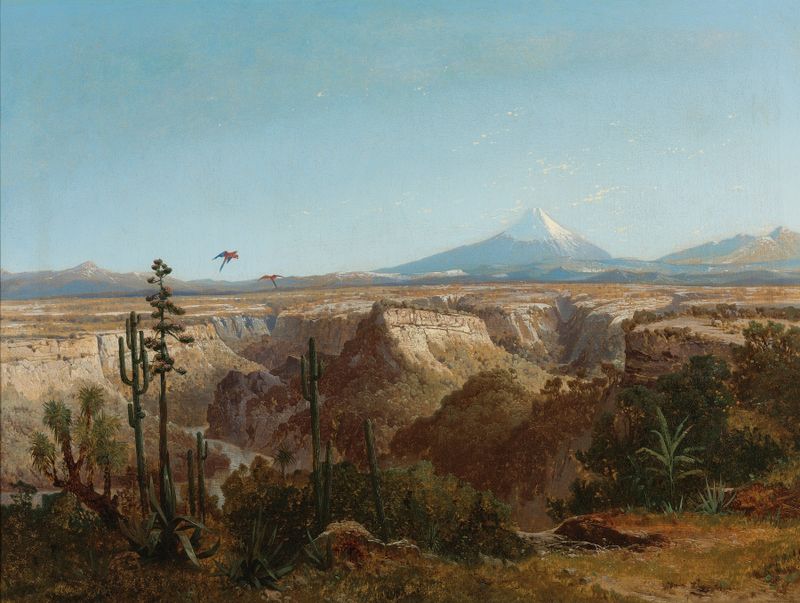
View Of The Atacama Desert In Chile With The Licancabur Volcano In The Background
Joseph Selleny
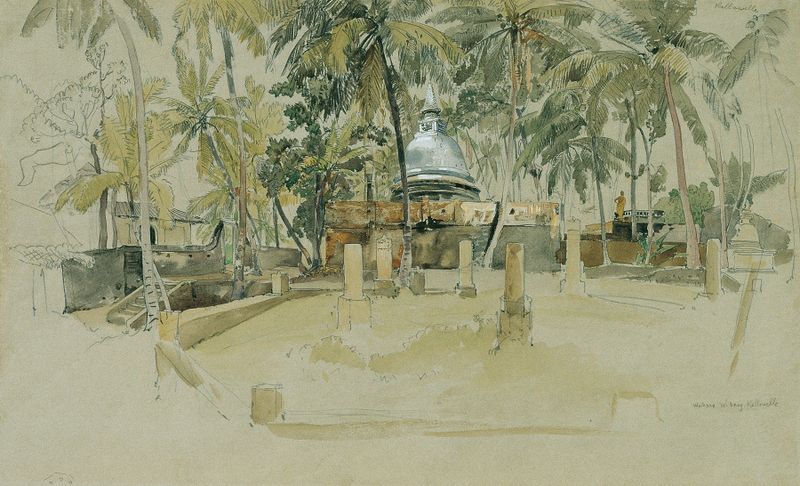
Buddhistischer Tempel auf Ceylon (Sri Lanka)
Joseph Selleny
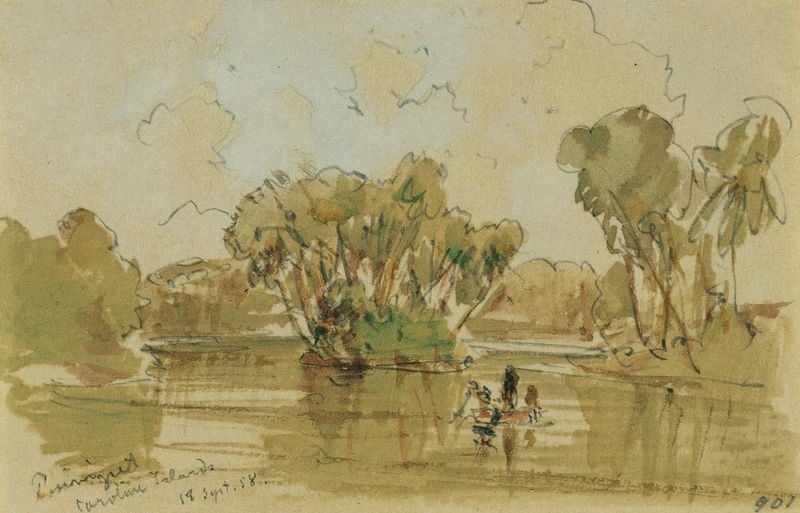
Landschaft auf der Insel Puinipet (Ponape), Caroline Islands
Joseph Selleny
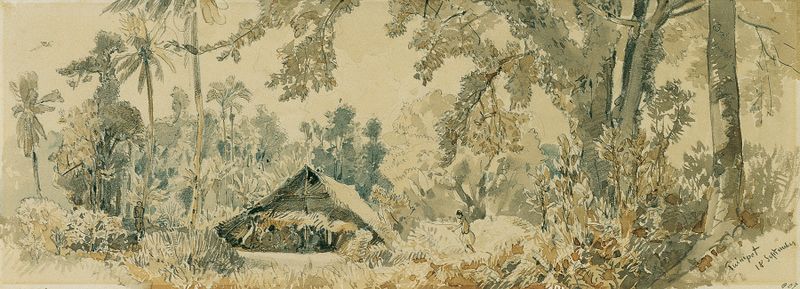
Eingeborenenhütte auf der Insel Puinipet (Ponape), Caroline Islands
Joseph Selleny

Haus des Roankiddi-Häuptlings auf der Insel Puinipet (Ponape), Caroline Islands
Joseph Selleny
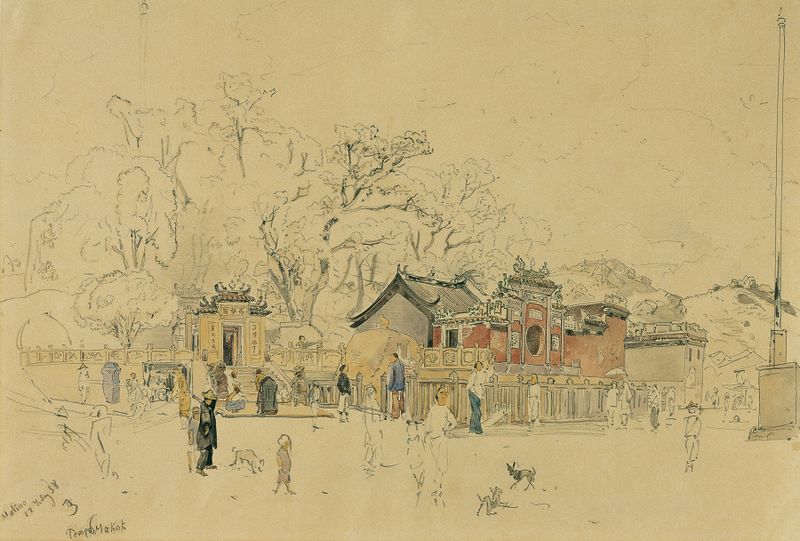
Der Tempelhain Makok auf der Halbinsel Macao
Joseph Selleny





