
Verger à la lisiere d’un bois à Saint-Cheron — History & Facts
Can beauty exist without sorrow? In the work of a master like Armand Guillaumin, the answer dances delicately between the vibrant hues of nature and the shadows of fleeting moments. Verger à la lisiere d’un bois à Saint-Cheron invites the viewer to contemplate innocence framed by the complexities of existence. Look to the center of the canvas where a sunlit meadow opens up, bathed in lush greens and punctuated by the soft whispers of wildflowers. The dappled light filters through the trees, casting playful shadows that suggest both serenity and the passage of time.
Notice how the brushwork creates a lively texture; each stroke captures the movement of leaves and the gentle sway of grasses, embodying the rhythm of nature's heartbeat. Beneath the radiant surface lies a poignant contrast—the purity of the landscape juxtaposed with the inevitability of change. The vibrant colors evoke joy, yet the encroaching woods at the edge serve as a reminder of the transient nature of beauty. The careful balance between light and shadow suggests the coexistence of innocence and the bittersweet passage of time, urging the viewer to reflect on their own experiences of beauty intertwined with loss. In 1893, Guillaumin painted this scene while immersed in the vibrant world of Post-Impressionism, seeking to express the emotional resonance of the natural environment.
At this time, he was honing his unique style, influenced by both the en plein air movement and the explorations of light by his contemporaries. The painting captures a moment of intense personal and artistic evolution within a broader context of change, reflecting both his artistic journey and the world around him.
More Artworks by Armand Guillaumin
Browse all →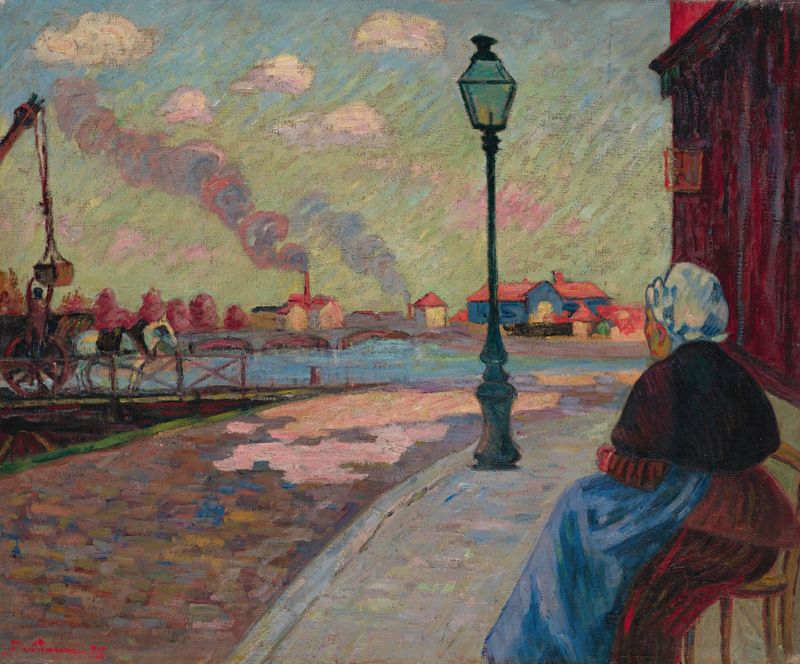
La Seine À Charenton
Armand Guillaumin
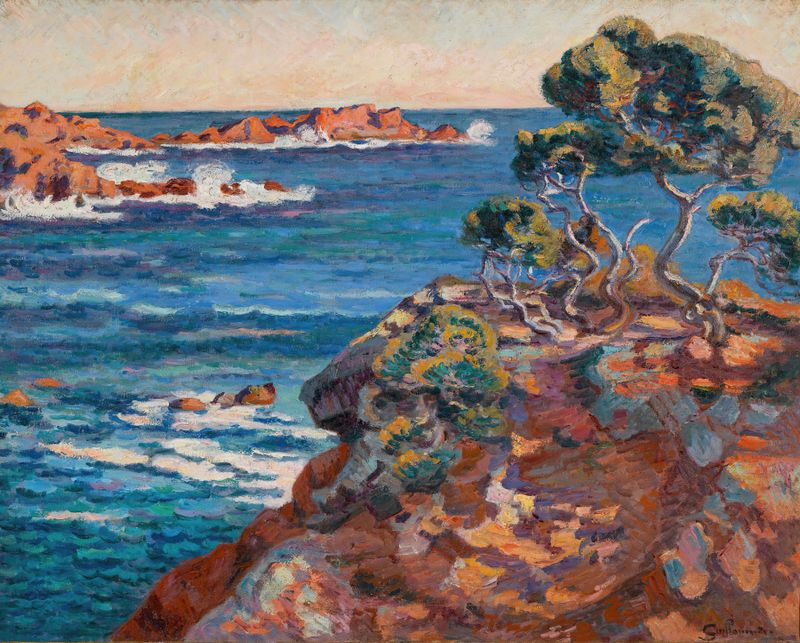
Bord De Mer À Agay
Armand Guillaumin
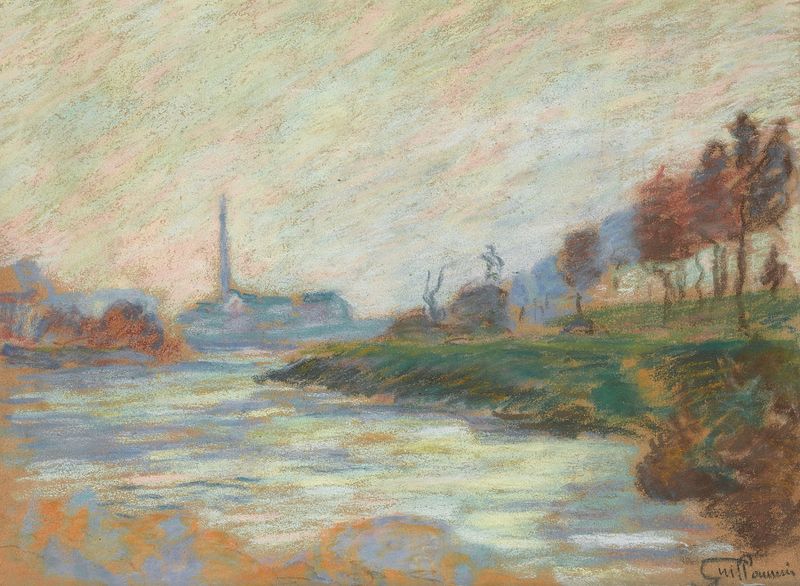
Confluent De La Marne Et De La Seine, Île De La France
Armand Guillaumin

Le Ravin de la folie, vue de Chateau Crozant
Armand Guillaumin
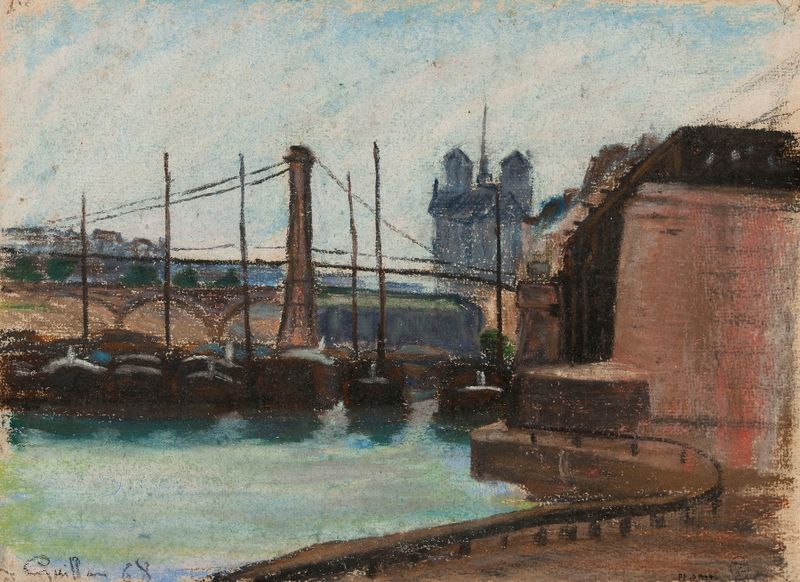
Le Pont d’Austerlitz
Armand Guillaumin

Paysage de Printemps
Armand Guillaumin
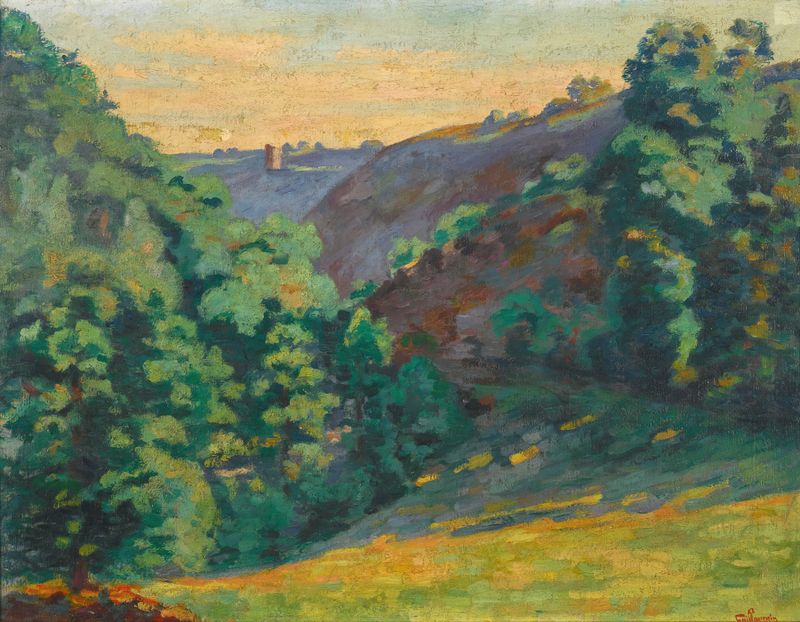
Crozant, Le Ravin De La Sedelle À La Folie
Armand Guillaumin
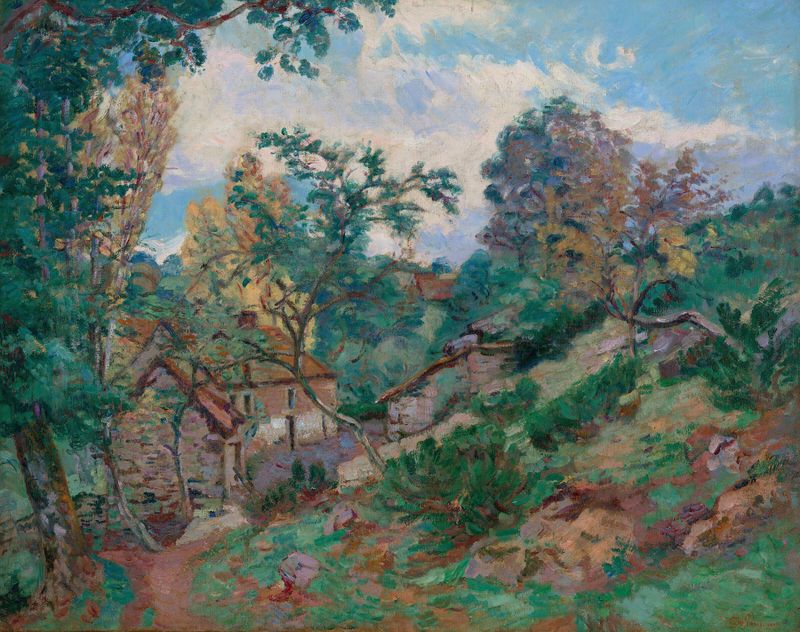
Paysage
Armand Guillaumin

La vallée de la creuse
Armand Guillaumin

L’Eglise Saint-Sulpice, Paris
Armand Guillaumin





