
Øverst i Setesdal — History & Facts
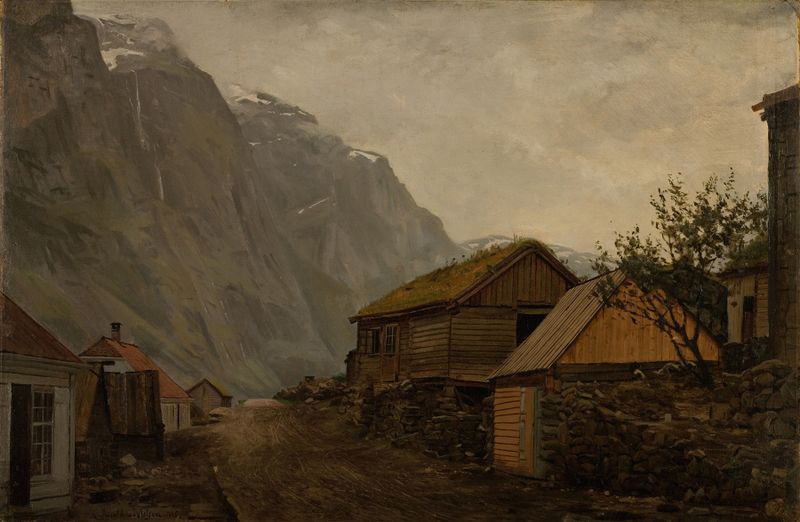
Where does light end, and longing begin? In the depths of the Norwegian landscape, the boundary blurs, revealing the profound connections between nature and the human soul. Look to the left at the cascading hills bathed in a warm, golden hue, where the sun's rays dance playfully across the lush greenery. The gentle brushstrokes create a texture that invites your eye to wander further, guiding you through the serene valley. Notice how the sky transitions from a soft blue to pink-orange, suggesting the fleeting nature of time and the beauty embedded in its passage—a poignant reminder of legacy. Within this tranquil scene lies a contrast between the vibrancy of the land and the stillness of the distant mountains.
The interplay of light and shadow evokes a sense of nostalgia, as if the landscape is whispering stories of those who traversed its paths before us. The winding river, a lifeline of the valley, symbolizes continuity, while the solitary figure in the distance hints at the solitude often found in these untouched spaces—a silent acknowledgment of our place within the vastness of nature. Amaldus Nielsen painted Øverst i Setesdal in 1864, during a period marked by romanticism and a growing interest in depicting the Norwegian landscape. Working from his home in Norway, he sought to capture the essence of his homeland, reflecting the deep emotional connections individuals have with their surroundings.
This work not only showcases his technical prowess but also serves as a testament to the cultural significance of the natural world during a time of artistic exploration.
More Artworks by Amaldus Nielsen
Browse all →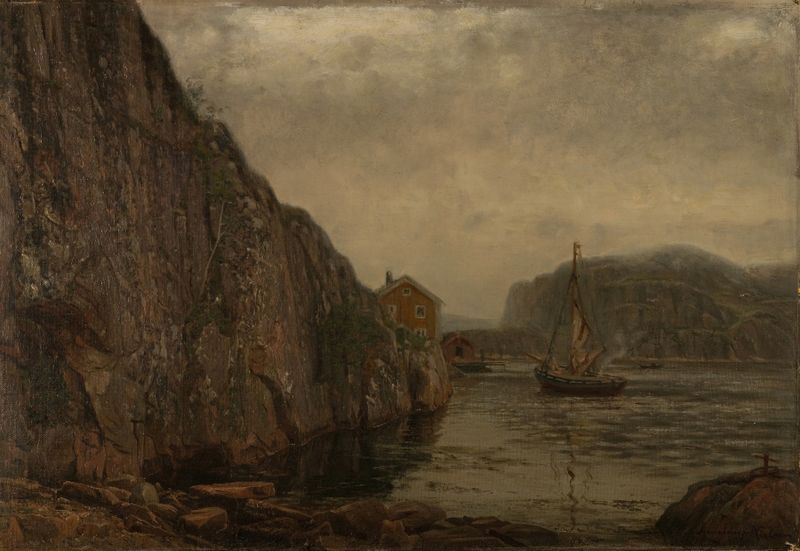
Skjærgård, Ny-Hellesund
Amaldus Nielsen
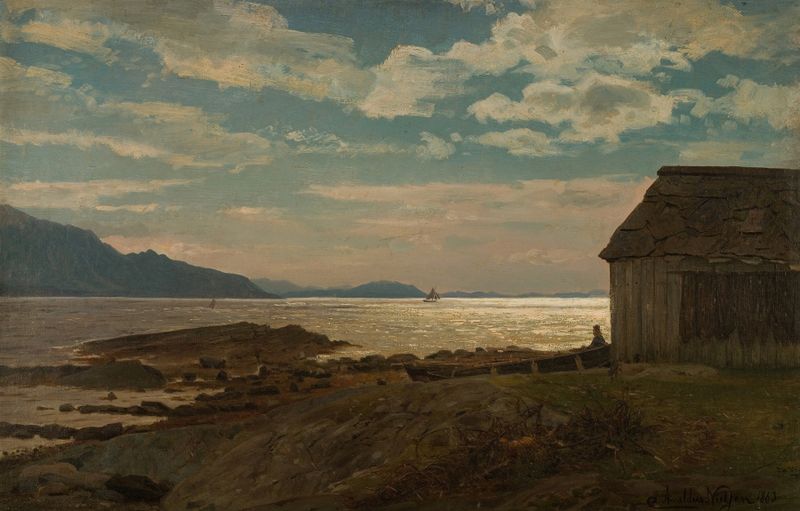
Fra Ølvestranden, Hardanger
Amaldus Nielsen
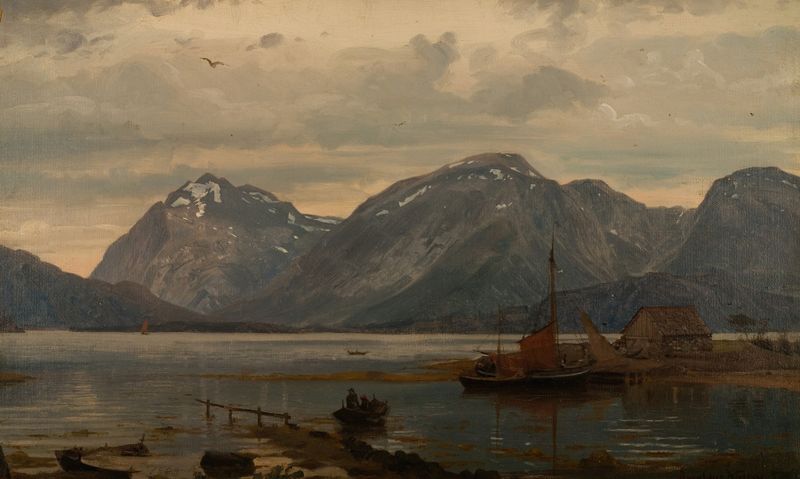
Fra Englafjellene, Hardanger
Amaldus Nielsen
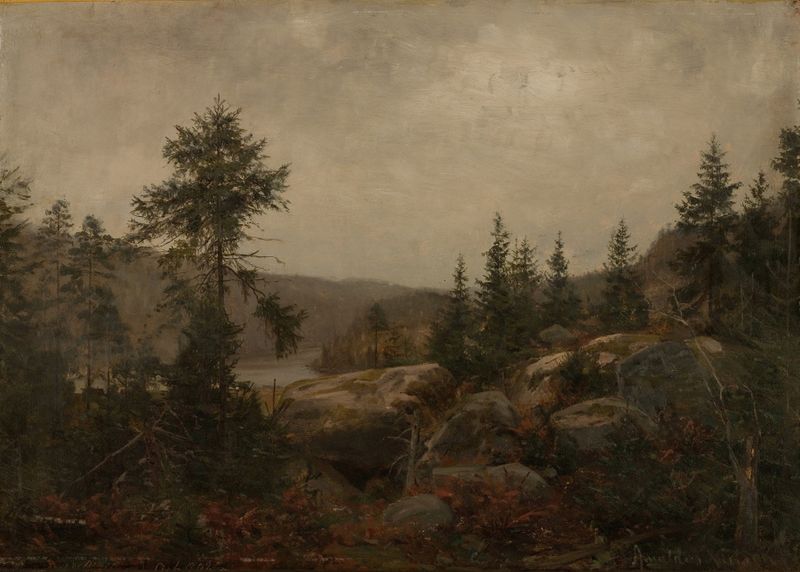
Duskregn . Gården Foss, Mandalselven
Amaldus Nielsen
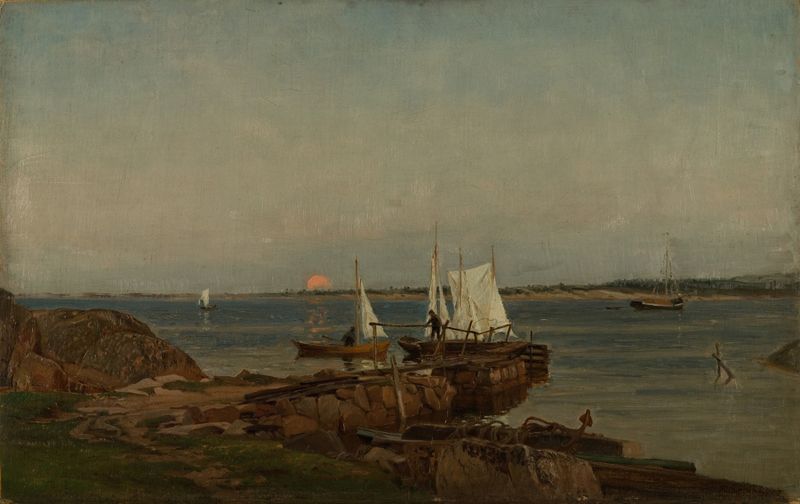
Sommernatt, Hvaler
Amaldus Nielsen
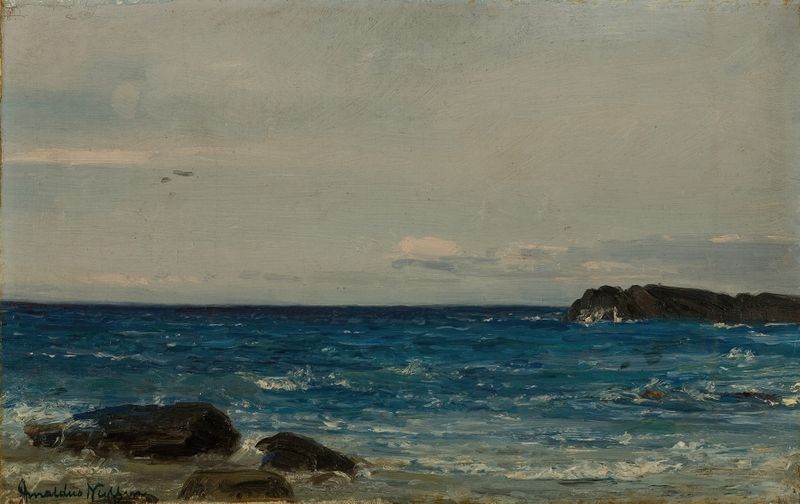
Fra Jæren
Amaldus Nielsen
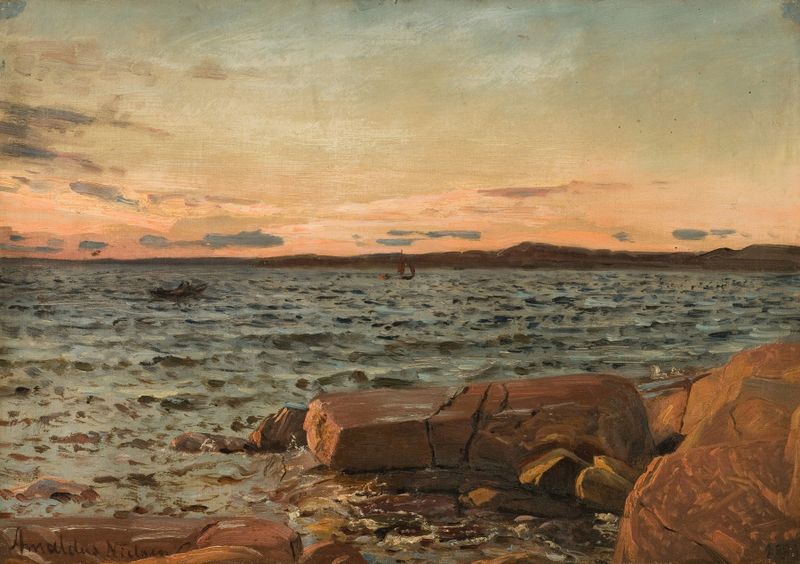
Solgangsvind, Hvaløene
Amaldus Nielsen
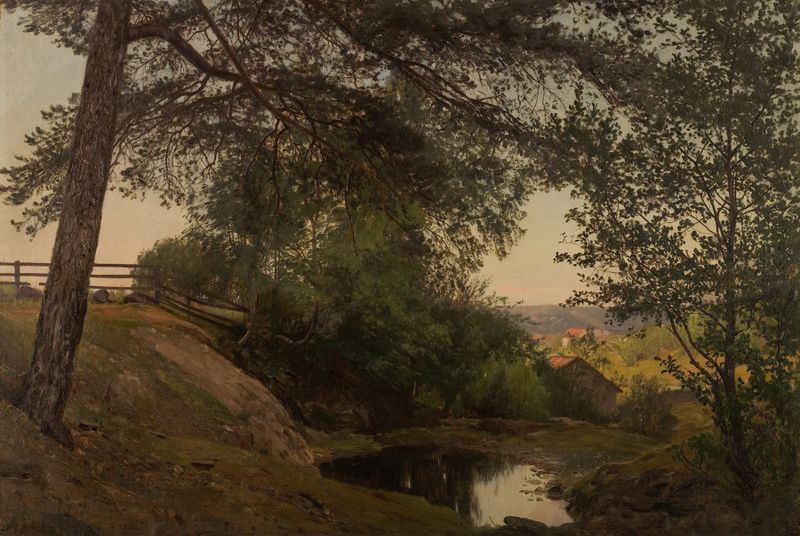
Mellom trærne. Lervik, Stord
Amaldus Nielsen

Båtbyggeri, Lillesand
Amaldus Nielsen
Regnstemning, Gudvangen
Amaldus Nielsen





