
Via Garibaldi — History & Facts
Did the painter know this moment would outlive them? The vibrant hues of Via Garibaldi breathe life into a fleeting instant, capturing the essence of a place that resonates with both nostalgia and vibrancy. Look to the left at the rich ochres and warm browns that form the charming facades of the buildings, each brushstroke echoing the bustling life of the street. Your gaze is naturally drawn to the sun-drenched path where figures tread — the delicate use of light captures a time of day when shadows elongate, infusing the artwork with a dynamic rhythm. Notice how the artist skillfully utilizes varying shades to evoke depth, while the splashes of lively colors suggest the vibrancy of interaction, as if the viewer stands amidst the people. The emotional tension within the piece lies in its balance of stillness and movement; the quiet of the street contrasts with the implied vibrancy of life behind those walls.
Elements such as the scattered leaves fluttering in the breeze hint at the passage of time, while the symphony of colors speaks of warmth and community. The subtle interplay between light and shadow tells a story of the everyday, where every figure may represent a life, a history, or a dream. Otto Henry Bacher painted this piece during a period of artistic exploration and transition, likely in the late 19th century, as he traveled through vibrant locales in Europe. At this time, the art world was grappling with the emergence of Impressionism, which encouraged artists to capture the immediacy of their experiences.
Bacher’s work reflects this spirit of catching ephemeral moments, all while he navigated his own journey within the evolving landscape of modern art.
More Artworks by Otto Henry Bacher
Browse all →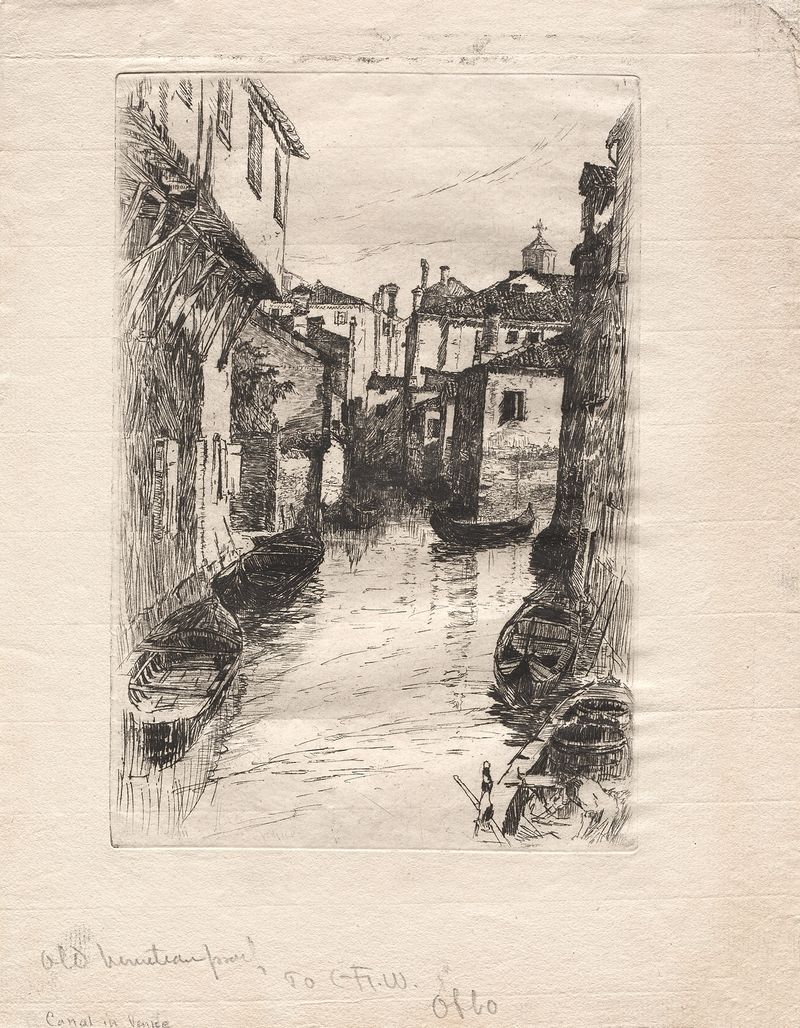
Canal in Venice
Otto Henry Bacher
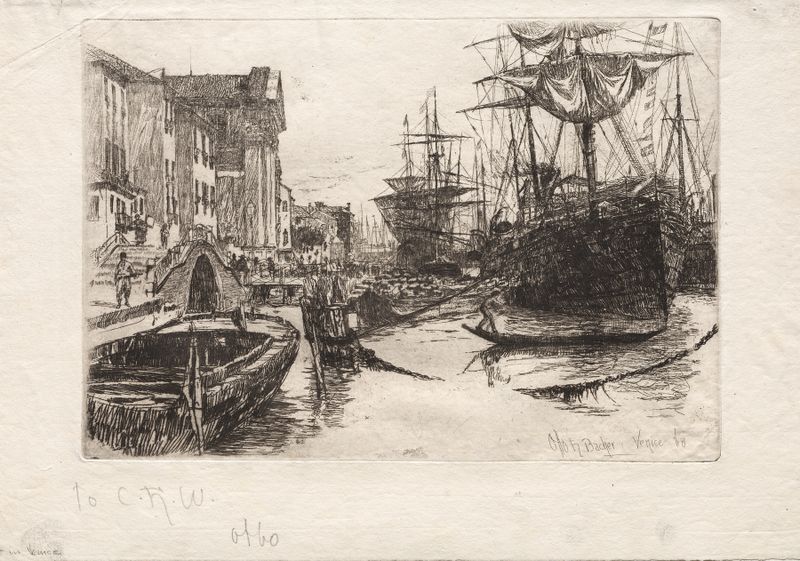
View in Venice
Otto Henry Bacher
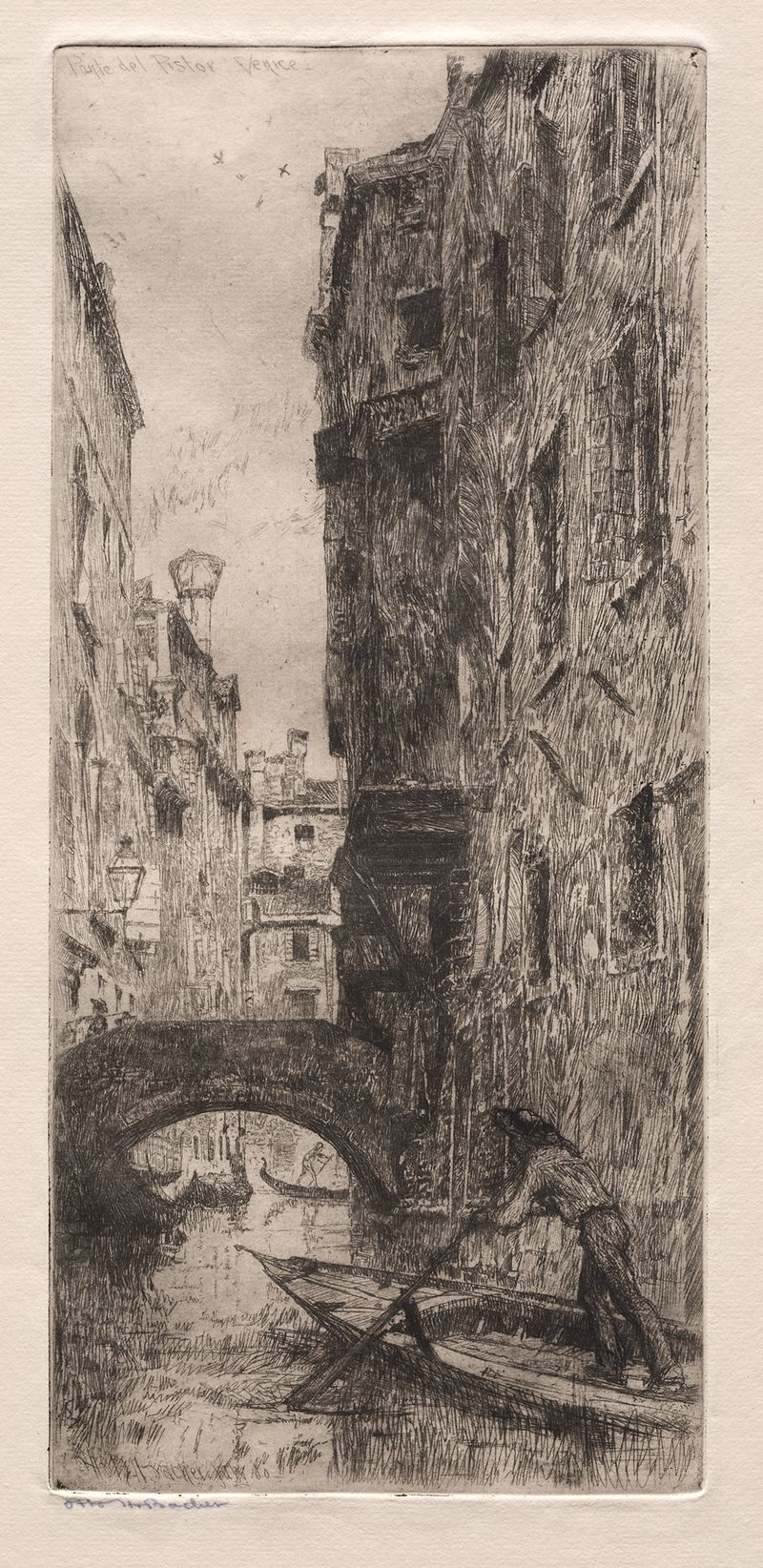
Ponte del Pistor, Venice
Otto Henry Bacher
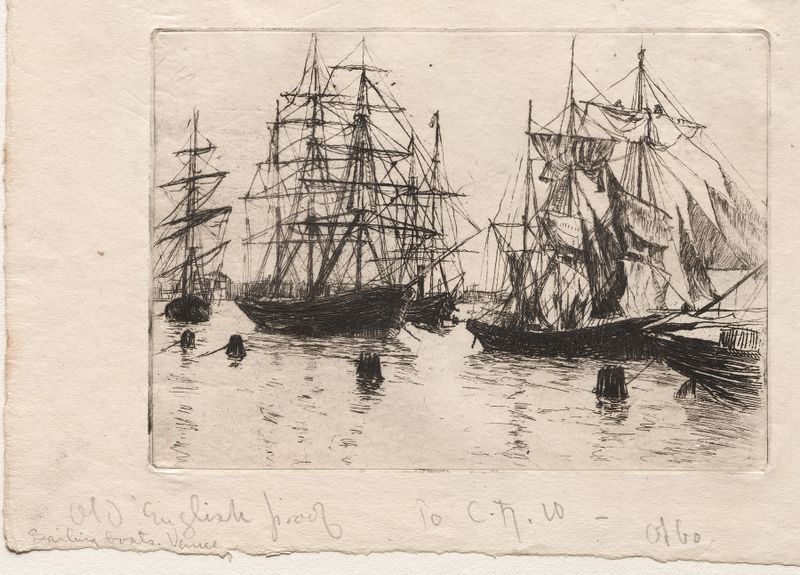
Sailing Boats, Venice
Otto Henry Bacher
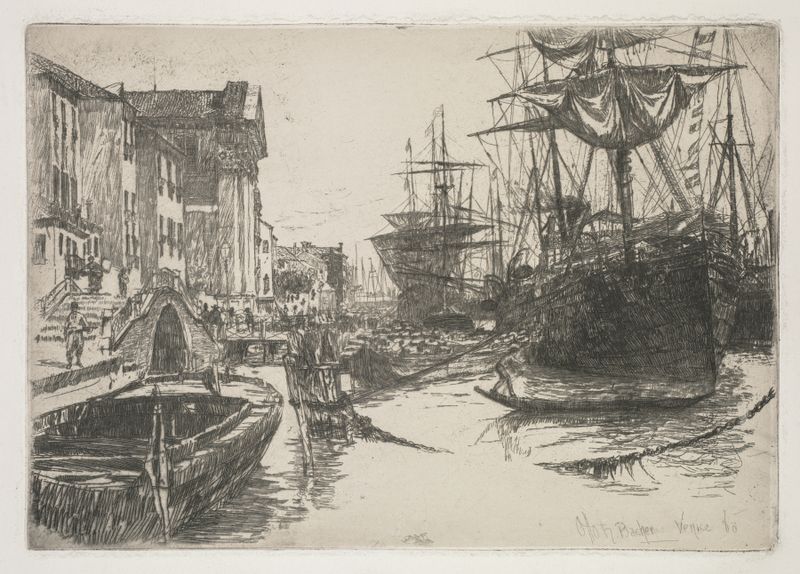
Fondamenta della Zattere
Otto Henry Bacher
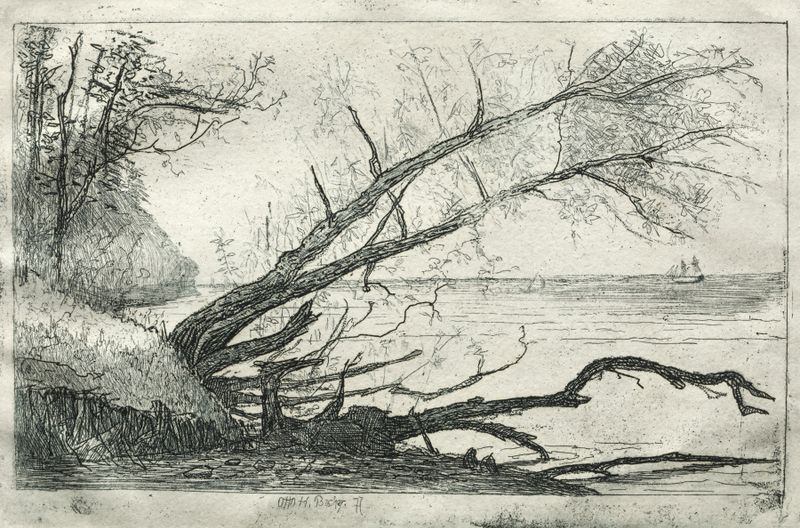
Old Sycamore
Otto Henry Bacher
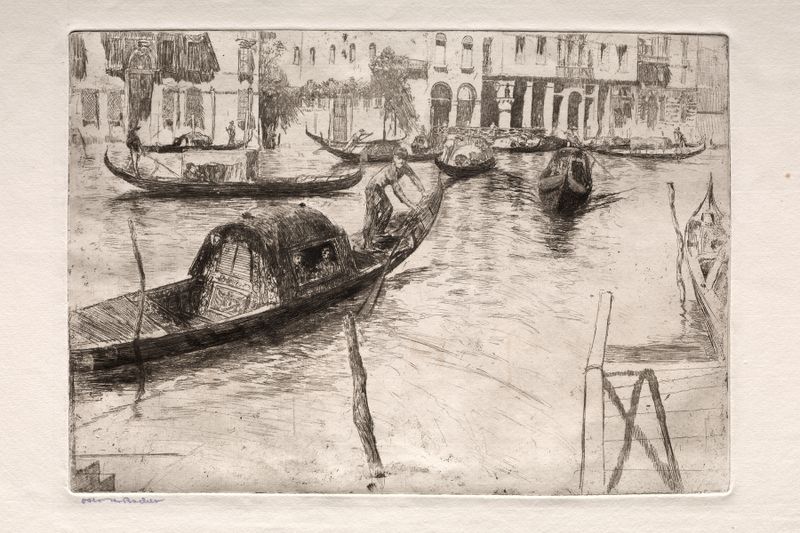
Traghetto San Felice
Otto Henry Bacher
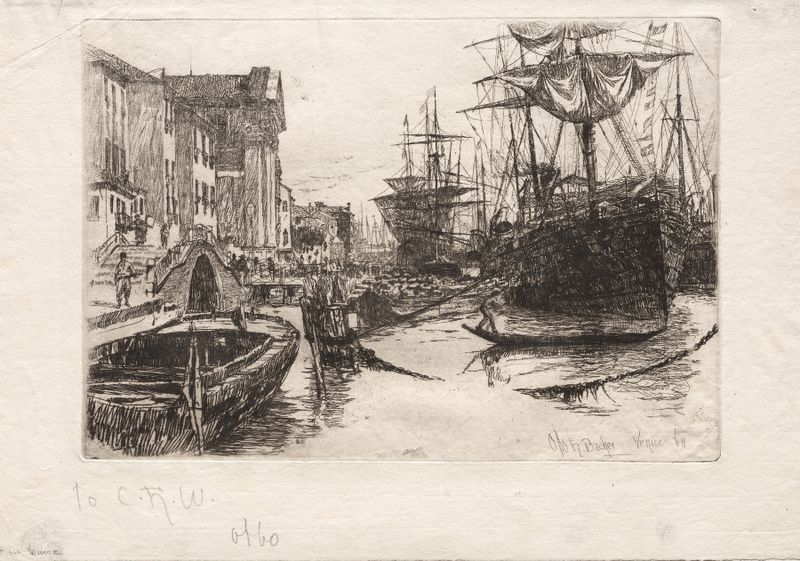
View in Venice
Otto Henry Bacher
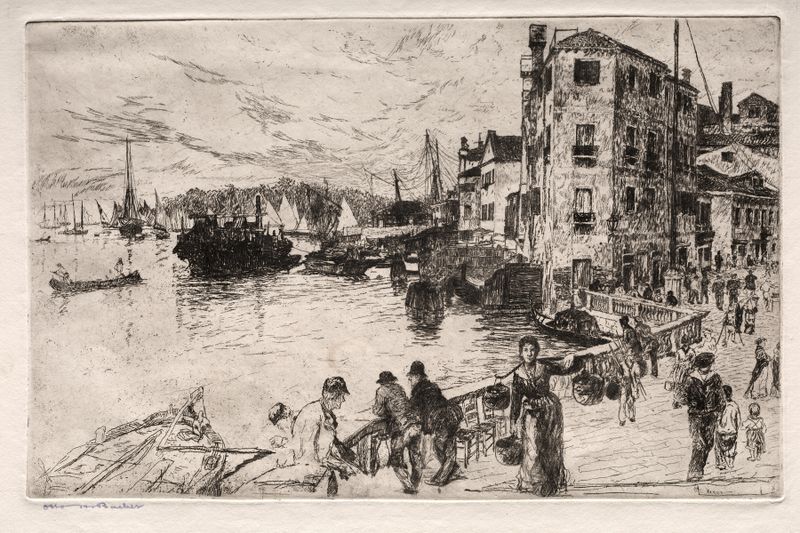
Castello Quarters, Riva
Otto Henry Bacher
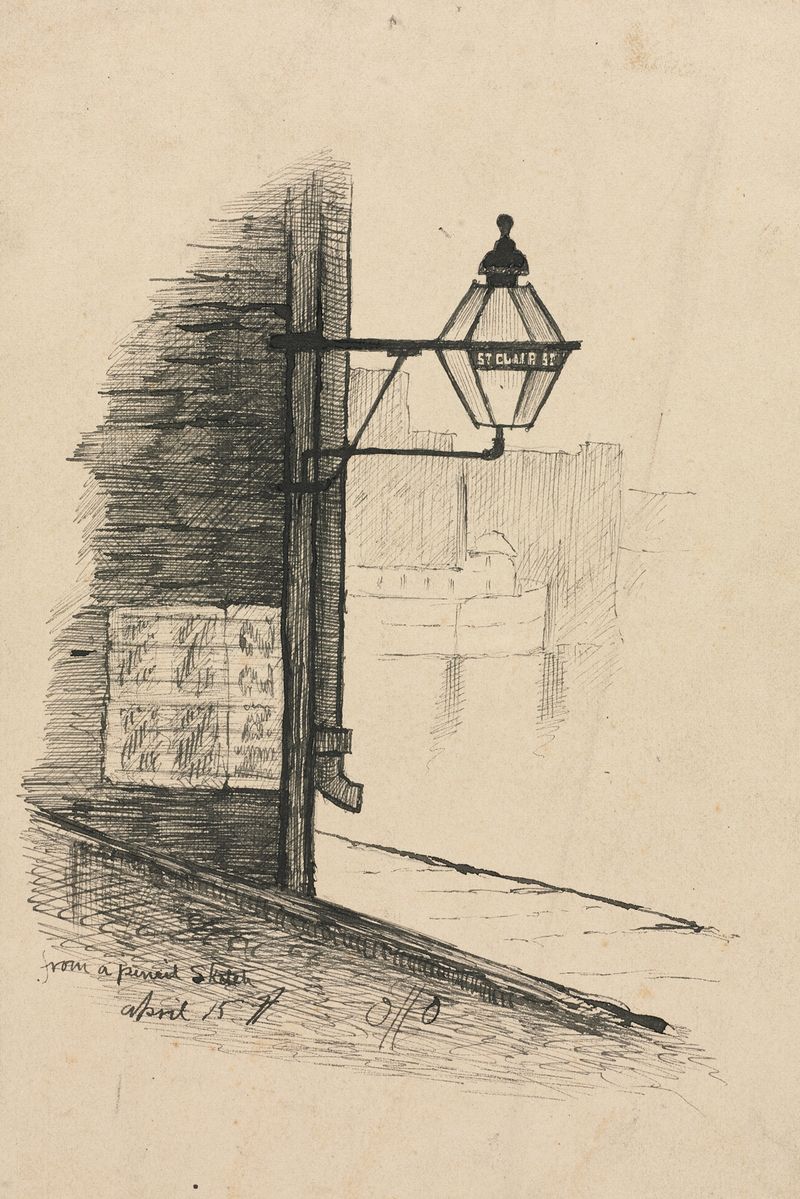
St. Clair Street, Cleveland
Otto Henry Bacher
More Architecture Art
Browse all →
The statue of Liberty
Frédéric Auguste Bartholdi

View of Houses in Delft, Known as ‘The Little Street’
Johannes Vermeer

View of Houses in Delft, Known as ‘The Little Street’
Johannes Vermeer

The Cathedral in Rouen. The portal, Grey Weather
Claude Monet

The yellow house
Vincent van Gogh

The Church in Auvers-sur-Oise, View from the Chevet
Vincent van Gogh