
Victoria Headland, Mouth of the Thlew-ee-cho-de-zeth — History & Facts
In the interplay of hues and the absence of sound, the nuances of grief emerge, whispering stories of loss and remembrance. Each brushstroke serves as a testament to the emotions submerged beneath the surface, waiting to be unearthed. Focus first on the sweeping canvas that captures the mouth of the Thlew-ee-cho-de-zeth, where earth meets water in a delicate embrace. The earthy tones blend harmoniously with the deep blues and greens, drawing the viewer into a tranquil yet haunting landscape.
Notice how the light dances on the water's surface, creating a shimmering effect that evokes both beauty and melancholy. The horizon line stretches wide and expansive, inviting exploration while simultaneously suggesting the vastness of human sorrow. Delve deeper into the subtleties of the composition; the juxtaposition of vibrant foliage against the somber water reflects the duality of life and death. The gentle curves of the land and the soft ripples in the water seem to cradle the unspoken grief that resides in the heart of the scene.
There's a tension between the lively colors of nature and the stillness of the water, hinting at a narrative woven through memories that haunt the area, suggesting an underlying story of loss intermingled with the beauty of the landscape. During the time Smith created this artwork, the world was experiencing a shift in artistic perspectives, with Romanticism influencing the way landscapes were portrayed. Though the exact date of this piece is unknown, it is believed to be painted in the early 19th century, a period when the artist was known for capturing the essence of the natural world. In this work, Smith reflects a deeper connection to the land and its spiritual resonance—an echo of the collective grief that often accompanies remembrance.
More Artworks by Charles Hamilton Smith
Browse all →
Situation of H.M.S. Hecla & Griper
Charles Hamilton Smith
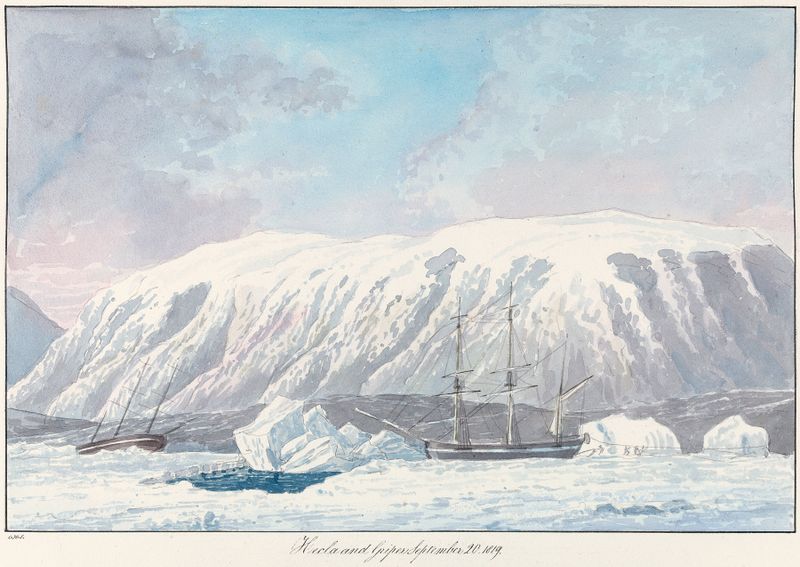
Hecla and Griper
Charles Hamilton Smith

Friendly Cove, Nootka Sound
Charles Hamilton Smith

Iceberg in Baffin’s Bay
Charles Hamilton Smith
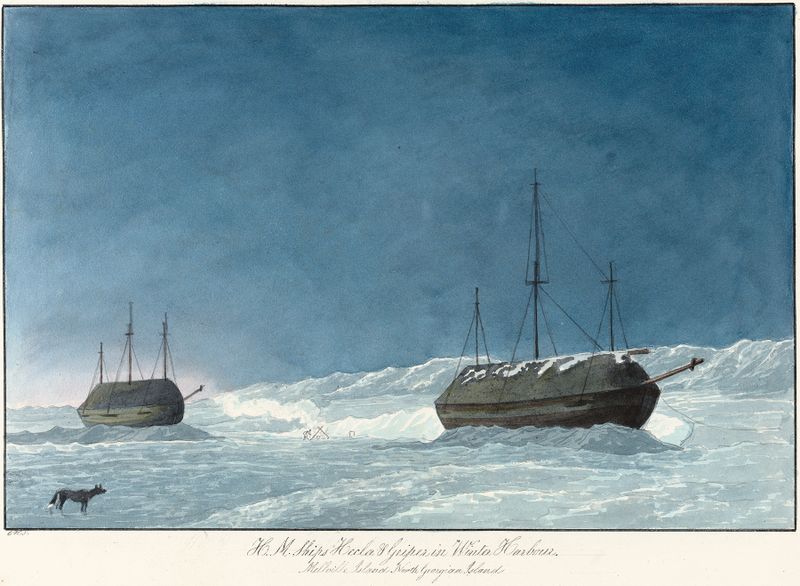
H. M. Ships Hecla and Griper in Winter Harbour
Charles Hamilton Smith

The Erebus & Terror in a Gale in the Pack of the Ice
Charles Hamilton Smith
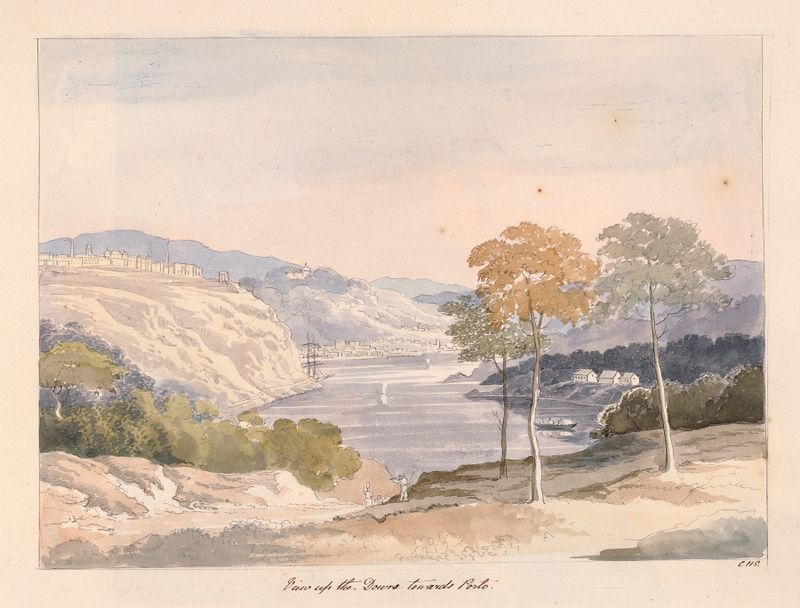
View of the Douro towards Porto
Charles Hamilton Smith
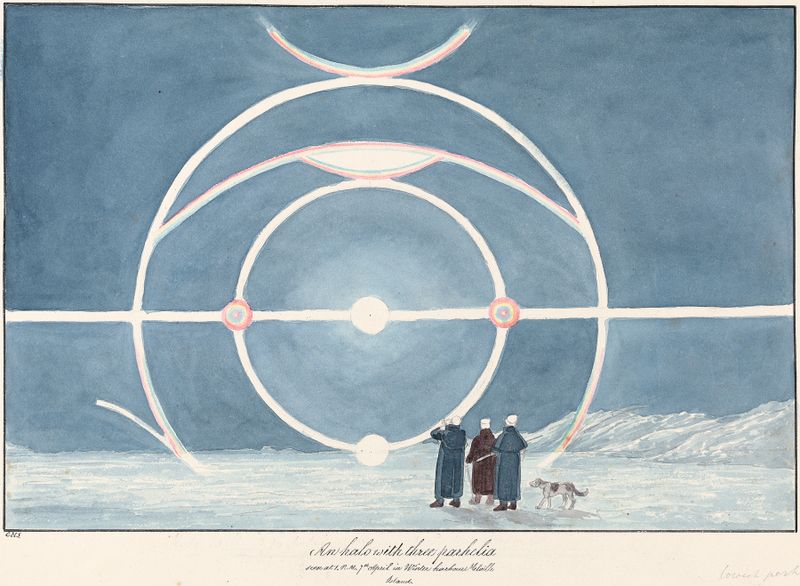
Halo with Three Parhelia, Winter Harbour Melville Island
Charles Hamilton Smith
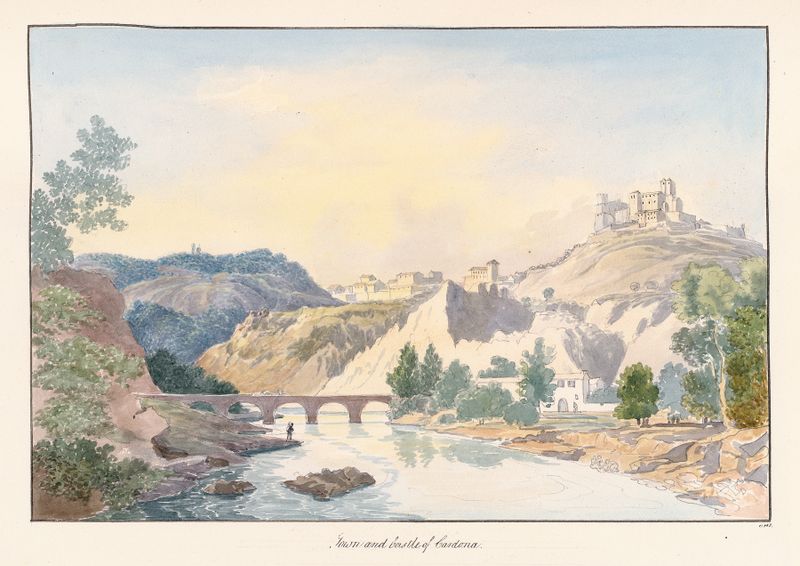
Town and Castle of Cardona
Charles Hamilton Smith
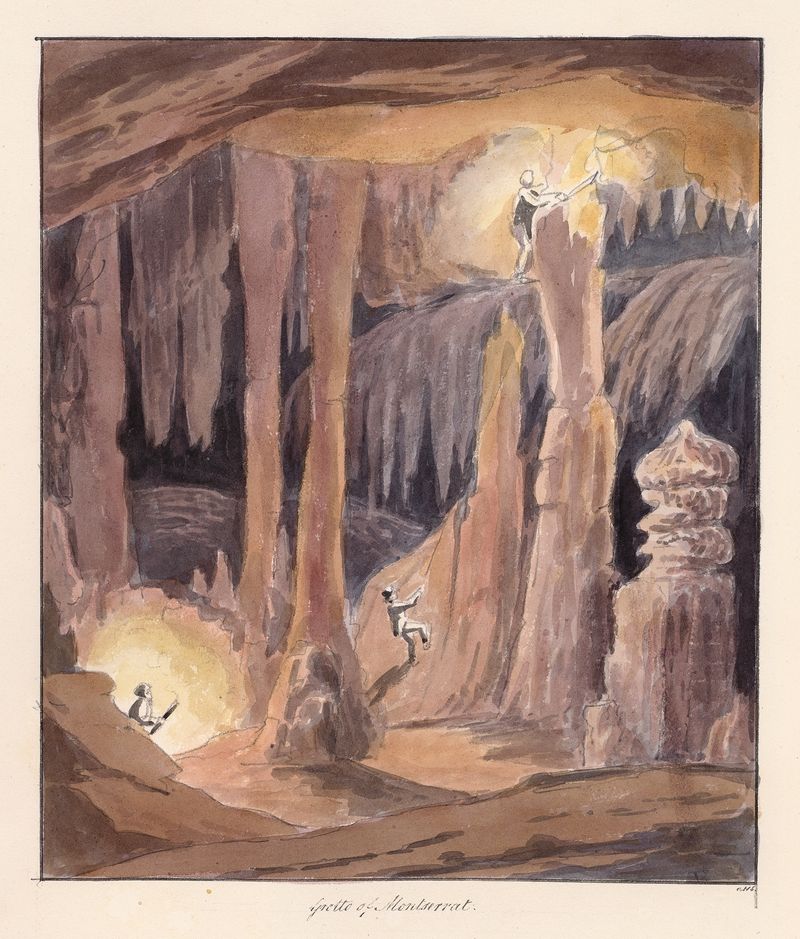
Grotto of Montserrat
Charles Hamilton Smith





