
Victoria Land South Polar Regions Mount Erebus — History & Facts
In the embrace of swirling ice and tumultuous skies, the madness of nature calls to the human spirit, challenging our fears and dreams. Focus on the jagged peaks that pierce the canvas, a testament to the relentless power of the natural world. The cold hues of blue and grey dominate the composition, enveloping the viewer in an icy grip. Notice how the stark contrast between light and shadow dances across the craggy surface of Mount Erebus, hinting at the hidden struggles beneath its grandeur.
This interplay creates a rhythmic tension, drawing the eye deeper into the tumultuous landscape. Yet, beyond its majestic portrayal, the painting reveals the fragility of existence. The swirling clouds, tinged with fire, suggest not just a dormant volcano but a brewing chaos, evoking the madness that lies beneath the surface of our perceived reality. The stark isolation of the mountain reflects our inner loneliness, while the dramatic depiction of nature's fury serves as a mirror, urging us to confront the turmoil within ourselves.
Here, chaos and serenity exist in a delicate balance, reminding us of the thin line between beauty and destruction. In this untitled work, the artist captured the essence of exploration and self-reflection in a world burgeoning with scientific fascination. During the early 19th century, Hamilton Smith found inspiration in the romantic idea of the sublime. He sought to convey the awe-inspiring yet terrifying aspects of nature amid the burgeoning interest in polar expeditions, a time when artists and scientists alike struggled to articulate the madness of the unknown.
More Artworks by Charles Hamilton Smith
Browse all →
Situation of H.M.S. Hecla & Griper
Charles Hamilton Smith
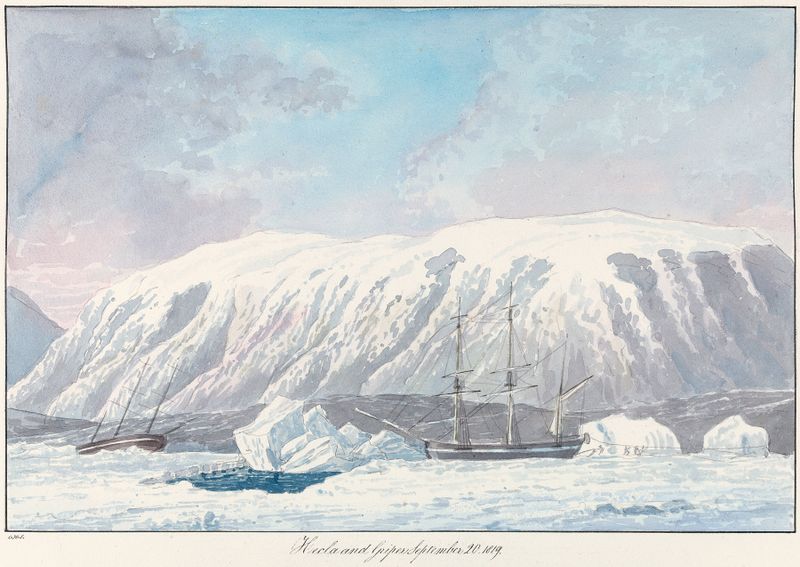
Hecla and Griper
Charles Hamilton Smith

Friendly Cove, Nootka Sound
Charles Hamilton Smith

Iceberg in Baffin’s Bay
Charles Hamilton Smith
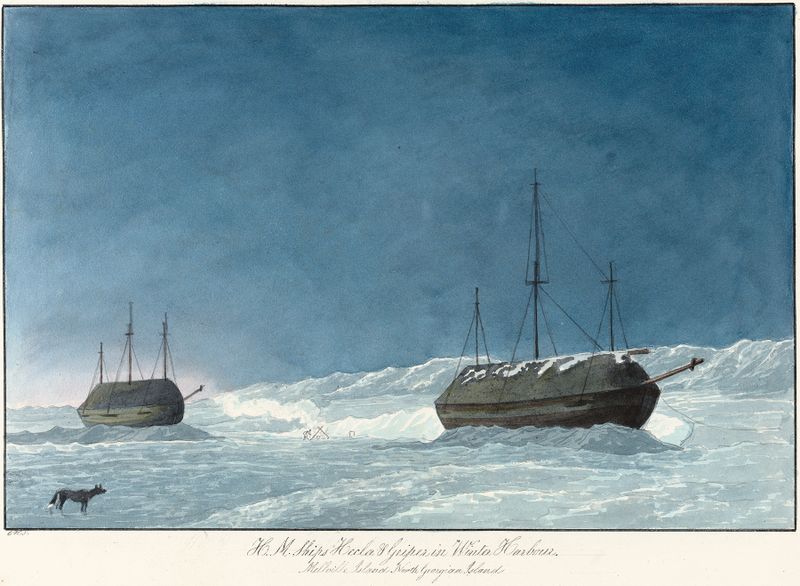
H. M. Ships Hecla and Griper in Winter Harbour
Charles Hamilton Smith

The Erebus & Terror in a Gale in the Pack of the Ice
Charles Hamilton Smith
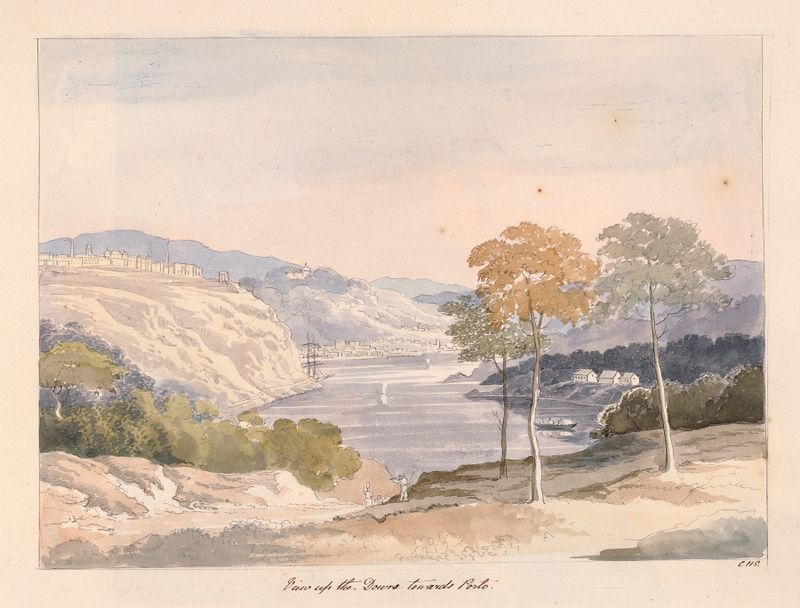
View of the Douro towards Porto
Charles Hamilton Smith
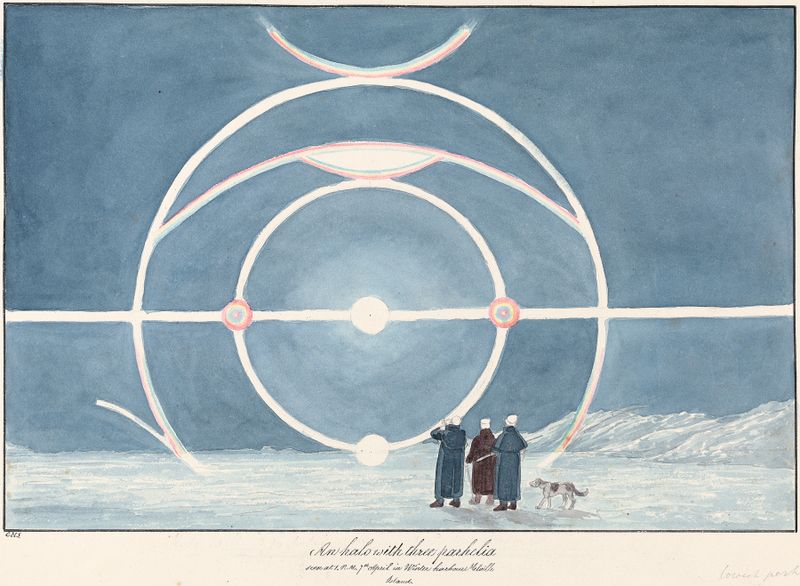
Halo with Three Parhelia, Winter Harbour Melville Island
Charles Hamilton Smith
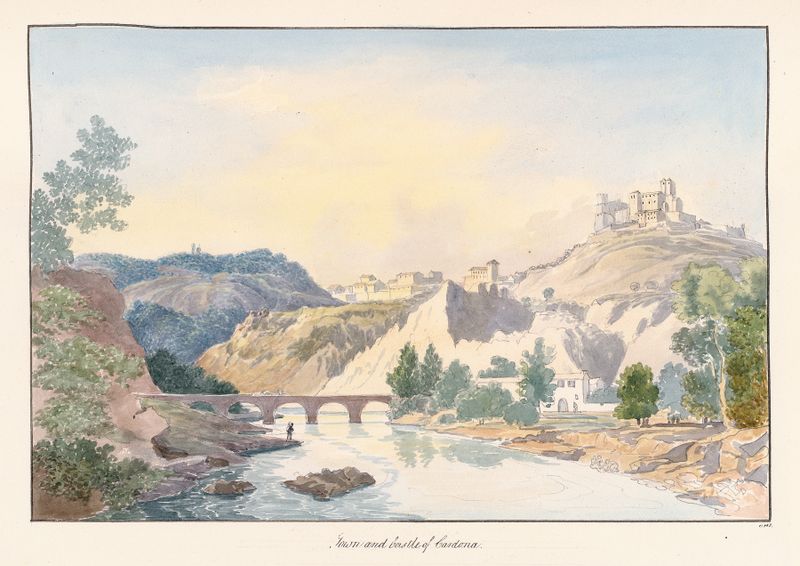
Town and Castle of Cardona
Charles Hamilton Smith
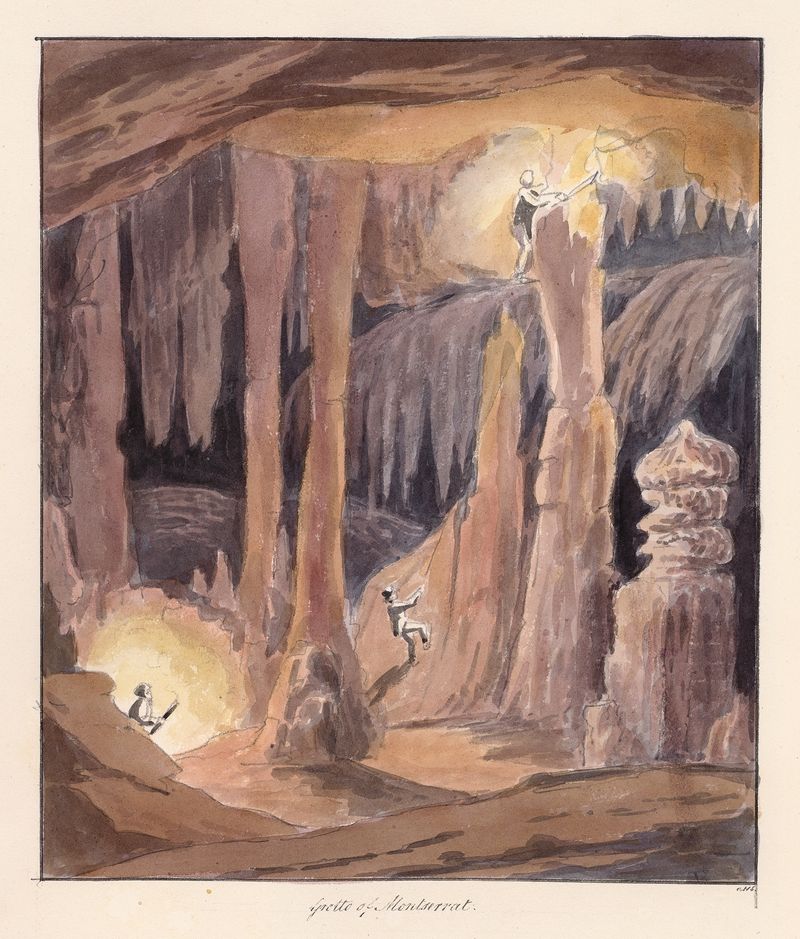
Grotto of Montserrat
Charles Hamilton Smith





