
Vieil arbre dans la plaine — History & Facts
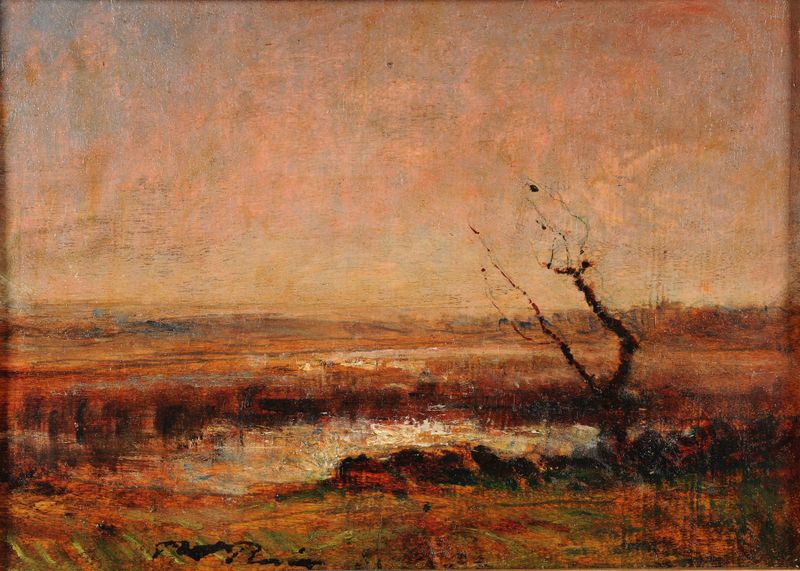
Where does light end, and longing begin? In the gentle embrace of twilight, the horizon tantalizes the heart, hinting at mysteries that lie just beyond reach. Focus on the central figure of the ancient tree, gnarled and wise, its branches stretching toward a luminous sky. The hues of ochre and soft violet dance along the canvas, blending seamlessly to create the tranquil atmosphere. Each brushstroke captures the ethereal quality of light, casting intricate shadows that breathe life into the plains, inviting viewers to linger just a moment longer. As the viewer absorbs the scene, the contrasts emerge: the sturdy, enduring tree stands in stark opposition to the vastness of the sky, embodying permanence amid the transience of day.
The light here acts as a metaphor for hope, illuminating thoughts of nostalgia and yearning. The serene landscape serves as both a sanctuary and a reminder of what is ephemeral, suggesting a deep emotional resonance that elicits a bittersweet connection to nature and existence. In 1868, François-Auguste Ravier painted this work during a period marked by a burgeoning appreciation for landscape art in France. As an artist striving for a harmonious relationship between nature and light, he was influenced by the Barbizon School, which sought to portray the emotional connection between man and the natural world.
This piece reflects a pivotal moment in art history, bridging the gap between Romanticism and Impressionism, as Ravier captured not only the physical landscape but also the deeper feelings they evoke.
More Artworks by François-Auguste Ravier
Browse all →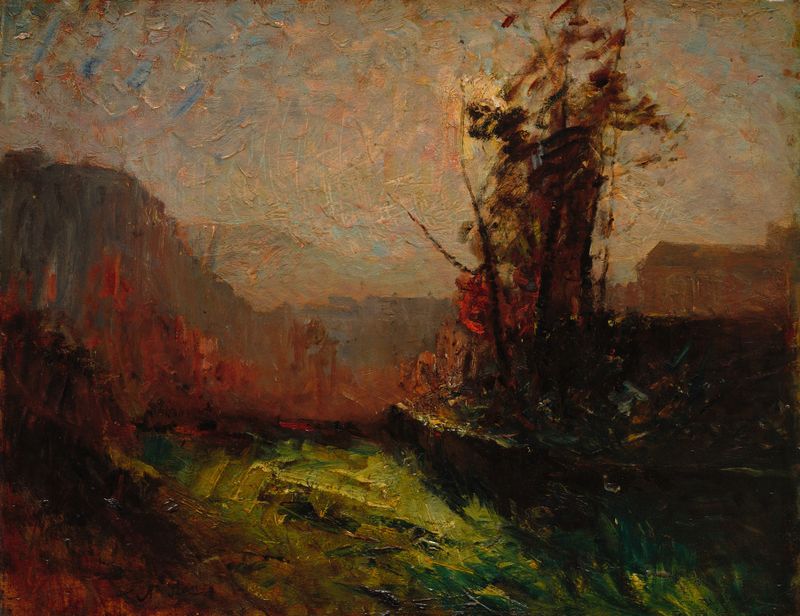
Crémieu, Seen from Chaillonnette
François-Auguste Ravier
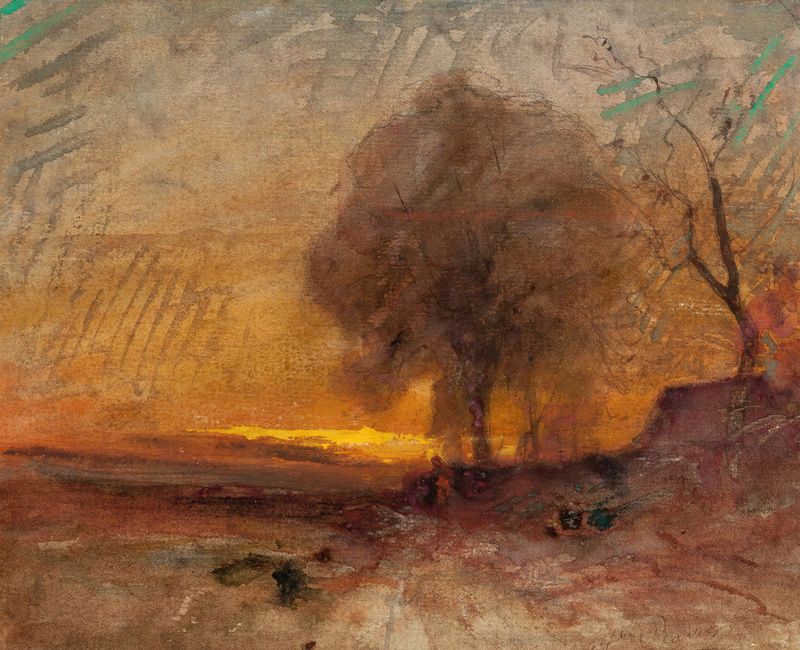
Landscape at Dusk
François-Auguste Ravier

Étude de paysage
François-Auguste Ravier
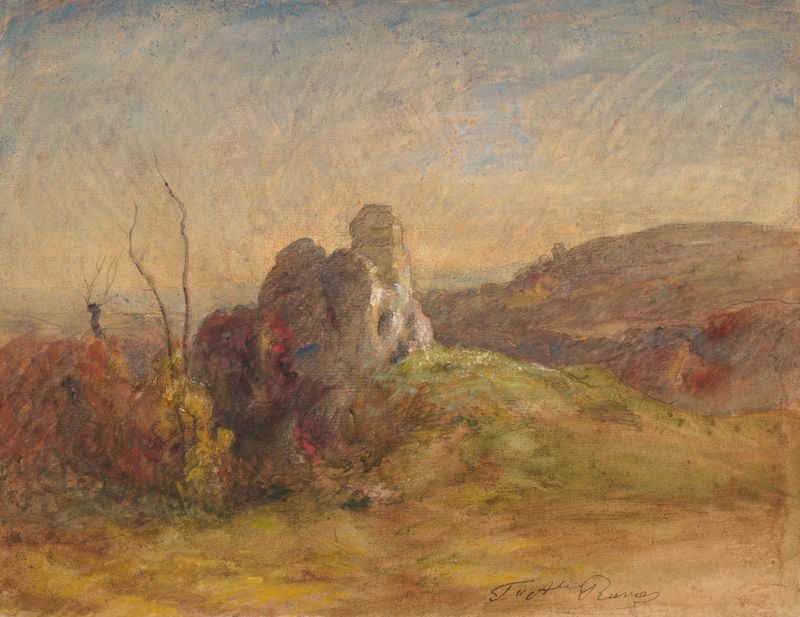
Landscape
François-Auguste Ravier
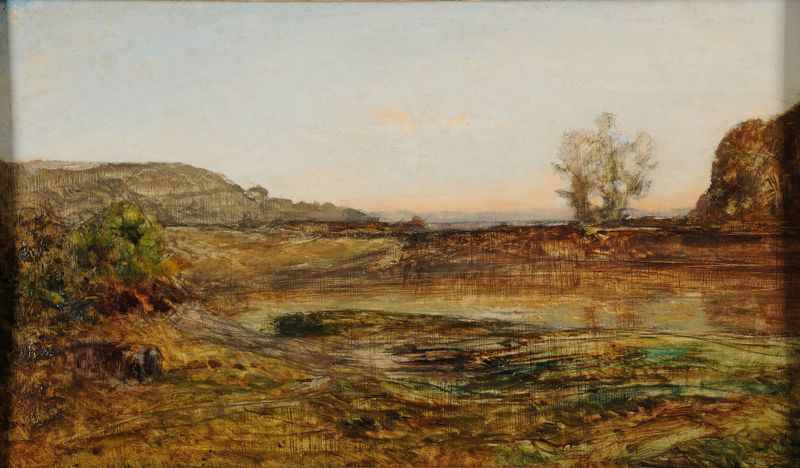
L’Étang d’Optevoz
François-Auguste Ravier
Étude de paysage
François-Auguste Ravier

Approaching Morestal
François-Auguste Ravier

Allée des Tilleuls à Crémieu
François-Auguste Ravier
Automne. L’arbre
François-Auguste Ravier

Sunset over a Pond
François-Auguste Ravier





