Vier geiten — History & Facts
Can beauty exist without sorrow? In Simon de Vlieger’s Vier geiten, the tension between the serene and the violent lingers in the air, inviting contemplation on the fragility of life. Look closely at the gentle curves of the goats’ bodies, their soft fur painted with delicate strokes that contrast sharply with the looming shadows in the background. The light casts a warm golden hue upon the animals, drawing your gaze to their tranquil expressions as they graze peacefully. This masterful use of color and light not only highlights the goats but also creates a sense of calm that belies the potential for chaos inherent in their surroundings. Yet, beneath this tranquil exterior lies an intricate web of emotional tension.
The goats, while serene, symbolize the vulnerability of innocence in a world where violence can arise unexpectedly. The subtle play of light and shadow evokes a sense of impending doom, as if these creatures are blissfully unaware of the dangers lurking just beyond the frame. Additionally, the choice of subject—a pastoral scene—contrasts sharply with the realities of life in the artist's era, where conflict and instability were ever-present. Painted between 1610 and 1653, this work emerged during a time of significant change in the Netherlands, as the country faced the tensions of the Eighty Years' War.
De Vlieger was part of the Dutch Golden Age, a period rich in artistic innovation, and his exploration of everyday subjects through a sensitive lens reflects both personal and societal complexities. In this gentle yet poignant painting, he captures the delicate balance of beauty and violence, inviting viewers to ponder their coexistence.
More Artworks by Simon de Vlieger
Browse all →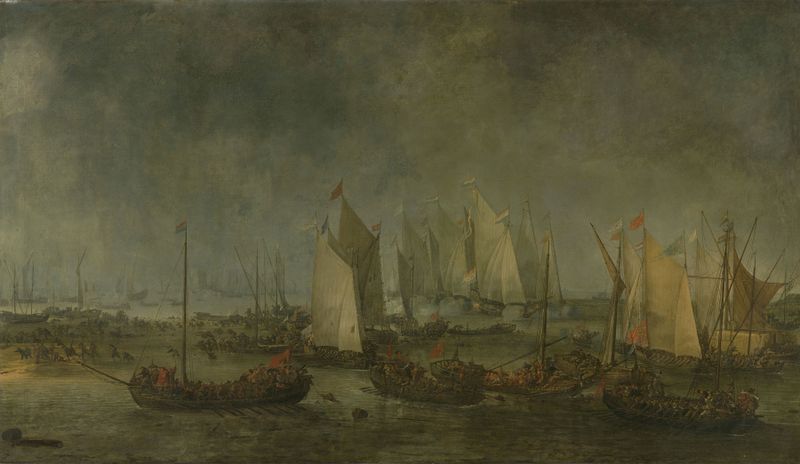
The Battle on the Slaak between the Dutch and Spanish Fleets during the Night of 12-13 September 1631
Simon de Vlieger

Stretch of coast by the Zuiderzee
Simon de Vlieger

Seaside in Scheveningen with fishing boats
Simon de Vlieger
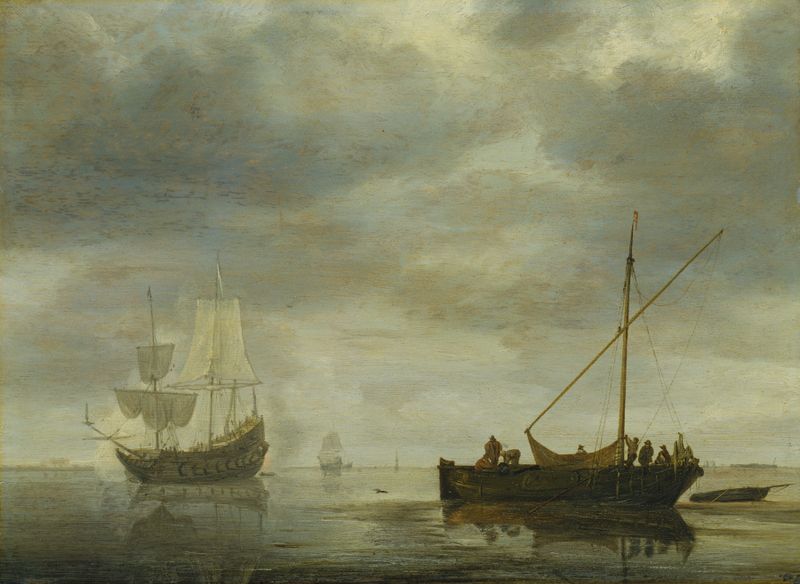
Single-Master and Frigate Firing Salute on a Calm Sea
Simon de Vlieger
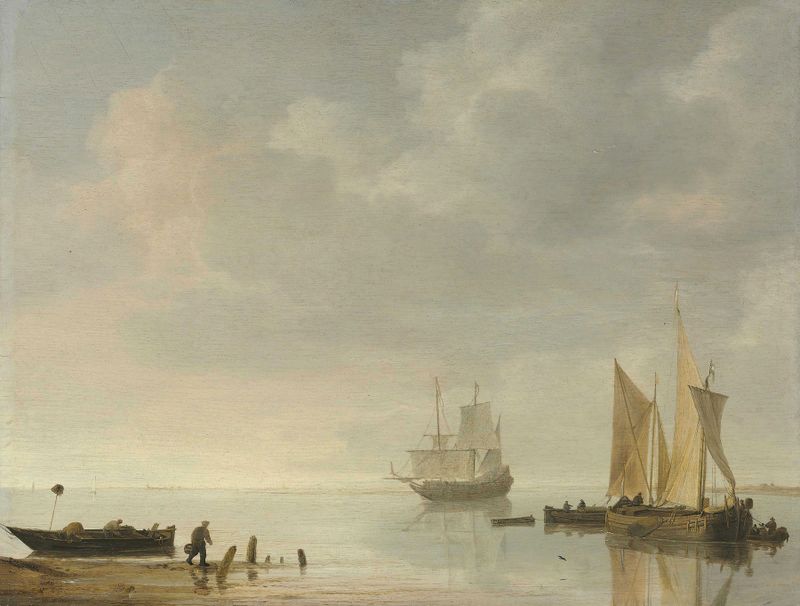
Coastal Scene With Ships Resting On Calm Waters
Simon de Vlieger

A calm estuary with a smalschip and a waterschip at anchor, with other ships in the distance
Simon de Vlieger
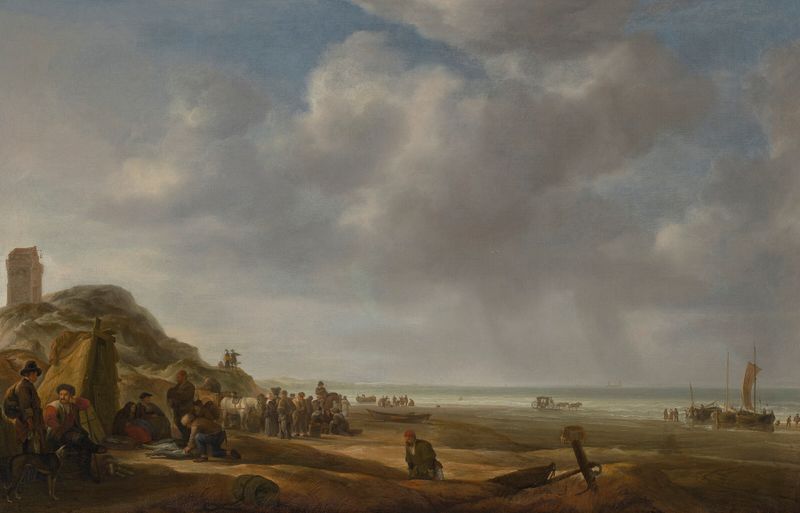
A beach scene with fishermen displaying their catch
Simon de Vlieger

Ship in Distress off a Rocky Coast
Simon de Vlieger
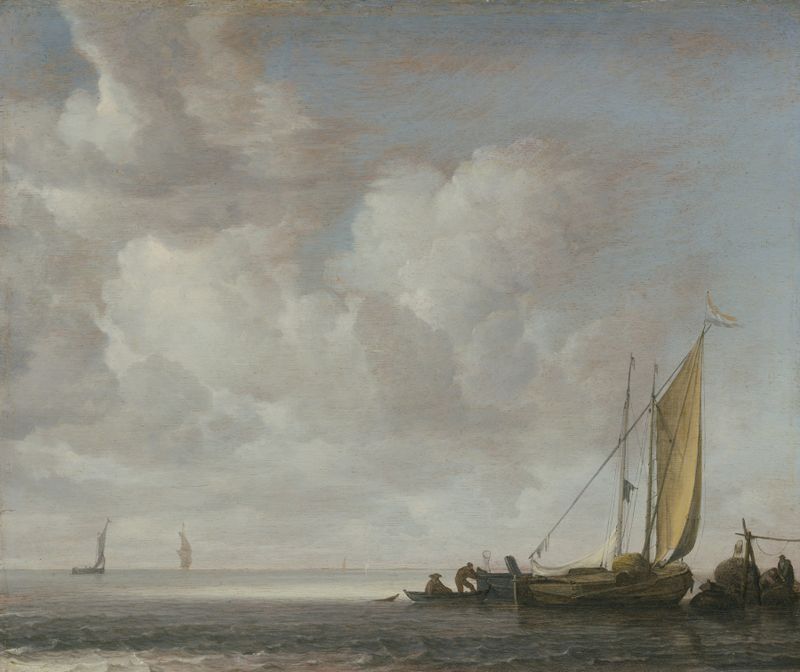
Calm Sea
Simon de Vlieger
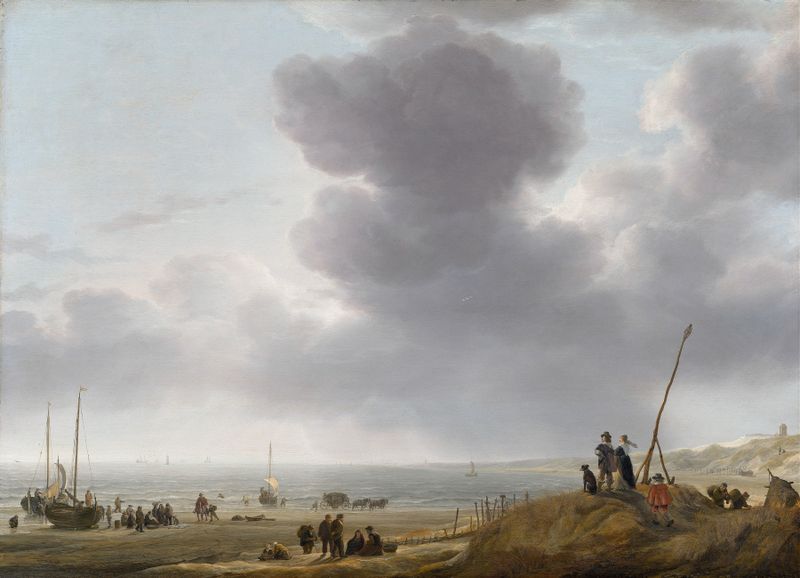
Beach View
Simon de Vlieger