Vier ploegende ossen — History & Facts
Can beauty exist without sorrow? In Vier ploegende ossen, the answer unfolds in a landscape tinged with a quiet madness, where the struggle for life is painted with vibrant despair. Look to the left at the majestic oxen, their powerful forms straining against the yoke. Notice how Dupont’s brush captures their taut muscles, gleaming under a brooding sky that hints at an impending storm. The earthy palette of browns and greens grounds the viewer, while the swirling clouds overhead create a sense of unease, as if nature itself is an unwilling witness to this labor.
Each stroke conveys not just strength, but also the weight of toil, embodying the profound connection between humanity and the land. Beneath the surface of this pastoral scene lies a poignant tension between beauty and burden. The diligent oxen symbolize both the nobility of labor and the madness of incessant work; their weary expressions speak to a deeper existential struggle. The looming cloud cover casts shadows that dance over the earth, suggesting an inescapable cycle of hope and despair.
In this world, the beauty of the scene is inseparable from the labor that sustains it, an eternal reminder of the thin line between creation and oppression. Pieter Dupont painted this work between 1901 and 1902 during a time of significant societal change in the Netherlands. As the industrial revolution progressed, traditional agrarian life was increasingly threatened, influencing his portrayal of rural subjects. Capturing the tension of a changing world, Dupont’s work reflects both his admiration for the land and a growing concern for the souls bound to it.
More Artworks by Pieter Dupont
Browse all →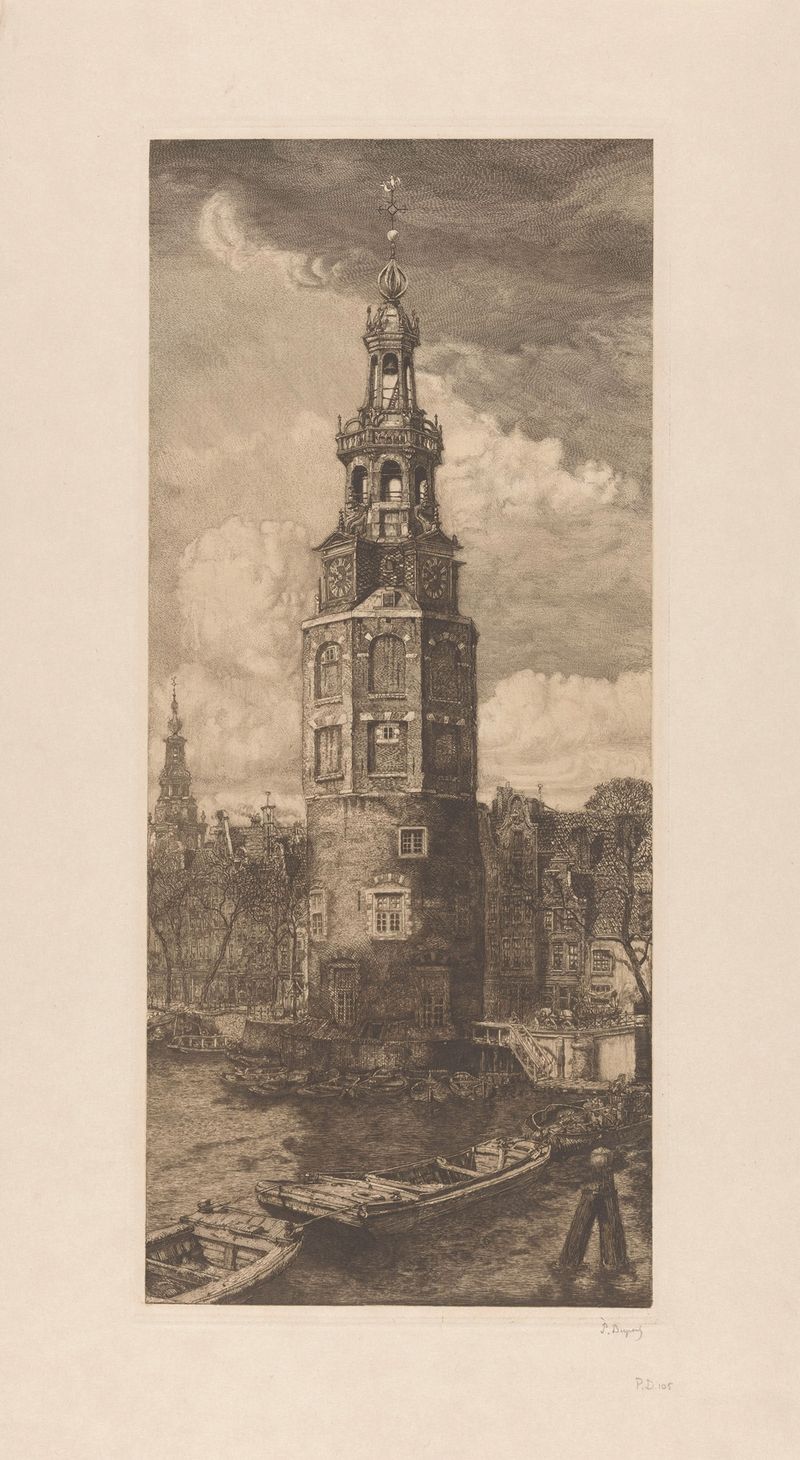
Montelbaanstoren aan de Oudeschans in Amsterdam
Pieter Dupont
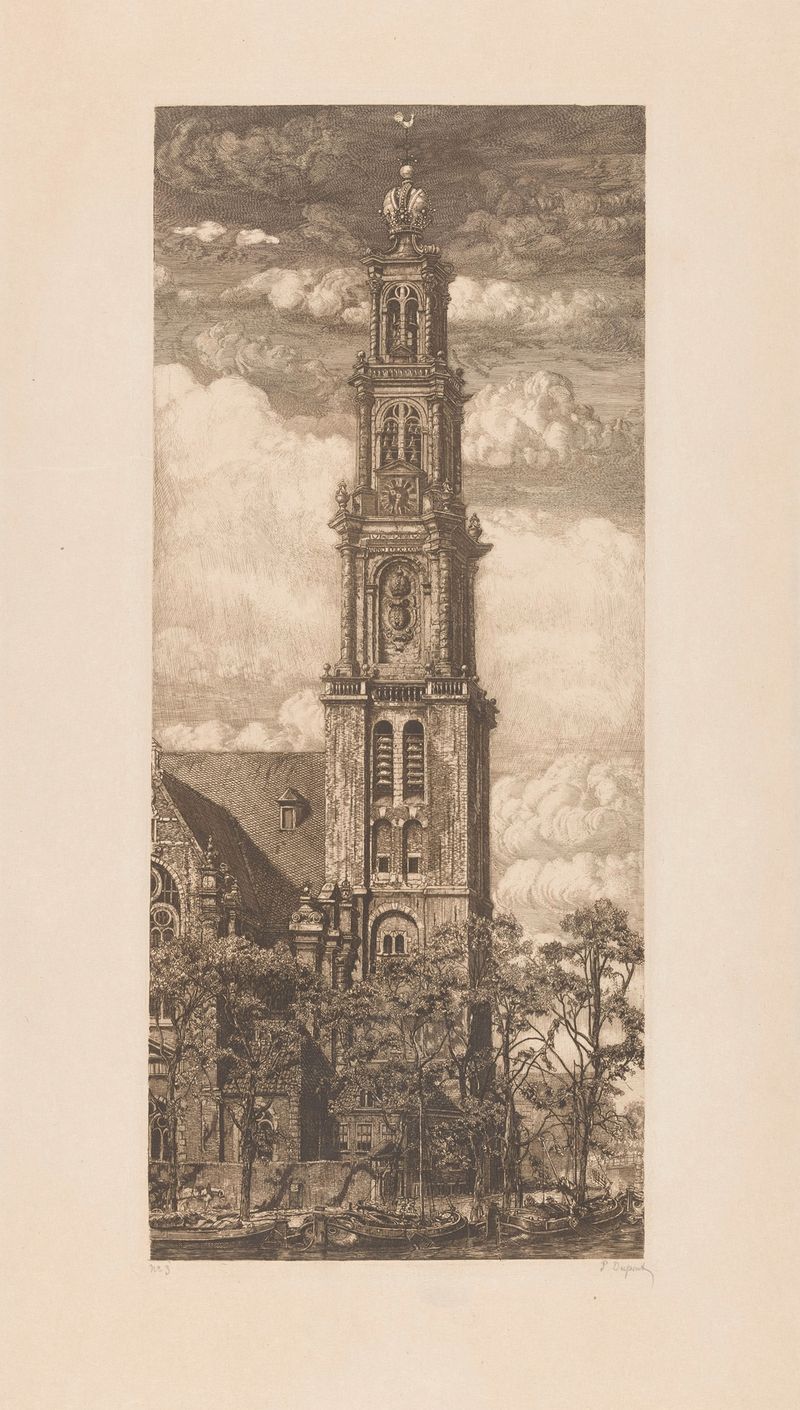
Westertoren in Amsterdam
Pieter Dupont
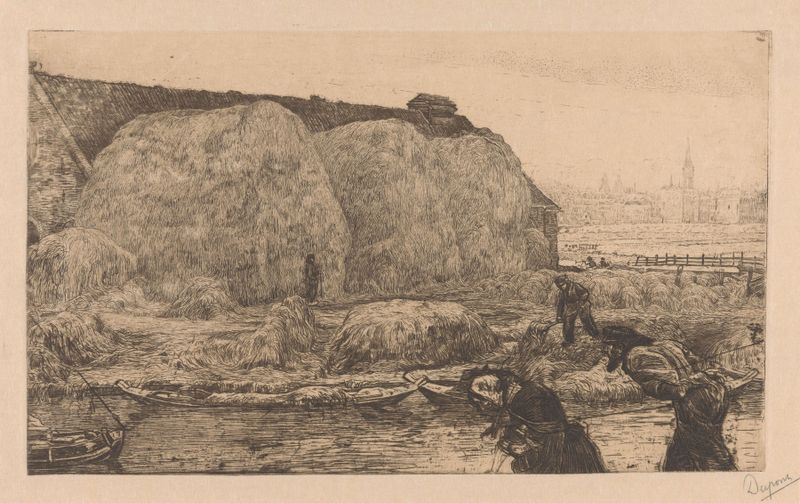
Boerderij met hooischelven aan het Jaagpad in Amsterdam
Pieter Dupont
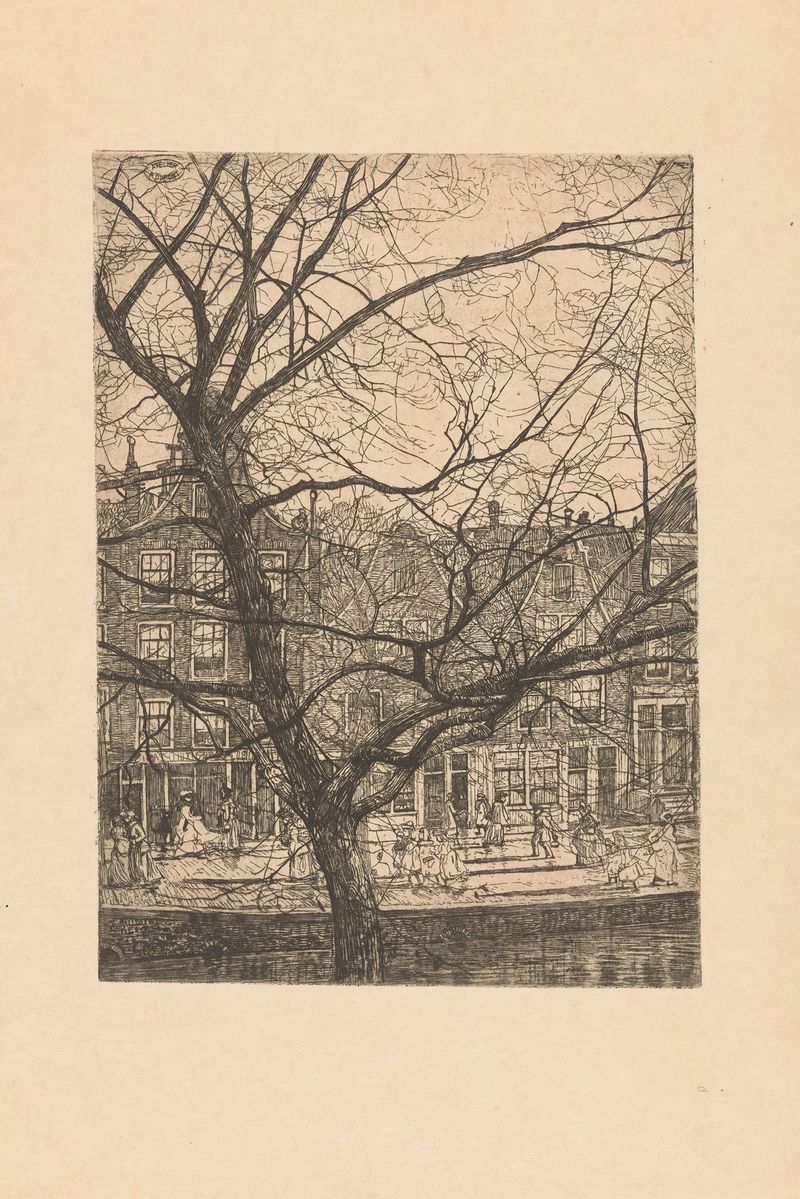
Grachtenhuizen met halsgevels in Amsterdam
Pieter Dupont
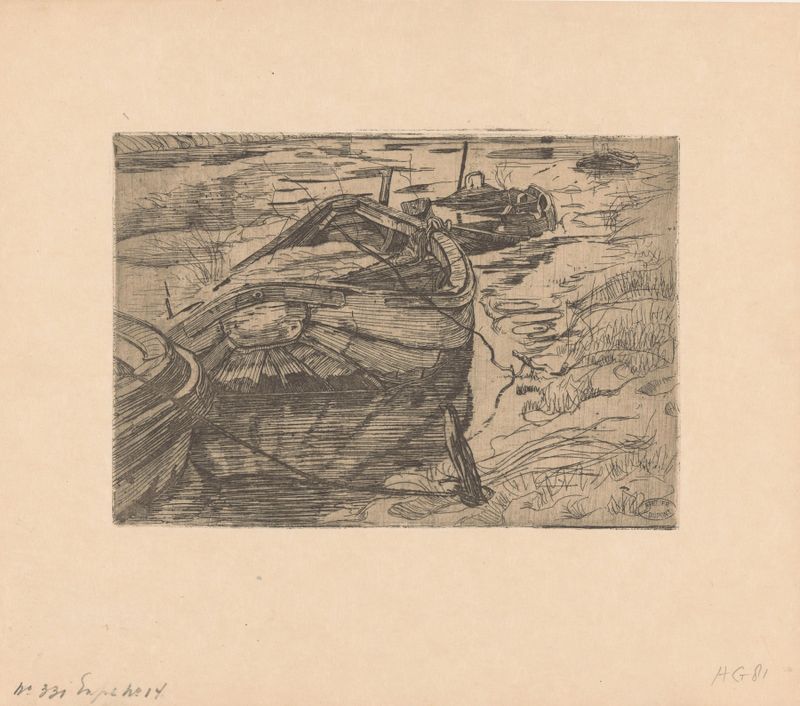
Afgemeerde roeiboten in een sloot
Pieter Dupont
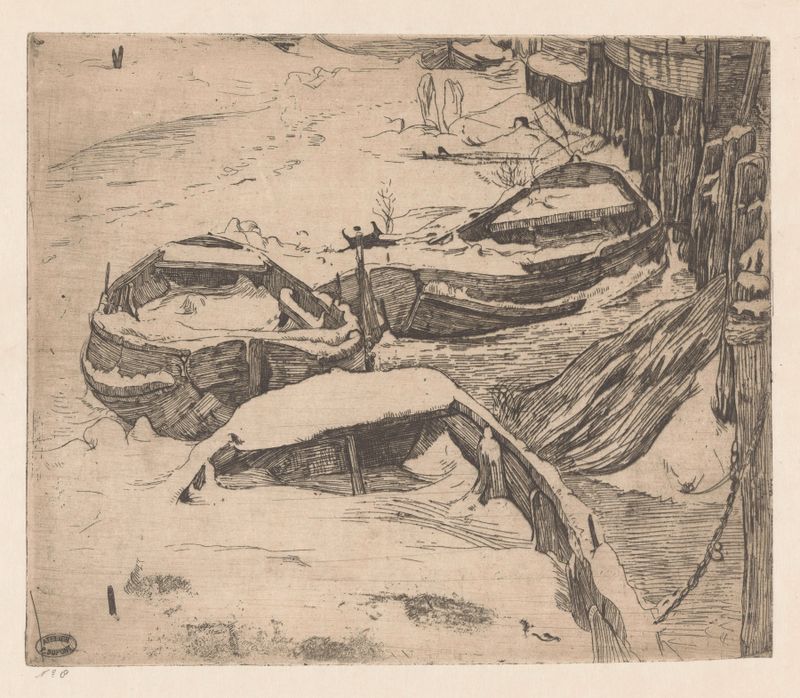
Drie besneeuwde roeiboten bij een wal
Pieter Dupont
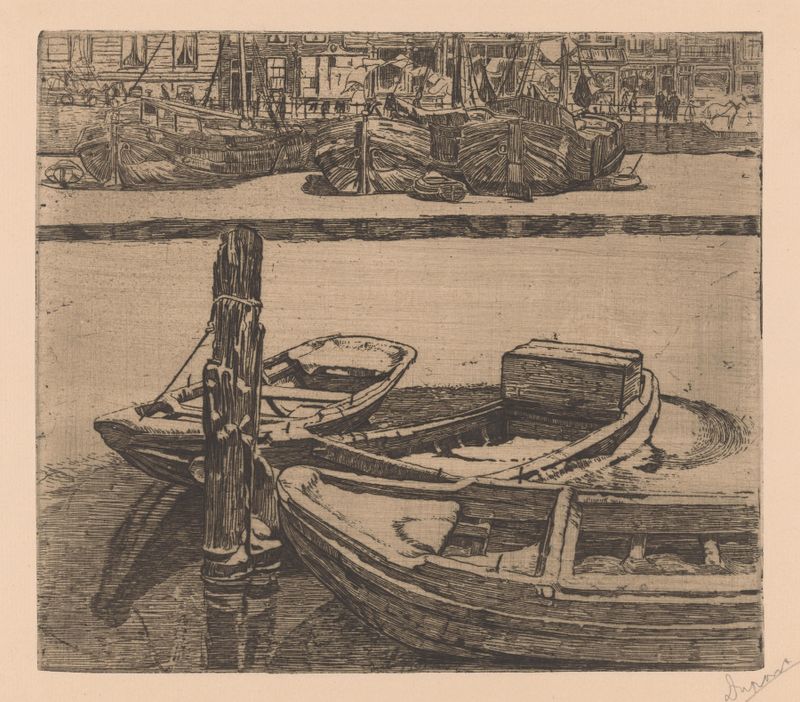
Schepen in het Damrak in Amsterdam
Pieter Dupont
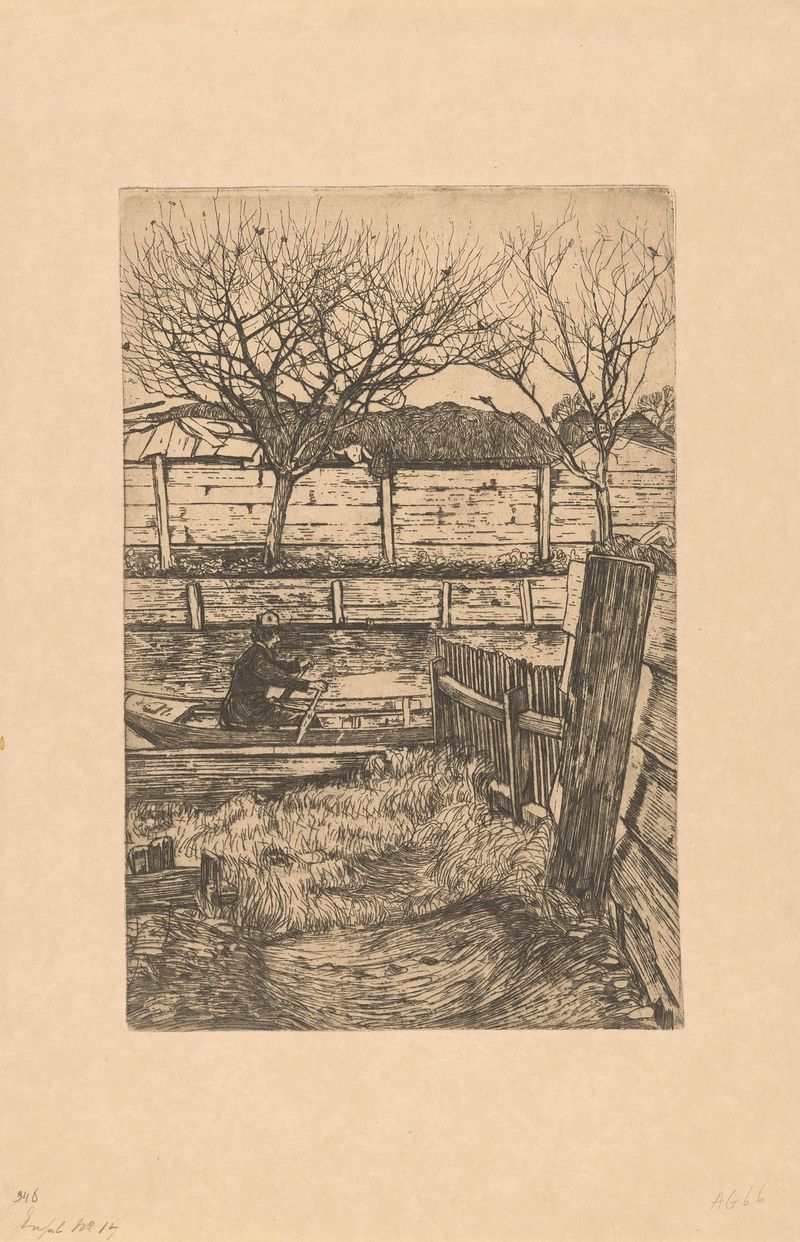
Man in een roeiboot, waarschijnlijk bij de Slatuinen in Amsterdam
Pieter Dupont
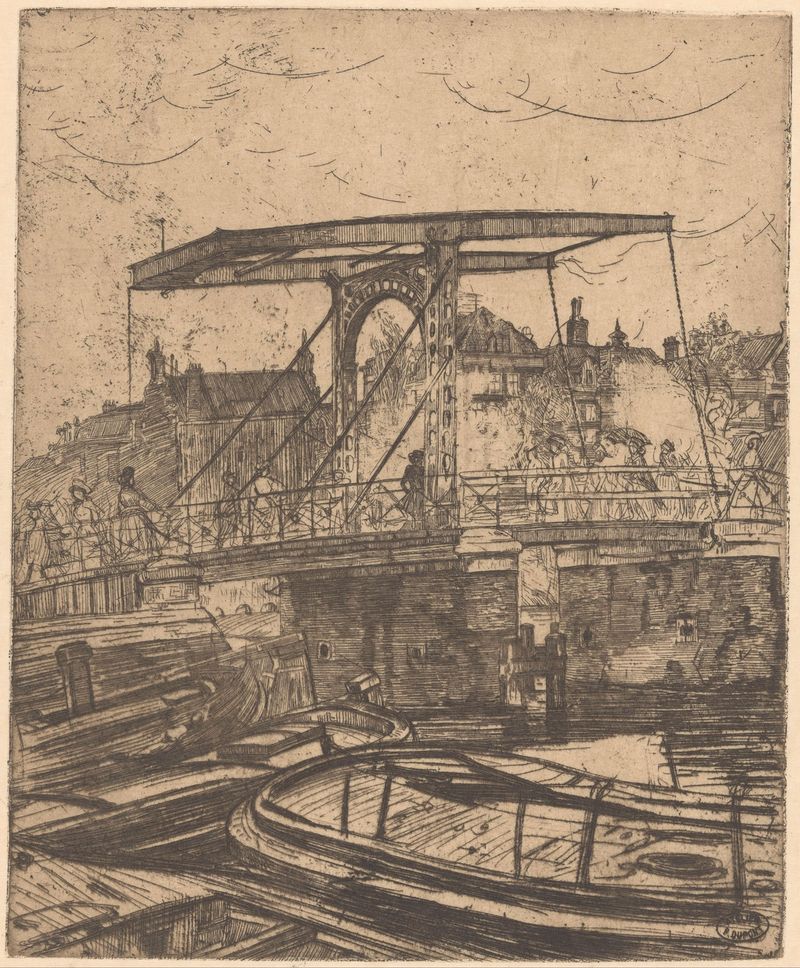
Magere Brug in Amsterdam
Pieter Dupont
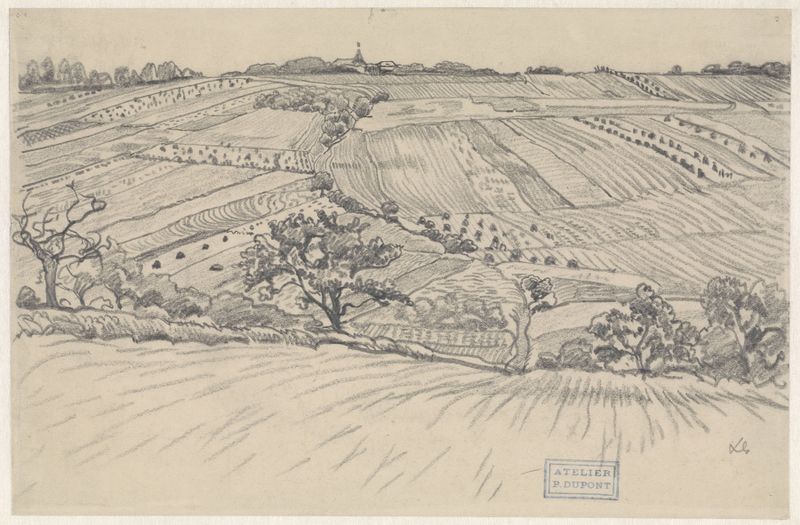
Heuvelachtig landschap met korenvelden
Pieter Dupont