View from Klein Zicker, Thiessow, Germany — History & Facts
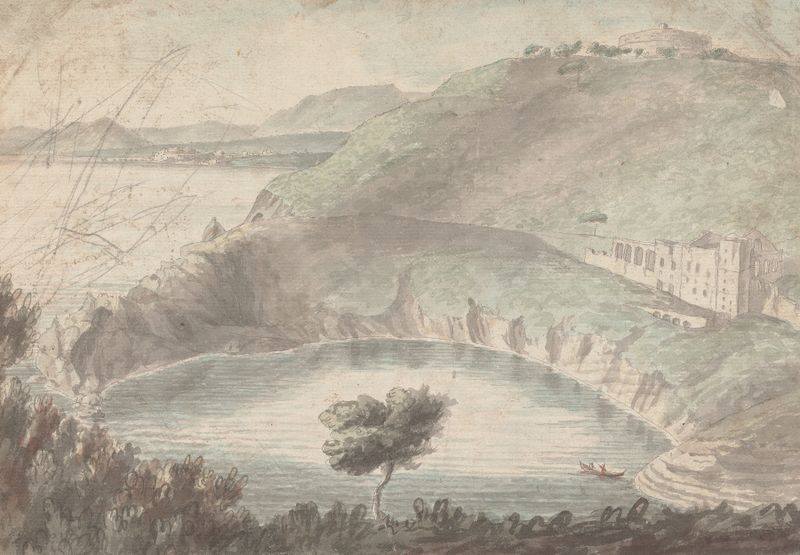
In the stillness of the moment, reflections mirror the depths of emotion and place, each brushstroke a heartbeat of the artist's experience. Focus first on the tranquil waters at the center, where the sky melts into the sea, an embrace of blues and greens that beckons the viewer. Notice how the gentle ripples disturb the surface, creating a delicate dance of light that suggests an ethereal connection between earth and sky. The soft brushwork captures the fleeting essence of a fleeting day, while the muted palette evokes a sense of serenity, inviting contemplation. Beneath the calm exterior lies a tension between nature and humanity.
The distant shoreline, though inviting, feels unattainable, hinting at isolation and longing. Small details, like the subtle clouds gathering overhead, symbolize life's unpredictability, challenging the viewer to consider what lies beyond the horizon. Every reflection in the water holds a story, a reminder of what we seek and what remains just out of reach. Henry Swinburne painted this scene in an era when romanticism was giving way to a new appreciation for the natural world.
Working in 19th-century Germany, he was influenced by a growing fascination with landscape painting, which sought to capture not just the physical beauty of a location but the emotional resonance it could elicit. This work embodies that struggle, encapsulating a moment where art becomes a bridge into the complexities of human experience.