Landschap bij Vietri — History & Facts
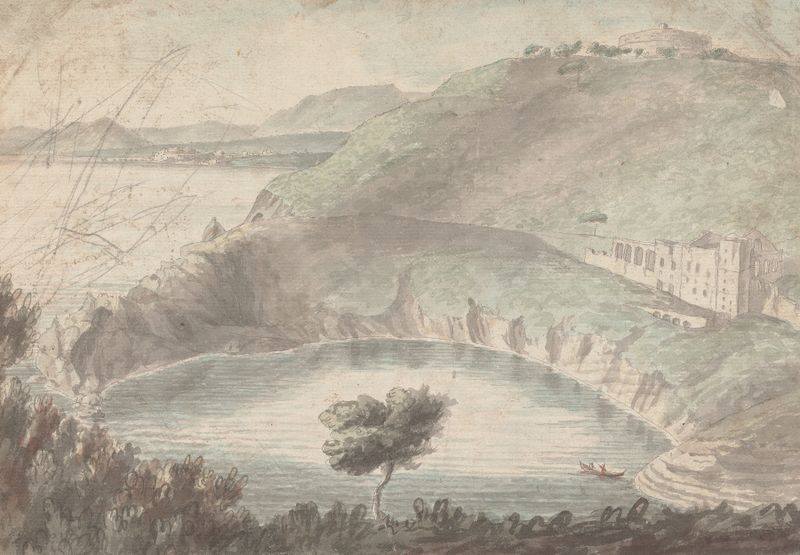
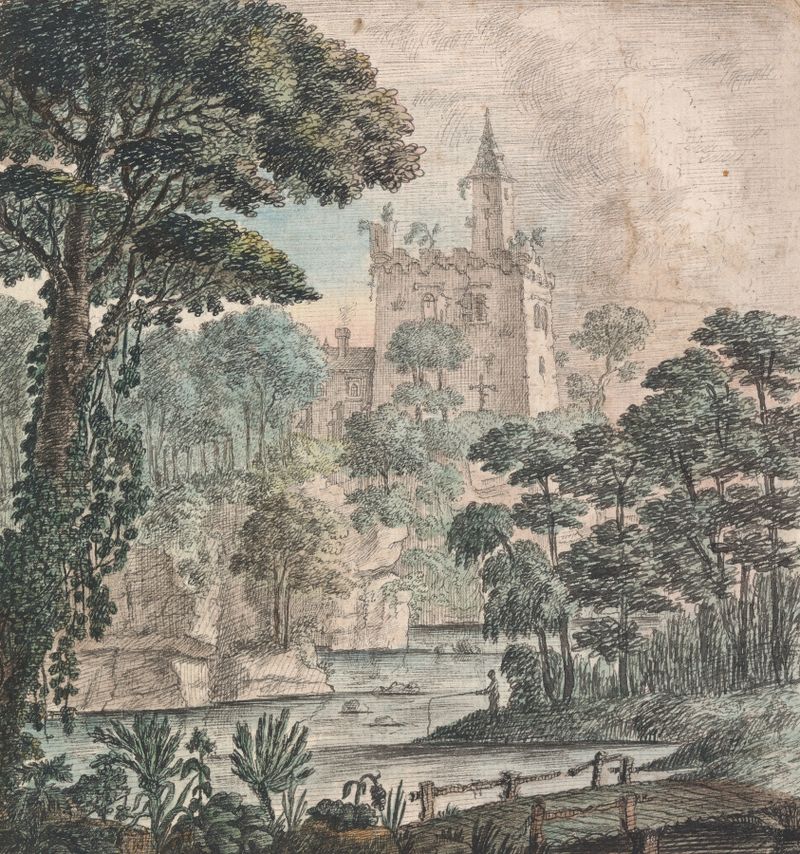
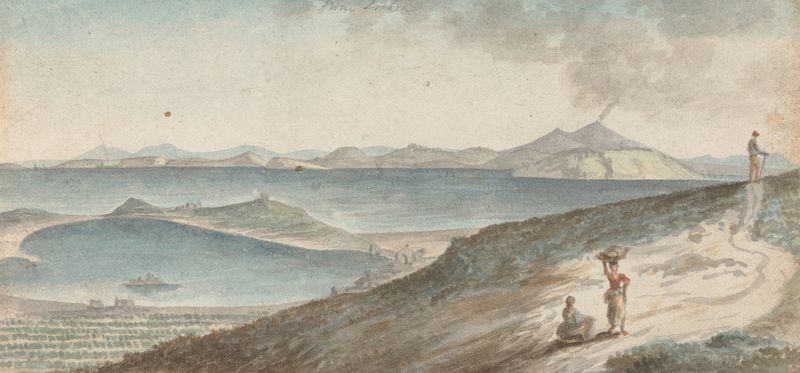
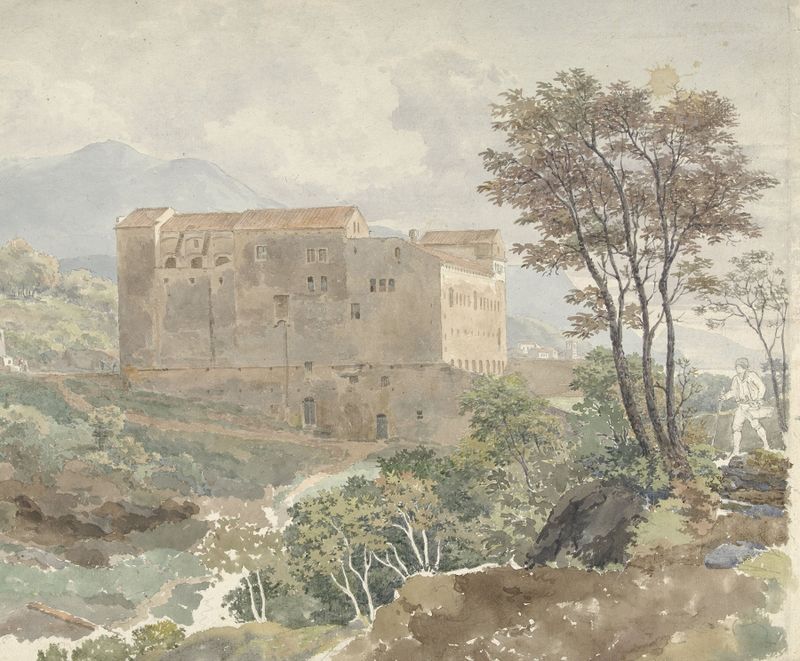
Where does light end, and longing begin? In Landschap bij Vietri, an interplay of hope and serenity unfolds, inviting reflection on the boundaries of our desires and the landscapes that shape them. Look to the left at the gentle curves of the hills that embrace the horizon, where the sun dips low, casting a golden hue that dances across the canvas. Notice how the vibrant greens of the vegetation contrast with the tranquil blues of the sky, creating a harmonious balance that draws the eye into the distance. The delicate brushwork captures the essence of nature’s tranquility, and the faint touches of white suggest the fleeting nature of clouds, evoking both beauty and transience. The emotional tension in this work lies in the juxtaposition of light and shadow—moments of brightness that speak to hope, shadowed by the uncertainty of what lies beyond the hills.
The lone figure in the foreground, seemingly gazing out towards an unseen destination, embodies a universal quest for enlightenment and fulfillment, while the vast landscape whispers of possibilities yet unrealized. Each element, from the tranquil waters of the bay to the soft outlines of distant mountains, amplifies the sense of yearning that pervades the scene. Henry Swinburne painted Landschap bij Vietri between 1753 and 1803, during a period when European romanticism was beginning to flourish. Working in Italy, he was influenced by the natural beauty surrounding him as well as the shifting currents in the art world that favored emotional expression and the sublime in nature.
The piece reflects not only his personal connection to the landscape but also the broader artistic movement that sought to capture the complexities of the human experience through nature’s lens.