Landschap bij Vietri — History & Facts
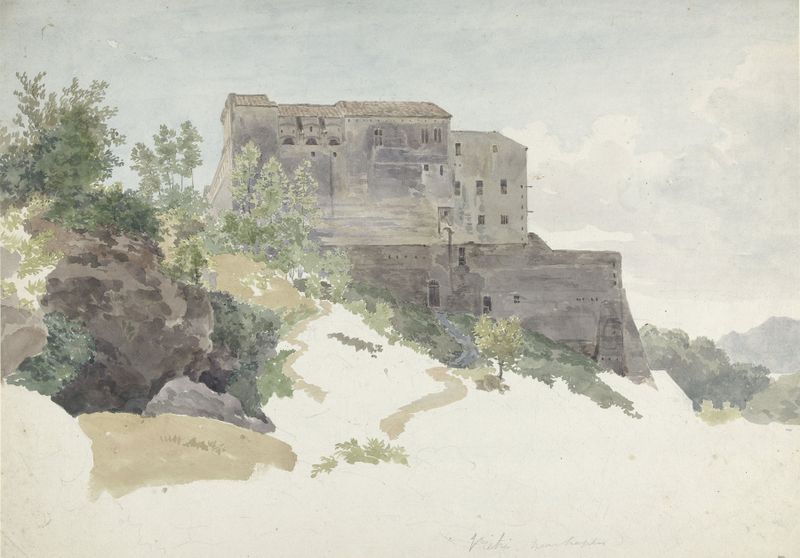
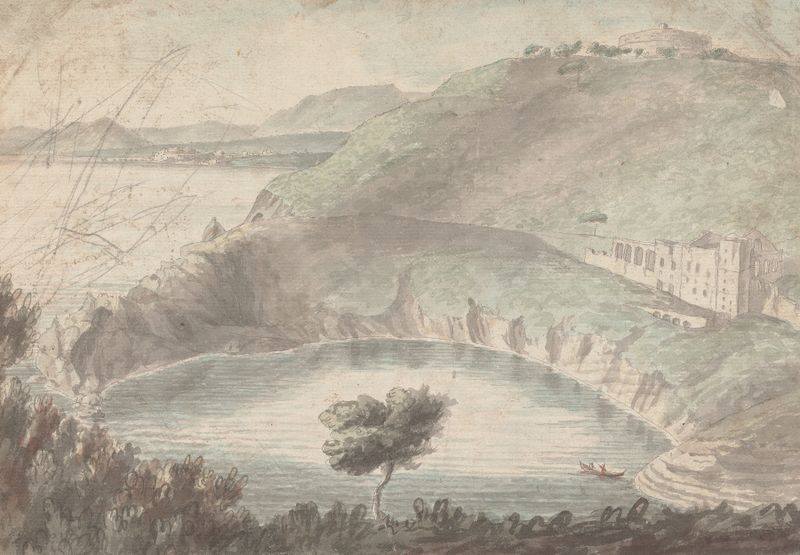
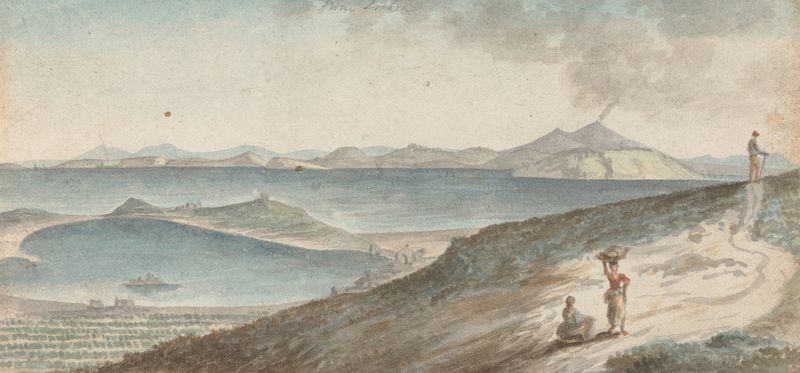
In Landschap bij Vietri, light unravels into a serene tapestry of color and emotion, capturing fleeting moments of nature's embrace. Look to the foreground, where gentle waves lap against the shore, glistening under the bright Italian sun. Notice how the light spills across the canvas, illuminating the lush greenery that crowns the hills in the distance. The artist employs a delicate palette of greens and soft blues, guiding the viewer's eye through the tranquil landscape, creating a sense of depth and movement in a seemingly still scene.
The interplay of light and shadow renders a vibrant yet harmonious ambiance, inviting introspection. Beneath the surface lies a narrative of contrast—between the calmness of the water and the distant mountains that loom, perhaps suggesting the tension between nature's beauty and its formidable power. The delicate brushstrokes evoke a rhythm, echoing a heartbeat, while the interplay of light signifies the passage of time, reminding us of moments cherished yet ephemeral. Each detail, from the glimmering water to the tranquil sky, resonates with an emotional weight that beckons the viewer to pause and reflect. During the late 18th century, when this piece was created, Henry Swinburne was immersed in the artistic currents of England and Italy, drawn to the picturesque landscapes that mirrored the Romantic ideals of the time.
This period was marked by a growing fascination with nature, as artists sought to articulate their feelings through the beauty of the world around them. Swinburne's work not only captures the essence of this era but also encapsulates his own journey as he navigated a path shaped by light and landscape.