
View from St. Michel Bridge — History & Facts
In the hush of a Paris evening, the skyline shimmers with a haunting beauty, cloaked in shadows that hold secrets. Underneath the tranquil façade, the weight of historical upheaval looms, whispering the violence that once coursed through the streets. Look to the left, where the gentle curve of the Seine reflects the dusky sky, illuminated by a soft, fading light. Notice the delicate strokes that define the architecture, each building a silent witness to the unfolding drama of life.
The palette, a symphony of muted blues and soft grays, lends an air of melancholy, while the subtle brushwork captures the ethereal quality of twilight, drawing the viewer into this serene yet charged moment. Beneath the surface, there exists a tension between tranquility and turmoil. The calm waters mirror a city that has endured revolutions and upheavals, evoking the contrast of peaceful beauty against a backdrop of societal violence. The figures moving along the bridge, so small against the grandeur of Paris, suggest a collective yearning for stability, yet their hurried pace hints at the unease lingering in the air.
Each element speaks to a deeper story of resilience amid chaos. In 1865, the artist painted this scene during a period of significant social change in France. The aftermath of the 1848 revolution was still palpable, shaping the cultural landscape and influencing artistic expression. Lalanne, having already established himself in Paris, sought to capture the city's essence, framing a moment where beauty and history collide, reflecting both the peace of the present and the turbulence of the past.
More Artworks by Maxime Lalanne
Browse all →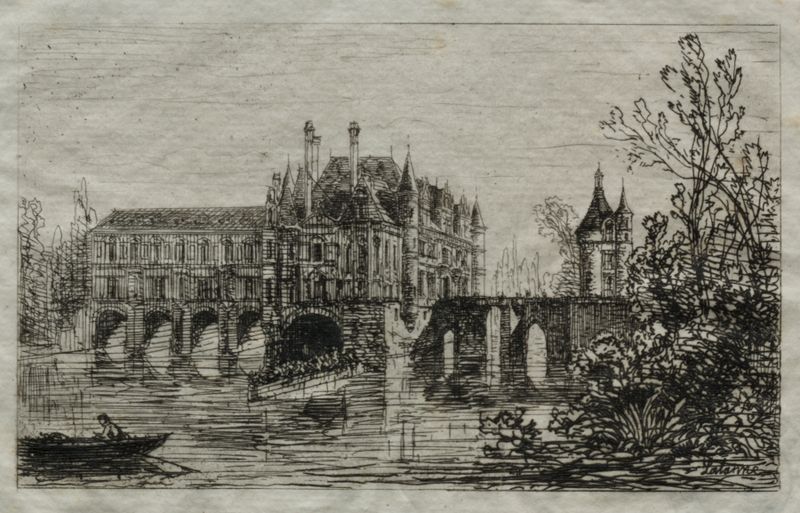
Château de Chenonceau
Maxime Lalanne
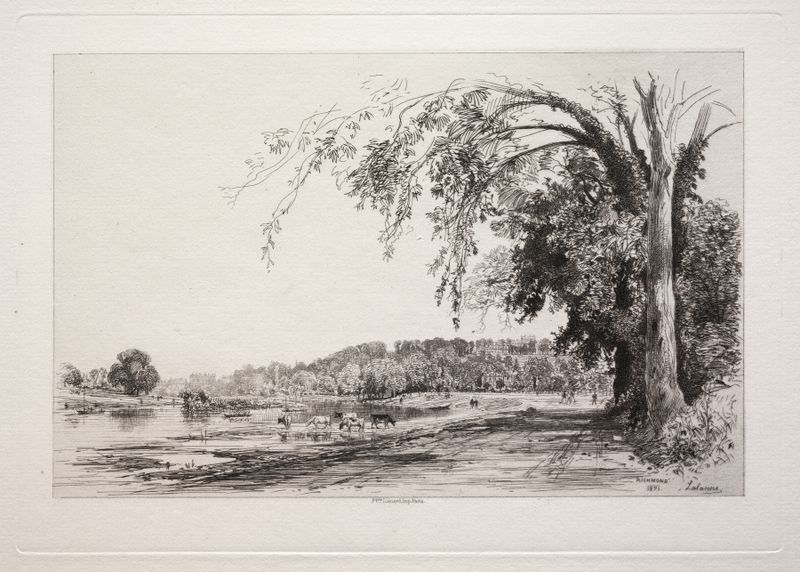
Richmond
Maxime Lalanne
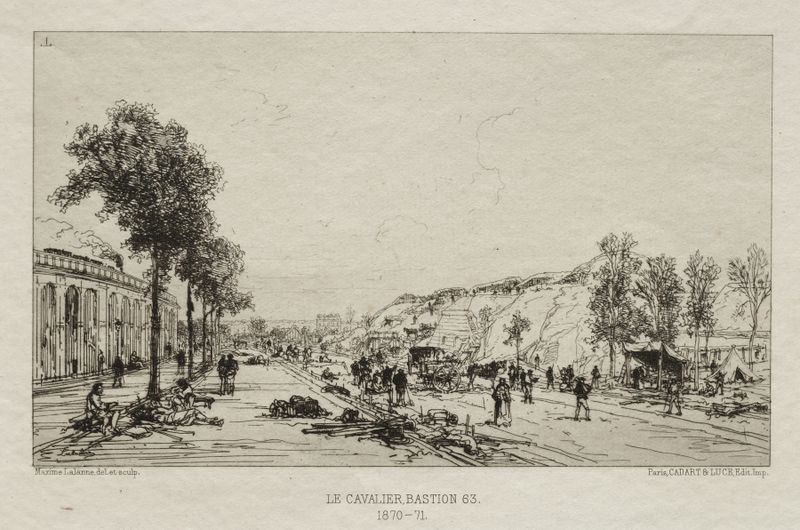
Souvenirs artistiques du Siège de Paris; Le Cavalie (Bastion 63)
Maxime Lalanne
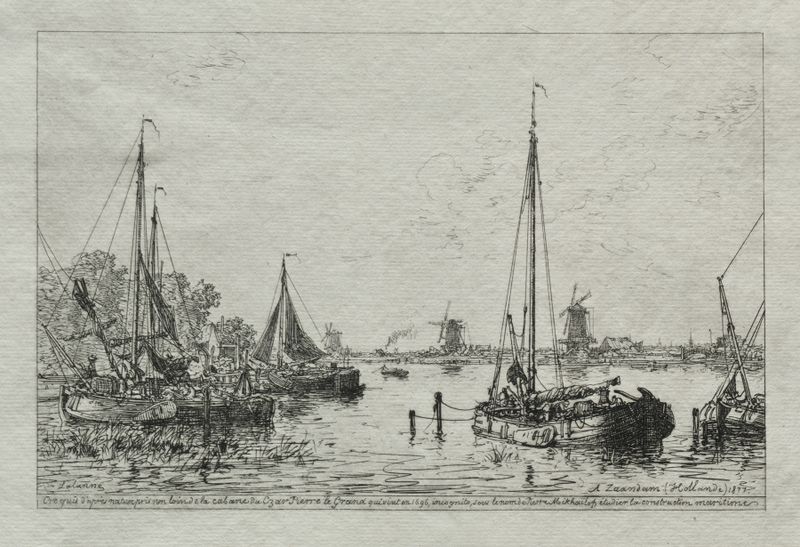
Sketch from Nature
Maxime Lalanne
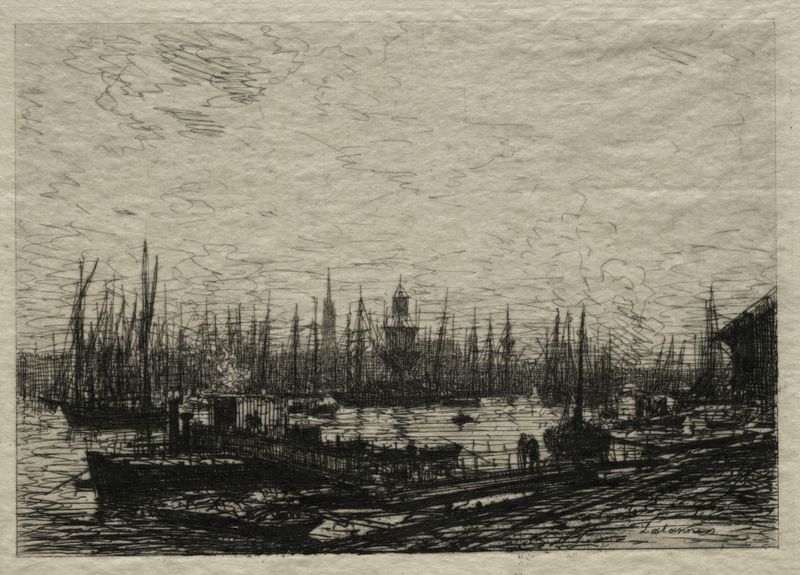
In the Bordeaux Harbor
Maxime Lalanne
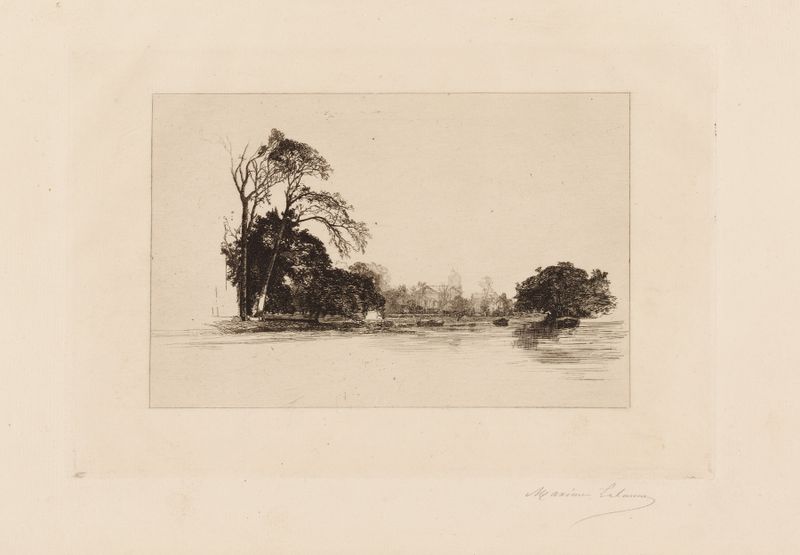
Bank of the Thames
Maxime Lalanne
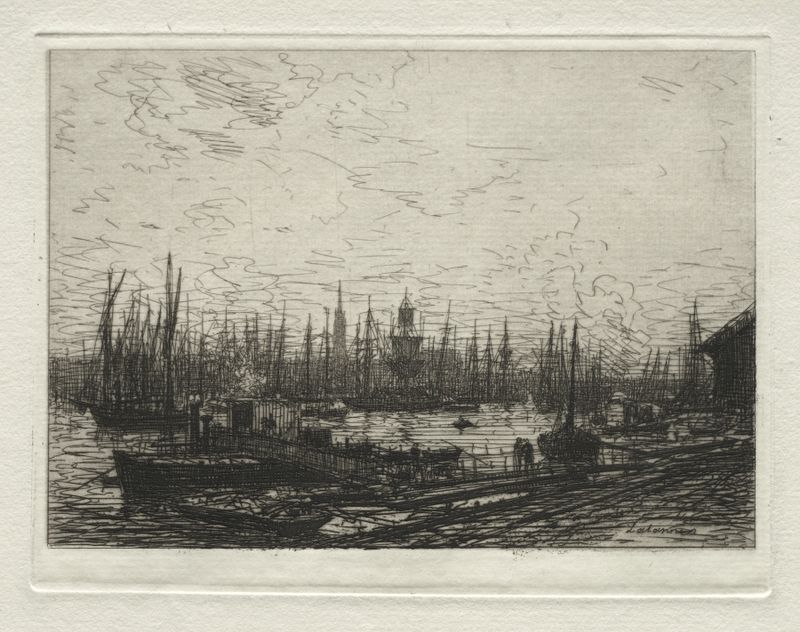
Port of Bordeaux
Maxime Lalanne
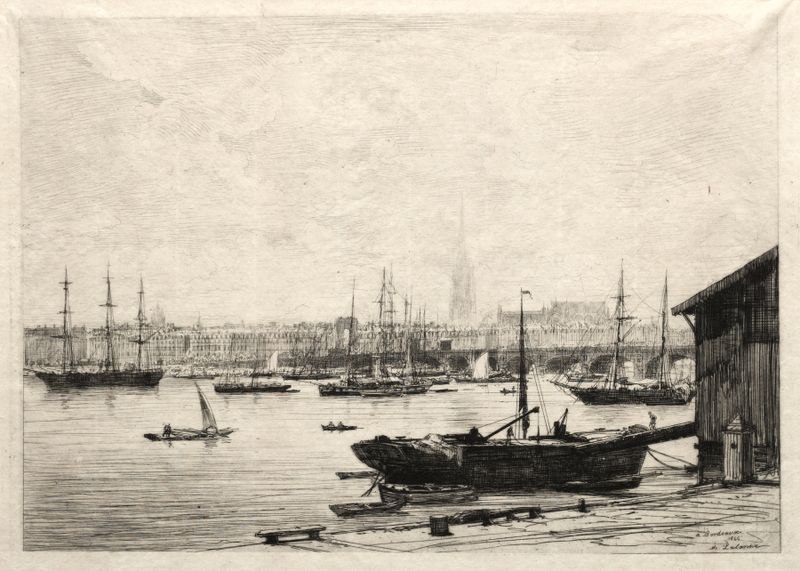
Bordeaux
Maxime Lalanne
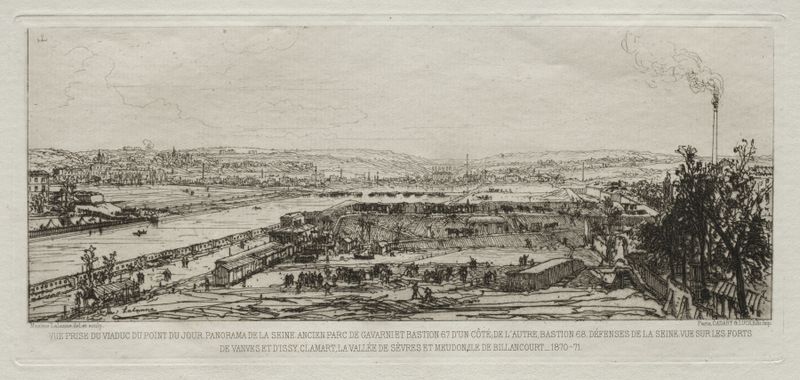
View from the Viaduct at the Pont-du-Jour, Panorama de la Seine
Maxime Lalanne
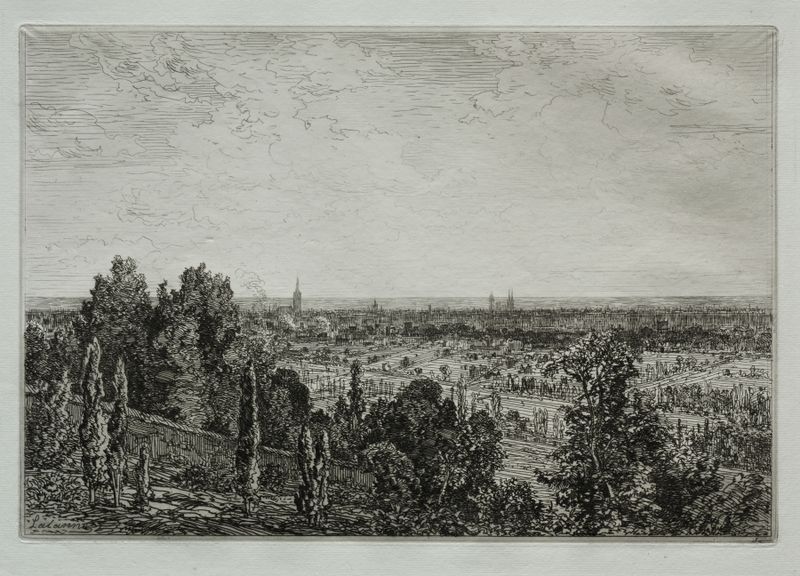
Bordeaux, View from the Coast of Cénon
Maxime Lalanne





