
View from the Louvre — History & Facts
What if silence could speak through light? In Maxime Lalanne's View from the Louvre, the stillness of the moment invites us to listen to the whispers of history and movement captured in time. Look closely at the foreground, where the soft brushstrokes create a gentle dance between the trees and the architecture of the Louvre. Notice how the light filters through the leaves, casting a mosaic of shadows that suggests a breeze, evoking a sense of life amidst the stillness. The delicate interplay of muted greens and grays harmonizes the scene, guiding your eye towards the iconic structure in the background, which stands regal against the backdrop of a serene sky. Beneath the surface, there lies a profound contrast between the bustling world outside the Louvre and the tranquility within its frame.
The vibrant hues of nature hint at the inevitable passage of time, while the steadfastness of the architecture symbolizes the enduring essence of culture and art. This tension between movement and stillness raises questions about our relationship with both nature and civilization, inviting a reflection on the balance of life. Lalanne painted View from the Louvre in 1882 during a period of artistic exploration in France. At this time, he was deeply influenced by the Impressionist movement, which was redefining the boundaries of landscape painting.
The world around him was undergoing transformation, yet he chose to encapsulate a moment of serene beauty, bridging the gap between tradition and modernity in a rapidly changing society.
More Artworks by Maxime Lalanne
Browse all →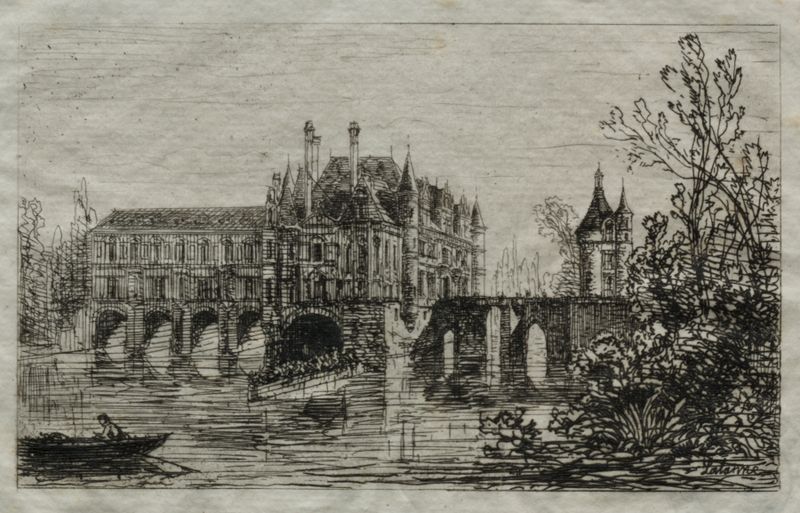
Château de Chenonceau
Maxime Lalanne
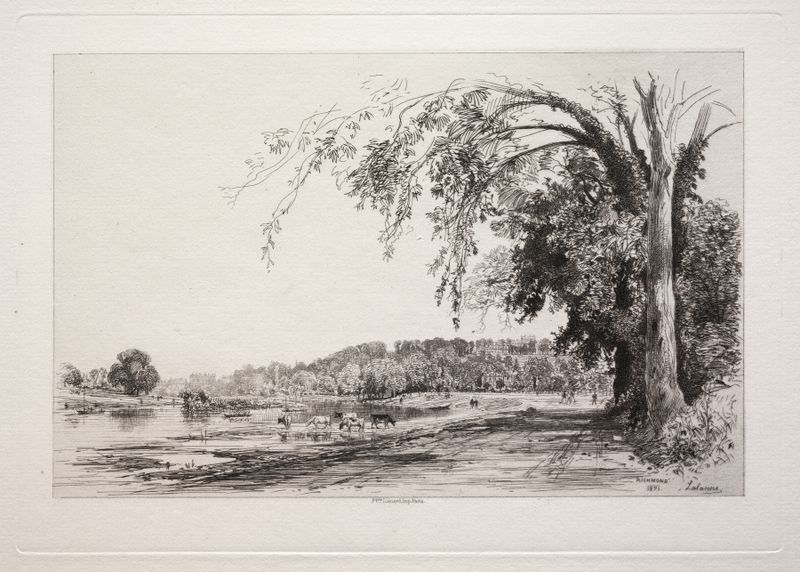
Richmond
Maxime Lalanne
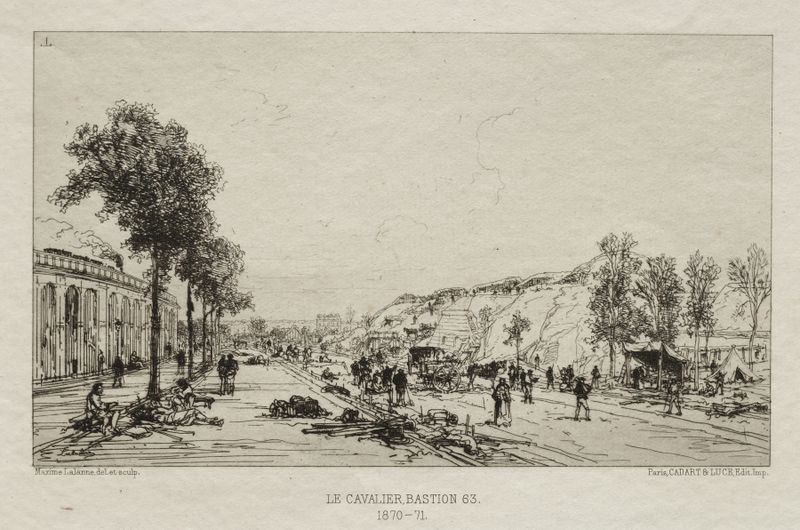
Souvenirs artistiques du Siège de Paris; Le Cavalie (Bastion 63)
Maxime Lalanne
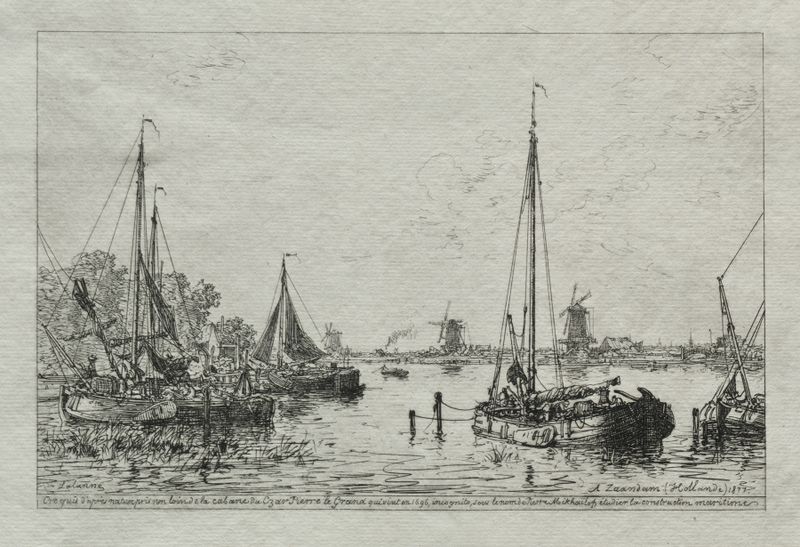
Sketch from Nature
Maxime Lalanne
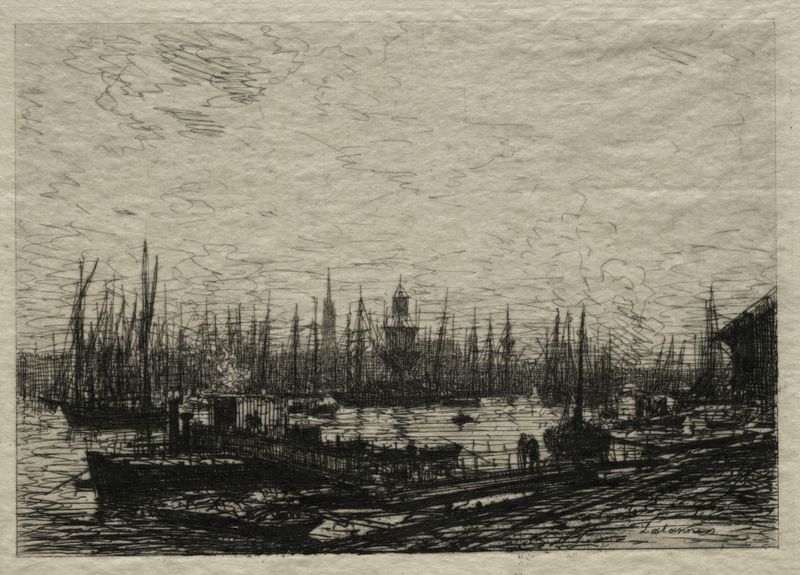
In the Bordeaux Harbor
Maxime Lalanne
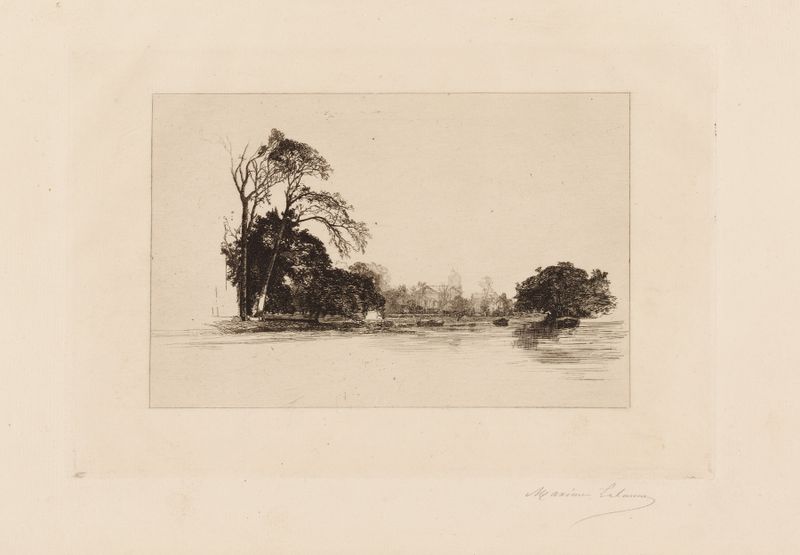
Bank of the Thames
Maxime Lalanne
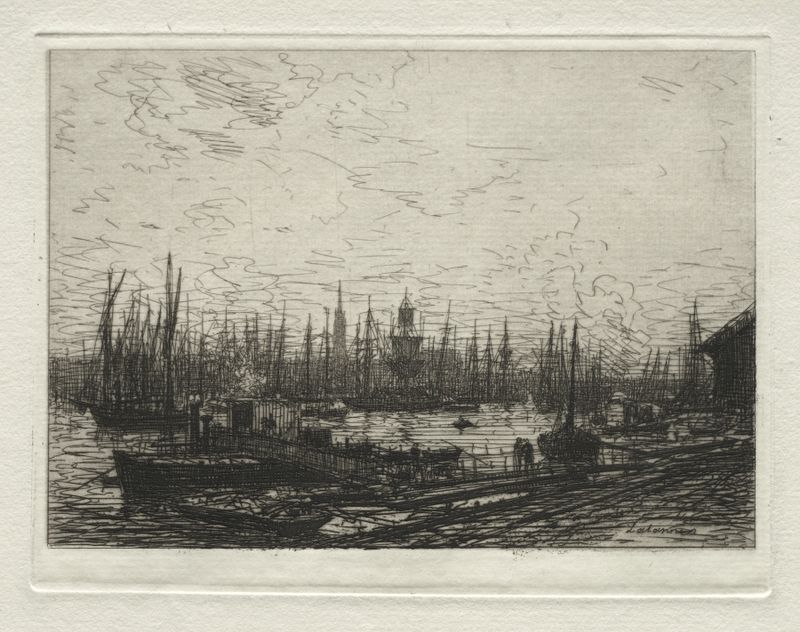
Port of Bordeaux
Maxime Lalanne
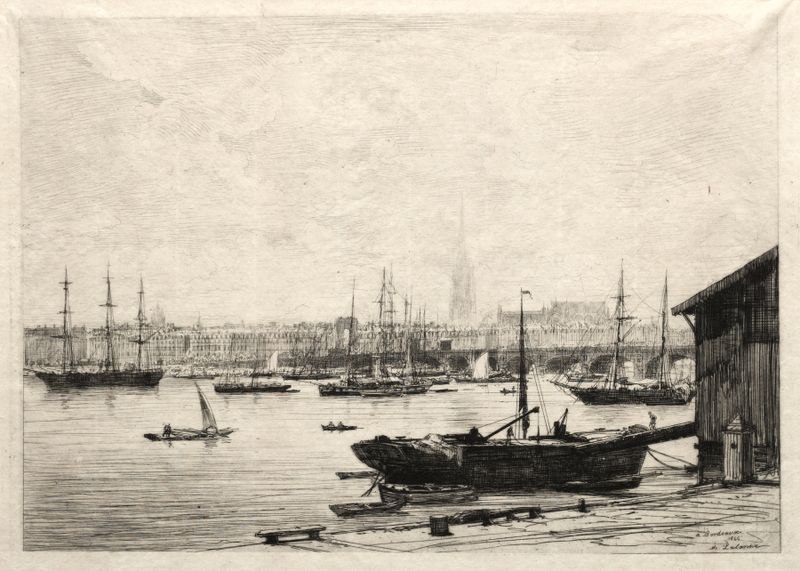
Bordeaux
Maxime Lalanne
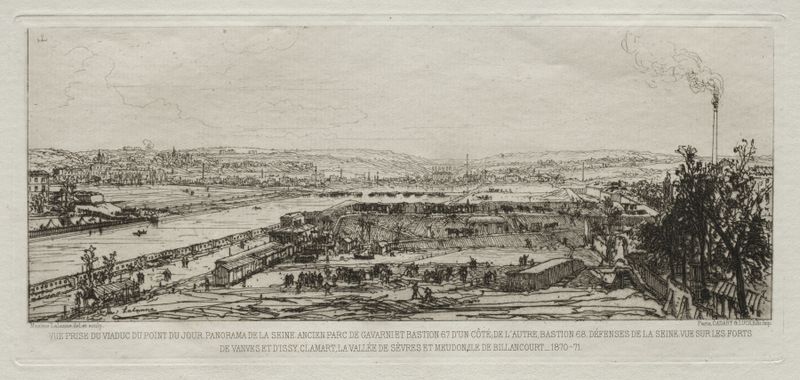
View from the Viaduct at the Pont-du-Jour, Panorama de la Seine
Maxime Lalanne
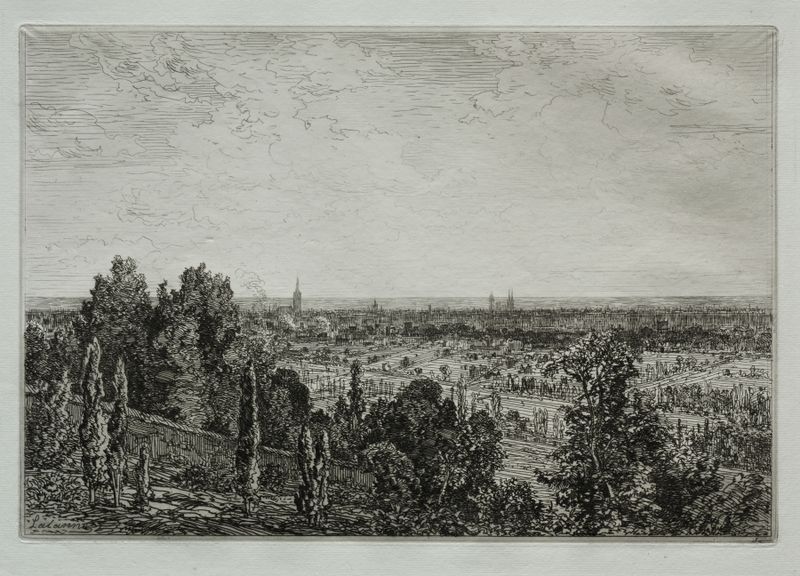
Bordeaux, View from the Coast of Cénon
Maxime Lalanne





