
View of Arnhem — History & Facts
In an age where moments slip through our fingers, art stands as a testament to our fleeting existence, a creation of permanence amidst the impermanence. Look to the foreground of View of Arnhem, where gentle waves ripple across the river, their surface glistening with shades of blue and green. The horizon stretches wide, cradled by a sky that shifts from soft gray to hints of gold, inviting the viewer’s gaze upwards. Notice how the low-hanging clouds cast a delicate light on the tranquil scene, while the distant cityscape of Arnhem peeks through the mist, a blend of rooftops and spires reaching for the heavens.
The artist's deft brushwork brings a sense of depth and movement, echoing the rhythm of nature. Embedded within this serene vista are whispers of contrast—the steadfastness of the land against the ephemeral spectacle of the sky. The stillness of the water reflects the quietude of the moment, yet the dynamic, swirling clouds hint at the ever-changing nature of life. This duality speaks to human experience, capturing both tranquility and tension in a single frame.
The delicate interplay of light and shadow further emphasizes this emotional complexity, drawing the viewer into a contemplation of existence. In 1646, Jan van Goyen created this masterpiece while residing in The Hague, amidst the flourishing of Dutch landscape painting. The 17th century marked a pivotal moment in art, characterized by a burgeoning appreciation for natural beauty and local scenes. Van Goyen was emerging as a prominent figure, his work reflecting not only the physical landscape but also the inner landscapes of human thought and memory.
More Artworks by Jan van Goyen
Browse all →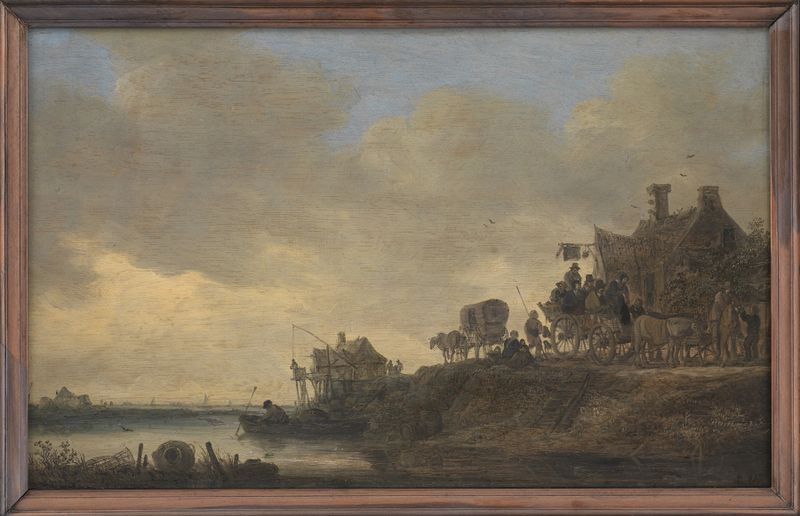
River Scene with the ‘Swan’ Tavern
Jan van Goyen

The Valkhof in Nijmegen
Jan van Goyen
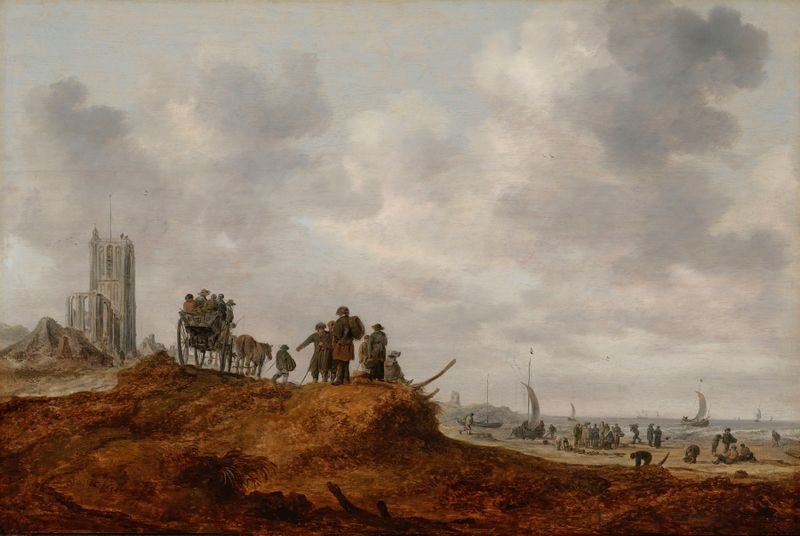
The Old Church at Egmond aan Zee
Jan van Goyen
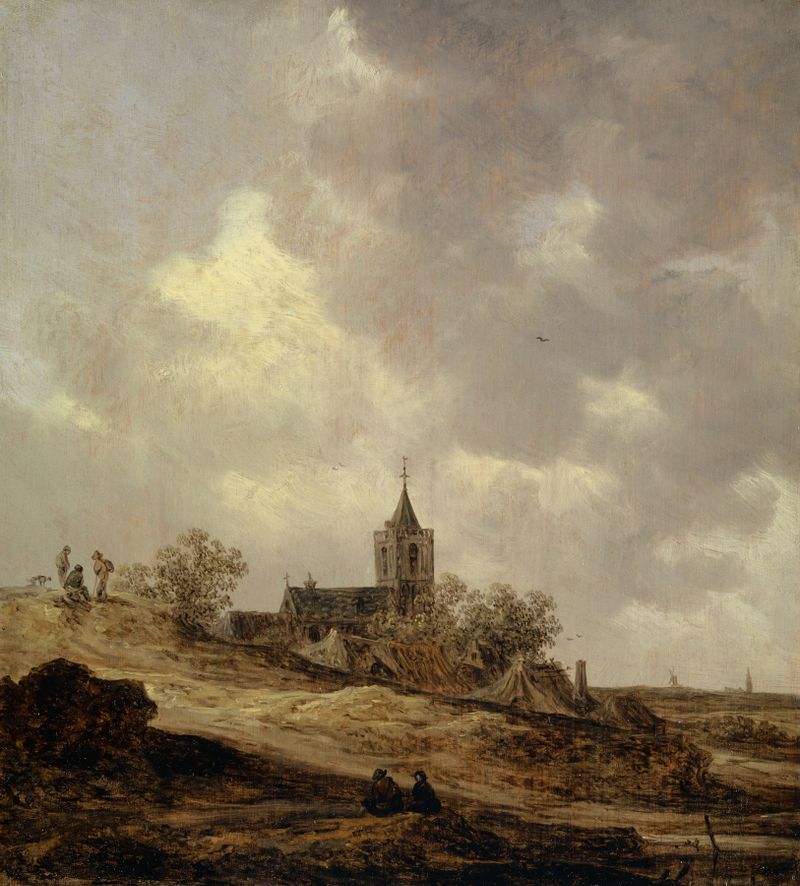
Village Church seen from the Dunes
Jan van Goyen
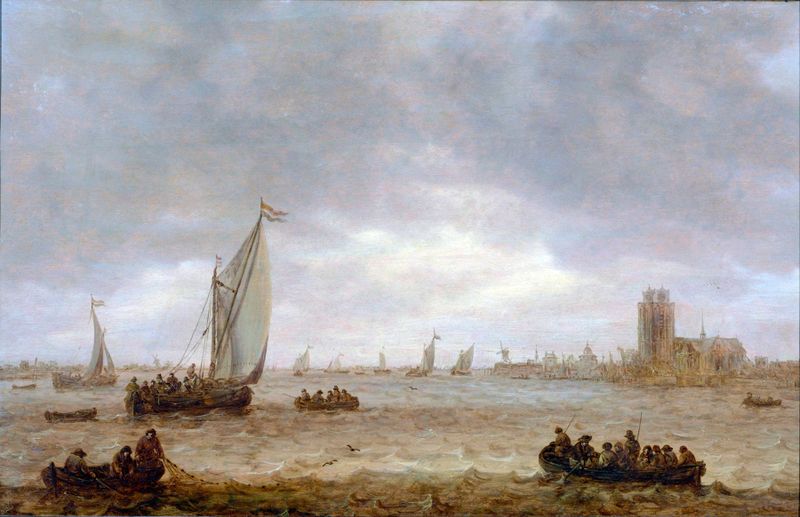
Mouth of the Meuse
Jan van Goyen

River Landscape with the Pellecussen Gate near Utrecht
Jan van Goyen
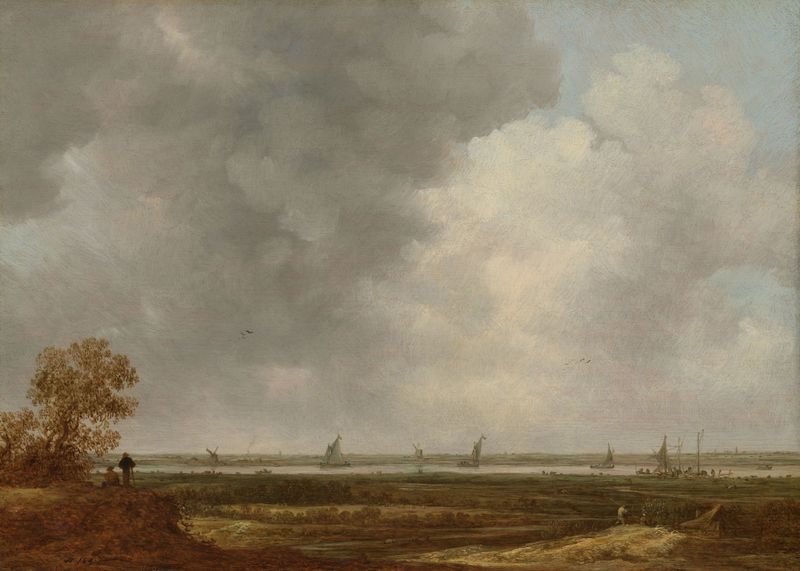
Panoramic View of a River with Low-lying Meadows
Jan van Goyen
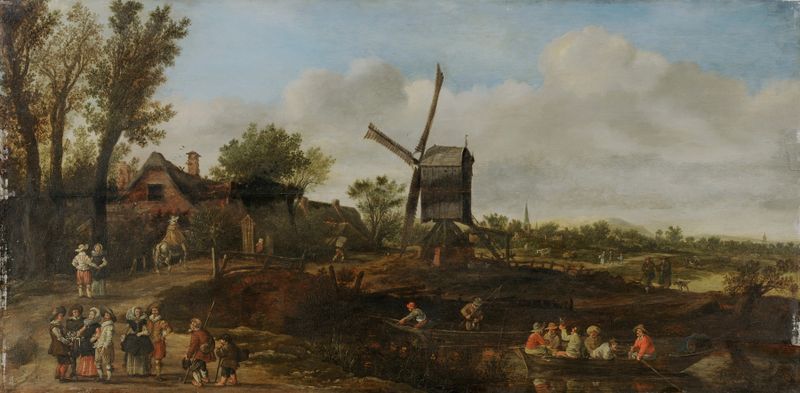
Dutch Landscape
Jan van Goyen
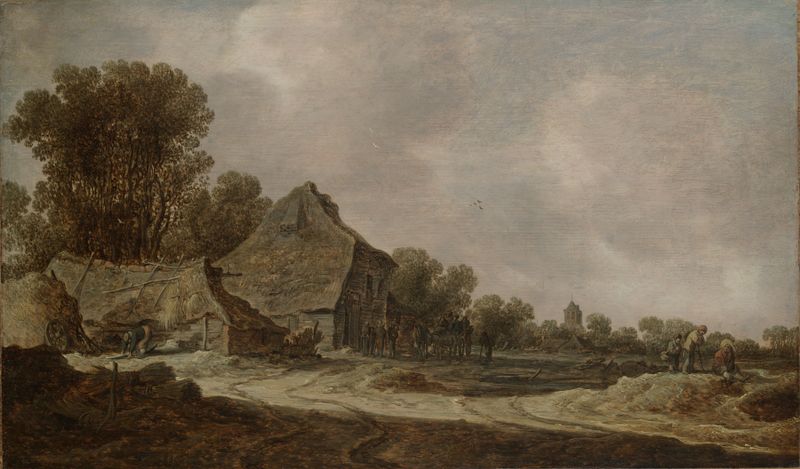
A Sandy Road with Thatched Cottages
Jan van Goyen
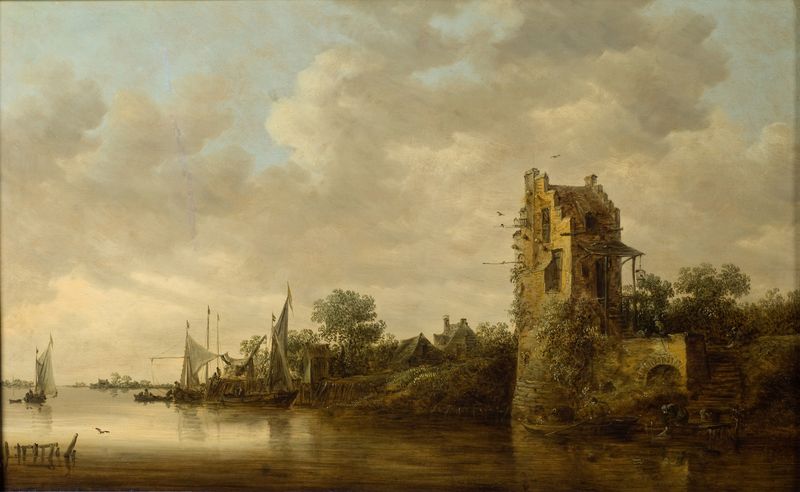
Riverside with an Old Tower
Jan van Goyen





