
View of Constantinople. From the journey to Constantinople — History & Facts
Who listens when art speaks of silence? In the stillness of a bygone era, the weight of absence hangs palpably in the air, inviting us to reflect on all that has been lost. Look to the left where the soft, muted hues of the cityscape emerge from the canvas, gentle blues and warm earth tones blending seamlessly into a horizon that whispers of distant memories. Your gaze should drift along the graceful lines of the architecture; the minarets rise like fingers reaching for the sky, while the tranquil waters below mirror this longing. The artist employs delicate brushstrokes, each one an echo of a moment, fostering a sense of nostalgia that resonates throughout the composition. The interplay of light and shadow reveals an emotional depth, where the vibrancy of life contrasts starkly with the looming silence of absence.
Each element tells a story: the boats floating on the water hint at movement and trade, yet there’s a stillness that signifies an ending. The absence of figures adds another layer of solitude; the viewer is left alone to contemplate not just the beauty of the scene but the echoes of histories untold, evoking a profound sense of loss. In 1893, Ciągliński was capturing an emerging modernity while reflecting on a world steeped in history, as he painted View of Constantinople during a pivotal time in his artistic journey. Living in Paris, he was influenced by both Eastern and Western aesthetics, a fusion that underscored the tensions of cultural identity in the wake of changing societies.
This work stands as a testament to the transitory, to the beauty that can be found amidst the shadows of what once was.
More Artworks by Jan Ciągliński
Browse all →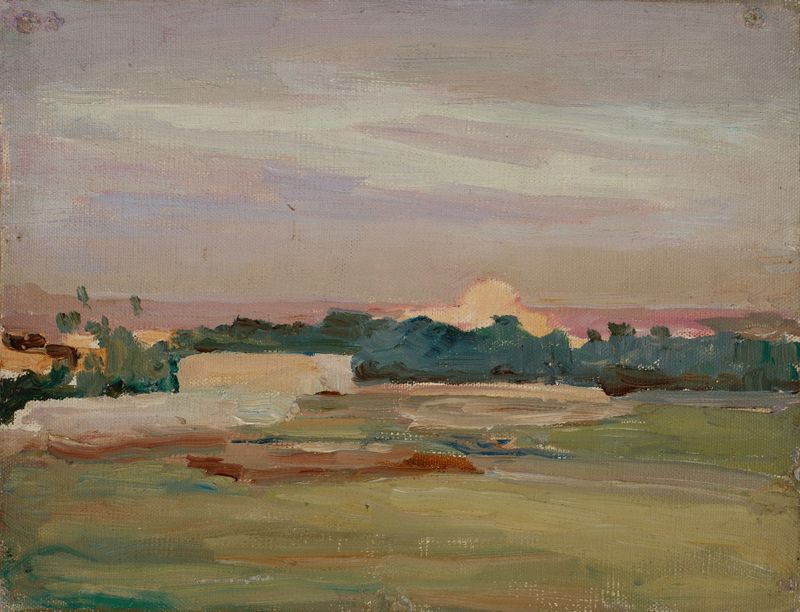
The Sirocco
Jan Ciągliński
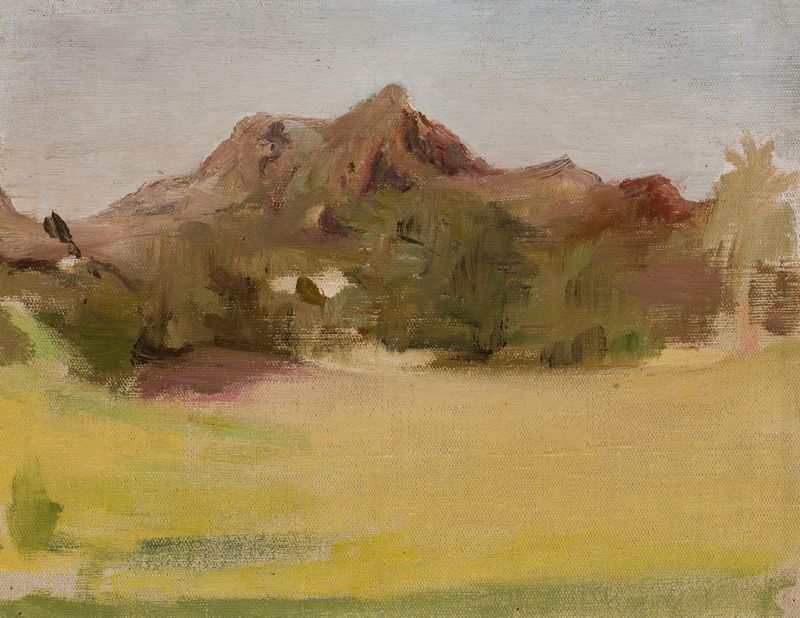
Mountain landscape. From the journey to India
Jan Ciągliński
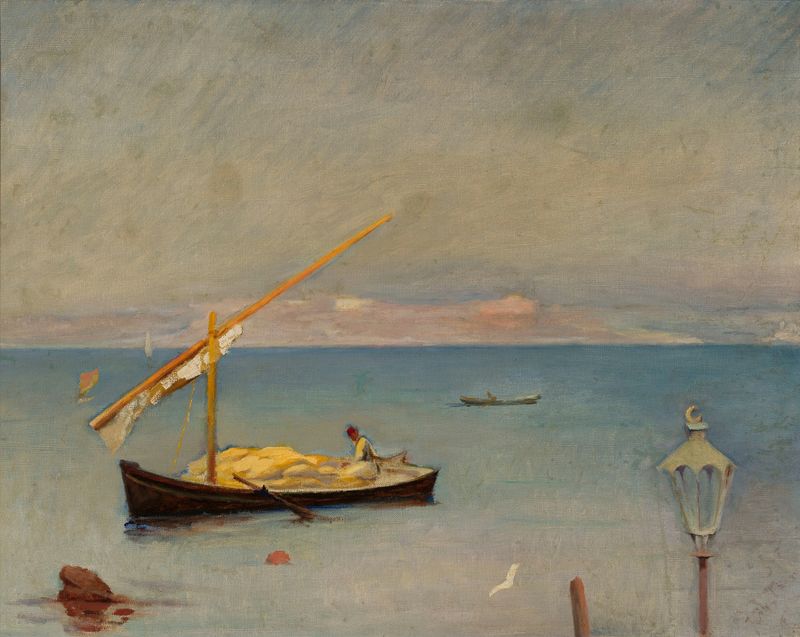
At Bosporus
Jan Ciągliński
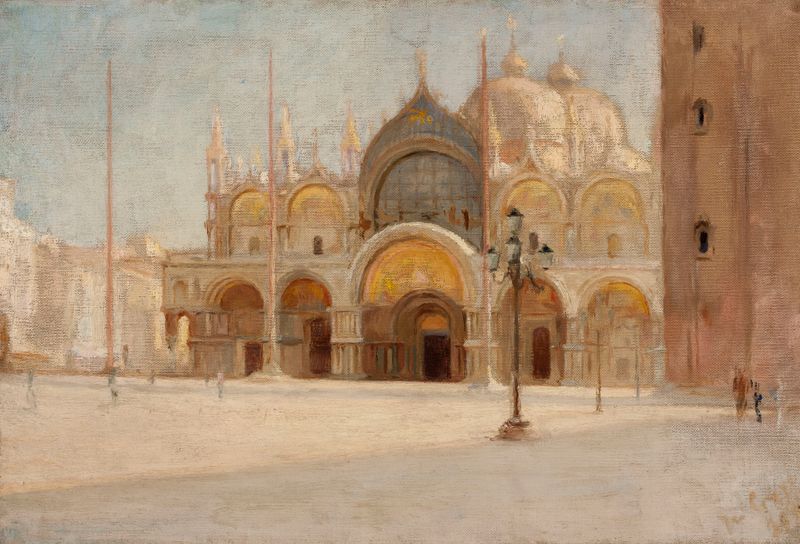
St Mark’s Square in Venice
Jan Ciągliński
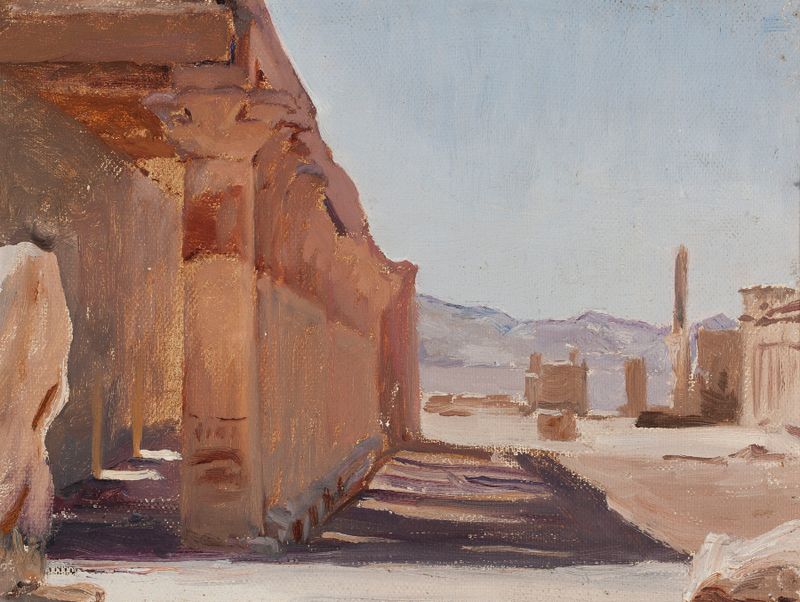
Temple. From the journey to Egypt
Jan Ciągliński
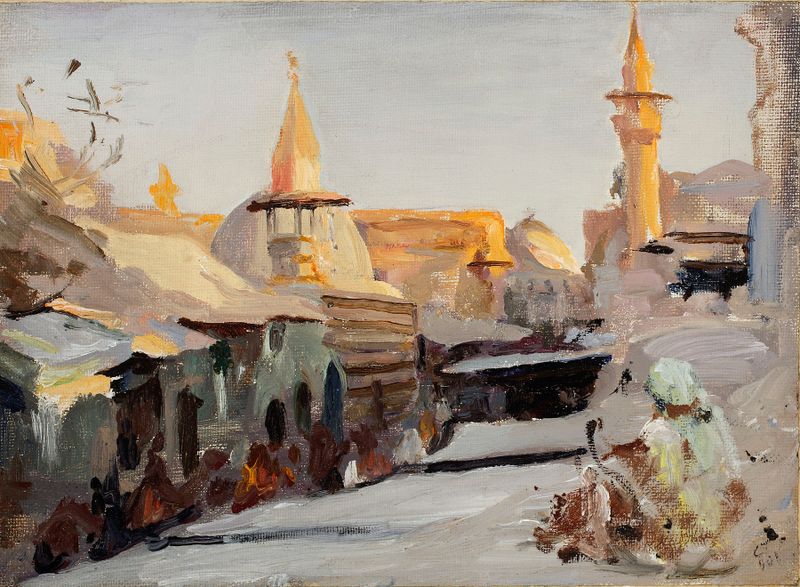
Street in Damascus. From the journey to Palestine
Jan Ciągliński
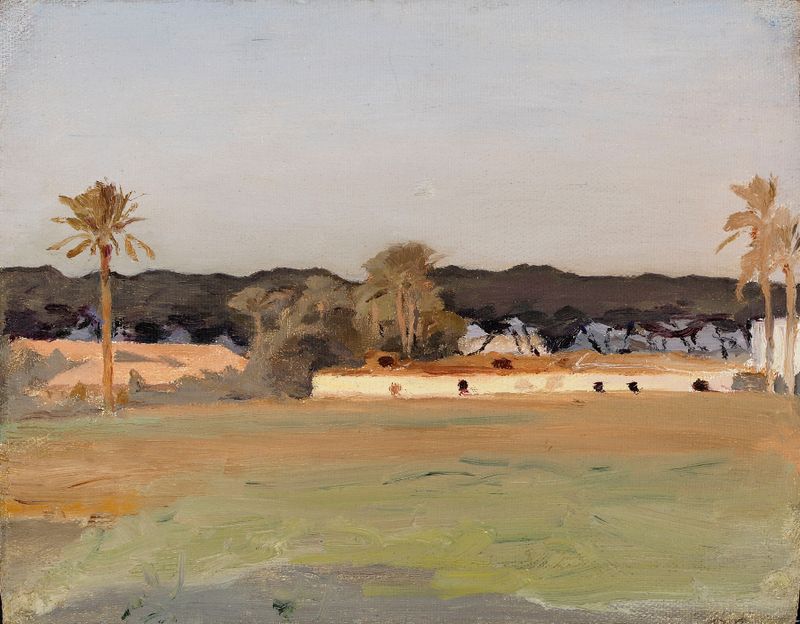
Evening. From the journey to Egypt
Jan Ciągliński
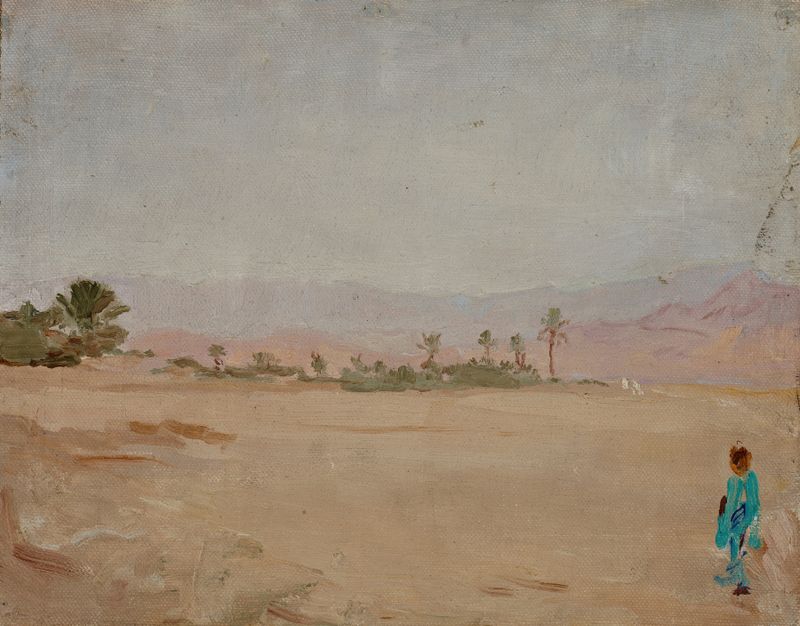
Sahara (Desert)
Jan Ciągliński
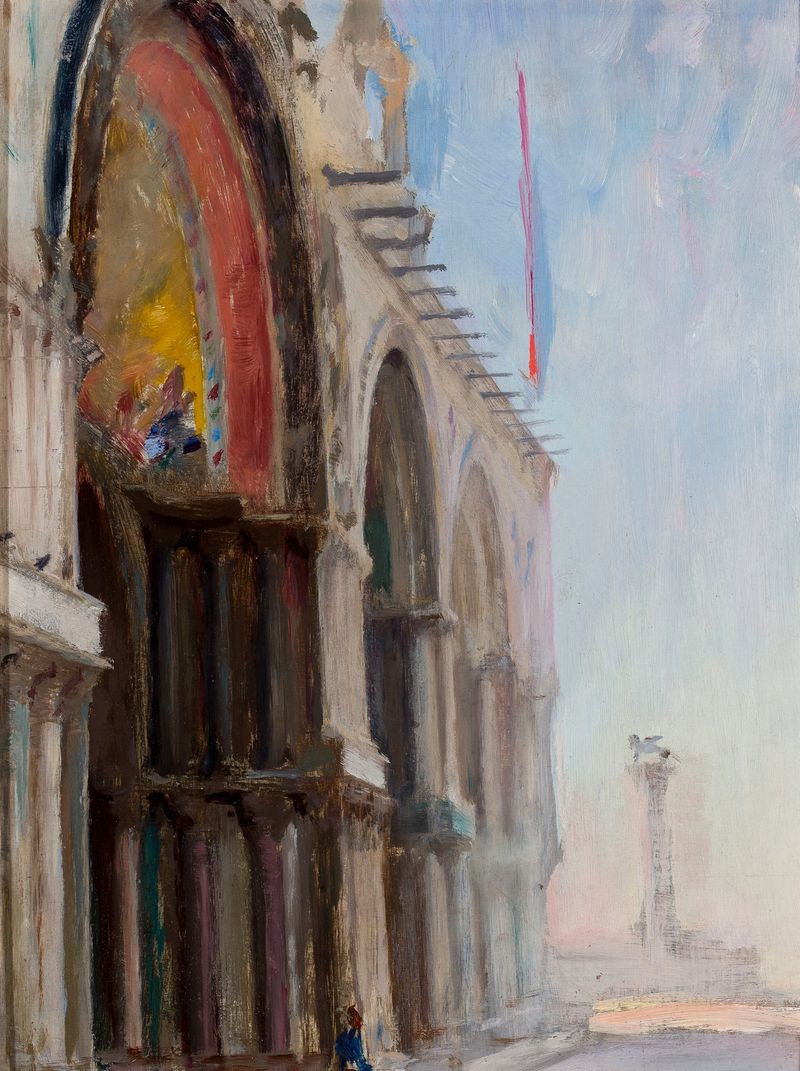
Venice – San Marco. From the journey to Italy
Jan Ciągliński
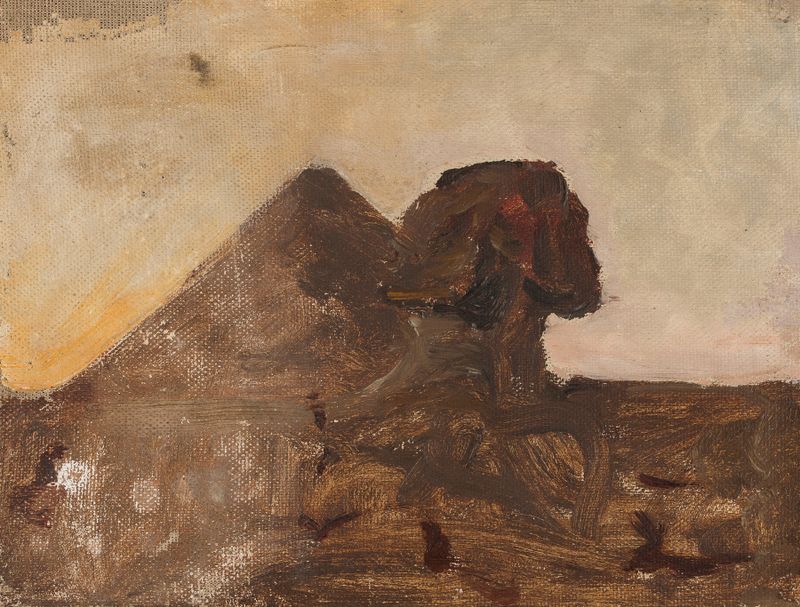
Evening in the desert – Sphinx and pyramid. From the journey to Egypt
Jan Ciągliński





