
View Of Dax — History & Facts
Is this a mirror — or a memory? In View of Dax, the lines between reality and imagination blur, inviting the viewer into a world that teeters on the edge of madness, where every brushstroke whispers of hidden truths. Focus first on the tranquil water reflecting the soft hues of twilight. The serene surface appears almost surreal, bending the landscape into dreamlike contours. Notice how the color palette transitions from soft pastels to deeper shades, hinting at the encroaching shadows of night.
The trees, silhouetted against the fading light, draw the eye upward, leading you toward the hazy architecture beyond. Each detail, from the delicate ripples in the water to the ethereal sky, speaks to an exploration of perception and reality. As you delve deeper, consider the contrasts at play: tranquility disrupted by the suggestion of chaos lurking just beneath the surface. The juxtaposition of calm water and crumbling structures raises questions about decay, both physical and mental.
The dreamy quality of the scene evokes a sense of nostalgia, while simultaneously hinting at a history filled with turmoil. The painting captures a fleeting moment, yet it reverberates with an unsettling energy that lingers long after the initial viewing. Created in an unspecified period, View of Dax emerged during a time of transformation in the art world, as artists sought new methods of expression. Wyld, influenced by his experiences in France, explored landscapes with an emotional depth that characterized the Romantic era.
This piece reflects the tension between beauty and madness, a hallmark of his work, while echoing broader artistic movements that began to challenge traditional representations of reality.
More Artworks by William Wyld
Browse all →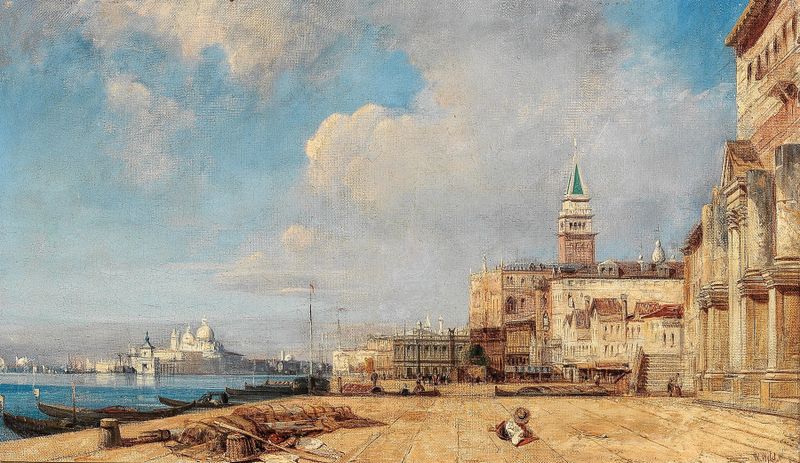
Venice, View of the Campanile and Santa Maria della Salute
William Wyld
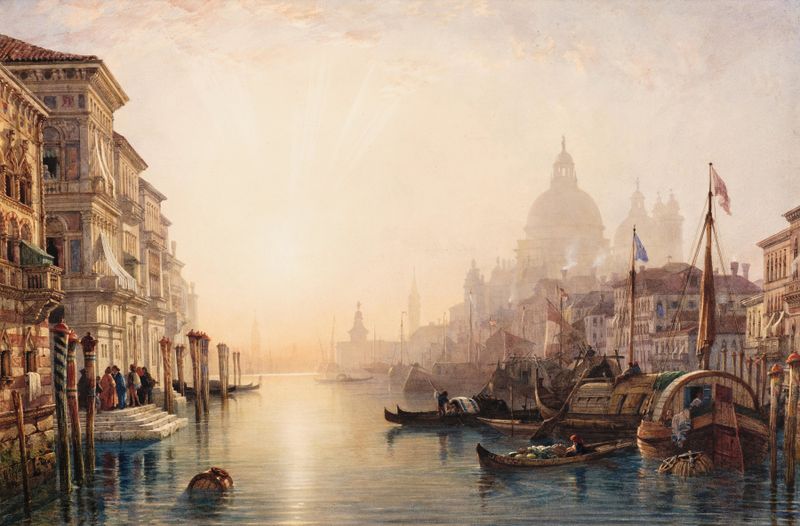
Venice, a View of the Grand Canal with Santa Maria della Salute and Punta della Dogana
William Wyld
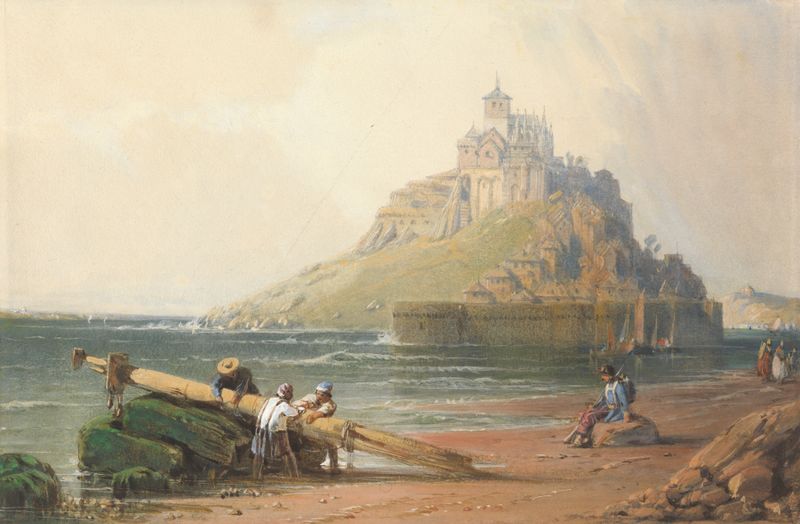
View of Mont St. Michel with Figures on the Beach
William Wyld
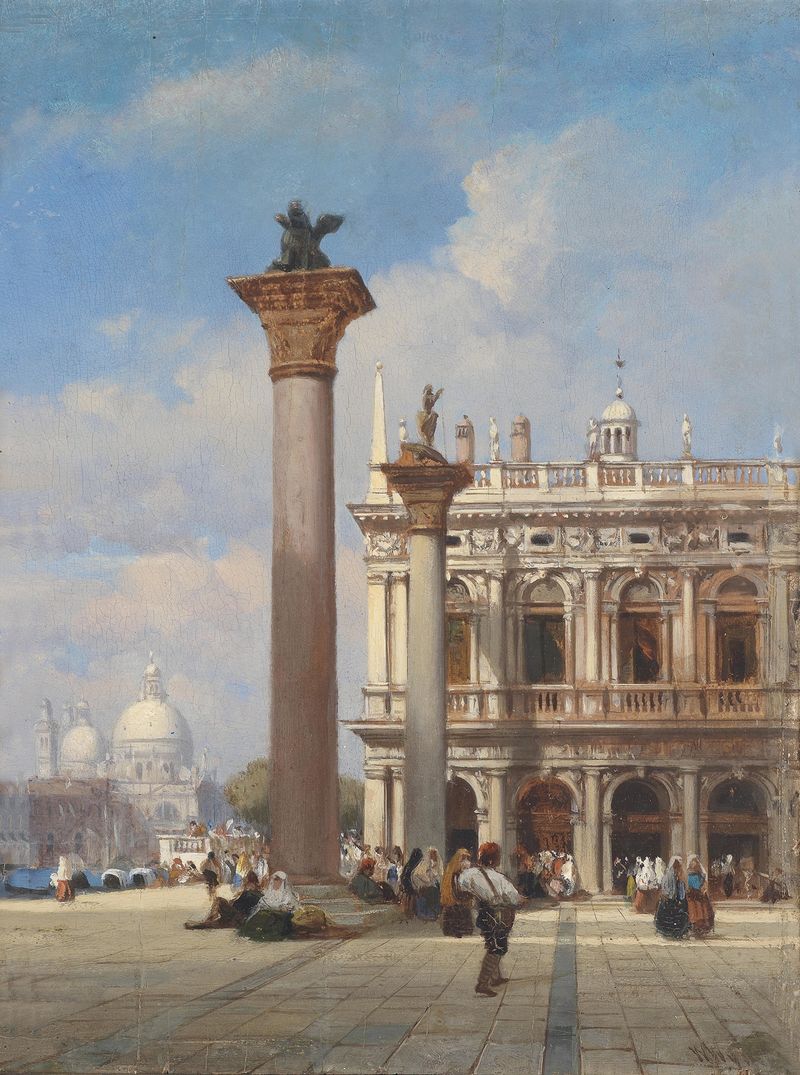
Venezia Piazza San Marco
William Wyld
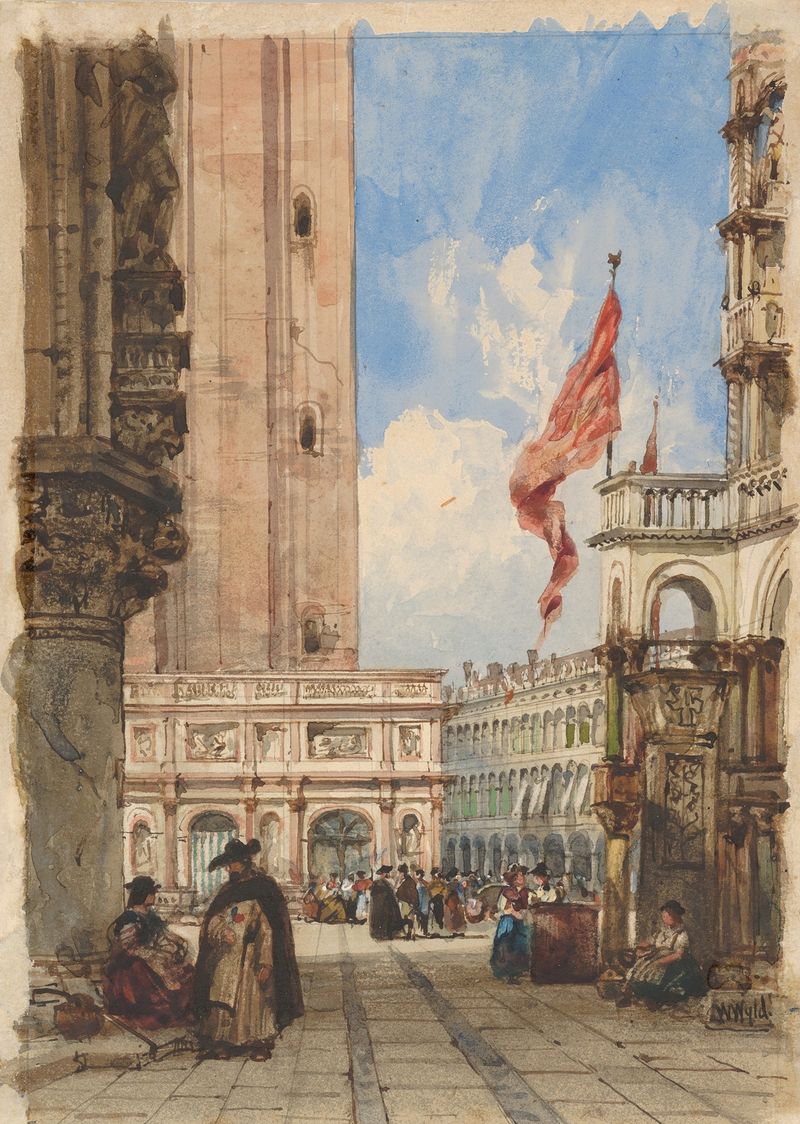
St. Mark’s Square, Venice, with Loggetta
William Wyld
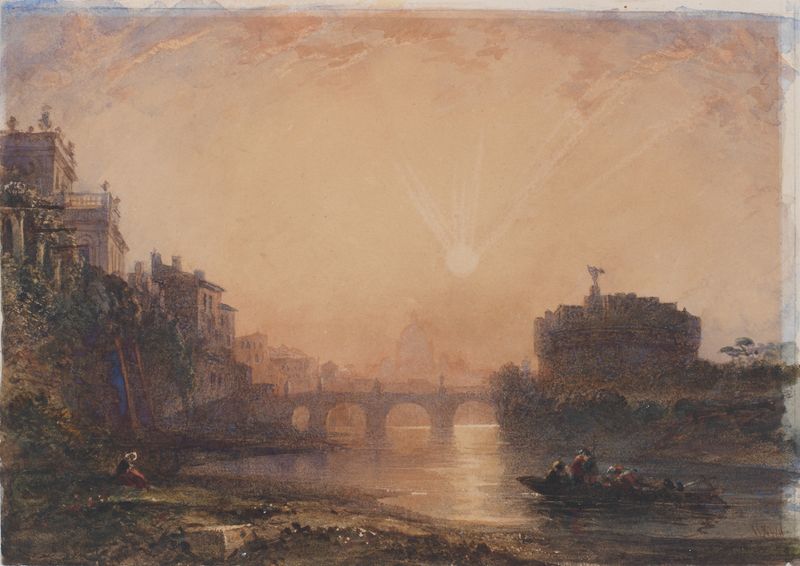
The Castel Sant’Angelo, Rome, at sunset
William Wyld

The Duomo in Milan from a Side Street
William Wyld
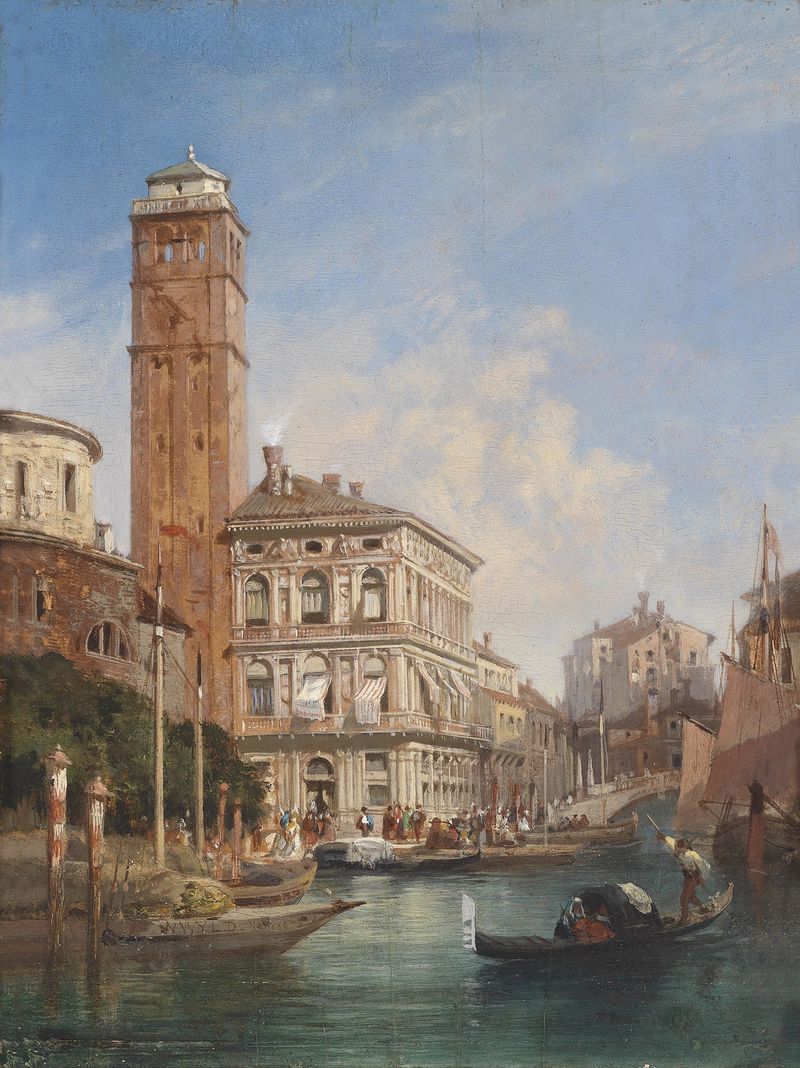
Venezia San Geremia
William Wyld
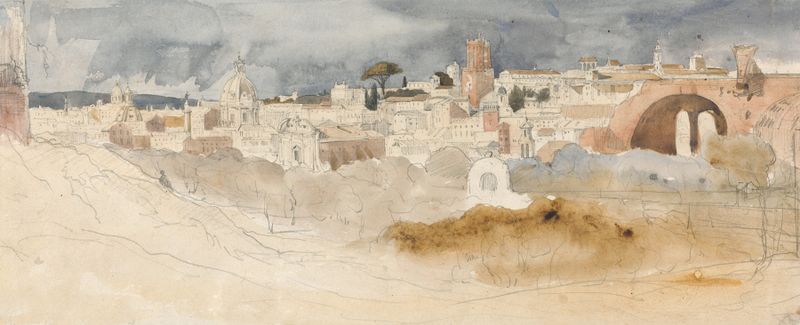
Rome from the Palatine Hill
William Wyld

Coastal scene with ruins
William Wyld





