View of Fort Navagne, Limburg — History & Facts
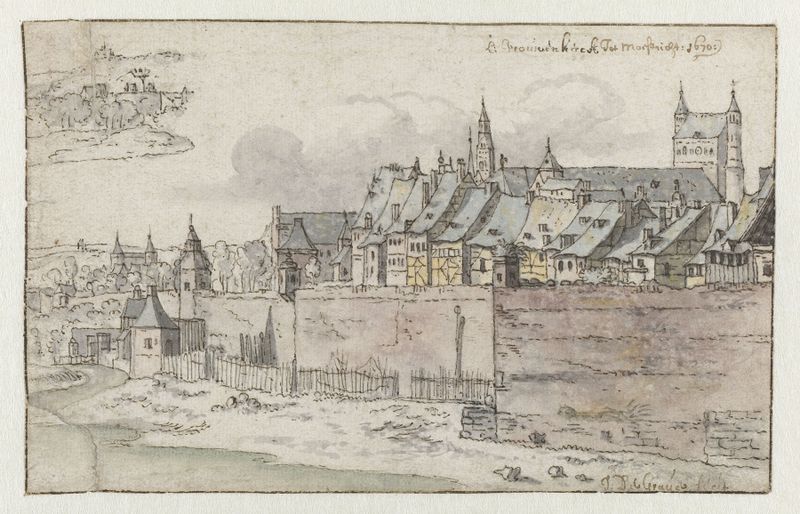
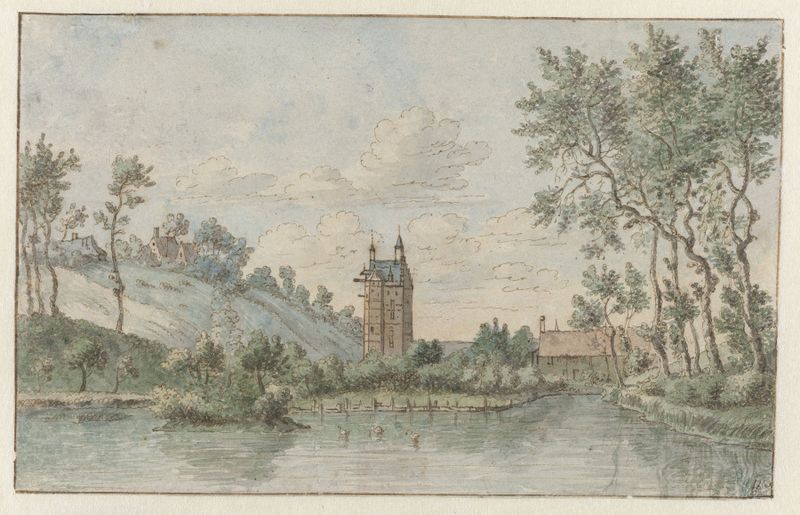
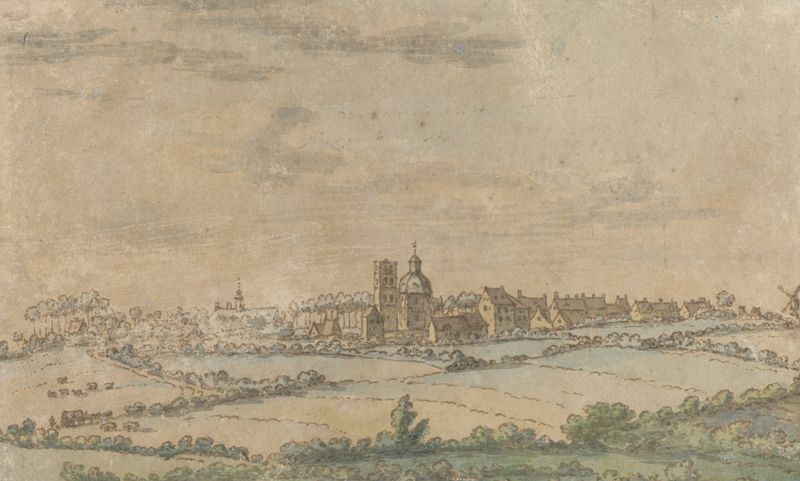
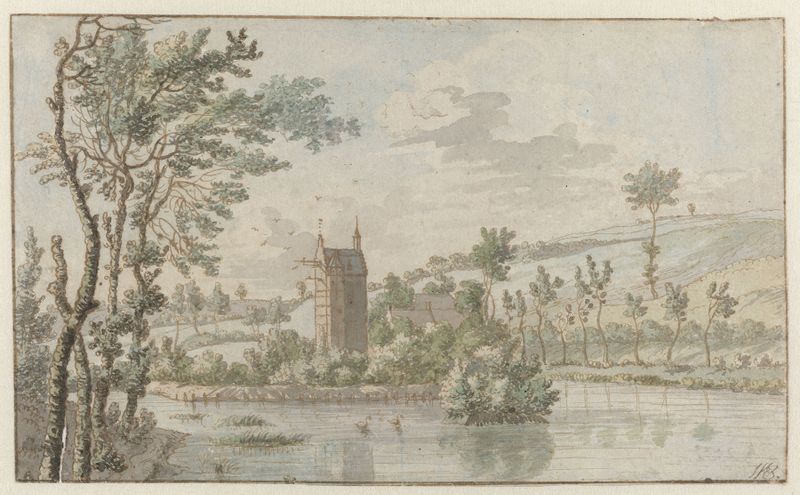
In the delicate interplay of artistic technique, one can find an illusion that transcends mere representation, inviting the viewer to explore a world of serene intricacies. Look to the foreground at the lush greenery, where de Grave meticulously details each leaf, creating a vibrant tapestry that draws the eye. Notice how the light filters through the clouds above, casting a soft glow over the fort’s stone walls, which stand resolute against a backdrop of swirling skies. The artist’s deft use of color harmonizes the warm earth tones with cooler blues, imbuing the scene with a sense of tranquility while hinting at the underlying tension of its fortifications. Yet, beneath the calm exterior lies a narrative of protection and vigilance.
The imposing structure of Fort Navagne serves as a sentinel, its ruggedness contrasting with the gentle landscape, embodying a tension between nature and human endeavor. The subtle shifts in the clouds evoke the passage of time, suggesting both permanence and fleeting moments, a reminder of the ever-changing world outside the frame. Each brushstroke captures not just the physicality of the scene but also the emotional weight of history and memory. In 1670, Josua de Grave painted this work while in Limburg, a region marked by shifting powers and territorial disputes.
The period bore witness to the burgeoning Baroque movement, where artists sought to ignite emotion through realism and detail. De Grave, influenced by his contemporaries, embraced this challenge, crafting a piece that resonates with both beauty and an underlying commentary on the landscapes that protect and define us.