View of Scherpenheuvel, Flemish Brabant — History & Facts
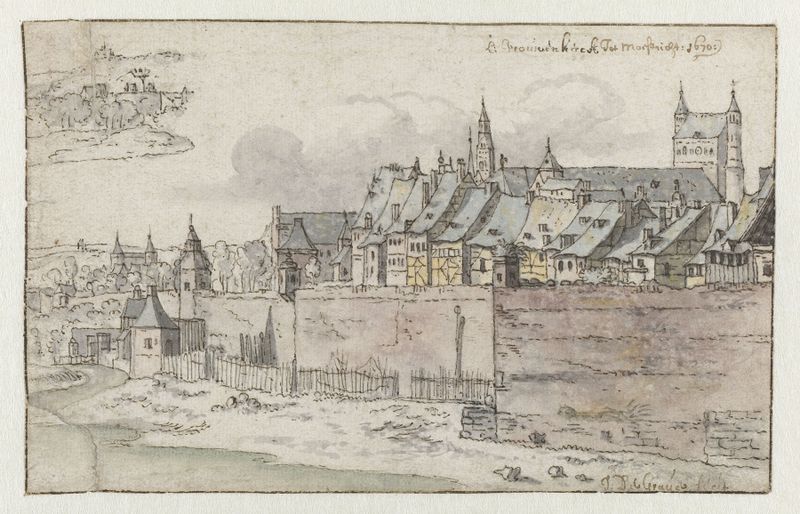
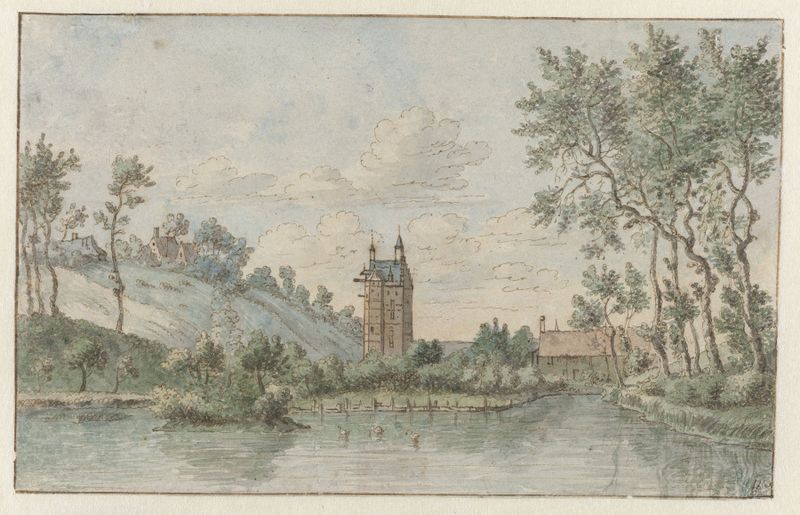
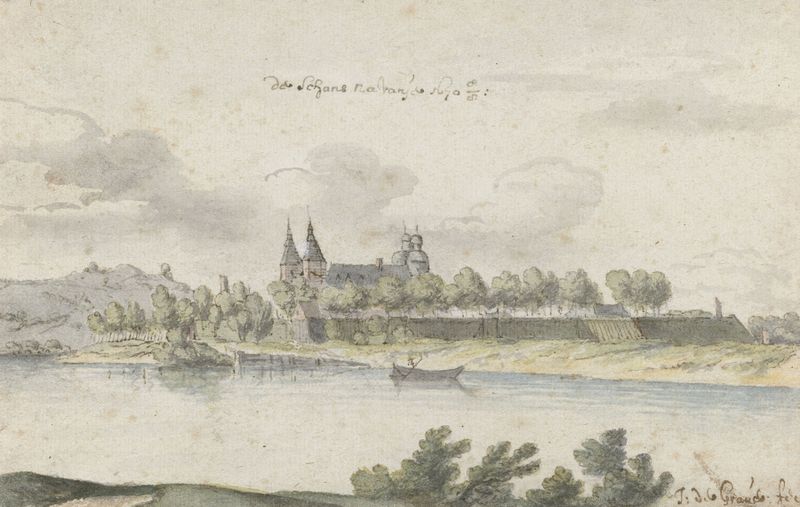
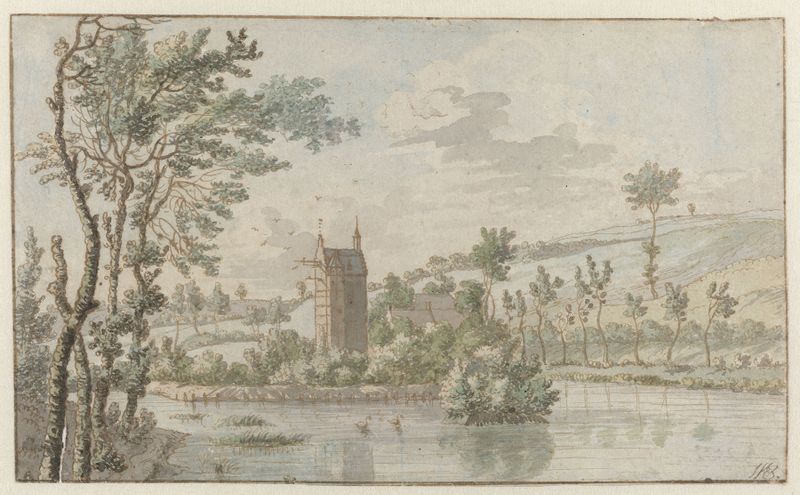
Did the painter know this moment would outlive them? View of Scherpenheuvel captures not just a landscape, but an ecstasy of devotion intertwined with the serene beauty of nature, inviting viewers to lose themselves in its ethereal splendor. Look to the foreground, where a gentle sloping hill meets the vibrant sky, inviting your gaze upwards toward the luminous clouds. Notice how the artist employs a delicate palette, blending soft greens and warm earth tones that breathe life into the scene. The spire of the church pierces the horizon, bathed in golden light, serving as both a focal point and a symbol of spiritual aspiration, guiding us to a higher plane.
De Grave’s meticulous brushwork reveals the texture of the trees and the undulating fields, creating a sense of depth that draws you in. Yet the painting is more than a picturesque view; it evokes a profound contrast between the earthly and the divine. The tranquil landscape seemingly celebrates the mundane, while the church's towering presence signifies a yearning for transcendence. The figures dotting the path below are subtly rendered, suggesting a pilgrimage that links the heavenly with the human experience, embodying a spiritual quest that resonates through time.
The interplay of light and shadow enhances this tension, inviting contemplation on faith and nature's grandeur. In the mid-1670s, Josua de Grave worked in a context rich with Baroque influences, deeply immersed in the traditions of Dutch landscape painting. This period saw a flourishing of art in Flanders, amidst the backdrop of religious fervor and emerging scientific curiosity. De Grave’s rendering of Scherpenheuvel not only reflects his personal artistic journey but also encapsulates a moment when the sublime met the everyday, immortalizing a fleeting experience in the hearts of those who gaze upon it.