View of the Walls of Maastricht with the Onze-Lieve-Vrouwekerk in the Background — History & Facts
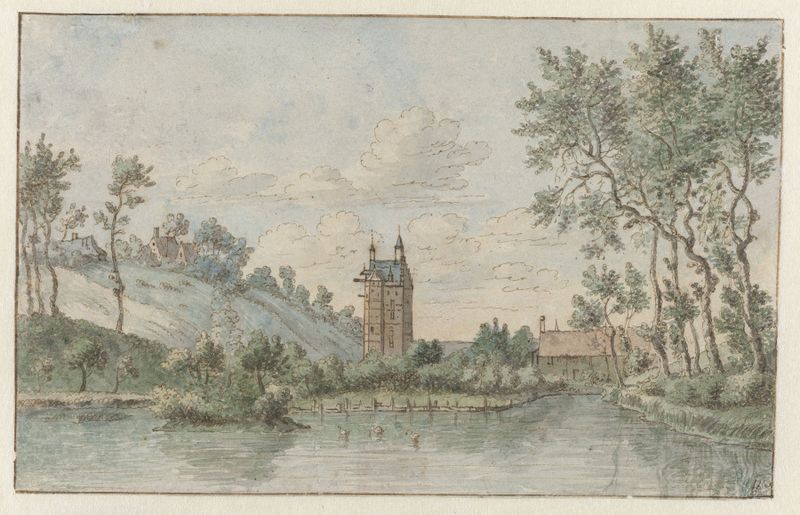
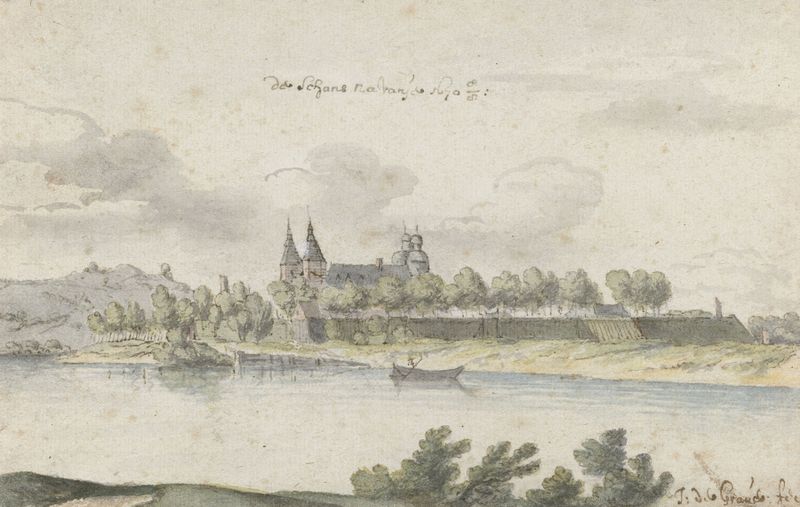
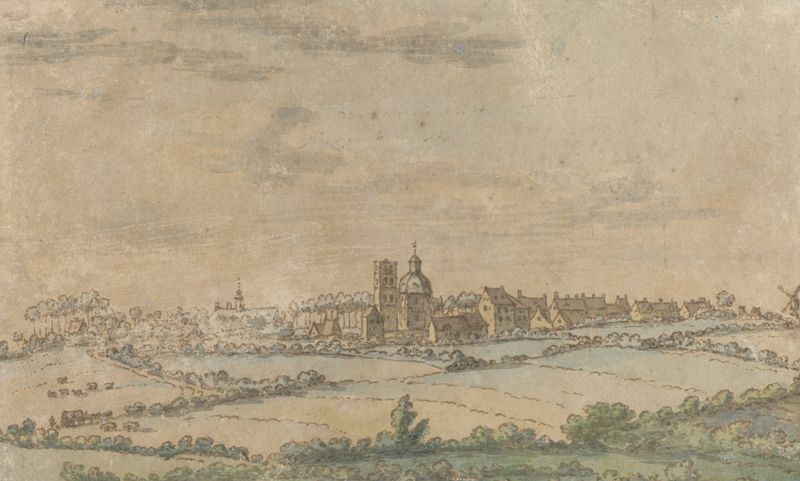
A revelation unfolds through the interplay of light and shadow, revealing the soul of a city long past. In an era where the walls of Maastricht held stories of resilience and change, the artist captures a moment that transcends time. Look to the left, where the bold outlines of the Onze-Lieve-Vrouwekerk rise against the soft blue sky, the church’s spire reaching toward the heavens. Notice how the artist employs warm earth tones to depict the sturdy ramparts, embodying the strength of the structures that once defended the city.
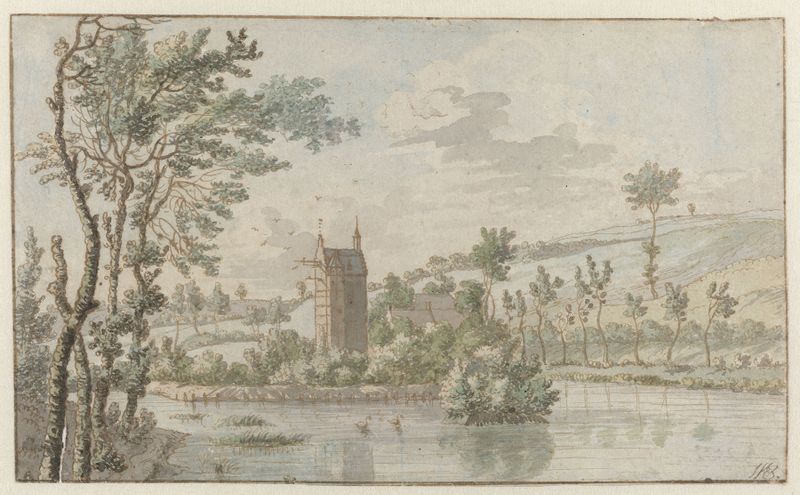
Each brushstroke reveals meticulous detail, from the intricate stonework to the delicate play of sunlight reflecting off the water, inviting the viewer to linger and explore the scene’s depth. As you delve deeper, consider the layered meanings within this tranquil landscape. The walls, symbols of protection, juxtapose the open sky—a reminder of both confinement and freedom. The church, a beacon of hope and faith, suggests a spiritual resilience amid the earthly struggles of the period.
The calm waters in the foreground hold a mirror to this duality, reflecting both the beauty and the fragility of the human experience. Painted in 1670, during a pivotal time in the Netherlands, the artist found himself in a flourishing artistic climate marked by the rise of Dutch landscape painting. While the country faced political uncertainty, creative expression thrived, as artists like Josua de Grave captured the essence of their surroundings with unparalleled clarity. This work stands as a testament to both the beauty of the environment and the enduring spirit of its people.