
View Of Lake Altaussee And The Dachstein — History & Facts
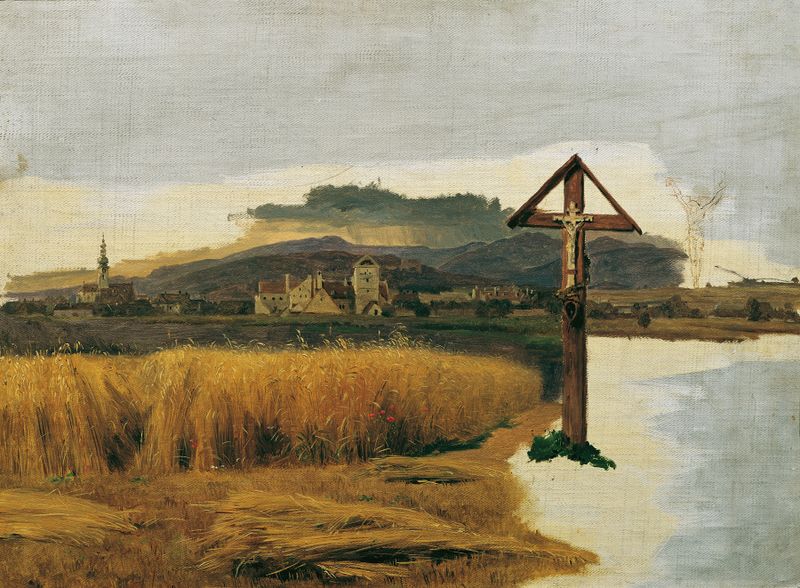
What secret hides in the quiet of the canvas? In View Of Lake Altaussee And The Dachstein, the stillness of nature whispers the promise of awakening, inviting us to contemplate the beauty that lies in serene moments. Look to the center of the canvas, where the calm water of the lake mirrors the rugged majesty of the Dachstein mountains. The interplay of light and shadow brings depth to the landscape, enhancing the lush greens and earthy browns with strokes of vibrant blue. Notice how the crisp Alpine air seems to breathe through the painting, captured in the gentle ripples on the lake's surface and the soft clouds that dance across the sky.
Waldmüller's expert use of chiaroscuro adds a palpable sense of tranquility, as if time momentarily pauses within the frame. Delve deeper into the work, and you’ll find layers of meaning. The juxtaposition of the serene lake against the towering mountains symbolizes the balance between tranquility and grandeur. The pristine nature scene might reflect the artist's longing for purity and clarity amidst a world increasingly affected by industrialization.
Each brushstroke appears to awaken the spirit of the American Romantic movement, where nature’s beauty holds emotional weight and significance, resonating with the viewer. Created in 1834 in Austria, Waldmüller crafted this piece during a period when Romanticism was blossoming across Europe, urging artists to draw inspiration from nature and personal emotion. At this time, Waldmüller was well-respected for his landscapes, reflecting an era of growing appreciation for the sublime beauty of the natural world. The work underscores his commitment to capturing the essence of Austria’s picturesque landscapes while hinting at the deeper yearnings of the human soul.
More Artworks by Ferdinand Georg Waldmüller
Browse all →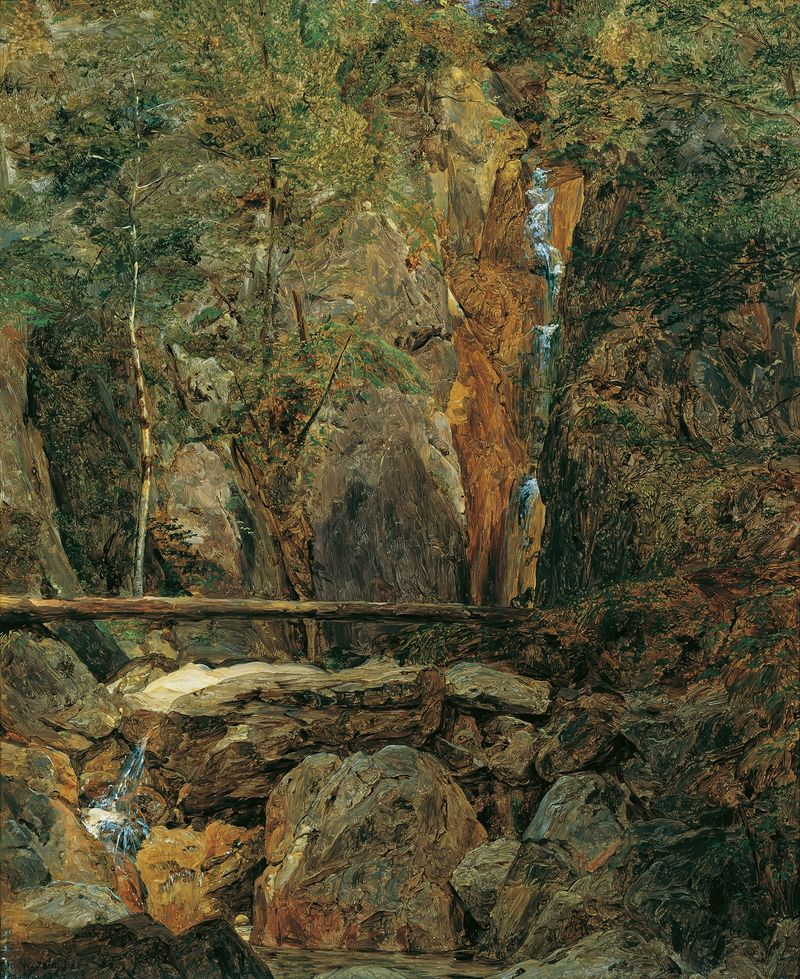
Die Rettenbachwildnis bei Ischl
Ferdinand Georg Waldmüller
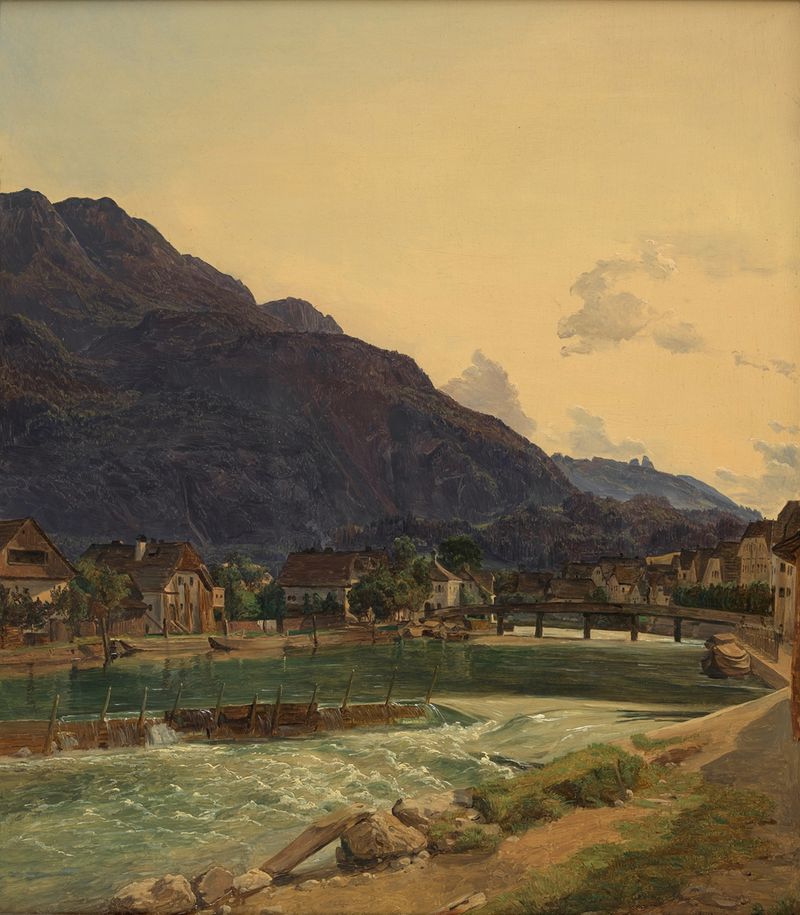
Die Traun bei Ischl
Ferdinand Georg Waldmüller

Die Römische Ruine in Schönbrunn
Ferdinand Georg Waldmüller
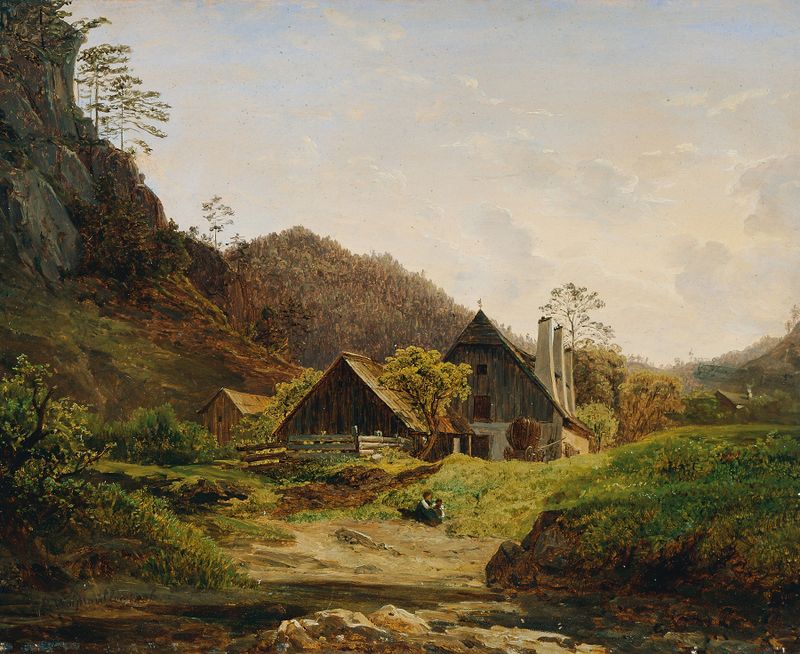
Landschaft mit Hammerschmiede
Ferdinand Georg Waldmüller

Ahornbäume bei Ischl
Ferdinand Georg Waldmüller
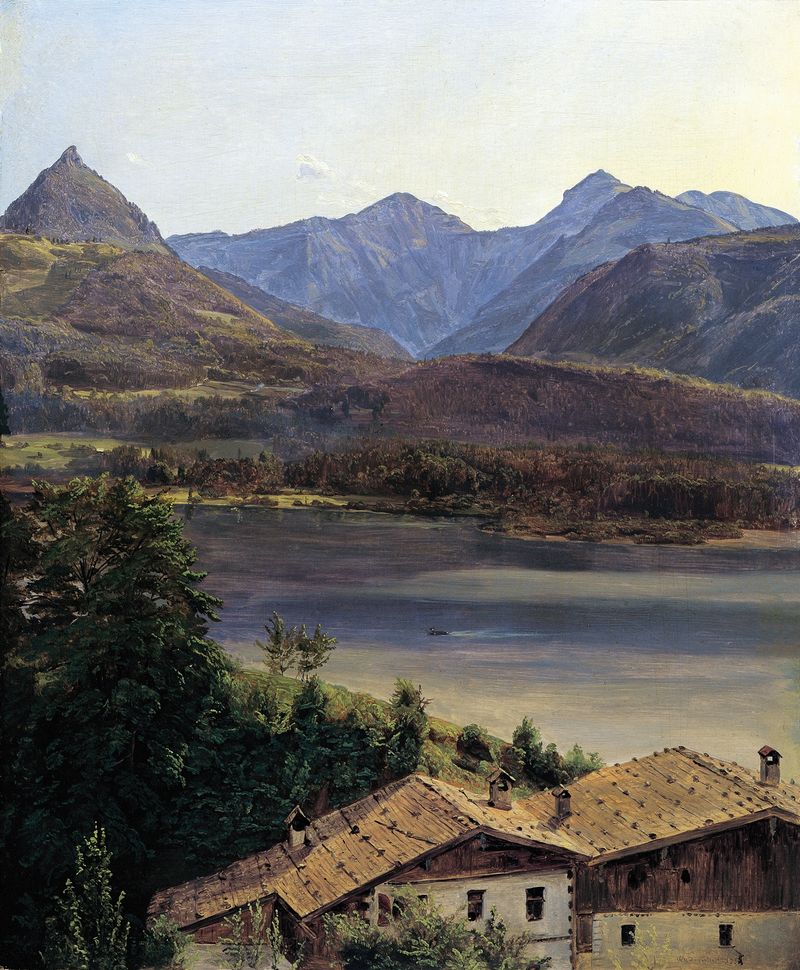
Der Wolfgangsee
Ferdinand Georg Waldmüller

Ansicht des Dachsteins mit dem Hallstättersee von der Hütteneckalpe bei Ischl
Ferdinand Georg Waldmüller

Lake Wolfgangsee with the Dachstein massif
Ferdinand Georg Waldmüller
Landschaft von Brunn am Gebirge
Ferdinand Georg Waldmüller

Prater Landscape
Ferdinand Georg Waldmüller





