
View of Lake Como — History & Facts
This delicate balance speaks to the transformative power of natural beauty, where the embrace of landscape invites contemplation and renewal. Focus first on the gentle undulations of the hills, where lush greens transition into soft blues—the colors fading into the tranquil waters below. The horizon holds a sense of spaciousness, drawing your gaze outward toward the serene lake that mirrors the sky. Notice how the light dances upon the water’s surface, creating an ethereal shimmer that captures both the essence of calm and the fleeting nature of time itself. Yet, as you delve deeper, contrast emerges.
The vibrant foreground teems with life—each brushstroke conveying the vibrancy of the trees and plants—while the distant mountains loom quietly, almost ominously, hinting at the untamed vastness beyond human reach. This duality of intimacy and isolation, warmth and coolness, speaks to the dual nature of transformation; it is both comforting and unsettling, echoing the transient beauty of the moment. In 1781, Francis Towne painted this work during a time of personal exploration and transition, seeking to define his own style amidst the burgeoning Romantic movement. Living in England, he often traveled to Italy, drawing inspiration from the stunning landscapes that graced the continent.
This piece reflects not only his evolving artistic vision but also the broader cultural embrace of nature’s beauty during a period that prized emotional depth and individual experience.
More Artworks by Francis Towne
Browse all →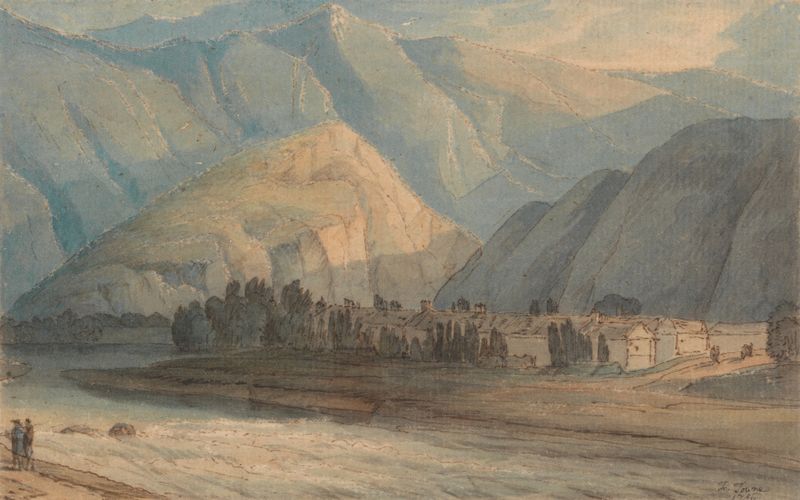
The Grange at the Head of Keswick Lake
Francis Towne

Vauxhall Stairs, from Millbank, July 5, 1797
Francis Towne

View in Borrowdale of Eagle Crag and Rosthwaite
Francis Towne

View of Lake Como with Monte Leoni
Francis Towne
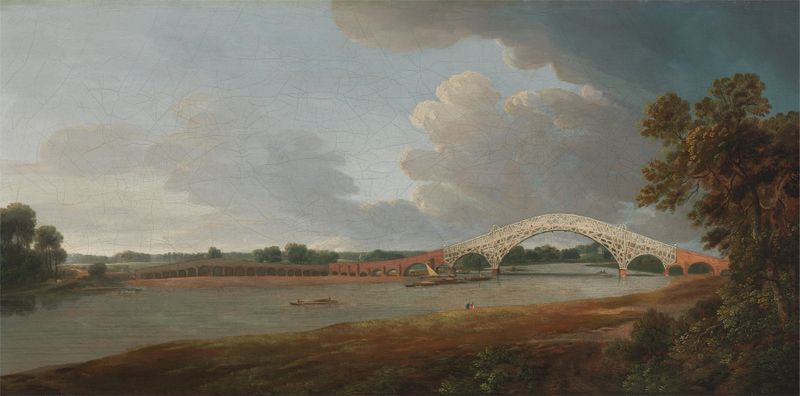
Old Walton Bridge
Francis Towne
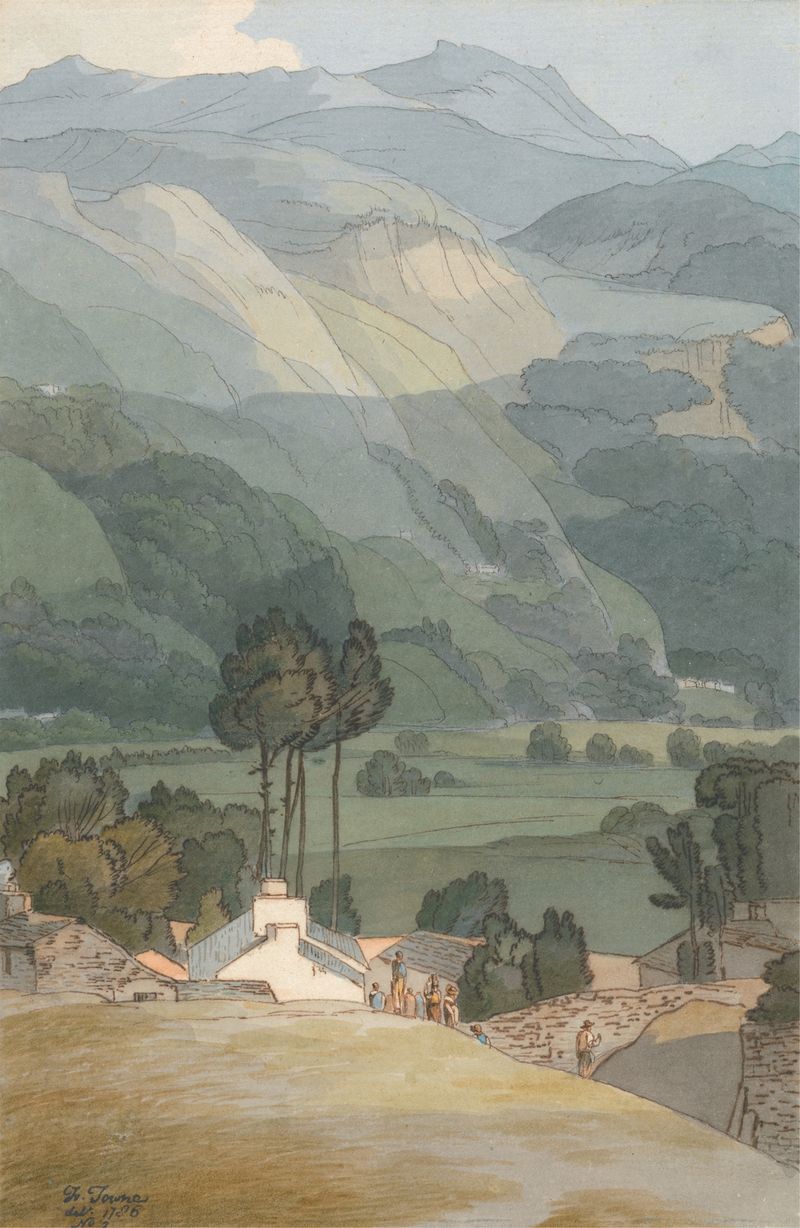
Ambleside
Francis Towne
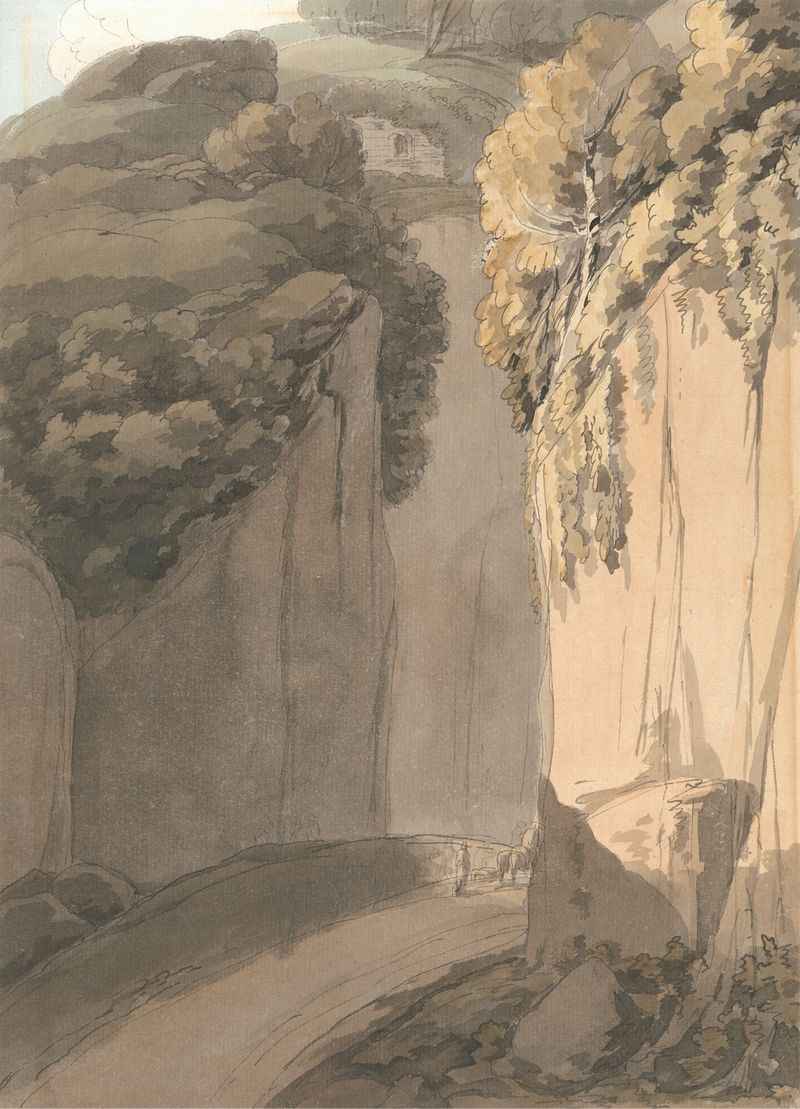
Entrance to the Grotto at Posilippo, Naples
Francis Towne

The Claudian Aquaduct, Rome
Francis Towne

A View Near the Arco Scuro, Looking Towards the Villa Medici, Rome
Francis Towne

View of the Rhydaer
Francis Towne





