
View of Porvoo from Nasinmaki — History & Facts
A forest of slender pines acts as both barrier and invitation, drawing the viewer’s gaze through shadow and filtered sunlight toward the distant, red-roofed church that rises above the clustered houses of Porvoo. The eye is led by the vertical rhythm of trunks, each one a dark silhouette against a tapestry of green foliage and shimmering water. Light pools in patches, catching on leaves and rooftops, hinting at a world beyond the trees—one that is both intimately observed and slightly withheld.
The scene feels like a secret vantage point, as if the painter is sharing a favorite lookout, where the town’s familiar shapes are glimpsed between the living columns of the forest. Painted in 1898, View of Porvoo from Nasinmaki belongs to a moment when artists across northern Europe turned toward their own landscapes, seeking not just picturesque views but the moods and memories embedded in familiar places. Works like this, now housed in the Museum of Modern Western Art, often served as quiet celebrations of national identity and local beauty, especially in regions where nature and settlement were closely entwined. While little is recorded about the specific journey of this painting, its presence in a modern collection speaks to the enduring pull of such scenes—inviting us to step softly into the hush beneath the trees, and to look again at the world just beyond.
More Artworks by Albert Edelfelt

The Day of Rest
Albert Edelfelt
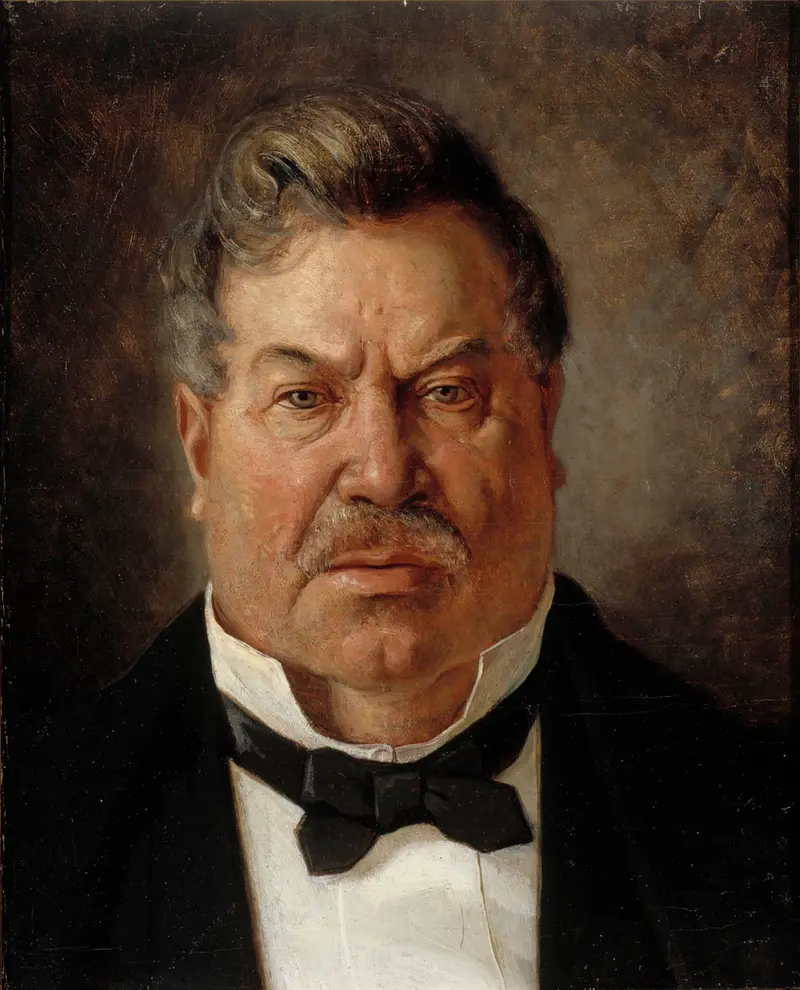
Portrait of August Streng
Albert Edelfelt
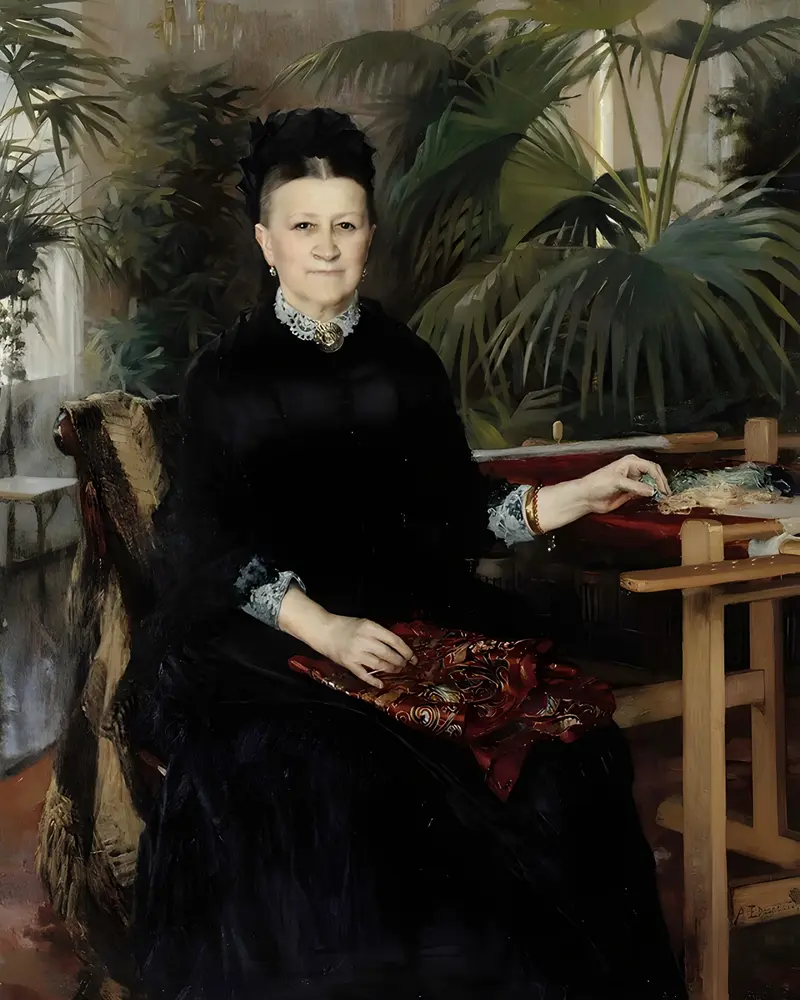
Portrait Of Mrs. Anna Sinebrychoff
Albert Edelfelt

The Poet, Larin Paraske
Albert Edelfelt

Parisian lady in a Peignoir
Albert Edelfelt
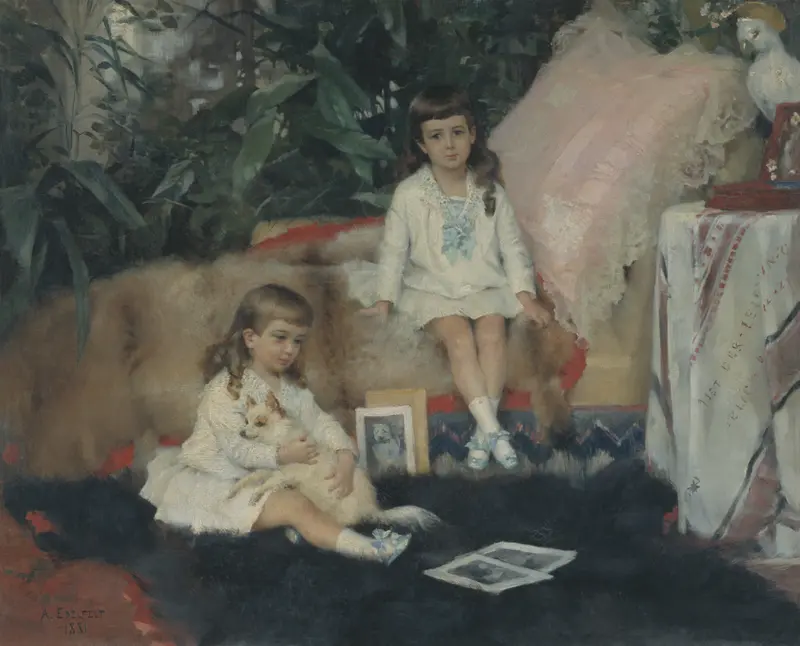
The Grand Dukes Boris and Kirill Vladimirovich as Children
Albert Edelfelt
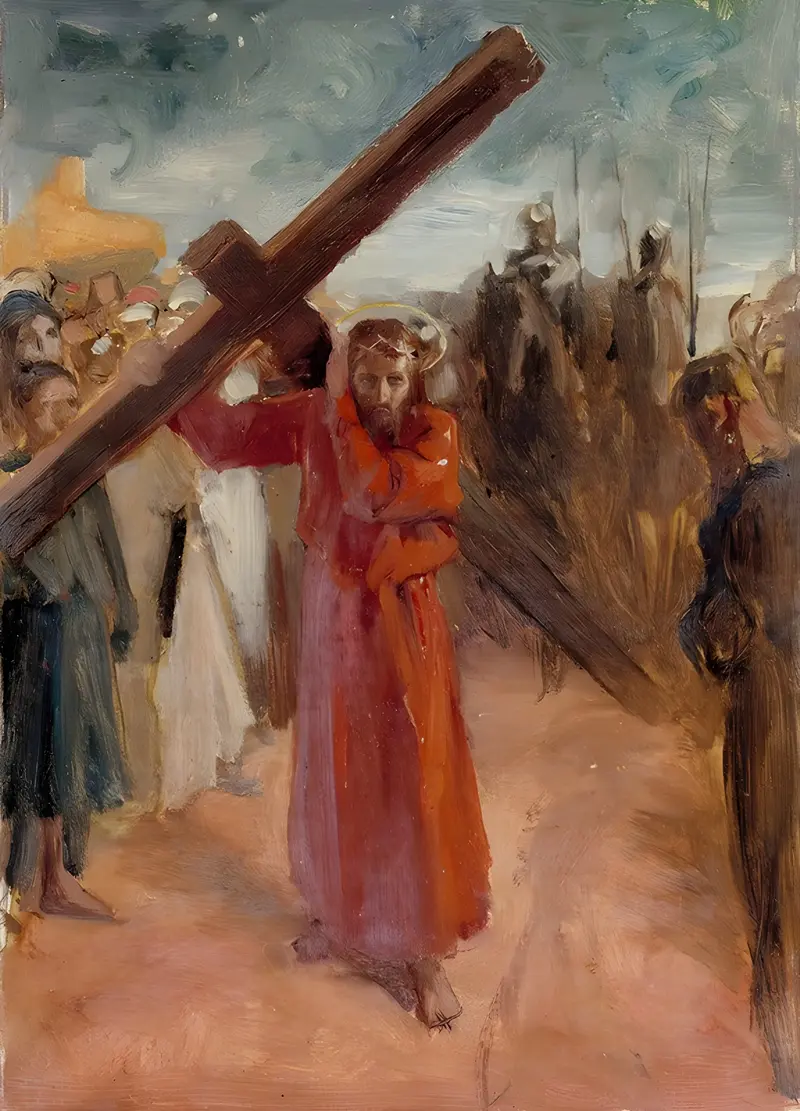
Christ Bears The Cross
Albert Edelfelt
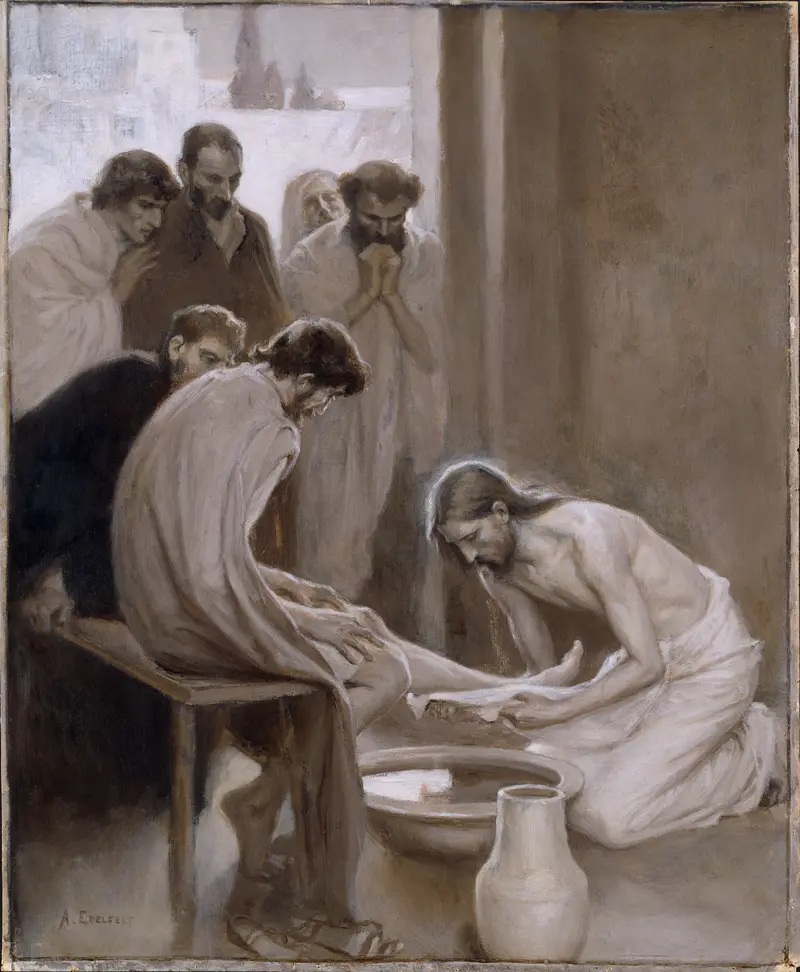
Jesus Washing the Feet of his Disciples
Albert Edelfelt

Larin Paraske with Kantele
Albert Edelfelt
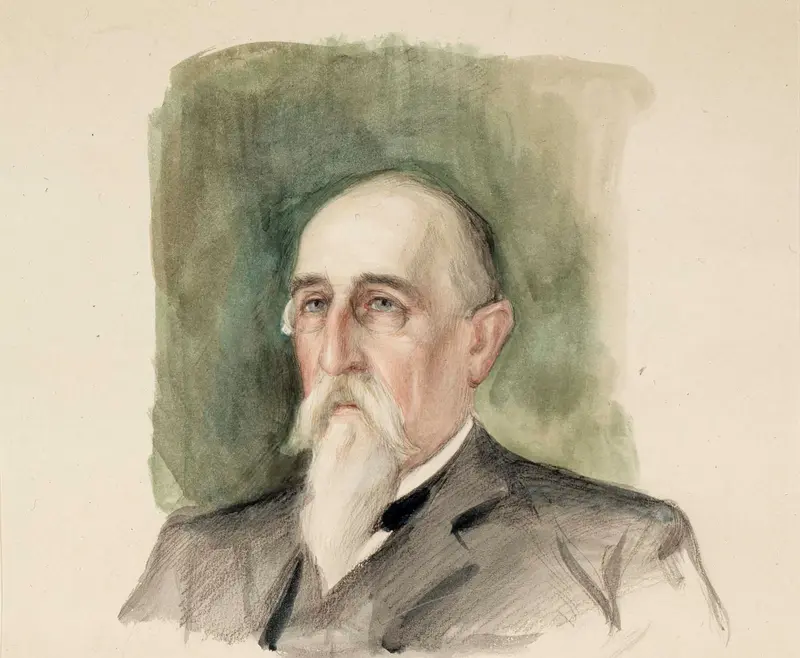
Leo Mechelin, Portrait Study
Albert Edelfelt
More Landscape Art

The Starry Night
Vincent van Gogh

View of Delft
Johannes Vermeer

Water Lilies
Claude Monet

The Grand Canal, Venice, looking north-west from the Ca' Corner to the Ca' Contarini degli Scrigni, with the campanile of Santa Maria della Carità
Canaletto

Windsor Castle
Canaletto

The Grand Canal looking North-East from the Palazzo Dolfin-Manin to the Rialto Bridge
Canaletto